Under exhibition lighting, almost every product looks its best. But will the same mirror, fabric or finish look just as good in a customer’s home?
A decorative mirror looks stunning at a trade fair.
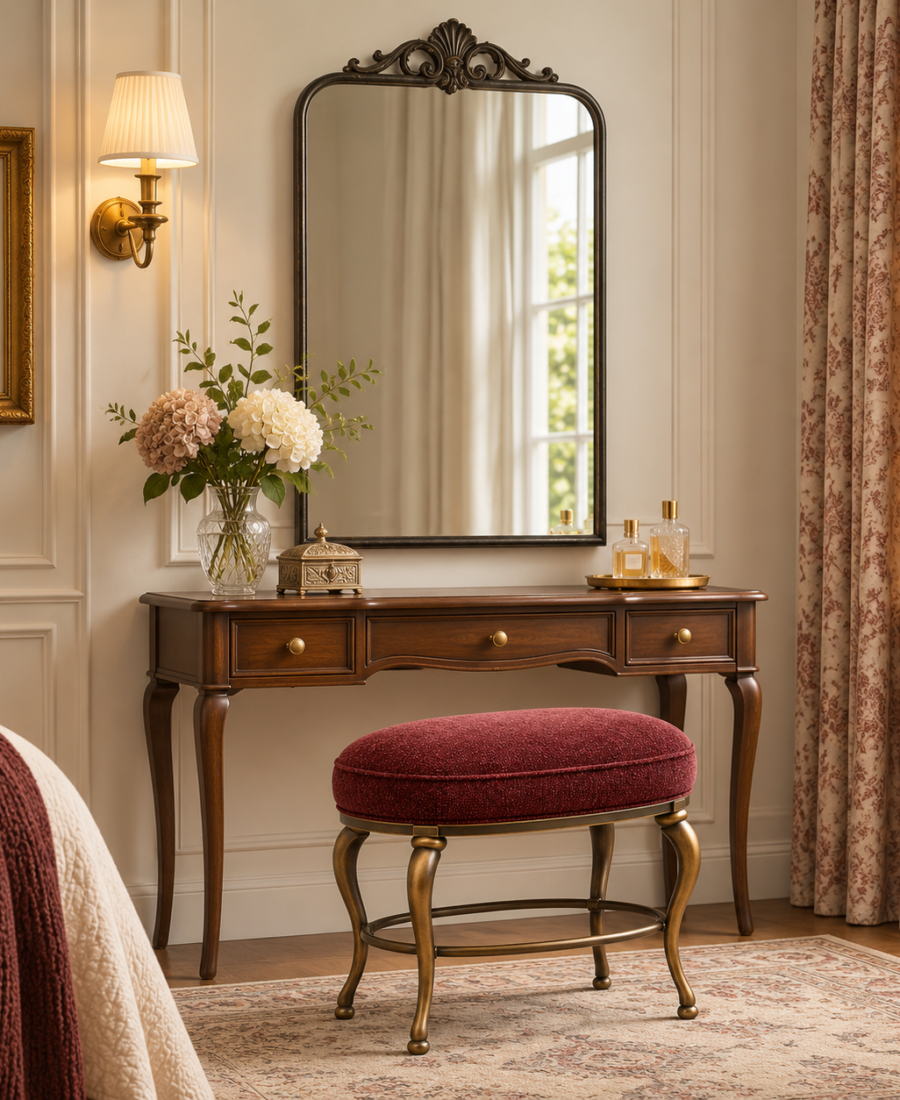
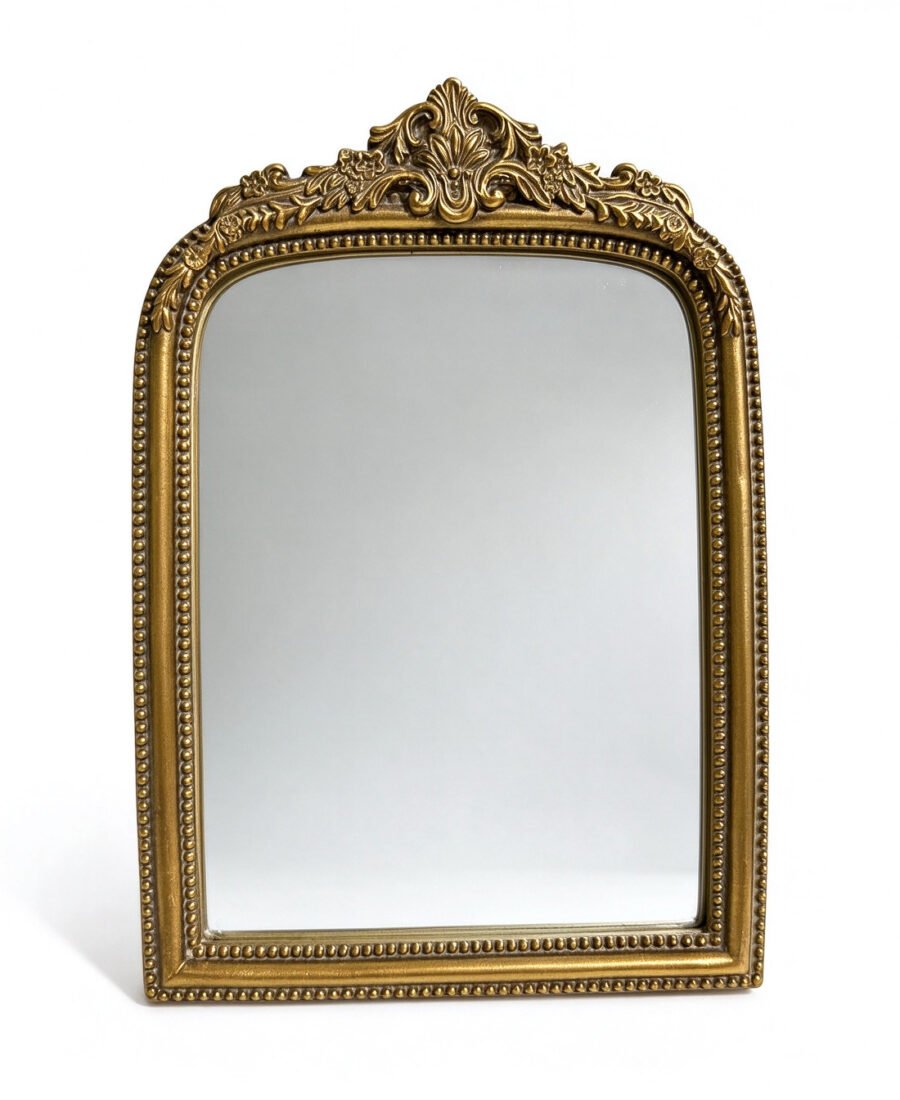
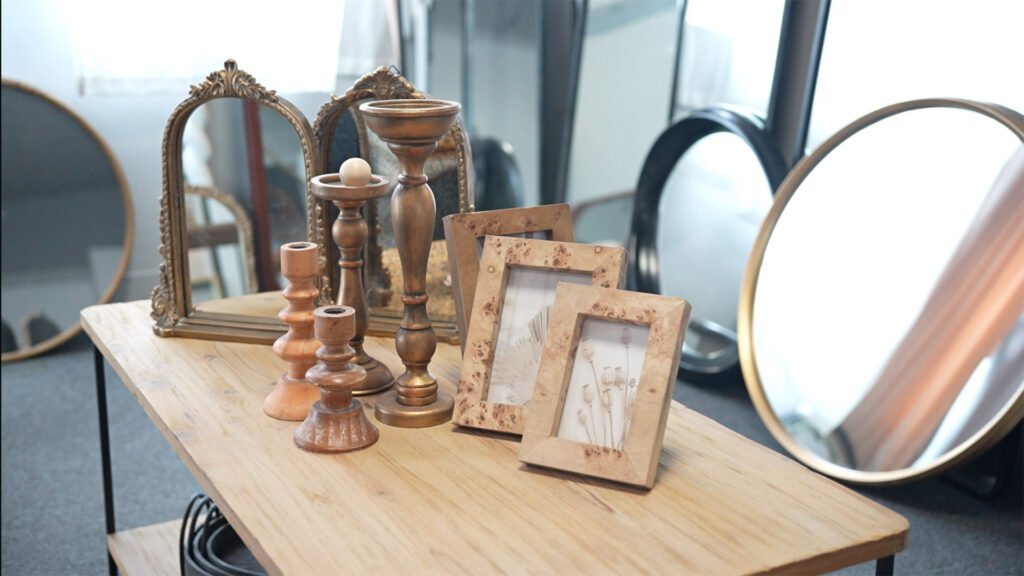
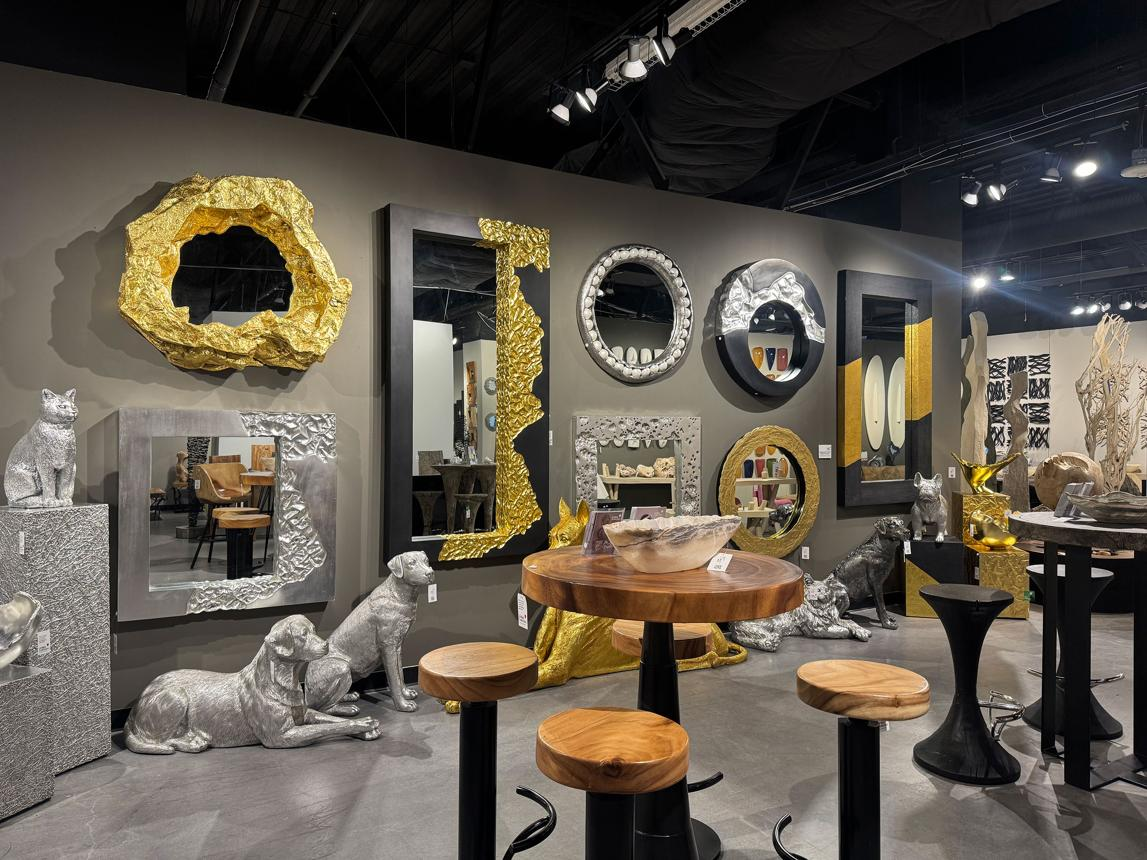
Its metallic frame catches the exhibition lights. The surface appears rich and warm. Nearby furniture and carefully selected accessories make the entire display look perfectly coordinated.
A buyer takes a photograph, asks for a quotation and adds the model to a shortlist.
A few days later, the buyer reviews the photographs on a laptop.
Something feels different.
The gold finish looks brighter than expected. The upholstery appears less textured. The mirror frame that looked elegant at the exhibition now seems slightly too heavy.
Was the product different, or was the environment influencing the buyer’s judgment?
This is a common but underestimated challenge in international home décor sourcing.
A trade fair does not simply display products. It creates an environment that influences how products are perceived.
For buyers, understanding this effect can help prevent attractive exhibition displays from turning into disappointing purchasing decisions.
1. Exhibition Lighting Can Change the Way a Product Looks
Lighting is one of the most influential elements in a product display.
Warm spotlights can make gold-tone metal appear richer and more luxurious.
Directional lighting can emphasize the texture of a mirror frame or an upholstered surface.
Soft ambient lighting can make wood finishes look warmer and more natural.
But the same product may look different under ordinary retail lighting or natural daylight.
Consider three examples.
Metal Finishes
An antique gold finish may appear warm and subtle under exhibition lighting but look yellow or overly shiny under cooler lighting.
Upholstery
Bouclé, velvet and textured fabrics can appear more pronounced under directional lighting. Under flatter lighting, some surface details may become less visible.
Natural Materials
Wood grain, stone variation and mineral-inspired finishes may look different depending on the light source and viewing angle.
This does not necessarily mean the product is defective.
It means the buyer needs to understand how its appearance changes across different environments.
For products where colour accuracy matters, buyers should examine physical samples under more than one lighting condition.
2. A Beautiful Display Can Hide Poor Product Proportions
Trade fair displays are carefully arranged.
A mirror may be placed above a console table at exactly the right height.
An upholstered stool may sit beside a large decorative chair.
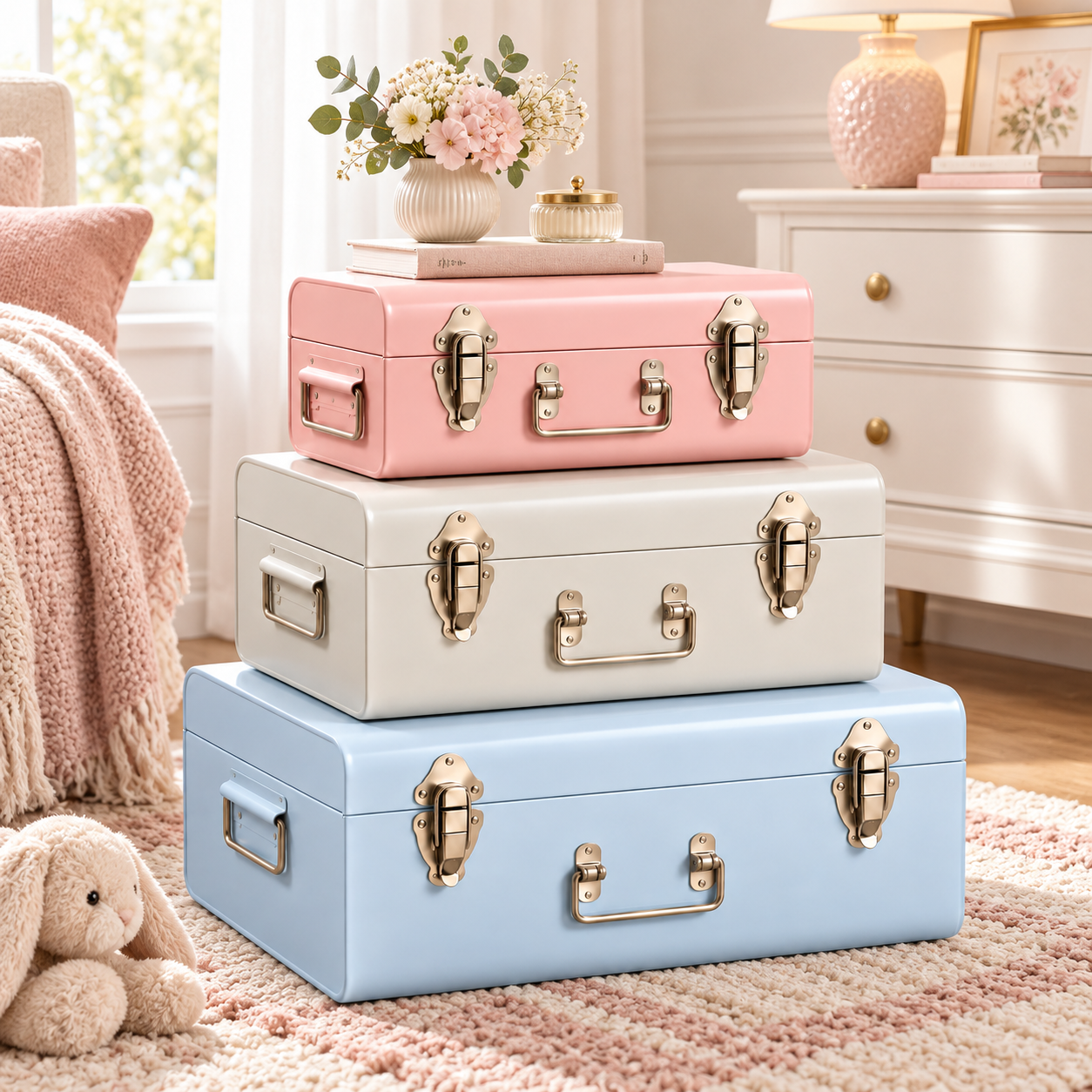
A storage trunk may be surrounded by accessories that make it appear smaller or more proportionate.
These arrangements help products attract attention.
However, they can also make it difficult to judge actual dimensions.
A full-length mirror may look perfectly balanced in a spacious booth but appear oversized in a compact apartment.
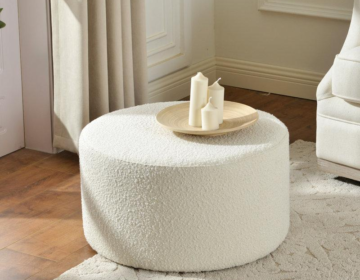
A small accent stool may look substantial when placed beside a low table but seem too small in a larger living room.
A decorative storage chest may appear generous in photographs while offering limited usable interior space.
Buyers should therefore record actual dimensions rather than estimating size from photographs.
A useful practice is to compare the product against familiar objects, check its front and side views, and consider the intended retail environment.
The question should not simply be whether the product looks good on the stand.
It should be whether its proportions work in the customer’s space.
3. The Background Can Make an Average Product Look Exceptional
There is another reason exhibition products can be misleading: the surrounding display.
A well-designed booth may combine furniture, lighting, flooring, decorative objects and carefully selected colour combinations.
The products benefit from the entire arrangement.
A mirror may look more luxurious because of the console beneath it.
A simple stool may appear more distinctive because it is displayed alongside complementary furniture.
A decorative object may look more expensive because it is placed within a carefully styled collection.
This is not necessarily bad merchandising.
In fact, it is exactly what a good display should achieve.
But buyers need to distinguish between two things:
- The value of the individual product.
- The visual value created by the entire display.
A product should still make sense when separated from the exhibition arrangement.
Can it work with different furniture? Does it have a recognizable design identity? Is its material quality strong enough to justify the intended retail position?
These questions are particularly important when developing collections rather than buying a single display piece.
4. The Photograph Is Not the Product
Modern sourcing discussions often begin with digital catalogues, online product pages and exhibition photographs.
These are useful tools, but they cannot communicate every physical detail.
A photograph may not show:
- The actual depth of a mirror frame.
- The texture of an upholstery fabric.
- The weight of a decorative object.
- The quality of a metal finish.
- The construction beneath a furniture surface.
- The opening mechanism of a storage product.
- The stability of a freestanding item.
This is why physical samples remain important.
Teruier’s More Than 20 Product Catalogs Backed by Physical Samples explains how product catalogues can be connected with actual samples across decorative mirrors, accent furniture, storage and tabletop accessories.
The catalogue helps buyers discover products.
The physical sample allows them to examine what the photograph cannot fully communicate.
For international buyers who cannot attend an exhibition, this distinction is equally important. A sample request should be part of the evaluation process when appearance, materials or construction have a significant influence on the purchasing decision.
5. Why Buyers Should Take a Second Look at Mixed-Material Products
Mixed-material products deserve particular attention.
A decorative mirror may combine glass, metal, wood or stone.
An upholstered stool may combine fabric, foam, metal and timber.
A decorative storage chest may use a structural frame, exterior covering and several metal fittings.
Each material behaves differently.
A product may look coordinated in a carefully controlled display but reveal inconsistencies when examined more closely.
For example:
Metal and Wood
Do the two finishes complement each other? Is the metal colour consistent across different components?
Stone and Metal
Are the surface variations intentional? Does the metal frame provide the appropriate visual balance?
Fabric and Frame
Does the upholstery texture work with the frame finish? Are seams and edges properly finished?
Glass and Decorative Frames
Does the frame obscure too much of the usable mirror area? Are the edges and rear construction properly finished?
Teruier’s Natural Marble Mirror Collection provides an example of why material selection and product structure need to be considered together.
A natural-material product should not be evaluated only by its appearance under exhibition lighting. Its material character, dimensions, construction and finish need to work as a complete product.
6. A Trade Fair Meeting Should Produce More Than a Beautiful Photograph
There is a familiar problem at international exhibitions.
Buyers visit several booths, take dozens of photographs, collect catalogues and exchange business cards.
By the end of the day, they may have a large collection of interesting products but very little information about what should happen next.
A productive meeting should establish a few specific points.
Product Identification
Record the correct model number, product photograph and supplier reference.
Intended Application
Clarify whether the product is intended for retail, e-commerce, hospitality or a particular interior project.
Specifications
Request the dimensions, materials, finishes and relevant functional details.
Development Requirements
Identify whether the product is available as shown or requires a change in size, material or finish.
Commercial Information
Discuss indicative MOQ, quotation requirements, sample costs and expected lead times.
Next Action
Agree whether the next step is a catalogue review, sample request, revised drawing or formal quotation.
Teruier’s Canton Fair Buyer Meetings: Supplier Evaluation Guide explains how buyers can turn exhibition conversations into a more structured supplier shortlist.
The important point is that a trade fair meeting should reduce uncertainty, not simply create excitement.
7. Don’t Confuse a Product Sample With a Finished Purchasing Decision
Even after a buyer likes a physical sample, several questions remain.
Is the sample the final approved version?
Are the materials and finishes clearly identified?
Can the supplier reproduce the same product consistently?
Does the packaging protect the item during international transportation?
Can the product be reordered later?
These are different questions from whether the product looks attractive.
Teruier’s The Sample Was Approved. What Exactly Did You Approve? discusses an important issue in home furnishings sourcing: approving a physical sample should also establish a clear product specification.
This is especially important when buyers request changes after the exhibition.
A revised frame finish, different upholstery or adjusted dimensions may affect other parts of the product.
The buyer should understand what has changed and which version is being approved.
A beautiful sample is a starting point.
A defined, reproducible product is what makes a reliable purchase possible.
8. The Five Checks Buyers Should Make Before Leaving a Trade Fair
Before adding a product to a serious purchasing shortlist, take five steps.
1. Check the Product Under Different Lighting
Look at important colours and finishes under the exhibition lighting and, where possible, natural or neutral lighting.
2. Record Actual Dimensions
Do not rely on visual estimates. Record width, depth, height and other important measurements.
3. Examine Materials and Construction
Look at edges, joints, hardware, upholstery, rear structures and other details that may be hidden in display photographs.
4. Request a Physical Sample Where Necessary
For products with distinctive finishes, complicated construction or high visual importance, sample review can reduce uncertainty.
5. Confirm the Next Commercial Step
A useful meeting should end with a defined action, responsible contact and the information required for further evaluation.
These five checks do not guarantee that every purchase will be successful.
They do help buyers avoid making decisions based entirely on the atmosphere of an exhibition booth.
9. What Should Suppliers Do Differently?
This issue is not only the buyer’s responsibility.
Suppliers also need to understand that exhibition presentation creates expectations.
If a product looks different under ordinary lighting, buyers should be able to understand why.
If a finish has natural variation, that should be explained.
If a displayed product is a development sample rather than an approved production version, the distinction should be clear.
Suppliers can also make the buying process easier by providing:
- Accurate product photographs.
- Front, side and detail views.
- Confirmed product dimensions.
- Material and finish references.
- Physical samples where appropriate.
- Clear information about customization.
- Relevant packaging and production details.
Teruier’s From Three Fair Samples to a Coordinated Home Décor Collection demonstrates how exhibition samples can become the starting point for a more structured product assortment, with attention to design consistency, SKU roles, specifications and packaging.
The objective is not to make every product look perfect under every possible condition.
It is to give buyers enough accurate information to make a confident decision.
Frequently Asked Questions
Why can a product look different after a trade fair?
Exhibition lighting, display backgrounds, viewing angles and surrounding products can influence how colours, textures and proportions are perceived. A physical review under different conditions can help identify these differences.
Should buyers order products directly from trade fair samples?
Not automatically. Buyers should first confirm the product specifications, materials, finish, dimensions, commercial terms and whether the displayed sample represents the intended production version.
Why are physical samples important in home décor sourcing?
Physical samples allow buyers to examine actual materials, colours, textures, construction and proportions that photographs may not communicate accurately.
What should buyers record during a trade fair meeting?
Record the model number, product dimensions, material, finish, intended application, MOQ, sample requirements, packaging information and agreed follow-up actions.
Can exhibition lighting affect the perceived colour of furniture and mirrors?
Yes. Different light sources and lighting conditions can change the perceived appearance of colours and surface finishes. Buyers should examine important finishes under suitable alternative lighting conditions.
How can suppliers build trust after a trade fair?
By providing accurate product references, specifications, samples, clear quotations and documented changes. A useful follow-up should turn general interest into specific, verifiable product requirements.
Final Thought: Buy the Product, Not the Exhibition Experience
Trade fairs are valuable because they bring products, suppliers and buyers together.
They allow buyers to discover new designs, compare collections and examine products in person.
But the exhibition environment is temporary.
The product will eventually be placed in a retail store, an online catalogue or a customer’s home.
That is where its real quality, proportions, materials and usability will be judged.
A good trade fair display should make you interested in a product. A good sourcing process should give you reasons to buy it.
Teruier works with international home décor retailers, importers, brands and project buyers on product selection, physical samples, material coordination, specifications and wholesale sourcing.
Contact Teruier to discuss your next home décor sourcing project, request relevant product catalogues or arrange a focused product review.