A Home Furnishings Buying Guide to Controlling Product Changes Before Bulk Production
A buyer approves a beautiful sample.
The colour looks right. The proportions are balanced. The materials feel suitable for the target market.
Then bulk production begins.
The first shipment arrives, but something feels different. The metal finish is slightly warmer. The upholstery texture has changed. A mirror frame looks heavier than the approved sample.
The supplier says the product follows the original design.
The buyer says it does not look the same.
Both may believe they are right.
This is one of the most overlooked issues in B2B home furnishings sourcing: sample approval is not simply approval of a product’s appearance. It is approval of a defined product version.
For retailers, importers and home décor brands, understanding this difference can prevent unnecessary disputes, protect product consistency and make future reorders easier.
1. A Sample Is More Than a Physical Product
A physical sample gives buyers something that photographs cannot fully communicate.
They can examine:
- Actual colour and surface finish.
- Material texture and construction.
- Dimensions and proportions.
- Hardware and decorative details.
- Opening, closing or functional performance.
- Overall product appearance under different lighting.
However, a sample alone does not record every production requirement.
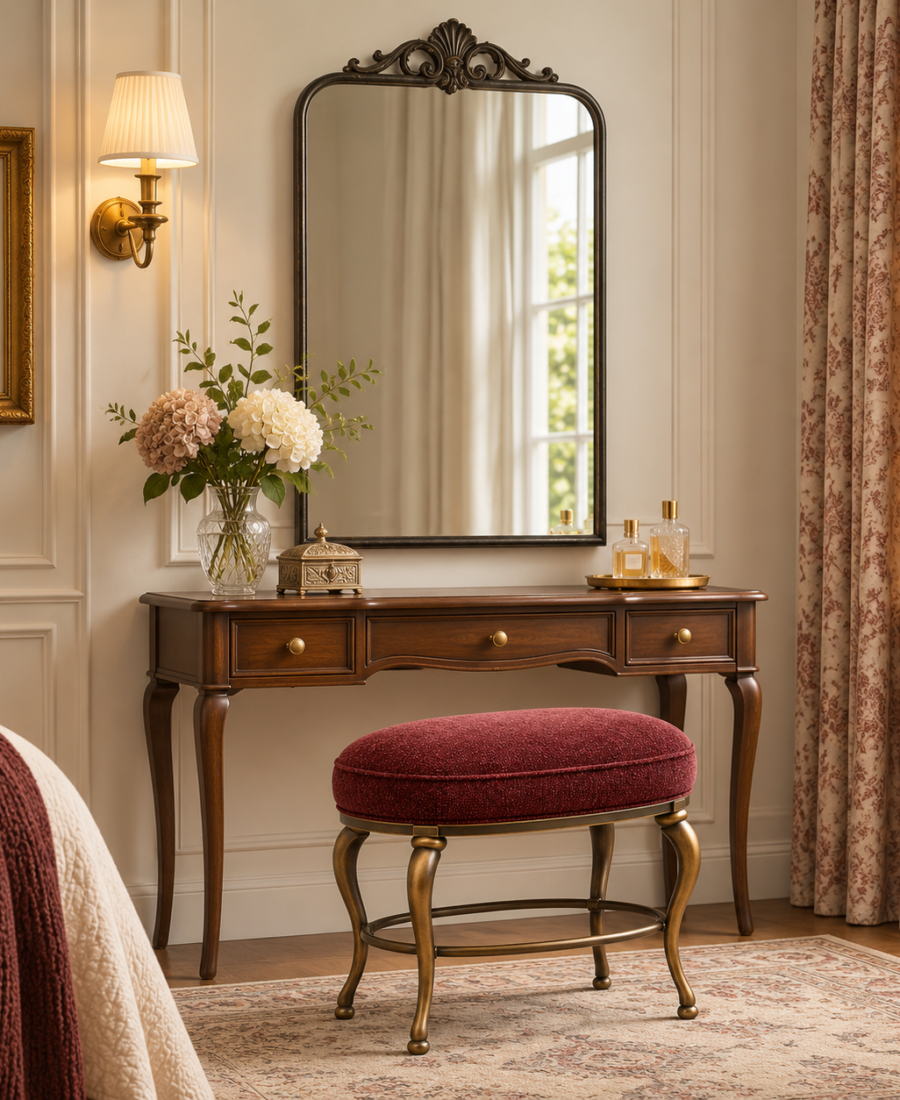
Consider a decorative mirror.
The buyer may approve its frame colour and overall appearance, but what about the frame material, glass thickness, mounting arrangement, rear structure and protective packaging?
These details need separate confirmation.
The same applies to upholstered stools, decorative storage trunks, metal accessories and tabletop products.
A photograph communicates appearance. A specification communicates what must be reproduced.
2. The Four Things Buyers Should Lock Before Approval
A useful sample approval process should establish four basic reference points.
A. Design and Dimensions
Record the approved product drawing, overall dimensions, proportions and important structural details.
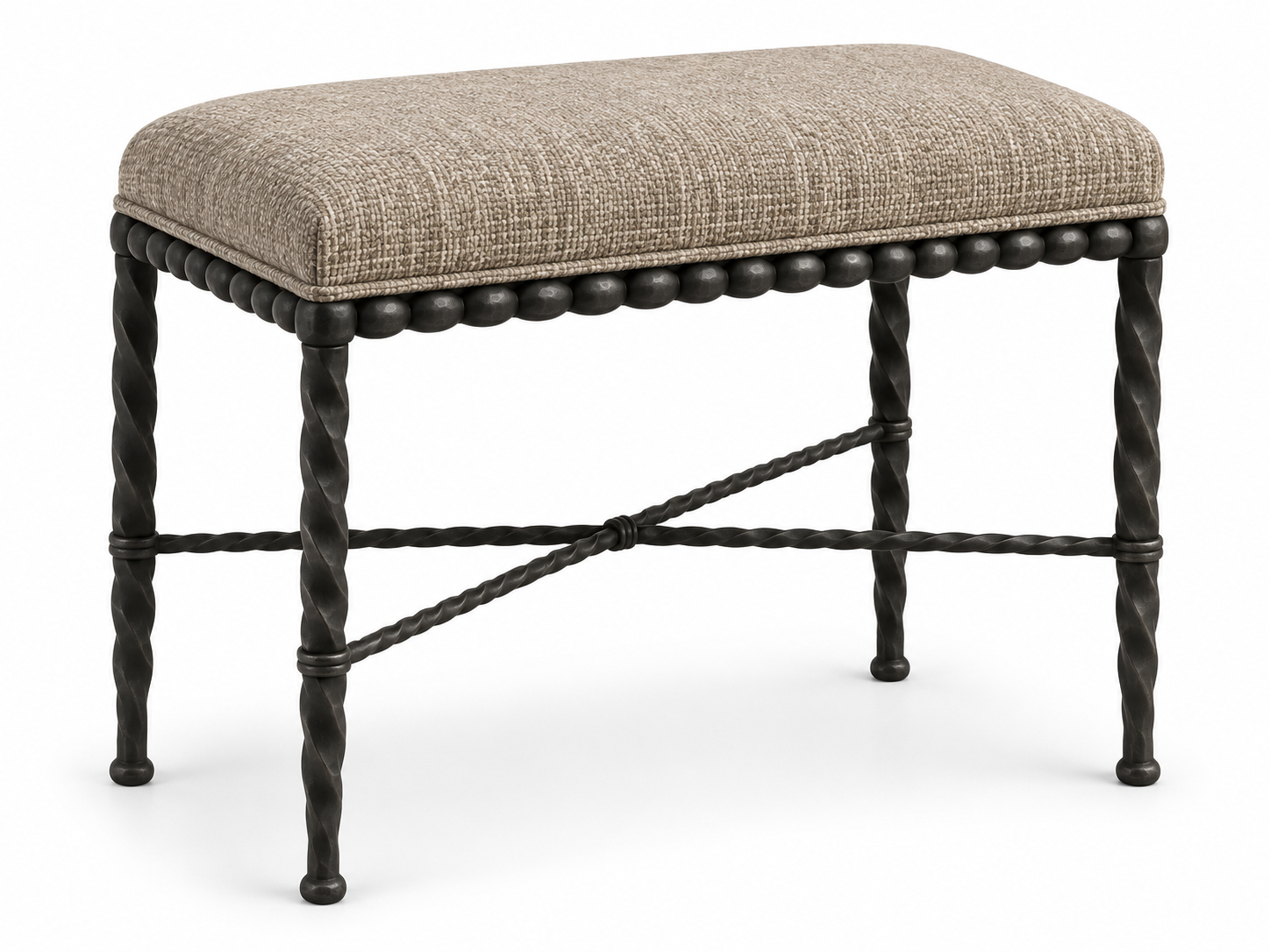
For example, changing a stool’s seat height by only a few centimetres can affect its intended use and relationship with surrounding furniture.
B. Materials and Finishes
Identify the agreed materials, colour references, surface treatments, upholstery and hardware.
Words such as antique gold, brushed brass or walnut tone are useful descriptions, but they are not precise production references on their own.
C. Functional Details
Confirm which components are functional and which are decorative.
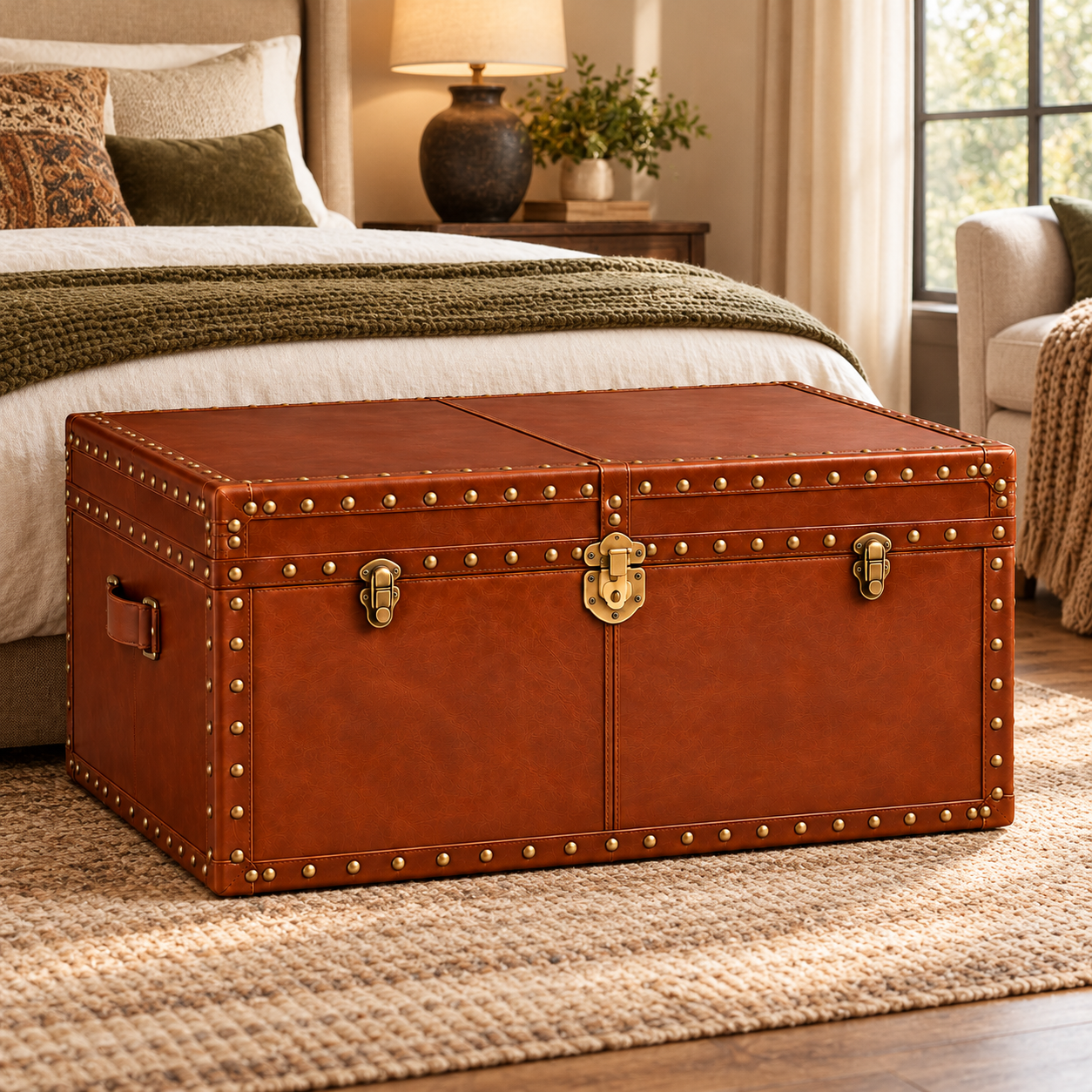
A decorative trunk may have metal clasps, but that does not automatically mean it has a functional locking mechanism.
A storage bench may look suitable for seating, but its load-bearing performance must be separately established.
D. Packaging and Protection
The approved product must also have a defined packing requirement.
Mirrors require attention to glass protection, edge protection and carton construction.
Upholstered products require protection against surface damage, compression and handling marks.
Packaging should be reviewed as part of the product specification, not left until the shipment is ready.
3. Why Small Changes Can Create Big Problems
Not every design change is a problem.
In fact, some changes improve the product.
The problem is making changes without recording their consequences.
Consider these examples:
| Proposed change | What else needs reviewing? |
|---|---|
| Change mirror frame finish | Colour reference, coating process, consistency |
| Reduce storage trunk size | Internal capacity, hardware position, carton size |
| Change stool upholstery | Texture, colour, attachment and cleaning requirements |
| Replace decorative metal fittings | Appearance, dimensions and fixing method |
| Adjust a serving stand structure | Stability, assembly and load requirements |
A smaller product does not always mean a cheaper product.
A different finish does not always mean an equivalent finish.
A new material may require a different manufacturing process.
The buyer and supplier should therefore distinguish between an approved specification and a proposed revision.
4. A Simple Sample-to-Production Control System
For a professional buying team, the following process provides a practical starting point.
Stage 1 — Initial Sample
The supplier develops a sample based on the buyer’s brief, reference images and agreed specifications.
Stage 2 — Buyer Review
The buyer checks dimensions, materials, finishes, appearance and functional details.
Any requested modifications are recorded rather than handled only through informal messages.
Stage 3 — Revised Sample
The supplier makes the agreed changes.
The revised sample should be reviewed against the original requirements, with particular attention to the areas that changed.
Stage 4 — Final Approval
The buyer identifies the final approved sample and its corresponding specification revision.
For example:
Product: Decorative Mirror
Model: TM-001
Sample Revision: R02
Finish: Approved Reference A
Dimensions: Confirmed Drawing R02
Approval Status: Final Sample Approved
The example above is an illustrative record, not an existing Teruier customer approval.
Stage 5 — Bulk Production Reference
Production should follow the approved sample and its associated specifications.
Any subsequent material, structural or finish change should be reviewed and approved before it is introduced into the production batch.
This creates a traceable reference for both parties.
5. The Approved Sample Should Become a Reorder Reference
Many buyers focus on getting the first order right.
Experienced buyers also consider what happens six months later.
The original buyer may have left the company. The supplier may have changed a material source. A new production team may receive the reorder.
Without a reliable reference, the second order can gradually become a different product.
For repeat purchasing, buyers should retain:
- Final approved sample photographs.
- Confirmed product specifications.
- Material and colour references.
- Approved drawings and revision numbers.
- Important functional requirements.
- Packaging references.
- Production and inspection records.
This information becomes particularly useful when a successful SKU is reordered, extended into additional sizes or adapted for another retail channel.
The objective is not to prevent all product development. It is to ensure that changes are intentional rather than accidental.
6. How Teruier Connects Design Approval With Manufacturing Coordination
At Teruier, product development is approached as a process connecting buyer requirements, design decisions and manufacturing feasibility.
A buyer may begin with an existing product, a reference image or a broader collection direction.
The development discussion can then move through:
- Product definition and design direction.
- Material and finish selection.
- Dimensions and structural review.
- Sample development and evaluation.
- Specification confirmation.
- Manufacturing coordination.
- Packaging and delivery preparation.
Teruier works with design and manufacturing resources in Fuzhou–Minhou, China, supporting international buyers across decorative mirrors, furniture accents, storage products and tabletop décor.
The purpose is to help translate a visual idea into a product that has clearly defined requirements before bulk purchasing.
For a multi-category collection, this discipline becomes even more important. A mirror, an upholstered stool and a decorative storage trunk do not share the same manufacturing or inspection requirements.
Each product needs its own appropriate reference and controls.
7. Five Questions to Ask Before Signing Off a Sample
Before confirming a final sample, buyers should ask:
- Does the approved sample correspond to the latest drawing and specifications?
- Are the materials, colours and finishes clearly identified?
- Have all requested design changes been incorporated?
- Are the functional and packaging requirements documented?
- Can the supplier use this approved version as the reference for bulk production and future reorders?
If these questions cannot be answered clearly, the product may not yet be ready for final approval.
Frequently Asked Questions
Q1: Is a signed sample approval enough to start bulk production?
Not necessarily. The approved sample should be supported by the corresponding specifications, drawings, material references and agreed packaging requirements.
Q2: Can a supplier change materials after sample approval?
Material changes should be communicated and reviewed before implementation. Any change affecting the agreed product specification should receive the buyer’s approval.
Q3: Should buyers keep the approved physical sample?
Yes, where practical. Retaining an approved reference sample provides a useful basis for future production comparisons and quality discussions.
Q4: What happens when a product needs improvement after approval?
The proposed revision should be documented, evaluated and approved before it becomes part of the production specification.
Q5: Why is sample revision control important for wholesale buyers?
It helps maintain product consistency across production batches, reduces misunderstandings and supports more reliable repeat purchasing.
Final Thought: Approval Should Create Certainty, Not Confusion
A successful sample approval is not the end of product development.
It is the point where a design becomes a defined commercial product.
For home furnishings buyers, the difference between a good first order and a reliable long-term product programme often lies in how well those details are recorded and controlled.
At Teruier, we believe good sourcing should connect design, specifications, sampling and manufacturing coordination.
Because approving a beautiful sample is easy.
Making sure the next 500 pieces follow the same approved direction is the real work.
Planning a new home furnishings collection?
Contact Teruier to discuss product development, sample requirements, specifications and wholesale sourcing opportunities.