
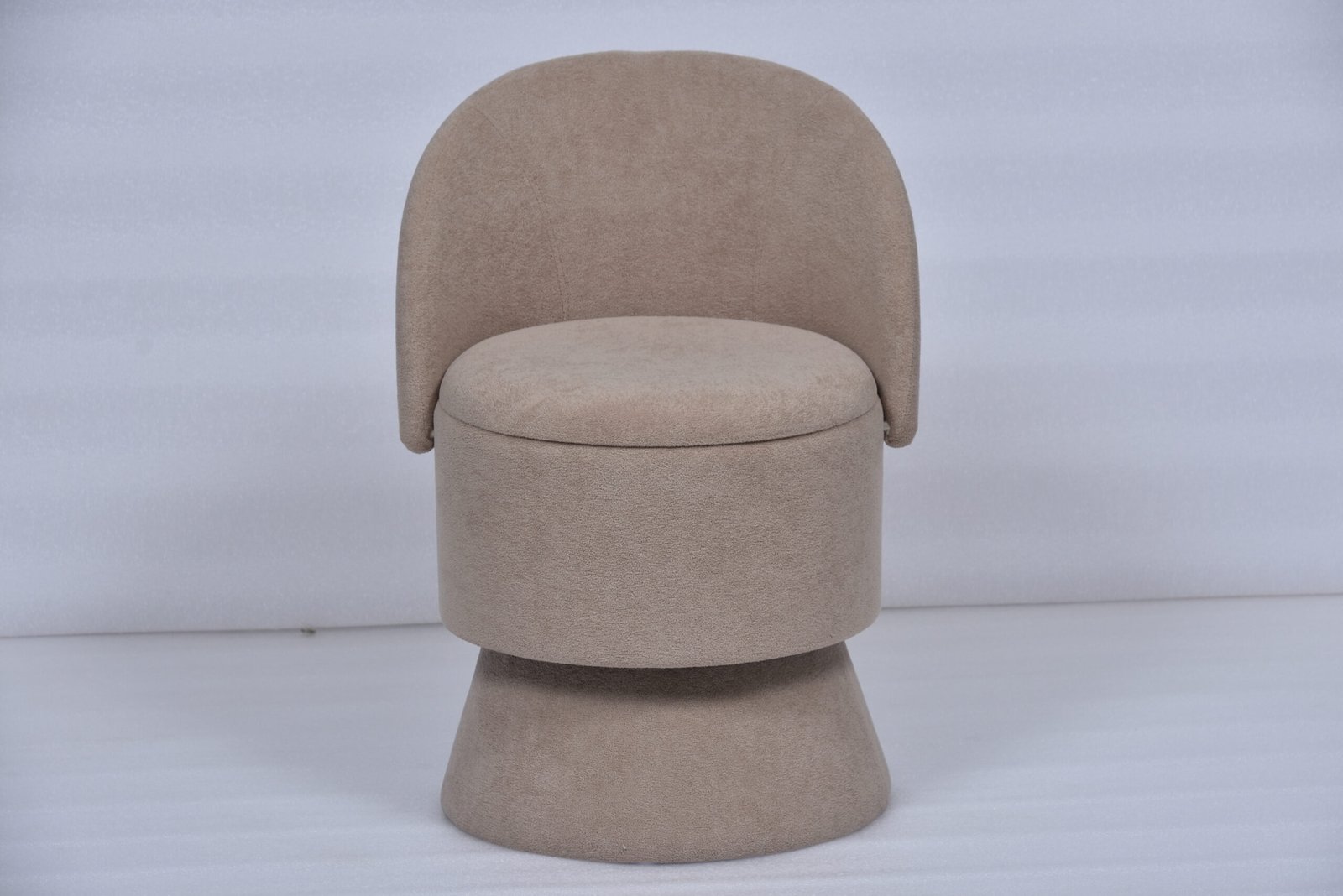
Toronto’s Small Entryways Create Big Winners: The Shoe Storage Ottoman That Earns Its Floor Space
Toronto winters are honest. Slush, salt, soaked boots, and that one narrow entryway where everyone drops everything. As a Canadian shopping-centre buyer, I don’t need “another cute bench.” I need a Toronto shoe storage ottoman that solves a daily mess, looks warm in a condo, and doesn’t come back as a return after two weeks.
Here’s the sourcing reality: small homes don’t buy fewer pieces—small homes buy smarter pieces. And one of the smartest is a storage ottoman that can sit, hide, and survive winter.
Toronto is basically a “multi-function furniture” city
If you’re merchandising for the GTA, you’re merchandising for compact layouts. Ontario property data shows new condo apartments sold in Q2 2025 had a median size of 628 sq ft—the smallest among property types.
That’s why “entryway furniture” is no longer a niche category. In Toronto, it’s a daily-use system: sit to lace boots, stash shoes, hide clutter, keep the walkway clear.
Clutter isn’t just ugly—it’s cognitive load (and buyers feel it)
The psychology is not fluff. The American Psychological Association has discussed how clutter ties into procrastination, stress, and decision overload—especially when people feel they “should” fix it but can’t keep up.
Research on home environments also links physical disorder (including crowding and clutter) with stress-related impacts.
Translation for merchandising: a good shoe storage ottoman doesn’t sell as “furniture.” It sells as relief—and relief is repeatable demand.
What U.S. markets are signalling right now (and why Canada should care)
Even if you’re buying for Canada, your trend signal often shows up first at big U.S. markets—because brands test silhouettes, upholstery stories, and “new normals” there.
Performance fabrics are no longer plain and boring—they’re getting pattern, texture, and design credibility (meaning you can put them in high-traffic spots without looking utilitarian).
High Point-style trend coverage keeps circling back to tactile textures (bouclé, tweed, plush) because shoppers want comfort they can feel—not just see.
Winter 2026 market reporting emphasised selective buying and uncertainty (tariffs, cost pressure), which pushes retailers toward fewer, higher-confidence SKUs that “do more than one job.”
So the winning Toronto story is clear: soft texture + hard utility (cleanable, durable, space-efficient).
The Toronto shoe storage ottoman spec that actually works in winter
If I’m putting a Toronto shoe storage ottoman into a Canadian assortment, my “pass/fail” list looks like this:
Seat height & comfort: if it’s too low, customers won’t use it for boots. Aim for a real sit, not a decorative perch.
Storage that fits real life: adults’ winter boots aren’t ballet flats. Depth and opening angle matter.
Easy-clean upholstery: salt stains happen. Performance fabric or easy-wipe materials should be an option (and look good doing it).
Stable base + floor protection: condos, rentals, laminate—wobble and scratching are instant bad reviews.
Packaging discipline: this category gets punished by dented corners and crushed lids in transit—your packaging is part of product design.
If you want fewer returns, don’t “add storage.” Engineer the use case: wet boots, narrow hallways, fast mornings.
How a Product curation lead turns one ottoman into a sell-through program
Here’s where the assortment strategy matters. A storage ottoman isn’t only an entryway play—it can anchor a “small-space seating” capsule that lifts basket size.
As a Product curation lead, I’ll often pair it with seating stories that share upholstery and comfort cues:
A dining refresh built around commercial upholstered dining chairs that look residential but feel durable.
A vendor relationship that acts like a contract seating supplier—someone who can keep fabric continuity, packaging standards, and lead times predictable across categories.
Price-tier ladders using wholesale upholstered chairs so the ottoman doesn’t sit alone as a “random storage item,” but as part of a cohesive comfort story.
For larger projects (multi-family staging, student housing, hospitality corridors), the same family can expand into commercial dining chairs to win B2B orders beyond pure retail.
This is how you protect your floor space: the ottoman becomes the gateway SKU that makes your seating wall feel purposeful, not cluttered.
Supplier questions that separate “pretty” from “profitable”
Before I sign off, I ask things that sound boring—but they decide margins:
What’s your QC checkpoint list on hinges, lid alignment, and upholstery tension?
Can you provide packaging drop-test logic (or at least packaging spec discipline) that matches long-distance shipping reality?
How fast can you do samples, and do you control the material pipeline—fabric, wood, foam—without last-minute substitutions?
If those answers are vague, the product will look fine in photos and fail in operations.
Where Teruier fits (the part buyers actually care about)
Teruier’s advantage isn’t “we can make it.” It’s how we reduce buyer risk while keeping the product trend-right:
Our “Cross-border design and manufacturing collaborative model” means we translate North American retail needs into factory-executable specs (comfort, packaging, lead time, compliance), not just aesthetics.
We’re rooted in the Fuzhou craft hub —with the three supply chains that matter in home goods: craftspeople, materials, and craftsmanship processes—so details like upholstery finishing and structural consistency don’t drift between batches.
For categories like seating + storage, this consistency is the difference between “one good shipment” and “a reorder program.”
If you’re building a Canadian assortment that has to perform through winter, that’s what you’re really buying: repeatability.



