
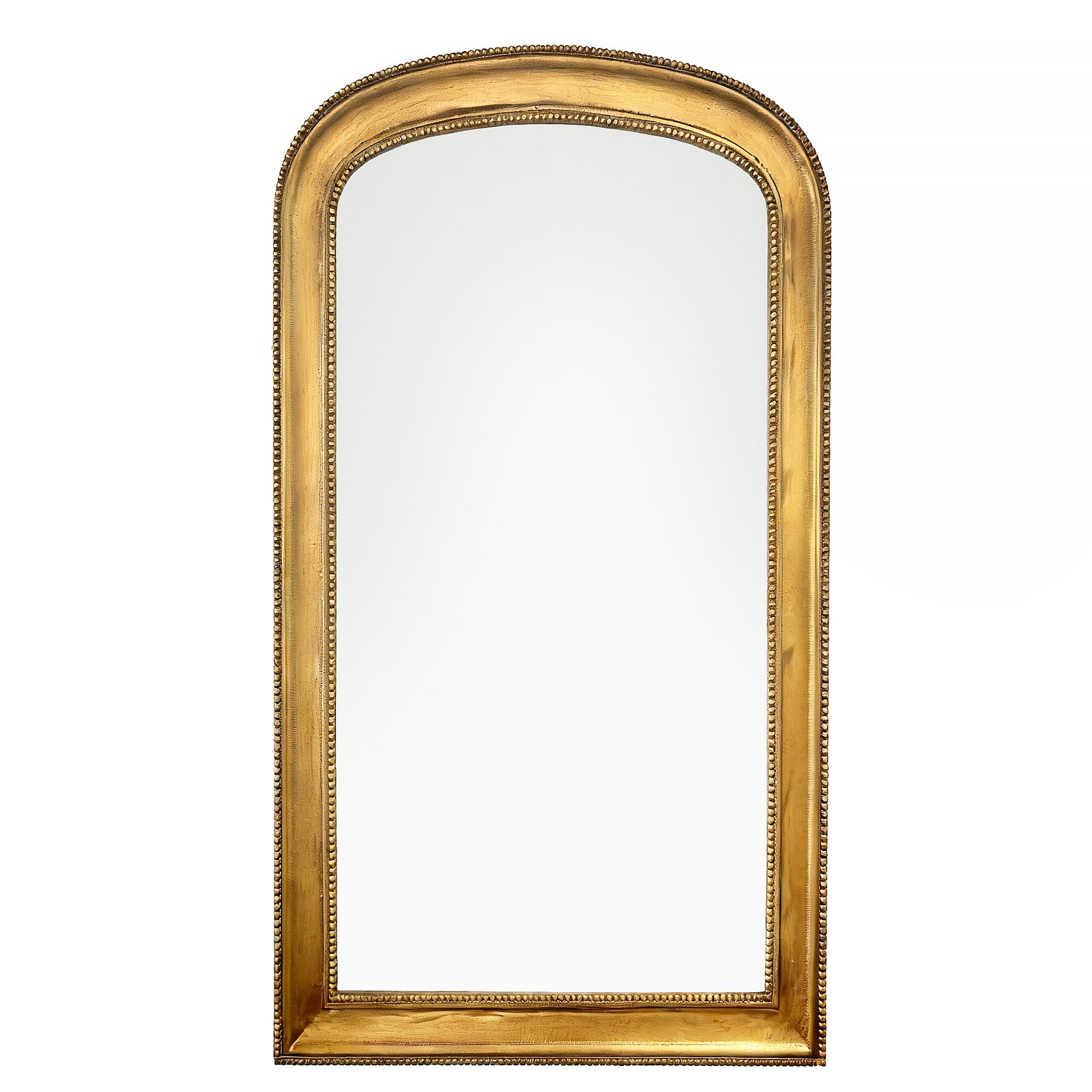
A good first order is nice. A stable reorder is where the money is.
Every home décor buyer has seen this film before.
The first sample looks good.
The mirror finish is clean.
The ceramic glaze feels tasteful.
The ottoman fabric matches the mood board.
The supplier replies quickly, everyone feels optimistic, and somebody says: “This could become a programme.”
Then the reorder comes.
The brass is suddenly too yellow.
The black mirror frame has a different sheen.
The ceramic finish looks colder.
The carton is slightly changed.
The documents are not updated.
The delivery is split, but nobody explained the split properly.
And now the buyer is no longer buying home décor. The buyer is managing a small international crime scene with invoices.
This is why German buyers should judge a supplier not only by the first order, but by reorder stability.
A reorder stability manufacturer is not just a factory that can produce attractive products. It is a supplier that can repeat the product, control the finish, manage documentation, protect the packaging, and support delivery planning without turning every reorder into a guessing game.
What is a reorder stability manufacturer?
A reorder stability manufacturer is a supplier that can repeat an approved product across multiple batches with consistent quality, material, finish, packaging, documentation, and delivery performance.
In plain buyer language:
It is the supplier that does not make you nervous when you order the same thing again.
For mirrors, ottomans, ceramics, and small home décor items, reorder stability usually means control over:
- product dimensions
- frame finish
- glass quality
- ceramic glaze range
- fabric texture
- packaging structure
- carton size and gross weight
- material availability
- QC checkpoints
- compliance documents for importers
- delivery schedule
- phased shipment planning
- replacement or correction process
A supplier who can make one good sample is useful.
A supplier who can repeat a good product is valuable.
The difference is not poetic. It is commercial.
Why German buyers care about repeat quality
German buyers are usually not buying one cute item for one cute shelf. They are building assortments, retail ranges, project packages, and long-term supplier relationships.
That means the product must survive more than the sample room.
It must survive:
- purchasing review
- internal product notes
- importer documentation
- warehouse handling
- showroom presentation
- customer use
- reorder planning
- future colour or finish extensions
- complaints, returns, and replacement logic
A decorative mirror with a beautiful first batch but unstable finish is not a stable product.
A ceramic item that changes glaze too much between orders is not “artisanal”. It is annoying.
An ottoman fabric that cannot be repeated is not a programme. It is a one-time romance with logistics consequences.
Compliance documents for importers are not optional decoration
Nobody in the home décor industry wakes up excited about paperwork.
No one says, “Wonderful, let us discuss compliance documents over coffee.”
But for German importers, compliance documents for importers are part of the product. Not an afterthought. Not a PDF treasure hunt. Not something the supplier “will send later”, which often means “please begin worrying now”.
Depending on the product category, buyers may need:
- product specification sheets
- material declarations
- packaging details
- carton markings
- care instructions
- supplier declarations
- safety-related documents
- test reports where required
- glass and mirror packaging notes
- fabric composition information
- finish and coating information
- installation notes for mirrors
- electrical details for LED mirrors
The point is simple: if the documents are unclear, the product is not fully ready.
A mirror without clear packaging specs is risky.
An LED mirror without clear technical notes is worse.
A ceramic item without finish tolerance is a future argument.
An ottoman without material notes is a reorder problem waiting politely in the corner.
Cohesive home decor materials and finishes protect reorder value
A strong home décor range is not just a pile of nice objects.
It needs cohesive home decor materials and finishes.
That means the mirror frame, ottoman fabric, ceramic glaze, tray finish, wood tone, and metal detail should all feel like they belong in the same commercial world.
For German buyers, this matters because products are rarely sold in isolation. A customer may compare a wall mirror with a console table, a ceramic vase, a storage ottoman, and a decorative tray in the same room.
If the finishes fight, the room looks confused.
And confused rooms do not sell well.
A cohesive finish system might include:
| Material Family | Safe Buyer Direction | Reorder Risk to Control |
|---|---|---|
| Mirror frames | soft black, brushed brass, warm nickel, champagne | colour shift, scratches, batch inconsistency |
| Ottoman fabrics | taupe woven, cream bouclé, linen-look neutral | fabric source change, pile variation, handfeel difference |
| Ceramics | matte beige, warm white, muted terracotta, soft green glaze | firing variation, glaze tone shift |
| Wood finishes | natural oak, walnut-look, reeded wood | colour variation, surface roughness |
| Metal details | brushed brass, black, bronze, chrome | coating quality, polish level, fingerprint visibility |
The mistake is choosing every product individually.
A mirror looks good.
An ottoman looks good.
A vase looks good.
A tray looks good.
Then they arrive together and look like four departments stopped speaking to each other.
A reorder stability manufacturer should help buyers keep the material story consistent, not just quote separate items.
Mirror finish coordination: small difference, big retail problem
For wholesale decorative mirrors, finish coordination is one of the most important QC topics.
A mirror frame is highly visible. It catches light, sits at eye level, and often becomes the visual anchor of a hallway, bedroom, or living room.
That means small finish changes become obvious.
German buyers should check:
- Does brushed brass stay brushed, or become shiny?
- Does champagne gold turn too yellow?
- Does black look soft and modern, or cheap and flat?
- Does chrome show scratches too easily?
- Does the finish match other home décor items in the range?
- Is the same finish available for future reorders?
- Is there an approved finish standard or only a sample photo?
Mirror finish coordination is especially important when mirrors are sold with other products:
- black metal mirror + black leg ottoman
- brushed brass mirror + brass tray handles
- reeded wood mirror + natural ceramic vase
- chrome mirror + modern compact furniture
- champagne mirror + soft neutral bedroom range
A mirror frame should not behave like a diva.
It should support the room story.
If the finish changes every order, the buyer is not managing a product range. The buyer is hosting a metal-colour guessing show.
Wholesale home decor materials: do not buy materials one product at a time
For wholesale home decor materials, German buyers should think in systems.
Instead of asking only, “Can you make this mirror?” or “Can you make this ottoman?”, buyers should ask:
- Which finishes can be repeated?
- Which fabrics are stable for reorder?
- Which ceramic glazes have predictable variation?
- Which frame colours work across multiple product families?
- Which materials are safe for packaging and shipping?
- Which options create a better margin ladder?
- Which materials are risky for long-term programmes?
This avoids the classic problem: the first assortment looks interesting, but the reorder becomes impossible because each SKU depends on a fragile, one-off material.
A wholesale material system should include:
| Material Area | What Buyers Should Confirm |
|---|---|
| Fabric | source, colour reference, handfeel, batch availability |
| Metal finish | coating method, colour tolerance, scratch risk |
| Mirror glass | thickness, reflection quality, edge quality |
| Ceramic glaze | approved colour range, surface tolerance |
| Wood finish | tone, grain, coating, repeatability |
| Packaging material | inner protection, carton strength, export suitability |
A product is only as stable as the weakest material in it.
Unfortunately, weak materials rarely announce themselves. They just create problems later, like very quiet villains.
Wholesale decorative mirrors: the reorder traps German buyers should avoid
Decorative mirrors are commercially strong because they work across many settings:
- entryways
- bedrooms
- living rooms
- rental apartments
- boutique hotels
- design projects
- retail display zones
- small-space home solutions
But wholesale decorative mirrors come with repeat risks.
Common reorder traps include:
| Reorder Trap | What Goes Wrong | Buyer Control |
|---|---|---|
| Finish drift | frame colour changes between batches | approved finish sample and tolerance |
| Weak packaging | breakage increases in shipment | mirror packaging spec and carton test logic |
| Hardware changes | hanging system differs from sample | hardware spec confirmation |
| Glass distortion | reflection quality drops | mirror QC checkpoints |
| Shape variation | organic or wavy mirror changes too much | template and size tolerance |
| Carton changes | shipping cost or damage risk changes | carton size and gross weight check |
| Missing documents | importer cannot complete internal review | updated compliance document package |
Decorative mirrors are not difficult because they are decorative.
They are difficult because every detail is visible.
A bad internal bracket may be hidden. A bad mirror finish is standing there on the wall, reflecting judgement.
Phased delivery for fit-out projects: useful, if managed properly
For German project buyers and interior designers, phased delivery for fit-out projects can be very useful.
Not every project needs all products at once. A hotel, showroom, residential project, or retail fit-out may require staged delivery:
- first phase: mirrors and wall-mounted items
- second phase: ottomans, benches, and loose furniture
- third phase: ceramics, trays, decorative accessories
- final phase: replacement pieces or project extras
Phased delivery can help with storage, installation timing, cash flow, and site coordination.
But only if the supplier manages it clearly.
Otherwise phased delivery becomes a polite name for “things arrive randomly and everyone blames everyone else”.
German buyers should confirm:
- which SKUs ship in each phase
- carton list per phase
- product labels and markings
- installation priority
- replacement policy
- delivery date per shipment
- balance payment terms
- documentation per phase
- whether finishes are controlled across phases
- whether partial shipments affect cost
The most dangerous part of phased delivery is finish consistency.
If phase one mirrors arrive in brushed brass and phase three accessories arrive in a slightly different brass, the project looks patched together.
That is not phased delivery.
That is phased disappointment.
Teruier’s cross-border design manufacturing model: linking design, QC, documents and delivery
For this article, Teruier’s cross-border design manufacturing model is the right framework.
The idea is simple: a product should not move from design idea to factory production to shipment as three disconnected conversations.
For German buyers, the useful supplier is the one that can connect:
- Design intention
What does the buyer want the product range to look and feel like? - Material selection
Which finishes, fabrics, glazes, and frame options support that range? - Manufacturing control
Can these materials and finishes be repeated across batches? - QC checkpoints
Which product details need inspection before shipment? - Importer documents
Are product specs, packaging notes, material information, and required documents prepared clearly? - Delivery planning
Can the supplier support phased delivery for fit-out projects or reorder cycles?
This is where supplier value becomes visible.
Not in saying “yes, we can”.
Everyone can say that. It is practically the anthem of sourcing.
The real value is turning a design idea into a repeatable, documented, deliverable product system.
Comparison: ordinary supplier vs reorder stability manufacturer
| Buyer Concern | Ordinary Supplier | Reorder Stability Manufacturer |
|---|---|---|
| First sample | May look good | Should match bulk production logic |
| Finish control | Often sample-based only | Uses approved standards and tolerance |
| Materials | Product-by-product | Builds material families |
| Mirror finish coordination | May not manage across SKUs | Controls finish story across range |
| Compliance documents | Sent late or incomplete | Prepared as part of product readiness |
| Packaging | Treated as shipping detail | Treated as product protection |
| Phased delivery | Reactive | Planned with carton and SKU logic |
| Reorder | “Same as last time” | Checked against specs and prior issues |
| Buyer result | More risk after order | Lower risk across repeat cycles |
German buyers do not need suppliers who are only enthusiastic.
Enthusiasm is lovely. So are puppies. Neither should run a reorder programme alone.
Practical QC checklist before placing a reorder
Before confirming a reorder with a supplier, German buyers should ask:
| Area | Question |
|---|---|
| Product spec | Is the latest product specification confirmed? |
| Finish | Is the frame, fabric, glaze, or wood tone matched to the approved standard? |
| Mirror QC | Are glass, reflection, frame, back panel, and hardware checked? |
| Materials | Are the same wholesale home decor materials available? |
| Packaging | Has carton size, inner protection, or gross weight changed? |
| Documentation | Are compliance documents for importers updated? |
| Phased delivery | Are shipment phases clearly listed by SKU and carton? |
| Previous issues | Were past quality problems corrected? |
| Reorder sample | Is a pre-production or batch sample required? |
| Timeline | Is the lead time realistic for the quantity and finish? |
| Replacement plan | What happens if damage or finish mismatch occurs? |
A reorder should not be treated as “copy and paste”.
Copy and paste is for documents.
Products need checking.
FAQ
What is a reorder stability manufacturer?
A reorder stability manufacturer is a supplier that can repeat approved products with consistent quality, materials, finishes, packaging, documentation, and delivery timing across multiple orders.
Why do German buyers need compliance documents for importers?
Compliance documents help importers review product safety, material information, packaging details, specifications, care instructions, and required declarations. Without clear documents, the product may not be ready for smooth importing or internal approval.
What are cohesive home decor materials and finishes?
They are materials and finishes that work together across a product range. For example, a brushed brass mirror, neutral ottoman fabric, warm ceramic glaze, and matching metal tray detail can create a consistent home décor story.
Why is mirror finish coordination important?
Mirror frames are visually prominent. If the finish shifts between batches or does not coordinate with other products, the assortment looks inconsistent and less professional.
What should buyers check when sourcing wholesale decorative mirrors?
Buyers should check glass quality, frame finish, hardware, back panel, size tolerance, packaging, carton size, gross weight, finish repeatability, and documentation.
What are wholesale home decor materials?
Wholesale home decor materials include fabrics, metal finishes, mirror glass, ceramic glazes, wood finishes, packaging materials, and other components used across home décor products.
What is phased delivery for fit-out projects?
Phased delivery means shipping products in planned stages according to project needs. For example, mirrors may ship first, furniture second, and decorative accessories later. It helps with installation timing, storage, and project coordination.
What is the main risk in phased delivery?
The main risk is inconsistency across phases, especially in finishes, materials, carton labelling, and documentation. If not managed carefully, products from different phases may not match.
How should buyers compare suppliers for reorder quality?
They should compare finish stability, material repeatability, packaging quality, QC process, document readiness, delivery planning, communication clarity, and past reorder performance — not just unit price.
Final thought: reorder stability is not boring, it is profit protection
A first order can be lucky.
A reorder cannot rely on luck.
For German buyers, a strong reorder stability manufacturer protects the parts of the business that customers never see but buyers feel every day: finish consistency, importer documents, carton details, material stability, phased delivery, and QC discipline.
A mirror range is only useful if the finish repeats.
A ceramic story is only useful if the glaze stays within range.
An ottoman programme is only useful if the fabric remains available.
A project delivery is only useful if each phase arrives with the right products, the right documents, and the right finish logic.
Trends bring attention.
Reorder stability brings business.
And business, unlike a dramatic sample, has to work more than once.



