
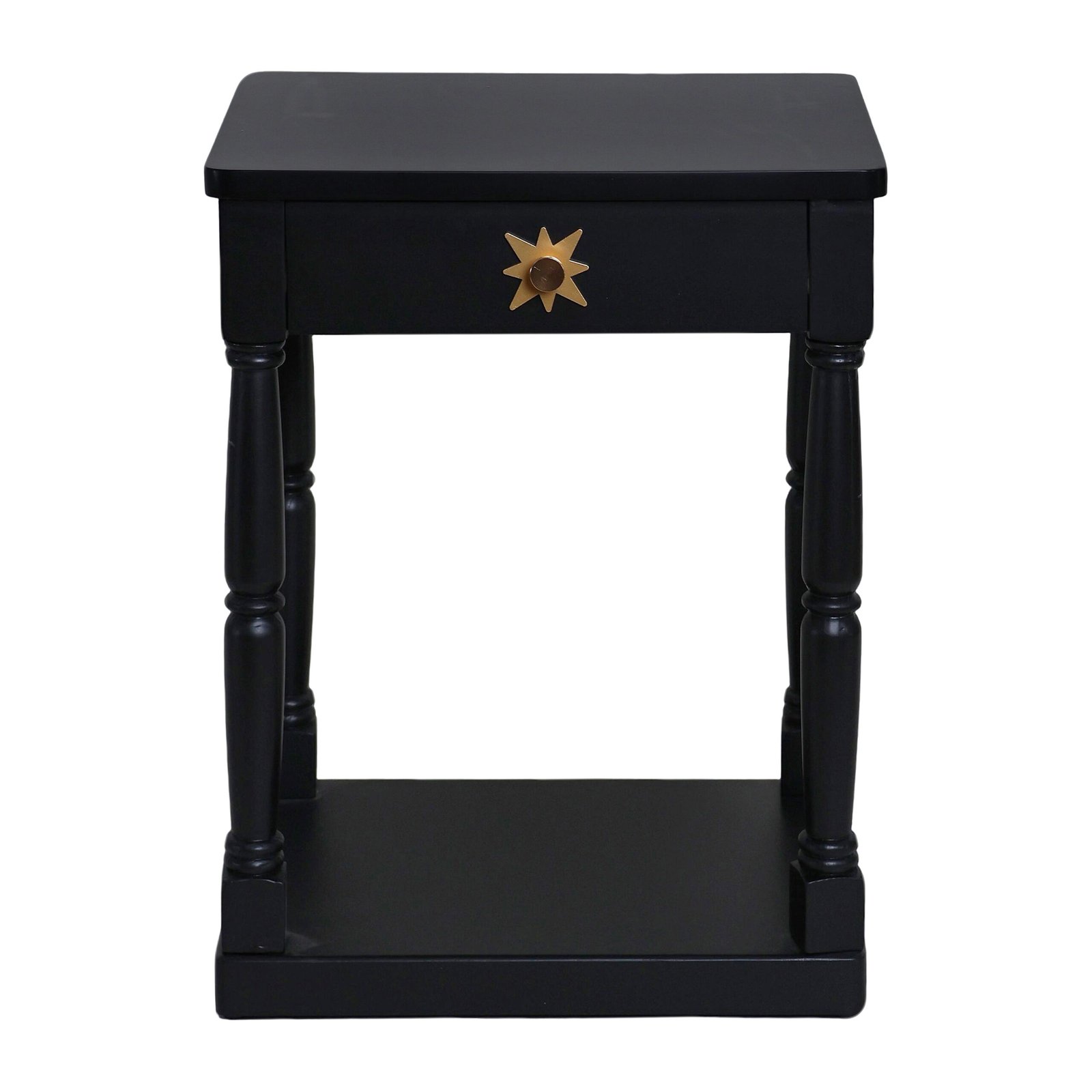
Customisation sounds wonderful. Until someone has to repeat it.
Customisation is one of those words that makes a product meeting feel more intelligent.
Related homepage: https://driveragentplus.com/
Custom size.
Custom finish.
Custom fabric.
Custom mirror frame.
Custom ottoman height.
Custom glaze.
Custom packaging.
Lovely.
Then the second order arrives, and nobody remembers which finish was approved, which fabric batch was used, whether the mirror size changed the carton, or why the “small adjustment” added three weeks to the schedule.
For German buyers, interior designers, and home décor merchants, the real issue is not whether a supplier can customise.
Most suppliers can say yes. It is a very affordable word.
The real issue is whether the supplier can customise, document, produce, ship, and reorder the same product without turning the project into a polite disaster.
That is where a reorder stability manufacturer becomes important.
What is a reorder stability manufacturer?
A reorder stability manufacturer is a supplier that can repeat an approved product across multiple production batches with controlled quality, materials, finishes, packaging, documentation, and delivery timing.
In simpler buyer language:
It is the supplier that can make the second order feel boring.
And in sourcing, boring is often excellent.
A reorder stability manufacturer should be able to control:
- product size
- approved finish
- fabric texture
- mirror frame colour
- ceramic glaze range
- carton size
- gross weight
- packaging structure
- QC checkpoints
- lead time
- specification sheets
- material availability
- reorder notes
For mirrors, ottomans, ceramics, small benches, and decorative storage, this matters because many product failures are not dramatic at first. They begin as “small differences”.
The brass is slightly warmer.
The fabric is slightly flatter.
The carton is slightly weaker.
The mirror is slightly heavier.
The glaze is slightly different.
Then the customer is not slightly annoyed.
Why interior designers need a spec-ready supplier
Interior designers often see product potential faster than retailers.
They look at a mirror and think: better finish.
They look at an ottoman and think: better fabric.
They look at a ceramic piece and think: warmer glaze.
They look at a small bench and think: shorter, softer, more useful for this project.
That is valuable.
But design imagination needs supplier discipline.
A spec-ready supplier for interior designers should not only accept custom requests. It should help turn them into clear production decisions.
That means the supplier can provide:
- product dimensions
- material references
- finish options
- colour tolerance
- MOQ logic
- lead time
- packing method
- carton size
- gross weight
- sample approval notes
- reorder standard
- product care notes
- project delivery information
Without this, customisation becomes a guessing game with nice fabric swatches.
And German buyers generally prefer games with rules.
Custom size vs custom finish: the decision that decides the risk
Many custom requests start with size.
“Can we make it 10 cm narrower?”
“Can this mirror be taller?”
“Can the ottoman be lower?”
“Can the bench fit this entrance?”
Sometimes this is necessary. But buyers should not treat custom size and custom finish as equal.
They are different levels of risk.
| Buyer Question | Custom Size | Custom Finish |
|---|---|---|
| What changes? | dimensions, structure, packaging, sometimes hardware | fabric, colour, frame finish, ceramic glaze, surface treatment |
| Best for | project-specific spaces, fit-out needs, unusual room layouts | retail updates, designer palettes, seasonal ranges |
| Main risk | new carton, new tolerance, possible structure change | finish mismatch, material availability, colour repeat |
| Best examples | made-to-fit mirror, narrow bench, compact console | brushed brass mirror, textured ottoman, matte ceramic glaze |
| Reorder difficulty | usually higher | usually more manageable |
| Buyer advice | use only when the room demands it | use when the market or design story demands it |
For most German home décor buyers, custom finish is often the smarter first move.
It refreshes the product without disturbing the whole production logic.
Custom size should be used when there is a real space reason, not because someone in the meeting wanted to feel precise.
Precision is good. Unnecessary precision is expensive.
When should interior designers customize a product?
This is one of the most useful questions in home décor sourcing:
When should interior designers customize a product?
The answer is not “whenever the client asks”. That way lies madness, and possibly a very strange pouf.
Interior designers should customise when:
- the standard size genuinely does not fit the space
- the finish does not match the project palette
- the product has strong project potential for interior designers
- one adjustment can make the product usable across several projects
- the current material weakens the design intent
- the supplier can document and repeat the change
- the MOQ and lead time still make commercial sense
They should be careful when:
- the change affects structure
- packaging must be redesigned
- the quantity is small
- the finish is hard to repeat
- the request is based only on personal taste
- the product becomes difficult to explain
- the change creates no commercial advantage
A custom product should solve a real project problem.
It should not become a monument to indecision.
What interior designers should ask before requesting a custom size or finish
Before requesting customisation, German designers and buyers should ask several practical questions.
Not glamorous questions.
Useful questions.
| Question | Why It Matters |
|---|---|
| What problem does this change solve? | Avoids decorative overthinking |
| Is this for one project or future reuse? | Helps judge commercial value |
| Does custom size change the carton? | Controls shipping and damage risk |
| Does custom finish affect lead time? | Protects the project schedule |
| Can the material be repeated? | Supports reorder stability |
| What is the MOQ for this change? | Keeps the order commercially realistic |
| Is a new sample required? | Prevents approval confusion |
| What tolerance is acceptable? | Reduces arguments later |
| Will the product still be easy to explain? | Supports retail and client communication |
| Does the supplier have a written spec? | Separates professional sourcing from guessing |
This is the heart of what interior designers should ask before requesting a custom size or finish.
The goal is not to stop customisation.
The goal is to stop bad customisation.
There is a difference.
Home decor materials and finishes: where customisation usually succeeds or fails
Most small home décor customisation lives in materials and finishes.
That includes:
- ottoman fabric
- mirror frame finish
- ceramic glaze
- wood tone
- metal legs
- tray surface
- storage box texture
- bench upholstery
- basket weave
- decorative coating
Good home decor materials and finishes make a product easier to place, easier to sell, and easier to reorder.
Bad ones create beautiful samples and ugly problems.
For example:
| Product | Smart Custom Finish | Reorder Risk to Check |
|---|---|---|
| Ottoman | taupe woven fabric, cream bouclé, linen-look neutral | fabric source, pile, handfeel, colour batch |
| Mirror | brushed brass, soft black, warm nickel | finish drift, scratches, coating consistency |
| Ceramic vase | matte beige, terracotta, soft green glaze | firing variation, glaze range, surface texture |
| Small bench | neutral upholstery, black or brass legs | fabric repeat, leg finish, carton protection |
| Decorative box | ribbed texture, matte surface, warm neutral colour | lid fit, surface scratches, colour match |
A product does not become better because more options are available.
It becomes better when the right option is controlled.
Small space assortment planning: why customisation should support the range
For German buyers, customisation should not only serve one product.
It should support small space assortment planning.
A small-space range may include:
- slim mirror
- compact ottoman
- small bench
- decorative storage box
- ceramic vase
- narrow side table
- tray or basket
These products need to work together.
A buyer should be able to build a room story:
- hallway solution
- compact bedroom corner
- small living room storage
- rental-flat upgrade
- designer project add-on
- retail shelf material story
If the ottoman fabric, mirror frame, ceramic glaze, and storage finish all look unrelated, the assortment becomes noisy.
Not expressive. Noisy.
A good customisation strategy should connect the materials:
| Room Story | Mirror Direction | Ottoman / Bench Direction | Ceramic / Decor Direction |
|---|---|---|---|
| Warm Neutral Entryway | brushed brass mirror | taupe woven bench | matte beige ceramic |
| Soft Modern Bedroom | slim black mirror | cream textured ottoman | off-white ribbed vase |
| Compact Living Room | warm nickel mirror | storage ottoman | terracotta vase |
| Natural Apartment Look | wood frame mirror | linen-look stool | stone-look ceramic |
| Designer Accent Corner | smoked mirror | muted green ottoman | reactive glaze decor |
This is where customisation becomes useful.
Not as isolated taste.
As assortment logic.
Project potential for interior designers: small products can do serious work
Small home décor products often have strong project potential for interior designers because they solve problems without dominating the room.
A large sofa changes the whole space.
A small ottoman improves it.
A mirror opens it.
A ceramic piece warms it.
A small bench gives it function.
A storage box hides what everyone pretends not to own.
For interior designers, small products are useful because they can:
- finish awkward corners
- improve rental-friendly spaces
- create visual depth
- add seating without bulk
- support storage and organization
- connect a material palette
- give a room a completed feeling
- work across multiple project types
For buyers, this means small products should not be treated as minor accessories.
They can become repeatable project tools.
But only if the supplier can keep the specifications stable.
A designer cannot build trust with a product that changes personality every reorder.
Teruier’s value translation: from design request to reorder-ready SKU
For this article, Teruier’s value translation approach is the best fit.
Designers often speak in project language:
“We need something softer.”
“This finish feels too cold.”
“The mirror needs to feel warmer.”
“The ottoman should look less bulky.”
“The ceramic needs a quieter glaze.”
Factories often speak in production language:
“Which size?”
“Which fabric?”
“What MOQ?”
“Which carton?”
“What tolerance?”
“Can this finish be repeated?”
The buyer lives between both worlds, trying not to lose money.
Teruier’s value translation means turning design requests into production-ready, reorder-ready decisions:
- “softer look” becomes fabric texture and foam proportion
- “warmer mirror” becomes brushed brass or warm nickel finish
- “quiet ceramic” becomes matte glaze range
- “smaller-space friendly” becomes confirmed dimensions and carton size
- “designer-ready” becomes spec sheet, finish reference, and reorder standard
This is where a supplier creates real value.
Not by saying yes to everything.
By helping the buyer decide what should be changed, what should stay stable, and what must be documented.
Good customisation vs bad customisation
| Standard | Good Customisation | Bad Customisation |
|---|---|---|
| Purpose | solves a real project or assortment problem | follows vague preference |
| Documentation | has clear specs, tolerance, and sample notes | relies on memory and photos |
| Reorder logic | can be repeated | difficult to reproduce |
| Supplier role | explains risk and options | says yes too quickly |
| Buyer result | stronger product range | delayed project and confused QC |
| Example | same ottoman structure, new approved fabric | new size, new fabric, new legs, tiny order |
| Best outcome | stable SKU extension | custom chaos with a polite email trail |
Bad customisation often starts with “just”.
Just change the size.
Just change the finish.
Just adjust the frame.
Just use a similar fabric.
Just make it a bit warmer.
Just reduce the width.
In sourcing, “just” is usually where the invoice begins sharpening its teeth.
Spec-ready supplier vs sample-only supplier
| Buyer Need | Sample-Only Supplier | Spec-Ready Supplier for Interior Designers |
|---|---|---|
| First sample | may look attractive | looks attractive and matches product logic |
| Product specs | often incomplete | dimensions, material, finish, carton, tolerance |
| Custom size | says yes quickly | explains structural and packaging effect |
| Custom finish | accepts request | checks material availability and repeatability |
| Reorder | uncertain | based on approved standard |
| Interior designer support | visual sample only | spec notes for project use |
| QC | checked late | built into production process |
| Best for | one-time testing | project work, retail ranges, reorders |
German buyers should be very careful with sample-only suppliers.
A nice sample is not a sourcing system.
It is an audition.
Reorder checklist for custom products
Before reordering a customised mirror, ottoman, ceramic item, bench, or small furniture piece, buyers should confirm:
| Reorder Area | Question |
|---|---|
| Approved sample | Is the reorder based on the final approved version? |
| Size | Are dimensions and tolerance unchanged? |
| Finish | Is the same finish standard available? |
| Material | Is the same fabric, glaze, metal, or wood source confirmed? |
| Carton | Has carton size or packing method changed? |
| Gross weight | Has product or packing weight changed? |
| QC | Are the same QC checkpoints used? |
| MOQ | Does the MOQ still apply for this custom version? |
| Lead time | Has the material or finish changed production timing? |
| Documentation | Are spec sheets updated? |
| Previous issues | Were defects or complaints corrected? |
| Future extension | Can the product support more colours or finishes later? |
A custom reorder should never begin with “same as before”.
It should begin with: “Which approved standard are we repeating?”
Less charming.
Much safer.
FAQ
What is a reorder stability manufacturer?
A reorder stability manufacturer is a supplier that can repeat approved products with consistent quality, materials, finishes, packaging, documentation, and delivery timing across multiple orders.
Why do interior designers need a spec-ready supplier?
Interior designers need suppliers who can turn design requests into clear specifications. A spec-ready supplier for interior designers provides size, material, finish, carton, tolerance, lead time, and reorder details.
What is the difference between custom size vs custom finish?
Custom size changes dimensions and may affect structure, packaging, carton size, and lead time. Custom finish changes fabric, colour, frame finish, glaze, or surface treatment. Custom finish is often easier to manage for retail ranges.
When should interior designers customize a product?
Interior designers should customise when the change solves a real project problem, improves fit, supports the material palette, or creates repeatable project value. They should avoid customisation based only on vague preference.
What should interior designers ask before requesting a custom size or finish?
They should ask what problem the change solves, whether it affects packaging, whether MOQ changes, whether the material is repeatable, whether a new sample is needed, and whether the supplier can document the specification.
Why do home decor materials and finishes matter for reorder stability?
Materials and finishes determine whether a product can be repeated. Fabric, mirror frame finish, ceramic glaze, metal coating, and wood tone must be controlled to protect reorder quality.
How does small space assortment planning affect customisation?
Small space assortment planning requires products to work together by room use and material story. Customisation should support the range, not create isolated products that do not match the rest of the assortment.
Why is project potential for interior designers important?
Products with project potential can be used across multiple interiors, client needs, and room types. This makes them more commercially useful than one-off custom pieces with limited reuse.
How should German buyers compare suppliers for custom products?
They should compare specification clarity, material repeatability, finish control, carton planning, QC checkpoints, lead time reliability, and reorder performance — not only sample appearance or unit price.
Final thought: customisation should make the product more repeatable, not more fragile
Customisation is useful when it makes a product better, clearer, and more suitable for the buyer’s market.
It is dangerous when it makes the product harder to explain, harder to pack, harder to repeat, and harder to reorder.
For German buyers, the best custom products come from a reorder stability manufacturer that understands both design intention and production discipline.
A mirror can be customised.
An ottoman can be customised.
A ceramic glaze can be customised.
A small bench can be customised.
But every change must earn its place.
The goal is not to customise more.
The goal is to customise properly — with specs, standards, QC, and reorder logic.
Because a custom product that cannot be repeated is not a business advantage.
It is just a very stylish problem.



