
Why This Article Exists
Every buyer loves a good product photo.
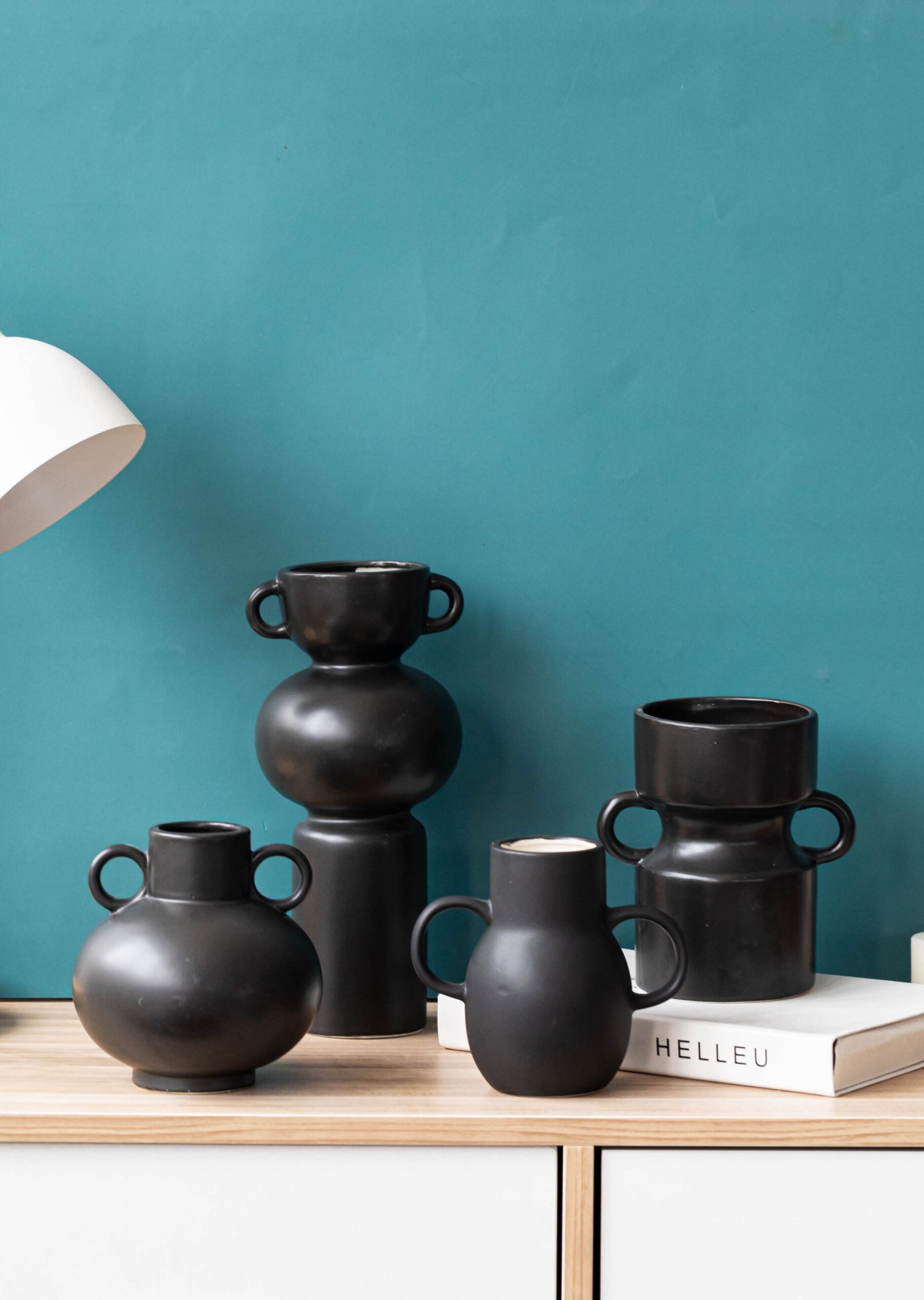
A matte ceramic vase on a warm neutral shelf.
A decorative storage box beside a linen sofa.
A mirror leaning casually against the wall, as if it has never met a delivery truck in its life.
Lovely.
But German buyers know the slightly less romantic truth: home décor does not live in a mood board. It lives in cartons, pallets, containers, warehouses, delivery schedules, and sometimes in the hands of people who treat “fragile” labels as light decoration.
That is why packaging and shipping deserve serious attention.
For Teruier’s Germany Buyer Desk, this column is not about making packaging sound fashionable. It is about helping buyers understand whether a supplier can deliver home décor that arrives safely, looks retail-ready, and protects the margin after the product has left the factory.
Because a beautiful ceramic decor glaze finish is only useful if it still looks beautiful after transport.
What Does Packaging and Shipping Mean in Home Décor Buying?
In wholesale home décor, packaging and shipping means the full system used to protect, label, move, and deliver products from production to buyer.
It includes:
Product protection
Inner packaging
Outer cartons
Carton marks
Barcodes and item labels
Moisture control
Drop and handling risk
Pallet or container loading
Export documentation
Delivery schedule
Inspection before shipment
For German buyers, packaging and shipping is not simply “how the supplier sends the goods”.
It is the bridge between product development and retail sale.
A product is not truly finished when the sample looks correct. It is finished when the buyer can receive it, store it, handle it, display it, sell it, and reorder it without discovering a new problem every second carton.
That may sound unglamorous. So does bookkeeping. Both keep businesses alive.
Ceramic Decor: Small Items, Big Damage Potential
Ceramic décor looks calm. It sits on shelves. It does not move. It does not shout.
But during shipping, ceramic products can become surprisingly dramatic.
For matte ceramic decor, the challenge is not only breakage. Surface quality matters. A matte finish can show rubbing, dust, glaze marks, uneven contact pressure, or small scratches more visibly than buyers expect.
For ceramic decor glaze finish products, the risks include:
Chipping at the rim
Surface rubbing
Glaze scratches
Colour inconsistency becoming more visible after packing pressure
Moisture marks
Poor separation between pieces
Carton movement during transport
A supplier who says, “It is only a small ceramic item, no problem,” is already making the problem.
Small does not mean safe.
Small means easy to underestimate.
German buyers should ask whether each piece is protected individually, whether the carton structure prevents movement, and whether the inner packaging protects the finish, not only the shape.
A ceramic vase that arrives in one piece but with visible surface damage is not a success. It is a claim waiting politely in a box.
Matte Ceramic Decor Needs Different Handling
Matte finishes have become popular because they feel softer, calmer, and more modern. They work well with cohesive home decor materials and finishes, especially in neutral, natural, and designer-led assortments.
But matte ceramic decor is less forgiving than glossy ceramic.
Glossy glaze can sometimes hide small contact marks. Matte surfaces often show them. This is why packaging must protect against rubbing and pressure points.
Useful packaging considerations include:
Soft surface protection
Individual wrapping
Stable inner separation
Avoiding direct contact between ceramic surfaces
Checking whether tissue, paper, foam, or moulded pulp affects the finish
Testing for rubbing marks before mass shipment
Eco packaging is possible here, but it must be tested. A very noble paper wrap that leaves surface fibres or rubbing marks on a matte vase is not really noble. It is just sustainable inconvenience.
Decorative Storage for Living Rooms: Not Just a Box in a Box
Decorative storage for living rooms is an interesting product category because it is both functional and decorative.
It may include:
Storage boxes
Lidded baskets
Decorative trays
Small cabinets
Fabric-covered boxes
Woven storage
Wood and metal storage pieces
Ottoman-style storage seats
The packaging question is not only whether the item breaks.
The buyer also needs to know whether the product arrives with the correct shape, clean surface, usable lid, stable corners, and presentable finish.
For decorative storage, common risks include:
Deformed lids
Bent corners
Surface scratches
Crushed woven parts
Hardware movement
Fabric staining
Loose hinges or handles
Poor carton fit
A decorative storage item must still look like something a customer wants in the living room. Not like something that has already lived a difficult life in three warehouses.
Mixed Materials Home Decor: Where Packaging Gets More Complicated
Mixed materials home decor is attractive because it gives buyers more texture and visual value.
A storage box with wood and metal.
A mirror with resin and glass.
A ceramic piece with rattan detail.
An ottoman with upholstery, wooden legs, and metal accents.
Very nice. Also very good at creating packaging headaches.
Different materials react differently during transport.
Wood may scratch.
Metal may dent.
Glass may crack.
Fabric may stain.
Ceramic may chip.
Rattan may crush.
Resin may rub.
So mixed materials home decor needs packaging that protects the weakest part of the product, not just the largest part.
This is where Teruier’s value translation work becomes important.
A buyer may say: “We like this mixed material look, but we need lower risk.”
A factory may think: “Use a stronger carton.”
But the real answer may be: adjust the edge detail, change the inner packing, protect the metal part separately, improve carton spacing, simplify one material, or redesign the product slightly so it ships better.
This is not overthinking. This is how good products become repeatable products.
Packaging Comparison: Basic, Export, Retail-Ready, and Buyer-Specific
| Packaging Type | What It Usually Means | Best For | Buyer Risk |
|---|---|---|---|
| Basic factory packaging | Simple carton and simple protection | Local movement, low-risk items | Too weak for serious export orders |
| Export packaging | Stronger carton, better inner protection, shipping-focused | Importers and wholesalers | May still lack retail label logic |
| Retail-ready packaging | Product protection plus barcode, carton mark, warehouse handling logic | Retail chains, distributors, store-ready orders | Higher cost, but lower operational trouble |
| Buyer-specific packaging | Adjusted for buyer’s warehouse, sales channel, labelling, eco target, or project needs | German retailers, design suppliers, special programmes | Requires early coordination |
For German buyers, the most important question is not “Which packaging is cheapest?”
The better question is:
Which packaging standard matches the actual sales channel?
A ceramic décor programme for a retailer needs different standards from a small decorative storage order for project styling. A mixed-material mirror needs different protection from a soft ottoman. A matte ceramic vase needs different surface care from a glossy bowl.
One packaging answer for all products is convenient. It is also usually wrong.
Where Eco Packaging Helps, and Where It Pretends to Help
Eco packaging is important, especially for German and European buyers. But it must be handled with common sense.
Good eco packaging reduces unnecessary waste without increasing product damage.
Bad eco packaging looks responsible in a presentation and then creates replacement orders, claims, transport waste, and customer disappointment.
For home décor, useful eco packaging can include:
Better carton sizing
Less unnecessary plastic
Recyclable paper-based protection where suitable
Moulded pulp for certain ceramic shapes
Reduced empty space inside cartons
Packaging designed around actual product risk
But not every product should be forced into the same eco solution.
A matte ceramic decor item may need soft surface protection.
A mixed-material storage box may need corner reinforcement.
A mirror may require stronger edge protection.
A textured upholstery ottoman may need dust and moisture protection.
Sustainability without damage control is theatre. And frankly, German buyers usually have enough theatre in supplier presentations already.
What German Buyers Should Ask Before Confirming an Order
Before confirming a wholesale order, buyers should ask practical questions.
Not because they are suspicious.
Because they have warehouses, customers, margins, and delivery windows to protect.
Useful questions include:
What packaging standard is included in the quotation?
Is the packaging suitable for export shipping?
How are ceramic surfaces protected from rubbing?
How are matte finishes tested after packing?
Can the packaging support mixed material products?
Are carton marks and item labels included?
Can barcode requirements be added?
Can eco packaging options be tested before bulk production?
Is the packaging different for fragile, soft, heavy, or textured products?
Can we review packing photos before shipment?
Is there a packing test or inspection step?
If a supplier answers every packaging question with “Yes, no problem,” ask again.
Real suppliers explain trade-offs. Weak suppliers sell comfort.
Packaging and Shipping as Part of Teruier’s Value Translation
At Teruier, we often talk about value translation.
This means we do not only translate language between buyer and factory. We translate business expectations into product, packaging, finish, cost, and delivery decisions.
For packaging and shipping, value translation means:
The buyer’s retail risk becomes a packaging requirement.
The product’s material weakness becomes a protection method.
The sales channel becomes a carton and labelling logic.
The eco target becomes a practical test, not just a nice sentence.
The margin target becomes a packaging-cost decision.
This is especially important for cohesive home decor materials and finishes.
If a buyer is building a coordinated assortment with matte ceramic decor, mixed materials home decor, decorative storage, mirrors, and ottomans, the packaging discussion must follow the assortment logic.
A beautiful collection that arrives inconsistently protected is not a collection. It is a complaint system with matching colours.
FAQ: Packaging and Shipping for German Home Décor Buyers
What is the most important packaging issue for ceramic decor?
For ceramic decor, the key issues are breakage, surface rubbing, glaze damage, rim chipping, and stable inner separation. For matte ceramic decor, surface protection is especially important.
Is matte ceramic decor harder to ship than glossy ceramic?
Often, yes. Matte surfaces can show rubbing marks, dust, and pressure contact more easily. Packaging should be tested against visible surface damage, not only breakage.
What should buyers check for mixed materials home decor?
Buyers should check how each material is protected. The weakest material usually decides the packaging risk. Glass, metal, wood, ceramic, fabric, and woven parts may all need different protection.
Can eco packaging be used for fragile home décor?
Yes, but it should be tested. Eco packaging should reduce waste without increasing product damage. A broken product is not an eco success.
Why does decorative storage need special packaging?
Decorative storage must arrive with correct shape, clean finish, working lid, stable corners, and no surface damage. Since it is both functional and decorative, small defects can reduce retail value.
Should packaging be discussed before or after sampling?
Before and during sampling. If packaging is discussed only after the product is finalised, buyers may discover that the product is too expensive or too risky to ship properly.
Is stronger packaging always better?
Not always. Better packaging means the right structure for the product and channel. Overpacking increases cost and waste. Underpacking increases damage and claims. The goal is balance.
Final Thought: The Carton Is Part of the Product
A German buyer does not buy only a ceramic vase, a mirror, an ottoman, or a decorative storage box.
They buy a sellable item that must survive the journey.
That journey includes packaging and shipping.
If the product looks good in the showroom but fails in the carton, the product was never finished. It was only photogenic.
Good packaging is not glamorous. It will not get likes on Instagram. Nobody will say, “What an emotionally moving carton.”
But when the goods arrive clean, stable, labelled, protected, and ready to move into retail, everybody suddenly becomes very quiet.
That quiet is good.
It means the packaging worked.



