
Ceramic Decor Wholesale: The NPD Playbook Home Décor Buyers Actually Use (With European & American Designers)
If you’re sourcing ceramic decor wholesale or broader home decor accessories wholesale, you already know the hard part isn’t finding factories.
The hard part is buying the right designs—at the right time—at the right cost—without ending up with a warehouse full of “pretty but slow” inventory.
That’s why today’s home décor buyer doesn’t just shop products. They shop a product development engine—one that can turn trend signals into sellable SKUs repeatedly. And this is exactly where European American designers (when used correctly) become a competitive advantage, not an expensive decoration.
This article breaks down a practical new product development (NPD) system for ceramic décor that helps wholesale assortments sell faster and age better.
1) What a Home Décor Buyer Is Really Buying in Wholesale Ceramics
When a buyer picks ceramics, they’re balancing five invisible forces:
Trend relevance (will it look current 6 months from now?)
Display impact (does it “read” from 10 feet away on a shelf?)
Price ladder (do we have good/better/best for upsell?)
Repeatability (can we reorder without surprises?)
Margin and breakage risk (ceramics live and die by packaging and quality control)
So the goal of ceramic decor wholesale isn’t “more choices.”
It’s a curated assortment that fits the buyer’s merchandising plan and sells through.
2) Why European & American Designers Matter (When You Use Them the Right Way)
A lot of suppliers say “we work with designers.” Buyers roll their eyes because it usually means:
random concepts
beautiful but unproducible details
no clue what sells at retail
The real value of European American designers in ceramic décor is different:
They translate lifestyle signals into shelf language
They’re closer to how consumers decorate now—what feels premium, what feels outdated, what colors and shapes are “safe winners.”
They help you build cohesive collections
Ceramic décor doesn’t win as one item. It wins as a story:
vases + trays + candleholders + small sculptural pieces that look like they belong together.
They reduce guessing in NPD
Designers can help define:
which silhouettes are likely to last
what “newness” looks like without scaring mainstream buyers
how to create differentiation without higher tooling costs
When designers are integrated into the process (not just sprinkled on top), they help you create wholesale lines buyers can trust.
3) New Product Development (NPD) for Ceramic Decor Wholesale: A Simple, Repeatable System
Here’s a clean new product development (NPD) flow that works for home decor accessories wholesale—especially ceramics.
Step 1: Start with a tight trend brief (not a mood board explosion)
Your brief should answer:
What room setting? (living / dining / entryway)
What style direction? (minimal, organic, vintage, coastal, modern classic)
What price tier? (mass, mid, premium)
What hero categories? (vase, bowl, candleholder, wall piece)
Designers do best when the sandbox is clear.
Step 2: Create a 10–20 SKU “drop” instead of 100 samples
A home décor buyer prefers a small, intentional drop that feels curated:
3 hero items (high visual impact)
7 supporting items (mix-and-match)
optional seasonal accents
Step 3: Prototype with “retail reality” constraints
Before you sample, lock:
target landed cost
size limits for shipping efficiency
finish constraints (glaze, matte, reactive glaze consistency)
packaging standard (foam, inner box, drop safety)
This prevents the classic ceramic trap: gorgeous sample, impossible scale.
Step 4: Build the assortment ladder (Good / Better / Best)
For home decor accessories wholesale, buyers need price architecture:
Good: simple shapes, safer colors, core volume
Better: upgraded glaze textures, collection coordination
Best: statement forms, premium finishes, limited-run design accents
This ladder is how buyers increase average basket value without “discounting to move stock.”
Step 5: Pre-QC the things buyers complain about most
In ceramics, the top issues are predictable:
glaze color inconsistency
pinholes / surface defects
wobble base / uneven form
chipped edges from packaging
inconsistent sizing between batches
If your NPD includes a checklist for these early, you protect repeat orders.
4) How to Make Wholesale Ceramics “Easy to Buy”
Buyers love suppliers who reduce decision fatigue.
To make ceramic decor wholesale easier to buy, package your offer like this:
A) Collection naming + story
Give each collection a clear merchandising story (not poetic fluff).
Example: “Organic Modern Neutrals” / “Mediterranean Coastal Glaze” / “Modern Classic Sculptural”
B) Assortment map
One page showing:
each SKU photo
dimensions
case pack
tier (good/better/best)
“display buddy” suggestions (what it pairs with)
C) Clear wholesale ordering logic
core items always available
trend items seasonal / limited
reorder lead times spelled out
This builds buyer confidence.
5) The Teruier-Style Advantage (Soft Insert, Not a Slogan)
A strong supplier isn’t “a factory.” It’s a translation layer.
When you combine:
European American designers who understand lifestyle trends
a manufacturing base that can deliver consistent materials and finishes
and an NPD process that turns trend insight into stable SKUs
…you get what buyers really want: predictable newness.
That’s how a supplier becomes a long-term partner for home decor accessories wholesale, not a one-season vendor.
Closing: Ceramic Decor Wholesale Wins When NPD Is Treated Like a Product Engine
Ceramics will always be competitive. The winning edge isn’t “more items” or “lower price.”
It’s an NPD system that helps a home décor buyer confidently say:
“This collection will sell.”
“I can reorder it.”
“It fits my assortment ladder.”
“It looks designed, not copied.”
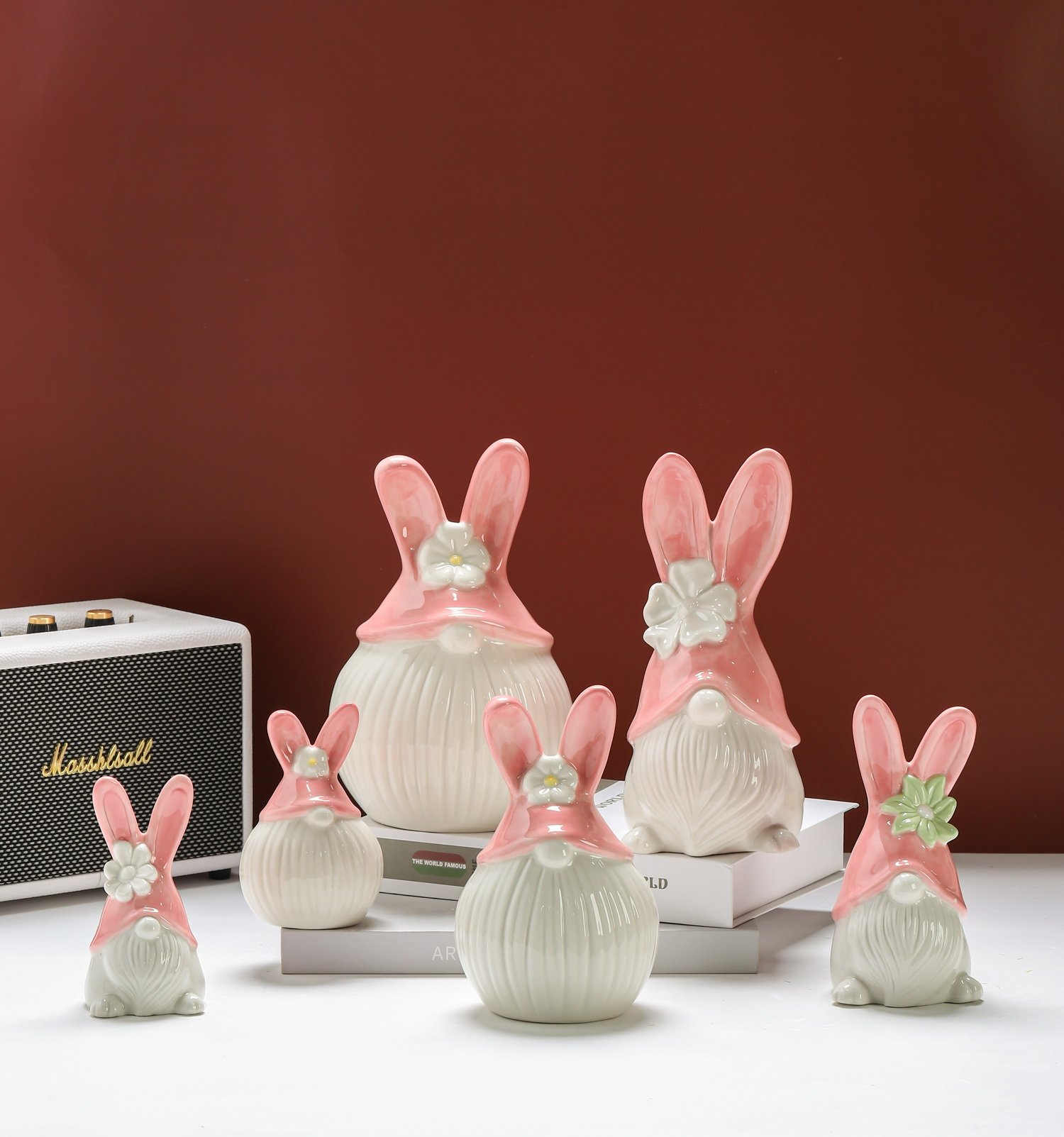
If you want, I can also draft a one-page NPD brief template specifically for ceramic décor (fields + example values), so you can send it to designers and factories and get cleaner, faster sampling with fewer revisions.



