
Ottomans are one of the best “add-on” categories in home decor. They’re easy to display, easy to style with mirrors, and they raise AOV fast.
But here’s the catch: a custom ottoman program can turn into chaos if you let customization get out of control.
So this article is about building an ottoman program that still feels customized—but behaves like a reorder-ready retail line.
1) The ottoman categories that sell consistently
Three routes usually perform:
-
ottoman stool (small, flexible, impulse-friendly)
-
storage ottoman (functional value)
-
upholstered ottoman (style and comfort)
The key is choosing a small core set and staying disciplined.
2) What to lock first (before you even talk about fabric colors)
A serious ottoman manufacturer will lock:
-
internal frame structure and stability
-
weight rating and durability
-
leg/foot design and attachment method
-
standard size ladder (small/medium/large)
If you skip this, your returns will teach you the lesson later.
3) Fabric and finish: where “custom” becomes dangerous
Custom fabrics are great—until you have 24 options and no reorder discipline.
A scalable approach:
-
2–3 core fabrics (reorderable)
-
1 seasonal fabric direction (limited)
-
clear “fabric family” rules (texture, tonality, stain resistance)
This keeps the line fresh without making it impossible.
4) Custom packaging: protect corners, legs, and fabric
Ottomans get damaged in predictable ways:
-
corner dents and scuffs
-
leg breakage
-
fabric rubbing and staining
So custom packaging should protect:
-
legs/feet
-
fabric surfaces
-
shape integrity during stacking
5) Delivery planning: sets only sell if they arrive as sets
Ottomans often sell as part of a look:
-
mirror + ottoman + accessories
So your delivery planning needs:
-
coordinated shipments by collection
-
clear carton labeling
-
replacement plan for damaged units
-
reorder rules for core SKUs
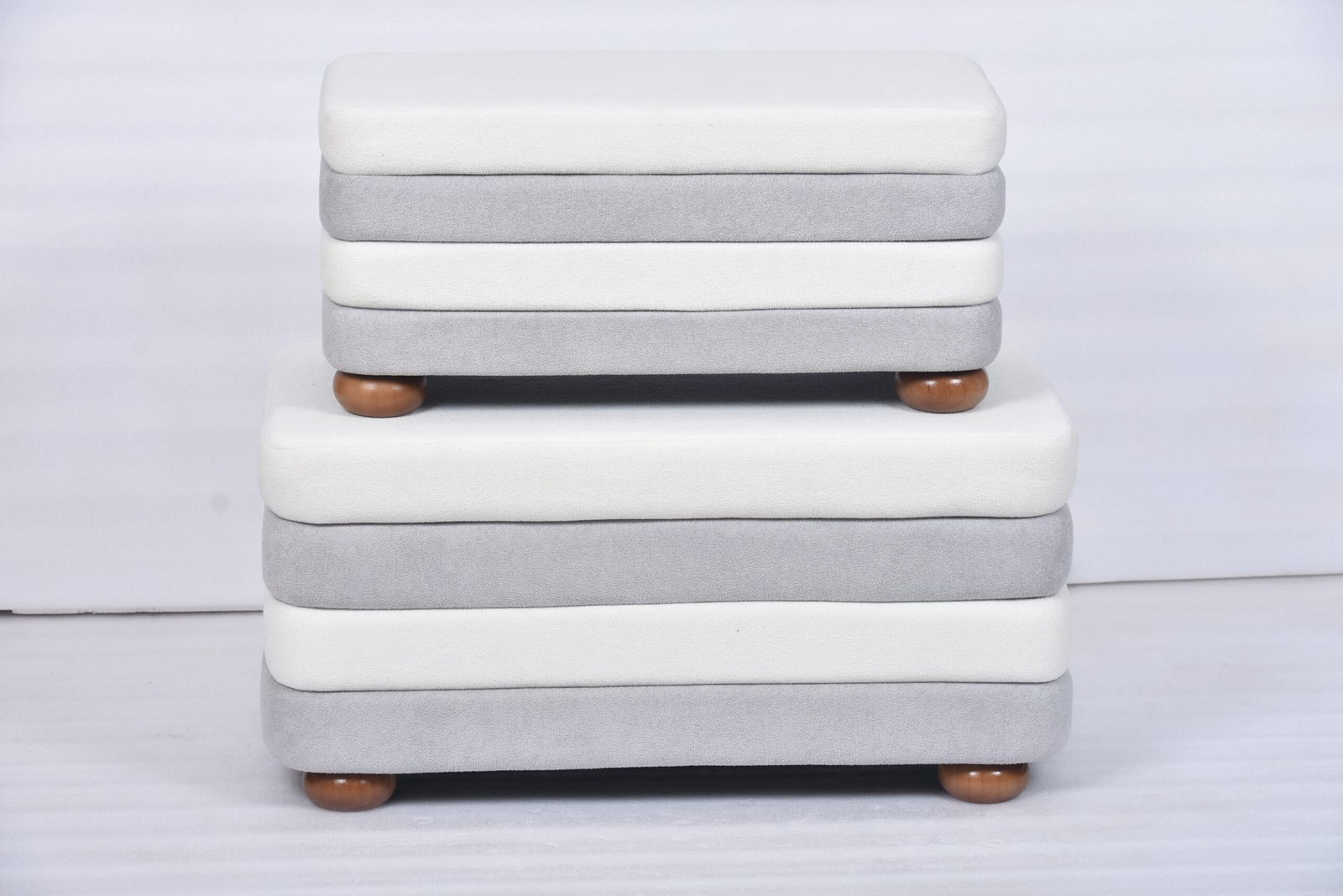
Even though Teruier is known for mirror programs, the same advantage applies to seating accessories: coordination and repeatability.
The Teruier cross-border design manufacturing collaboration model helps translate a “look” into a structured assortment—sizes, materials, packaging, and reorder rules. And the Fuzhou craft hub supply chain ecosystem—depth in artisans, materials, and techniques—is what allows a program to stay consistent across batches while still feeling premium and design-forward.



