
What German Community Home Stores Usually Need from a Home Decor Supplier
Community Home Stores Do Not Buy Like Big Chains
A community home store has a different rhythm.
It does not buy like a large chain with central warehousing, deep stock positions and wide category coverage. It also does not buy like a high-end design studio working only on a few tailored projects. A local home store usually lives in a more practical space between these two worlds.
It needs products that can look attractive in store, fit ordinary homes, make sense at first glance and be reordered without too much risk. This is why home decor for community home stores should not be presented in the same way as showroom collections or trend-heavy export catalogues.
The needs are simpler, but not smaller. In many ways, they are more demanding.
The Product Must Be Easy to Understand
In a community store, every product has to work quickly.
A customer walks in, looks around, compares a few items and makes a decision in a short time. That means the product should be easy to read. The mirror should feel right for a hallway, bedroom or bathroom without requiring a long explanation. A ceramic vase should already suggest where it belongs. A bench should show its use immediately. A tabletop piece should look decorative, but not confusing.
This is where home decor shelf logic becomes important.
A product that needs too much interpretation often slows down the sale. A product that is clear in shape, material and use usually performs better in local retail. Community stores do not always need louder products. They often need more legible ones.
A Retail-Ready Assortment Matters More Than a Long Product List
Many suppliers think a store will be impressed by the largest assortment. In practice, that is not always true.
For community retail, a retail-ready home decor assortment is usually more useful than a large but unfocused range. A small group of mirrors, ceramic pieces, benches, storage items and tabletop accents can be much stronger if the visual rhythm is clear and the price ladder makes sense.
The store owner is often asking practical questions.
Can these products sit together without looking random.
Can they be displayed with limited floor space.
Can customers understand the difference between them.
Can I reorder the stronger pieces without rebuilding the whole shelf story.
A supplier who understands this becomes easier to trust.
Good Community Retail Products Are Calm, Not Weak
Some suppliers confuse practicality with dullness. That is a mistake.
Community home stores still need products with identity. But that identity should feel calm and usable. It should not create unnecessary resistance. In Germany, many local buyers and customers respond well to products that feel balanced, steady and suitable for daily interiors.
This is why retail-friendly finishes matter so much.
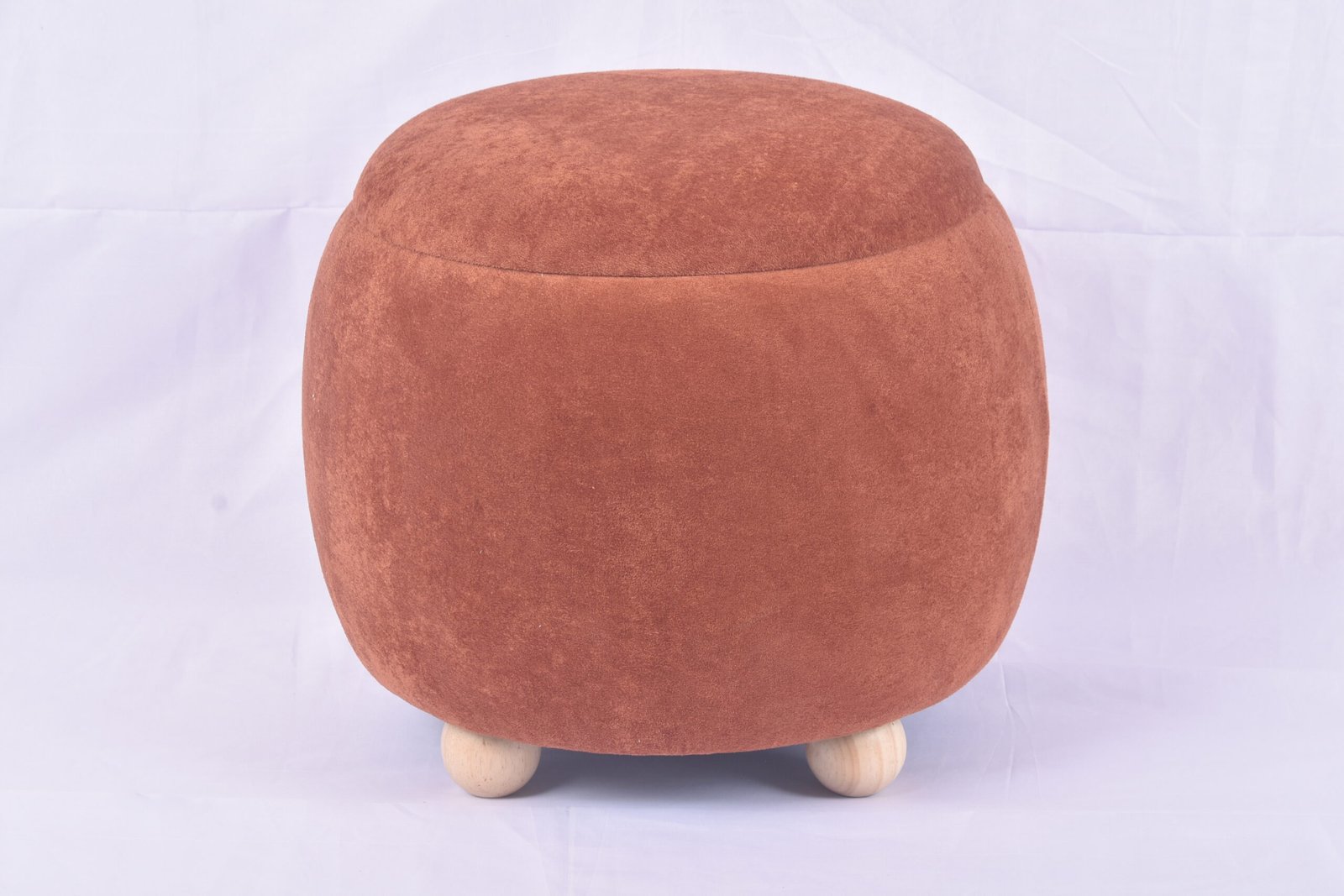
A black metal mirror frame, a dark wood bench, a smoked mirror, a neutral ceramic glaze or a soft textile ottoman can all work well when the finish feels stable and easy to place in a normal home. Loud finishes may attract attention once. Better finishes tend to support repeat business.
For community retail, quiet confidence often sells better than visual noise.
Reorder Potential Is Not a Bonus. It Is Part of the First Decision.
A community store usually cannot afford to treat every order like an experiment.
If a mirror starts selling, the store wants to know whether it can buy it again without unexpected change. If a ceramic range works, the owner wants to know whether the next batch will still fit the same shelf story. If a bench becomes a steady seller, the store needs confidence that the finish, upholstery or wood tone will not drift too far.
This is where reorder friendly trends become important.
A trend is not useful only because it looks current. It becomes commercially useful when it can survive beyond the first visual wave and still make sense in repeat retail. For a community home store, this is not a side issue. It is basic business discipline.
Packaging and Handling Shape the Real Value of the Product
A good-looking product can still be weak in local retail if it creates too much handling pressure.
Community stores often work with smaller teams and tighter space. That means product packaging matters a great deal. Mirrors should be protected well but not packed in a way that makes them unnecessarily difficult to move. Ceramic products should have sensible case pack logic. Small furniture should arrive with a carton size that feels realistic for local receiving and backroom storage.
This is why a supplier should not think only about the item itself.
The supplier should also think about what happens when the delivery arrives, how quickly staff can unpack it, how safely it can be stored, and whether the product is ready to go to the floor without creating extra work.
For smaller stores, this practical side often affects buying confidence more than suppliers expect.
Community Stores Need Products That Are Easy to Explain to Customers
This is one of the most overlooked points in local retail.
A community store often sells through direct conversation. The owner or staff member may explain why a mirror works in an entryway, why a ceramic piece fits a dining table, or why a bench suits a compact bedroom. This means the product should support simple, believable language.
The best products are often the ones that already make sense on their own.
A supplier who offers clear proportions, honest materials and easy visual use gives the store a real advantage. The customer does not need a long speech. The product already feels resolved.
That is why the supplier relationship matters. An easy to work with supplier for interior designers is often also easier for good community retailers to work with, because the same strengths apply: clearer finishes, better product logic and less confusion around what the item actually is.
Community Retail Works Best with Balanced Price and Visual Logic
A local home store usually cannot build the whole business on very expensive statement pieces. Nor can it rely only on very cheap decorative fillers.
What it often needs is a sensible middle ground.
Mirrors that feel useful and decorative.
Ceramics that feel giftable and livable.
Benches and ottomans that fit smaller homes.
Storage pieces that combine order and style.
Tabletop products that can be bought alone or in groups.
This is where price ladder and assortment balance matter. A strong store offer often comes from combinations, not isolated heroes. The supplier should understand that a shelf story is part of the product story.
What German Community Home Stores Usually Appreciate
In general, German community home stores tend to appreciate suppliers who bring calm structure.
They appreciate products that feel practical in normal homes.
They appreciate finishes that are easy to place.
They appreciate assortments that do not look random.
They appreciate packaging that reduces store stress.
They appreciate repeatability.
And they appreciate suppliers who understand that local retail works through steady trust, not constant disruption.
This is why the right offer for a community store is often less dramatic than many export catalogues suggest.
It is usually clearer, steadier and more commercially realistic.
What German Buyer Desk Wants to Support Here
At German Buyer Desk, we believe community home stores deserve their own sourcing logic.
They are not smaller versions of big retail chains. They are not failed design studios. They are a specific kind of buyer with a real role in the market. They need products that fit local selling conditions, real customer homes and manageable reorder cycles.
That is why this section looks at home decor for community home stores in a practical way.
Not only what looks attractive.
Also what fits the shelf.
What fits the floor.
What fits the customer conversation.
And what can still be reordered when the first pieces start to move.
That is where useful sourcing begins.



