
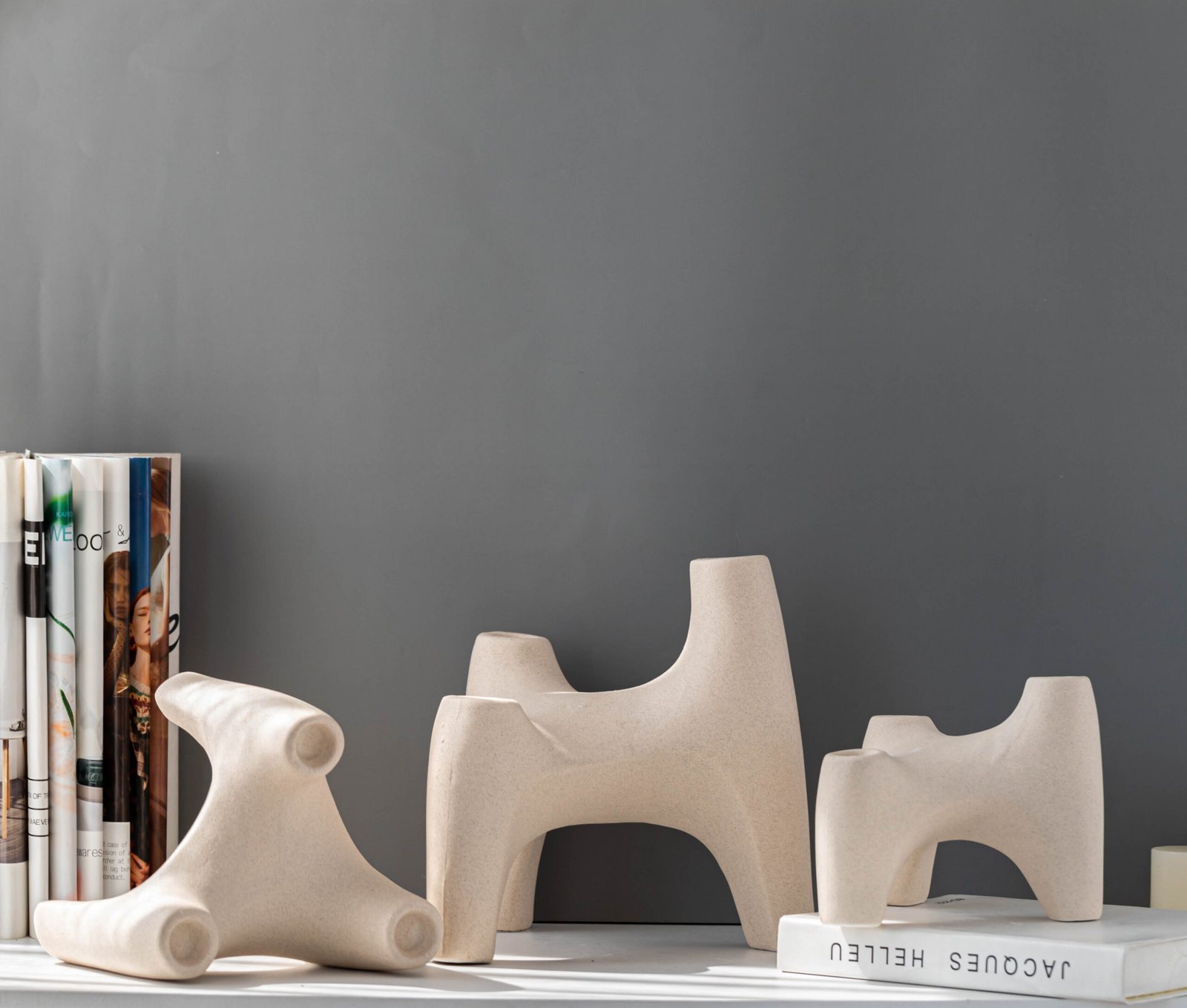
How Small German Home Stores Build a Retail-Ready Assortment Without Overloading the Floor
More Products Do Not Always Create a Better Store
Small home stores often face the same temptation. When buyers visit suppliers or review new collections, the instinct is to add more. More mirrors, more ceramics, more benches, more tabletop pieces, more decorative storage. It can feel like a larger range will make the store look stronger.
In practice, the opposite is often true.
A small German home store usually works best when the assortment is disciplined. The floor is limited. Customer attention is limited. Staff time is limited. Storage is limited as well. In this setting, a retail-ready home decor assortment is not about showing everything. It is about choosing products that can work together, sell clearly and be reordered without creating confusion.
That is the real task.
A Good Small Store Is Usually Easy to Read
Customers in community retail do not behave like trade fair visitors. They do not walk in hoping to decode a complicated collection. They want a store that feels pleasant, understandable and easy to shop.
This is where home decor shelf logic matters.
The products should not compete too hard with each other. A mirror should feel different from the next mirror, but not unrelated. Ceramic pieces should bring variation, but still look like part of a sensible group. Benches, storage pieces and tabletop decor should add useful contrast without breaking the visual rhythm of the store.
When a small store is easy to read, the customer relaxes. When the store looks overloaded, the customer often steps back mentally even before making a choice.
For this reason, good assortment planning is often less about adding products and more about protecting clarity.
The Floor Should Carry the Story, Not the Entire Stock Position
One of the most common mistakes in smaller retail is using the floor to hold too much inventory.
A sales floor should help customers understand the range. It should not become a storage solution. Once too many pieces are pushed into the same visual area, the value of each one falls. Mirrors lose their role. Ceramics become background noise. Small furniture feels cramped. Tabletop items no longer look intentional.
A better approach is to think in visible stories.
One mirror family with two or three strong sizes.
One ceramic group with related colours or glaze moods.
One bench or ottoman moment that shows practical use.
One tabletop area that feels giftable and easy to lift into daily living.
This is where small space assortment planning becomes commercially important. A small store can still feel full, but it should feel full of structure, not full of pressure.
Calm Assortments Usually Sell Better Than Busy Ones
In local retail, strong performance often comes from calm composition.
This does not mean the store must be boring. It means the range should feel resolved. Many German customers respond well to products that look usable, balanced and easy to place in normal homes. That is why retail-friendly finishes are so valuable.
Smoked mirrors, black metal frames, dark wood tones, soft neutral upholstery, stable ceramic glazes and quiet tabletop textures often work well because they can live with many interiors. They do not ask the customer to redesign the whole room. They enter the home more easily.
For a community home store, this matters a great deal. Products that fit ordinary living conditions are easier to display, easier to explain and easier to reorder.
A Strong Assortment Needs Reorder Thinking from the Start
A small store does not only need products that look good today. It needs products that can support a selling rhythm.
This is why reorder friendly trends matter more than short bursts of novelty. If an item works, the store should be able to bring it back without rebuilding the whole presentation. If a ceramic colour performs well, the next batch should still fit the same shelf story. If a mirror becomes a steady seller, the finish and proportion should remain dependable enough to support repeat business.
In other words, the first assortment should already contain reorder logic.
A weak assortment creates excitement once.
A strong assortment creates confidence twice.
That difference is especially important for home decor for community home stores, where floor space is limited and every successful SKU carries extra value.
Category Balance Is Better Than Category Volume
Many small stores do not need ten products in one category. They need the right relation between categories.
This balance often works better than overexpansion.
A few mirrors give vertical presence.
A bench or ottoman gives function and floor weight.
Ceramics give shape and colour rhythm.
Tabletop decor creates easy entry purchases.
Storage pieces add practical value.
Soft furnishings make the store feel warmer and more lived in.
This kind of category balance helps the shop feel complete without feeling crowded. It also makes the buying decision easier for the customer, because the store begins to suggest how products can live together.
That is what a retail-ready home decor assortment should do. It should not only present products. It should help customers imagine placement.
Good Assortment Planning Reduces Store Stress
This point is often overlooked.
A better assortment does not only improve presentation. It also reduces daily store pressure. Products that are easy to unpack, easy to move, easy to display and easy to explain save labour. Products that sit well together reduce the need for constant visual correction. Products with stable reorder potential reduce the fear of gaps once a good seller begins to move.
For a community home store, this operational side is not secondary. It is part of profitability.
A crowded floor may look active for a moment. But it can also create extra handling, slower decisions and weaker sell-through. A disciplined range may look simpler, yet often performs better because the whole system is calmer.
The Best Small Stores Usually Edit Very Hard
Strong small retail often depends on editing.
That means saying no to products that are attractive in isolation but do not improve the total offer. It means refusing too many finish directions at once. It means avoiding oversized pieces that block the floor without lifting the category. It means selecting products that can support one another instead of fighting for attention.
This kind of discipline is difficult, but it is usually what separates a pleasant community store from a tiring one.
In Germany, where many shoppers value order, practicality and visual calm, this is even more important. A compact store with good judgment often feels stronger than a larger one with weak structure.
What Community Home Stores Usually Need from Suppliers
A useful supplier for this retail format should understand a few basic things.
The store does not need endless options.
It needs products that make sense together.
It needs finishes that fit normal homes.
It needs category combinations that support easy display.
It needs dependable repeat pieces, not only fresh launches.
And it needs enough clarity to buy with confidence.
Suppliers who understand this help the store build a better sales floor, not just a longer purchase list.
Why This Matters to German Buyer Desk
At German Buyer Desk, we treat community home stores as a serious retail format with its own logic.
They do not need copied strategies from large chains. They do not need overloaded assortments that create more effort than sales. They need structure, readability and better selection discipline.
That is why we look at retail-ready home decor assortment through a practical lens.
Not how to fill the floor.
How to make the floor work.
Not how to show more.
How to sell more clearly.
And not only what looks good on day one, but what can still be reordered when the store finds its rhythm.
That is how smaller home retail becomes stronger.



