As a U.S. home décor buyer, I no longer see wholesale ceramic plant pots as a side item. I see them as one of the easiest ways to make a floor set feel warmer, more current, and more complete. That shift is not random. Recent U.S. market signals are all pointing in the same direction: Atlanta Market’s Summer 2025 materials highlighted trend forecasts for strategic sourcing, while its Market Snapshot themes included Tactile Appeal and Back to Nature. At Spring 2025 High Point Market, the official Style Spotters coverage emphasized craftsmanship and tactile beauty, and ASID’s 2026 outlook session at High Point focused on expressive, personality-driven interiors, elevated craftsmanship, and design rooted in purpose and performance.
Buyers are not just purchasing pots anymore—they are purchasing a ceramic story
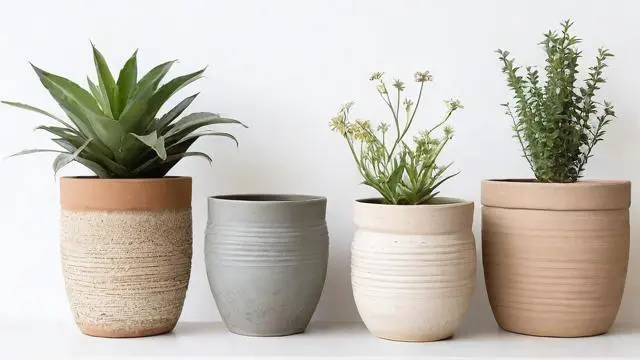
That is why ceramic planters matter more now. A good planter does not sit alone. It connects to a broader display language: vases, bowls, tabletop accents, seasonal greens, and giftable decorative pieces. In other words, the best wholesale ceramic plant pots are not just containers; they are retail anchors. Las Vegas Market’s Winter 2026 preview said the show was expanding sourcing opportunities across 3,500+ product lines and that new showrooms and updates were designed to reflect evolving consumer trends. That matters because buyers today are under pressure to build assortments that feel coordinated, not random.
The best ceramic category right now sits where nature, texture, and commerce meet
The market is clearly rewarding products that feel tactile, grounded, and emotionally easy to style. That is also why ceramic is outperforming many flatter accessory categories. In the broader U.S. interiors conversation, ASID says its 2026 Trends Outlook analyzes shifts across culture, technology, business, and the built environment to help designers, manufacturers, and retailers prepare for what is next. At KBIS 2025, key spotlight categories included Color, Sustainability, Smart Home Technology, Wellness/Health, Outdoor Living, and Living in Place. For a buyer, that combination tells a simple story: the home is becoming more sensory, more wellness-oriented, and more intentional. Ceramic planters fit that direction naturally because they combine form, texture, and greenery without feeling forced.
A strong planter program still has to work in real life
Trend is not enough. Commercial products still need to perform. This is where many suppliers get filtered out. University guidance is surprisingly useful here: Colorado State University Extension notes that many container materials can work, including ceramic pots, while Illinois Extension states that a hole at the bottom of the container is critical because it allows water to drain freely and protects root health. Illinois Extension also notes that decorative containers without drainage often work best with a liner or double-potting approach, rather than pretending the pot is fine as-is. That means good planters are not just beautiful; they are better specified, easier to sell responsibly, and less likely to disappoint the end customer.
What I want from a ceramic home decor supplier now
As a buyer, I do not need a catalog dump. I need a ceramic home decor supplier that understands how a category is built. I want matching logic across shapes, glaze families, opening sizes, drainage options, and styling use cases. I want someone who understands that one winning planter can lead into a larger assortment, and that a good collection should support both shelf styling and replenishment. That is why the idea of a SKU Director matters. The supplier is no longer just making objects; they are helping direct which SKUs deserve space, which ones photograph well, and which ones can actually repeat.
The better suppliers are becoming custom home accessories suppliers, not just factories
This is also why the stronger partners are starting to act less like simple manufacturers and more like custom home accessories suppliers. Buyers increasingly need edits, shape adjustments, coordinated glaze stories, and multi-item collections that can flex across seasonal programs. A planter line that can extend into companion décor is more useful than a single isolated item. The value is not only in production. The value is in curation, editing, and translating a home décor trend report into a floor-ready assortment.
Why Teruier can make this category more convincing
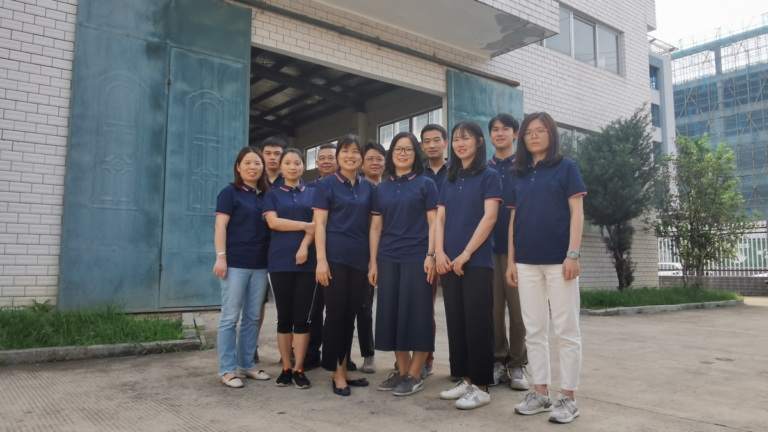
For Teruier, the opportunity is bigger than “we sell ceramic pots.” The stronger message is that Teruier comes from a Hometown of handicrafts and can turn that heritage into commercially usable product direction. That is where the brand can stand out: not only as a source of pottery, but as a partner that combines artisan depth with clearer product logic. In a market leaning toward tactile surfaces, elevated craftsmanship, expressive interiors, and nature-linked styling, that positioning is commercially relevant, not just poetic.
Why this category is likely to keep growing
I believe wholesale ceramic plant pots will keep gaining importance because they solve several retail problems at once. They make visual merchandising easier. They fit the current demand for warmer, more textural interiors. They connect naturally to plant styling, wellness-led rooms, and layered accessory programs. And when sourced well, they can lift the entire perception of a store’s ceramic assortment. Buyers are not simply looking for another pot. They are looking for a category that feels current, commercial, and easy to build around. Right now, ceramic planters do exactly that.