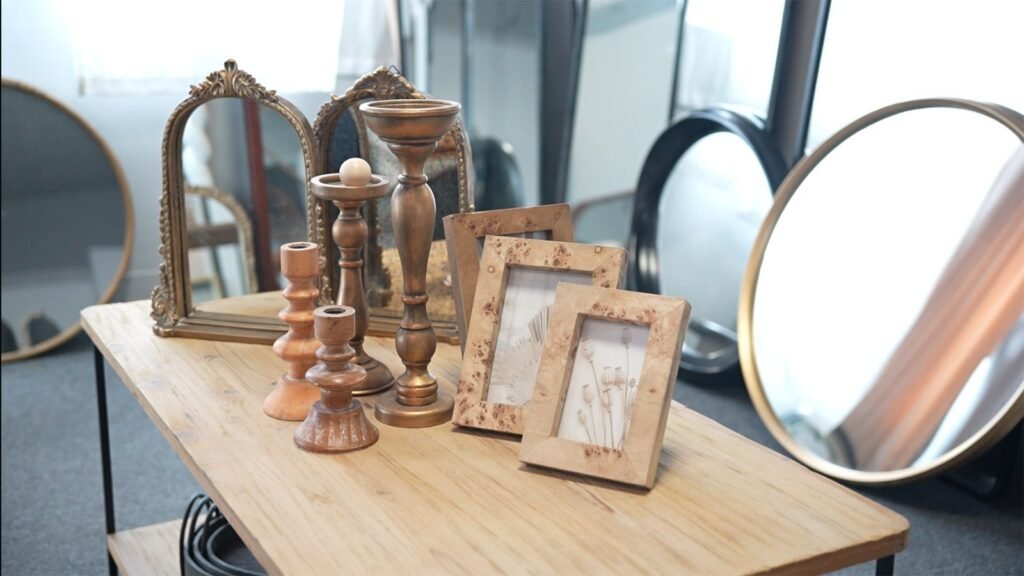
Export Packaging for Fragile Decor: The Engineering Guide I Expect From a Home Decor Factory China Partner
If it arrives broken, your “great product” never existed
When I buy fragile décor—mirrors, ceramics, glass, resin—my first question isn’t price. It’s damage rate.
Because in real retail (especially e-commerce), packaging performance becomes your product performance. That’s why the best home decor factory China partners don’t “pack carefully.” They engineer packaging like a repeatable system.
Below is the packaging guide I use—short, practical, and built for suppliers who want reorders.
The 5-layer model: export packaging is a system, not a box
When a factory says “we can do export packaging,” I want to see five layers clearly defined:
-
Layer 1: Unit protection (surface wrap, edge guards, scratch prevention)
-
Layer 2: Inner pack (fit + cushion + immobilize)
-
Layer 3: Master carton (strength + stacking + labeling)
-
Layer 4: Palletization (stability + corner protection + stretch rules)
-
Layer 5: Container logic (stacking pattern + humidity risk plan)
If any layer is vague, breakage will “mysteriously” happen—right when volume starts.
Pass/fail rule: your carton must survive pressure, not just transit
I don’t need a supplier to copy Amazon requirements word-for-word, but I do expect them to design to the reality of modern fulfillment networks.
A simple benchmark many buyers recognize: a rigid, six-sided box that must not easily give way when pressure is applied.
That single rule forces engineering discipline:
-
stronger corrugate choices
-
better corner design
-
less “air shipping” and more immobilization
Ceramic packaging for shipping: the anti-breakage “stack” that works
For ceramic packaging for shipping, I’m looking for immobilization first, cushioning second.
Here’s the stack that usually performs best in bulk programs:
-
Surface protection: paper wrap / foam sheet alternatives to prevent scuffing
-
Edge + corner protection: molded pulp or paper-based corner blocks
-
Immobilization: tight-fit inserts so the unit cannot rattle
-
Double boxing when needed: inner box + outer carton for high-risk items
-
Drop-test mindset: prove it survives real handling
Amazon’s fragile prep guidance is blunt about using proper protective packaging for breakable items (glass/ceramic) and points sellers to prep methods like cushioning and boxing standards.
Buyer note: if your ceramic arrives intact but the glaze is scratched, you still lose the customer. That’s why surface protection and immobilization matter more than “more filler.”
Plastic free packaging: what I accept (and what I reject)
“Plastic free packaging” only counts if it still protects.
Packaging options I’ll often approve for fragile décor lines:
-
Honeycomb paper packaging for wrap + surface cushioning
-
Corrugated paper inserts (die-cut immobilizers)
-
Molded pulp trays / end caps
-
Paper edge guards and corner blocks
What I reject: paper that looks eco but collapses under load, or “loose fill” that allows movement (movement = impact damage).
If you want to claim your packaging is “Frustration-Free” or curbside recyclable in programs influenced by Amazon’s packaging ecosystem, note that Amazon’s SIPP guidelines include requirements like 100% curbside recyclable materials for Tier 1 (FFP) and explicitly reference following the FTC Green Guides in the U.S.
Eco packaging and sustainable packaging: say it carefully, or don’t say it
As a buyer, I like eco packaging and sustainable packaging—but I don’t like risky claims.
In the U.S., the FTC’s Green Guides explain how environmental marketing claims should be qualified and substantiated to avoid misleading consumers.
So if your packaging deck says “100% eco-friendly” with no definition, I will push back. A safer supplier approach:
-
state what the material is (corrugate / molded pulp / paper honeycomb)
-
state what the disposal path is (curbside recyclable where facilities exist)
-
avoid broad claims that you can’t prove
This protects both of us.
Custom packaging: when I’m willing to pay more
I’ll approve custom packaging when the product is any of these:
-
high ASP (premium décor where returns are expensive)
-
high breakage risk (glass, ceramic, mirrors)
-
long lead-time programs (damage ruins seasonal timing)
The gold standard is testing that simulates real transport hazards. ISTA’s overview materials for Amazon-focused procedures emphasize simulation of transport hazards and the business value of reducing damage and improving launch confidence.
Translation: don’t guess—test, document, repeat.
The buyer deliverables I request from a home decor factory China supplier
If you want me to approve your packaging for fragile décor, I ask for:
-
Packaging spec sheet (materials, thickness, insert type, pack-out steps)
-
Pack-out photos (every layer, not just the final carton)
-
Damage-risk map (where it breaks: corners, rim, glaze, glass edge)
-
Drop/handling test plan (and results for hero SKUs when required)
-
Plastic-free alternative list (paper/honeycomb/molded pulp options + cost impact)
-
Claim-safe language for eco/sustainable packaging (FTC-aligned)
That’s what “export packaging engineering” looks like in 2026.
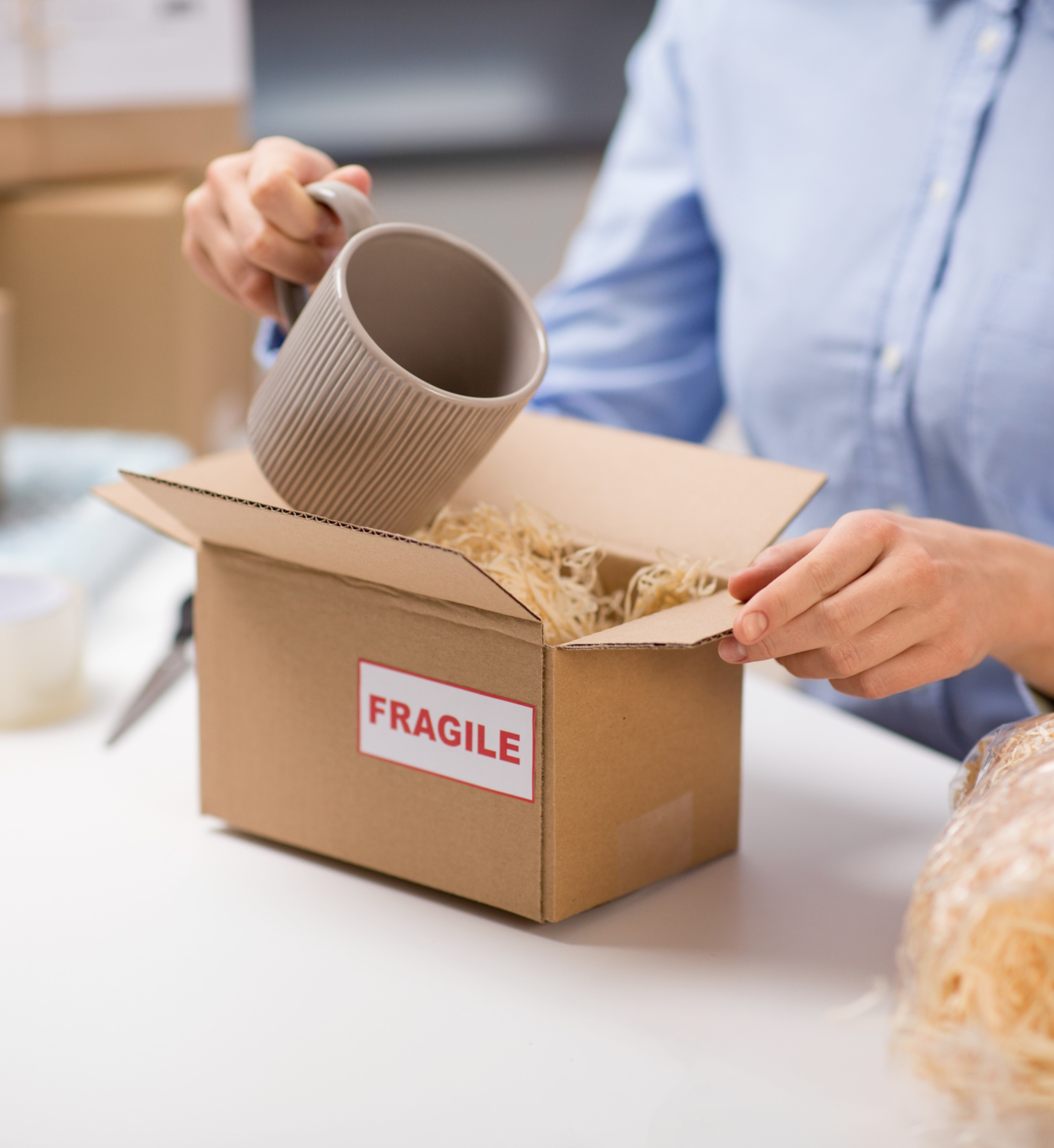
Where Teruier fits
Teruier helps buyers source from a home decor factory China network with packaging engineered for reorders—locking pack-out standards early, offering plastic-free options like honeycomb paper packaging, and validating protection before bulk ships.