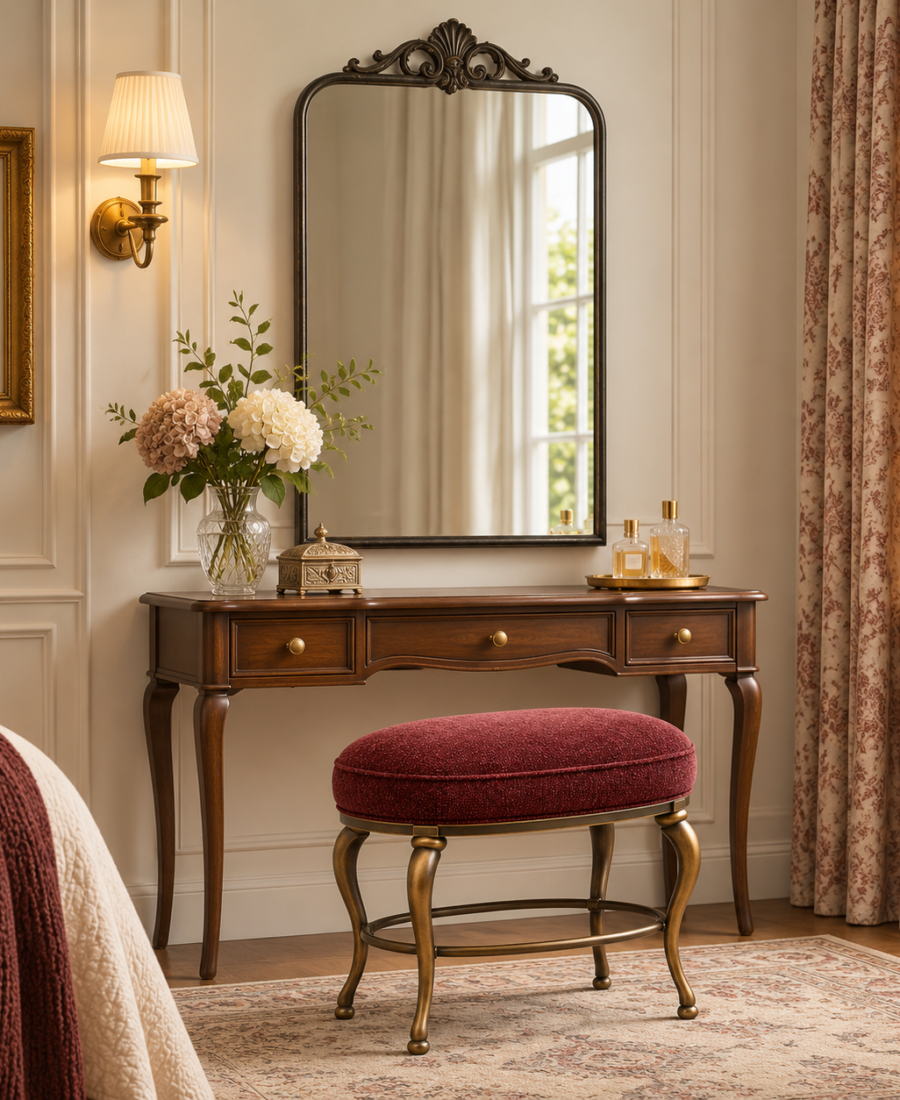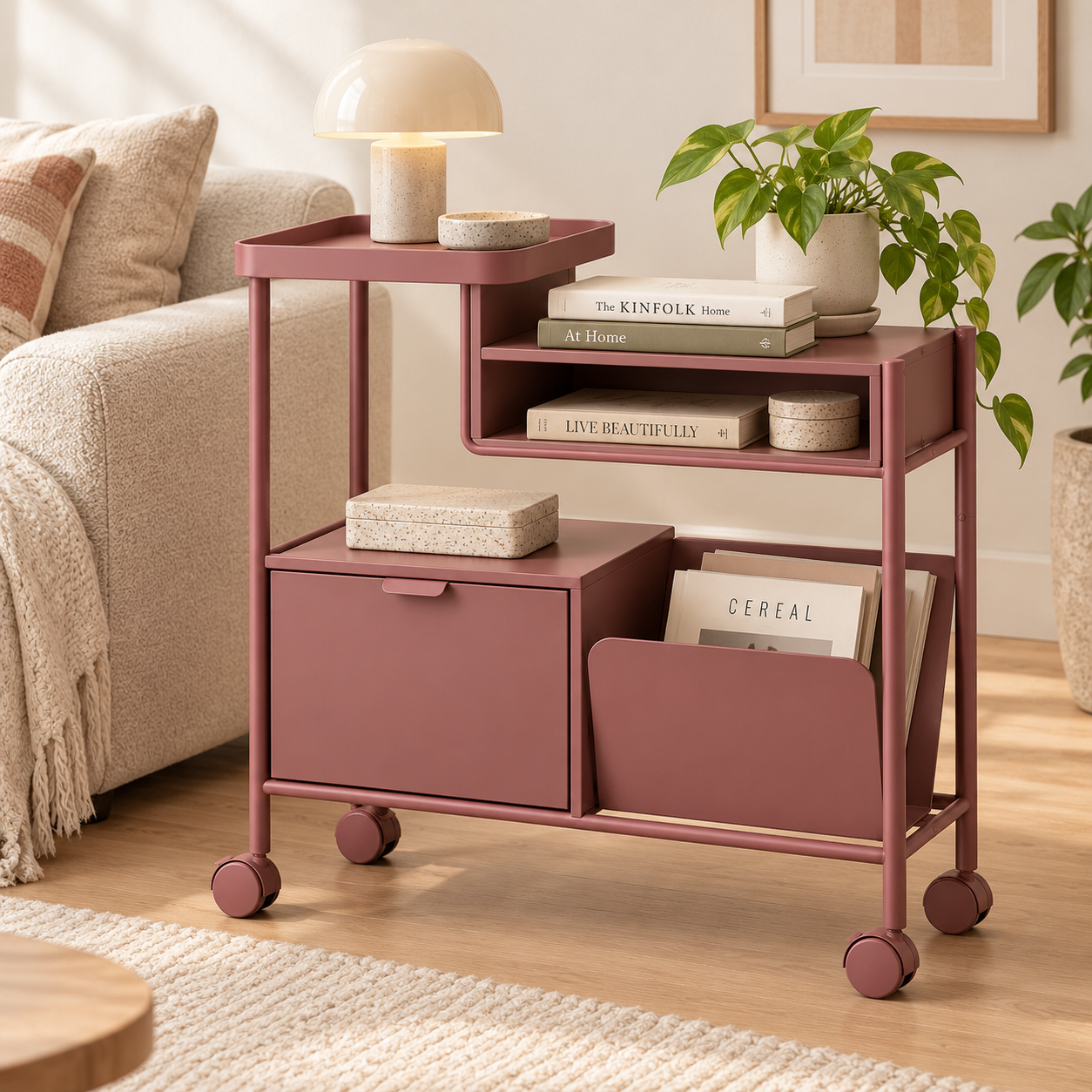
AI-generated furniture imagery is making product marketing faster and cheaper. But when the image looks better than the actual product, who takes responsibility?
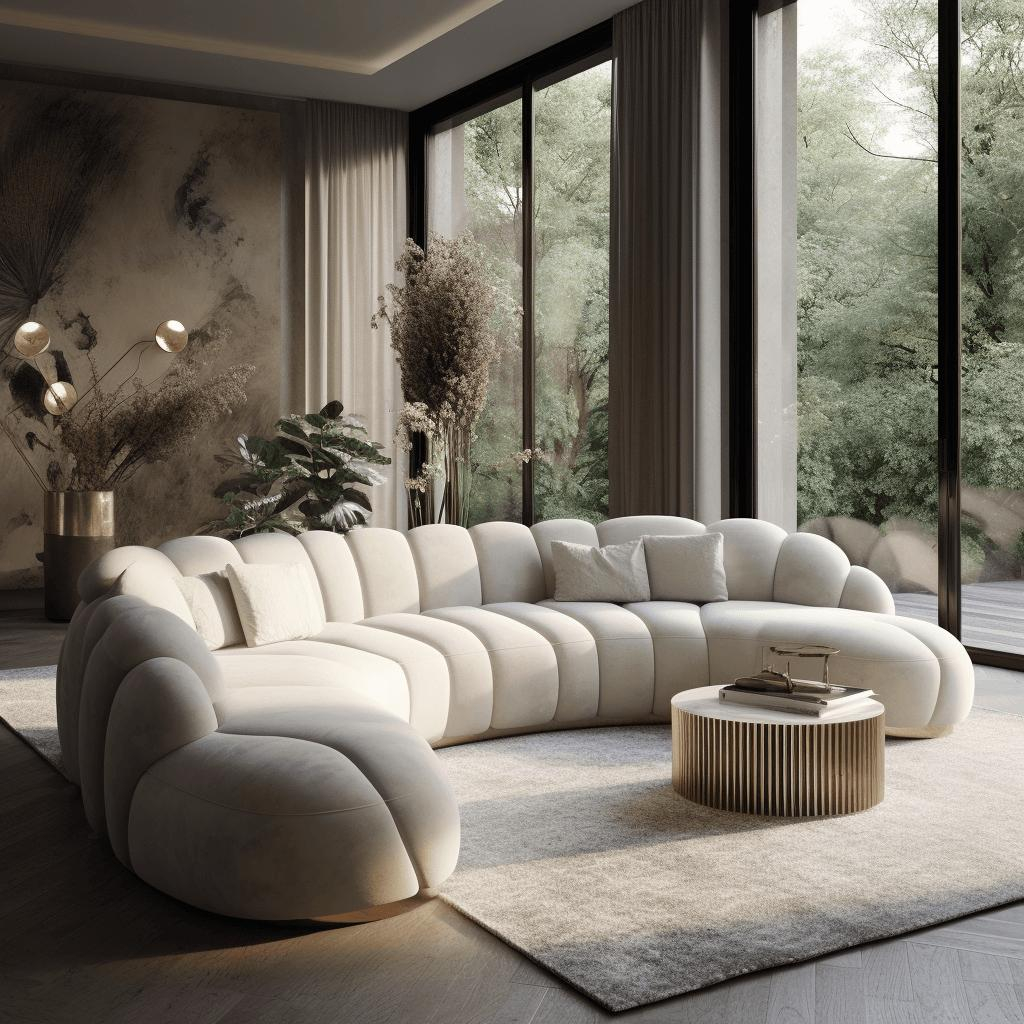
A sofa sits in a beautiful Scandinavian living room.
The upholstery looks rich and soft. The proportions are perfectly balanced. Natural light falls across the fabric, and every detail looks ready for a premium furniture catalogue.
There is only one problem.
The sofa in the picture does not quite look like the sofa the factory is going to make.
Perhaps the original fabric was a little darker. Perhaps the arms were thinner. Perhaps the AI image has quietly changed the seat depth or added details that were never part of the original design.
For a marketing team, the image looks excellent.
For a buyer, it creates a potentially expensive misunderstanding.
AI and 3D visualization are changing how furniture is presented to international buyers. They make it easier to explore interior styles, develop lifestyle scenes and create product marketing materials without arranging a physical photoshoot for every design.
But there is a distinction that the furniture industry needs to take seriously:
A beautiful furniture image is not necessarily an accurate furniture image.
And in wholesale sourcing, that difference matters.
1. The Image Has Become Part of the Product
Traditionally, furniture buyers evaluated products through catalogues, showroom displays, samples and trade fairs.
They could examine upholstery, touch surface finishes, compare proportions and ask questions about construction.
Online sourcing has changed this process.
A buyer may shortlist a supplier after seeing a product image on a website or receiving a digital catalogue.
The image is often the first point of contact between the buyer and the actual product.
This creates an interesting commercial situation.
The supplier is no longer simply presenting furniture.
It is presenting a visual expectation of what the buyer will eventually receive.
The 2026 3D Cloud Furniture Shopping Trends Study found that 62% of surveyed US furniture shoppers still find it difficult to visualize how furniture will look in their homes.
This explains why realistic room scenes, 3D rotation and product configurators are becoming increasingly valuable.
But improving visualization is only half the job.
The other half is preserving product accuracy.
If a visualization changes the product itself, it may reduce uncertainty about the room while increasing uncertainty about the item being purchased.
That is not a good trade.
2. AI Can Improve a Product Image. It Can Also Quietly Redesign the Product.
Consider a simple example.
A manufacturer has developed an upholstered accent chair.
The approved product has:
- A specific curved backrest.
- A defined seat depth.
- A particular fabric texture.
- Four metal legs with a specified finish.
- A fixed relationship between the seat and frame.
The marketing team wants to place the chair in a warm European living room.
An AI image tool generates an attractive scene.
However, the resulting image has changed several details.
The backrest is slightly wider. The upholstery has become smoother. The metal legs are thicker. The seat appears more generously padded.
The picture may look more appealing.
But it no longer represents the exact product.
This is an important distinction between two different uses of AI.
Scene Generation
The objective is to change the environment around a product while preserving the product itself.
Product Modification
The objective is to change the product’s design, materials, colours or construction.
Both can be useful in the right context.
The problem occurs when the first is presented as if no product modification has taken place.
For a retailer, that can create incorrect expectations.
For a manufacturer, it can create disputes during sample approval.
For the customer, it can result in a product that does not match the image used to make the purchase decision.
3. Why Furniture Is Particularly Vulnerable to Visual Inaccuracy
Furniture is not a simple flat object.
Its commercial identity often depends on details that can be difficult to preserve in generated images.
Proportions
A small change in seat height, frame thickness or overall dimensions can change how a chair looks and functions.
A mirror frame that appears 20% wider may create a completely different visual impression.
Materials
Bouclé, velvet, linen, brushed metal, natural marble and ceramic surfaces have different visual characteristics.
An AI image may make a material appear smoother, shinier, more uniform or more luxurious than the real finish.
Construction
A product may have a specific frame structure, support arrangement, joint or decorative detail.
These features should not be invented simply to make an image more attractive.
Colour
Lighting, image processing and scene generation can change how a finish appears.
A warm walnut finish may become reddish. A champagne-gold metal surface may look like polished yellow brass.
Scale
A chair may look perfectly proportioned in a large living room but appear oversized when compared with real furniture dimensions.
For wholesale buyers, these are not minor artistic differences.
They can influence product selection, retail positioning, customer expectations and purchasing decisions.
4. The Most Important Rule: Lock the Product Before Creating the Scene
A reliable visualization workflow should begin with a confirmed product reference.
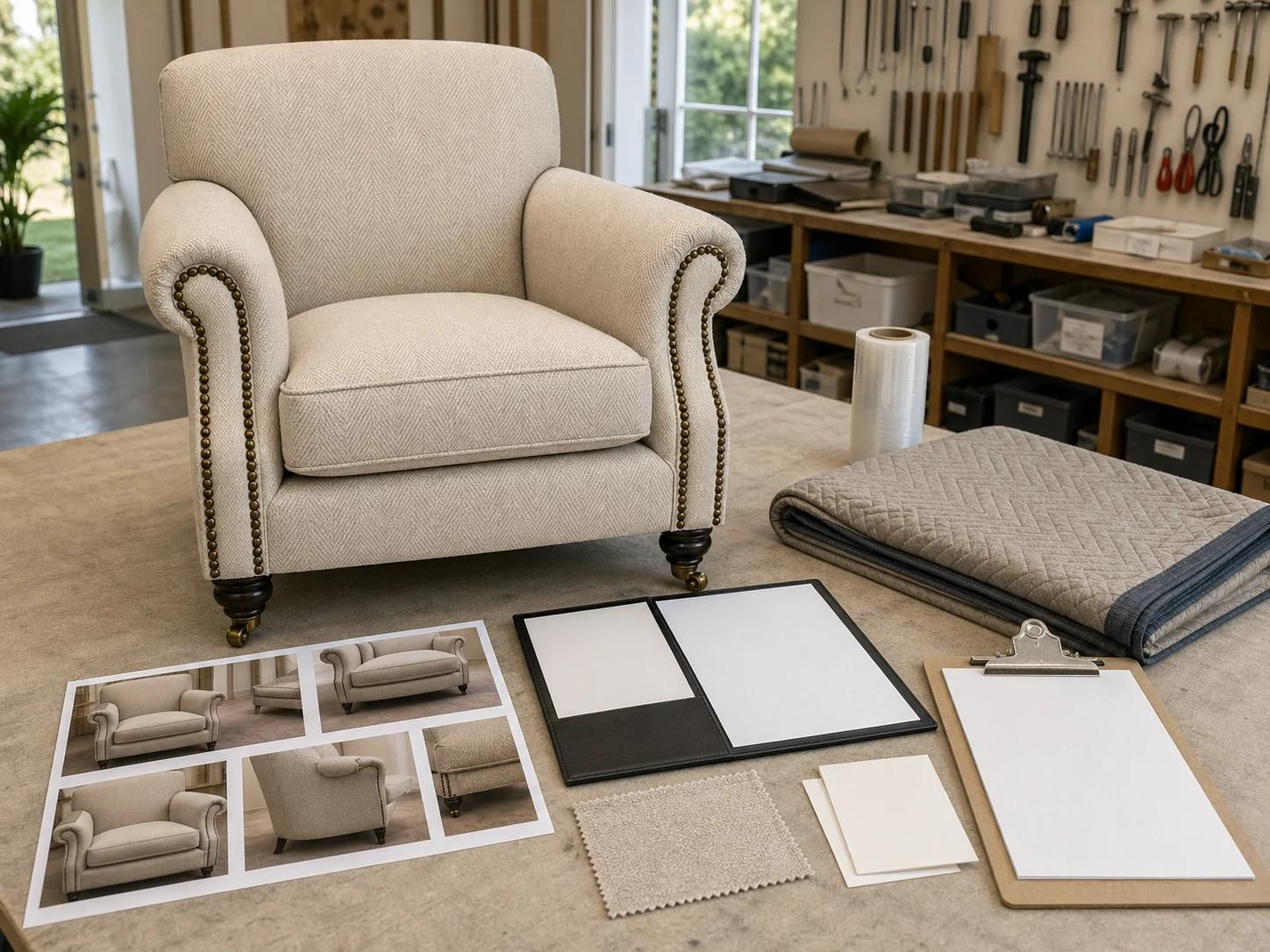
For a newly developed product, this should ideally be an approved white-background product image, supported by technical dimensions and additional views where necessary.
The process can be divided into four stages.
Stage One: Establish the Product Reference
Confirm the product’s actual appearance.
Record its silhouette, proportions, materials, colours, dimensions and important structural details.
For furniture with complex construction, use front, side, three-quarter and detail views.
Stage Two: Create the Lifestyle Scene
Generate or photograph the intended environment.
This could be a contemporary apartment, a European boutique hotel, a warm American living room or a minimalist retail display.
The environment should complement the product rather than redefine it.
Stage Three: Check Product Consistency
Compare the visual result with the approved product reference.
Check:
- Overall silhouette.
- Product proportions.
- Material appearance.
- Colour and finish.
- Structural details.
- Number and position of components.
- Relative scale within the scene.
Stage Four: Approve the Image for Its Intended Use
Not every generated image needs to become a final product image.
Some are useful for early design discussions.
Others are suitable for marketing inspiration.
Only images that accurately represent the product should be used as definitive product references.
This separation helps prevent a marketing image from accidentally becoming an unofficial manufacturing specification.
5. A Product Catalogue Needs More Than One Beautiful Lifestyle Image
A common mistake in furniture marketing is relying too heavily on the main lifestyle photograph.
A beautifully staged room may attract attention, but it does not necessarily answer the buyer’s questions.
A professional product presentation should communicate different kinds of information.
| Image type | What the buyer needs to understand |
|---|---|
| White-background image | Actual product appearance and silhouette |
| Front view | Main proportions and overall design |
| 45-degree view | Depth and three-dimensional structure |
| Side view | Construction and profile |
| Detail image | Material, finish and workmanship |
| Lifestyle image | Application and interior compatibility |
| Dimension image | Physical size and spatial suitability |
The image set should be consistent.
A buyer should not see one chair in the white-background image, a slightly different chair in the lifestyle scene and another version in the detail image.
This is especially important for online catalogues and wholesale product pages.
A useful external reference is the 2026 furniture imagery analysis published by OmniRoom, based on 27,253 generated images across 302 furniture businesses.
Its dataset reports an average of 5.4 saved images per furniture product, illustrating that sellers typically retain several different views rather than relying on one hero image.
The exact number will vary by product and sales channel, but the underlying lesson is clear:
Different images should answer different buying questions.
6. The Bigger Risk Is Not AI. It Is Confusing Inspiration With Product Evidence.
There is a tendency to divide the discussion into two opposing positions.
One side says AI-generated imagery is the future of furniture marketing.
The other worries that AI will make product images unreliable.
Both positions are incomplete.
AI visualization is useful when it helps buyers understand how a real product could work in a particular environment.
It becomes problematic when the image is treated as proof of a product feature that has never been manufactured or verified.
Consider three examples.
Example A: Early Design Exploration
A retailer wants to explore whether a new accent chair would work in a contemporary hotel lounge.
Several room scenes are generated using a preliminary concept.
This is useful for design discussion.
The images should be identified as conceptual visuals, not approved production references.
Example B: Marketing a Confirmed Product
A manufacturer has approved the chair’s dimensions, upholstery, structure and finish.
The same chair is placed into different lifestyle environments without changing its appearance.
This can be a practical way to expand marketing content.
Example C: Presenting an Unmade Product as a Finished Product
A generated image introduces a new frame shape, fabric texture or decorative feature that does not exist in the approved product.
The image is then published as if it represents an available SKU.
This creates a misleading product presentation.
The distinction is not whether AI was used.
It is whether the buyer can understand what is real, what is proposed and what has actually been approved.
7. Why Physical Samples Still Matter
No matter how convincing a digital image becomes, a physical sample answers questions that a visualization cannot fully resolve.
A buyer can examine the actual upholstery texture, metal finish, weight, surface treatment and construction.
A sample can also reveal problems that were invisible in a rendering.
A chair may look balanced but feel uncomfortable.
An ottoman may have attractive upholstery but insufficient support.
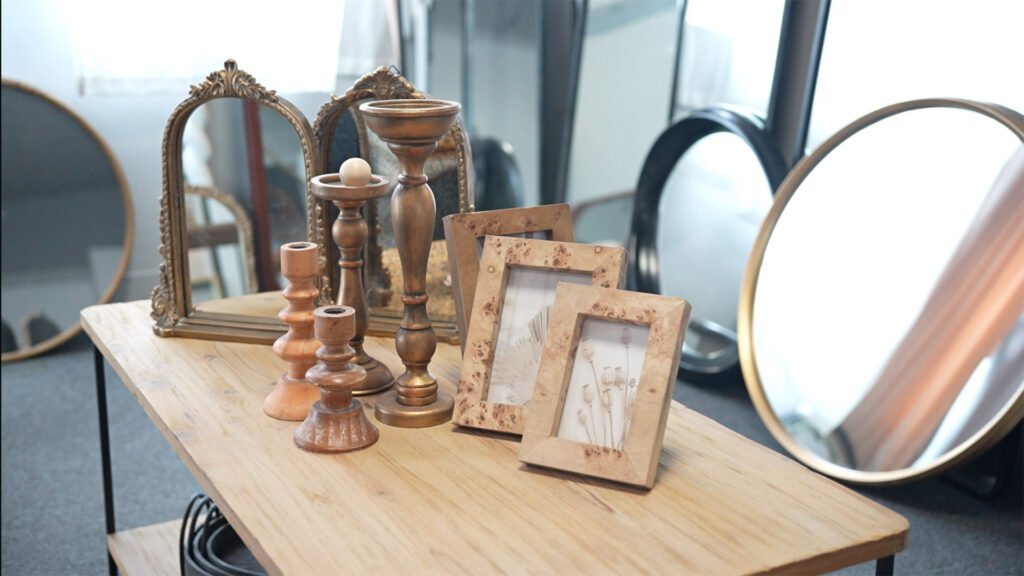
A decorative mirror may look elegant in a room scene but have a frame that is heavier than expected.
Teruier’s Canton Fair Product Development and Sample Review demonstrates how physical product evaluation supports sourcing discussions.
Buyers can compare actual samples, discuss material options, examine construction and determine whether a product is suitable for further development.
Teruier also explains the importance of physical references in More Than 20 Product Catalogs Backed by Physical Samples.
A catalogue helps buyers discover products.
A sample helps them understand what they are actually considering purchasing.
8. The Connection Between Visualization and Product Specifications
A product image communicates appearance.
A product specification communicates what must be manufactured.
These two documents should support each other.
For example, a specification for an upholstered accent chair may include:
- Overall dimensions.
- Seat height and depth.
- Frame material.
- Upholstery material and reference.
- Foam or filling requirements.
- Leg material and finish.
- Construction details.
- Weight and packaging information.
The visual reference should correspond to the same product version.
If a buyer approves a revised fabric, the product image and specification should be updated accordingly.
If the metal finish changes, the approved reference should record that change.
This is why a well-organized specification pack is important.
Teruier’s A Better Spec Pack Starts Before the Sample Is Made explains how product images, dimensions, materials and technical requirements should be connected before sampling.
For a broader purchasing framework, see How to Read Product Specifications: A Practical Guide for U.S. Home Furnishings Buyers.
The buyer should be able to identify the exact product version shown in the image, the version being sampled and the version being quoted.
9. What Should Retail Buyers Ask Their Suppliers?
When reviewing a supplier’s digital catalogue or AI-assisted product presentation, buyers should ask a few straightforward questions.
Is this an actual product or a concept image?
The distinction should be clear.
Does the lifestyle image show the exact product?
Check whether its dimensions, materials, colours and structure match the actual sample.
Are material and finish references available?
A visual impression is not a substitute for a confirmed material specification.
Can the supplier provide physical samples?
This is particularly important for upholstered products, mirrors and furniture with distinctive surface finishes.
Are the product specifications linked to the image?
A clear SKU, drawing revision and approved sample reference help avoid confusion.
Can the final production product be inspected against the approved reference?
The supplier should have a process for controlling changes between sample approval and bulk production.
These questions do not mean buyers should reject AI-generated imagery.
They mean buyers should use it intelligently.
Frequently Asked Questions
Can AI generate accurate furniture product images?
AI can produce useful lifestyle imagery, but accuracy depends on the reference material, workflow and verification. Generated images should be checked against the actual product, particularly for proportions, materials, colours and structural details.
What is furniture product visualization?
Furniture product visualization is the use of photography, CGI, 3D rendering, augmented reality or AI-assisted imagery to communicate a product’s appearance, configuration and intended application.
Is AI-generated furniture photography suitable for wholesale catalogues?
It can be useful for lifestyle presentation and early design exploration. However, the final product images should accurately represent the available product, and conceptual visuals should not be presented as verified finished products.
Why do furniture buyers need white-background images?
White-background images help buyers understand the actual product silhouette, shape, colour and construction without decorative surroundings distracting from the item.
Do AI lifestyle images replace physical samples?
No. Samples allow buyers to evaluate real materials, dimensions, workmanship, stability and functionality. Digital images and physical samples serve different purposes.
How can suppliers prevent AI images from changing furniture designs?
Use confirmed product references, lock important structural and material details, generate scenes around the existing product, and compare the final image with the approved sample before publication.
Final Thought: The Best Image Is Not the Most Beautiful One. It Is the Most Believable One.
Furniture marketing will continue to become more visual.
AI and 3D technology can help suppliers create more room scenes, explore different customer environments and present collections more efficiently.
There is no reason to reject these tools.
But the furniture industry should remember something important.
A product image is not just decoration.
It is part of the promise made to the buyer.
If a chair looks different in the catalogue, different in the sample and different again in bulk production, the problem is not a lack of attractive images.
It is a lack of product consistency.
Use AI to improve the way furniture is presented. Never use it to hide what the furniture actually is.
Teruier works with international furniture retailers, importers, home décor brands and interior designers on product development, physical samples, specification coordination, product visualization and wholesale sourcing.
Contact Teruier to discuss product references, sample development and retail-ready furniture collections.