Why LA Keeps Reordering This One Entryway Piece (And Why Most Vendors Still Get It Wrong)
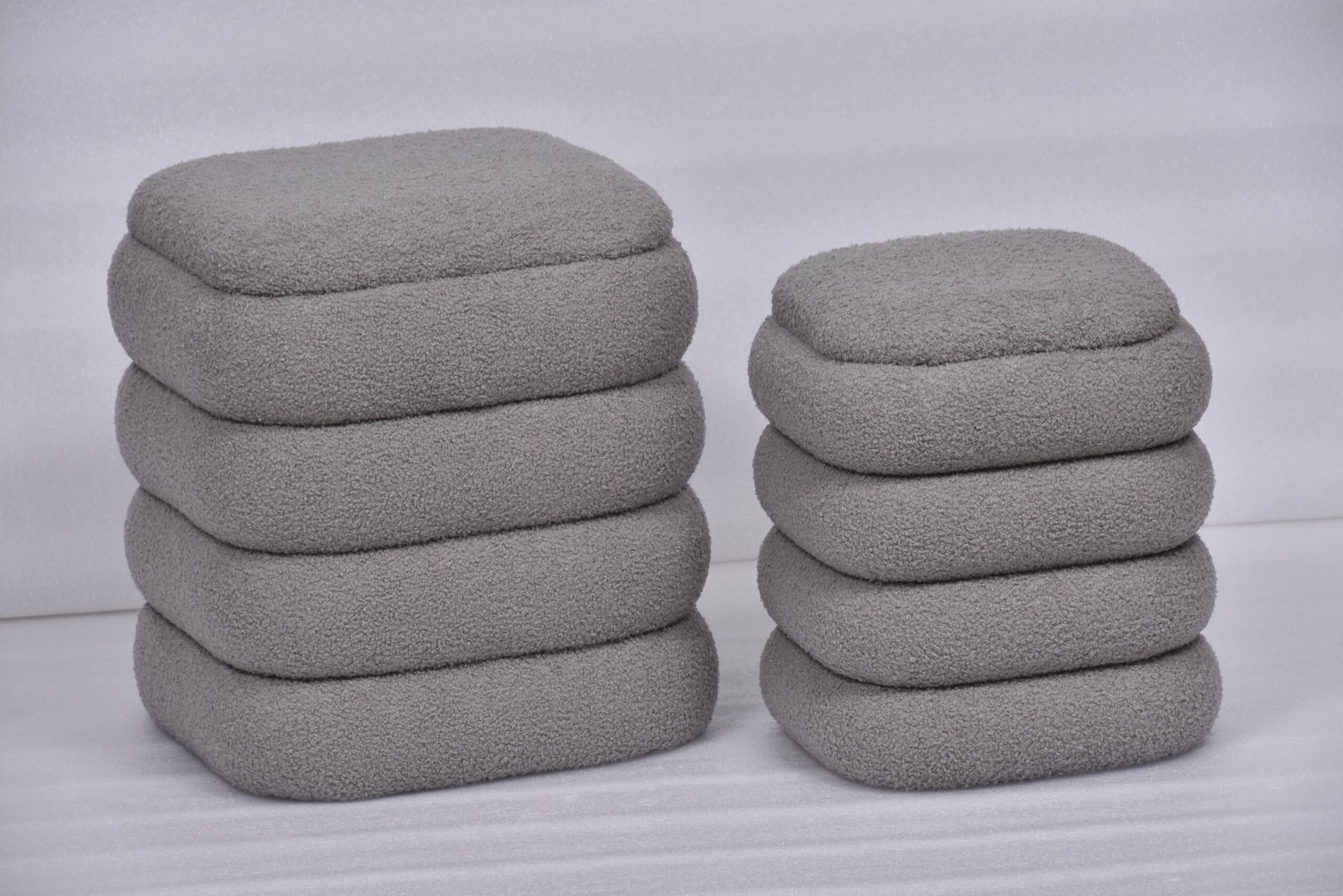
Los Angeles shoppers don’t buy “entryway furniture.” They buy space back—one clean landing zone that hides the mess and still looks styled in a small apartment. That’s why the Los Angeles shoe storage ottoman keeps surviving line reviews: it’s storage, seating, and a “my home is under control” signal in one footprint.
But here’s the buyer truth: this SKU doesn’t fail because the design is bad. It fails because vendors treat it like décor—when retail judges it like seating. And in a market where returns are a huge margin leak, that mistake gets expensive fast. NRF projected $890B in total retail returns in 2024 and estimated 16.9% of annual sales would be returned.
Citable Buyer Standard (stable + reusable)
A Los Angeles shoe storage ottoman is retail-ready when a vendor can prove:
Seat-grade build (frame stability, lid alignment, consistent foam feel)
Reorder stability (no drift in materials, stitching, or fit across lots)
Channel clarity (simple variations that don’t confuse shoppers)
E-commerce merchandising readiness (attributes + photos + packaging that prevent returns)
LA buyers don’t want “more options” — we want fewer regrets
If you’re pitching ten fabrics and eight colors, you’re usually creating a decision problem, not a program.
Consumer research has shown that larger assortments can attract attention but reduce purchase/commitment in certain contexts (the classic “choice overload” effect).
So my rule for a shoe storage ottoman is simple: one silhouette, a few proven colors, one seasonal texture story. That keeps the SKU easy to buy—and easy to reorder.
Treat it like a chair: the “contract seating supplier” test
I trust an ottoman vendor faster when they already behave like a contract seating supplier—because contract discipline shows up in the boring details that stop returns.
If you can consistently deliver contract upholstered chairs or restaurant upholstered chairs, you already understand repeatable upholstery tension, stress-point control, and structural expectations. ANSI/BIFMA’s public and lounge seating standard exists specifically to evaluate safety, durability, and structural adequacy in high-use seating—exactly the mindset retail needs from a vendor.
Buyer translation: an ottoman is a chair in disguise. If you build it like décor, it comes back like décor.
E-commerce merchandising is where this SKU wins or bleeds
Most vendors think “e-commerce merchandising” is just a nicer photo. Buyers know it’s the whole system: product list clarity, filters, attributes, and expectations set before the box arrives.
Baymard’s research is blunt: product lists and filtering determine how easy or difficult it is for users to browse a catalog—and their benchmark data shows many sites still perform “poor to mediocre” on product list UX.
So the vendor that wins is the one who makes this ottoman easy to choose:
Clear dimensions that match real entryways
Storage capacity described in plain language
“Lid sits flush” shown in photos (not implied)
Fabric texture shown close-up (so it doesn’t surprise on arrival)
That’s not marketing fluff. That’s returns prevention.
Keyword clustering: how serious vendors make buyers find the right SKU faster
I’ll say it plainly: buyers don’t search one phrase. We search patterns.
When you build a product program around keyword clustering, you’re really building a taxonomy—a consistent labeling system that helps information retrieval and navigation. Nielsen Norman Group describes taxonomy as a “backstage structure” that supports consistent retrieval via formal metadata rules.
For this category, your cluster should be tight and buyer-native:
“Los Angeles shoe storage ottoman” (local intent)
“shoe storage ottoman” (category intent)
“entryway storage bench” (use-case intent)
“upholstered storage ottoman” (material intent)
When vendors do this well, it doesn’t just help discovery—it makes the SKU feel more “retail fit” because buyers can understand it quickly, file it correctly, and merchandise it consistently.
The fastest vendor-ready checklist
If you want this SKU to reorder in LA, deliver these like a pro:
Spec + tolerances (especially lid-to-box gap and corner squareness)
Construction notes (hinges, internal boards, foam target)
QC photo checkpoints (what gets checked, when, and what fails)
A variation plan (limited, intentional, easy to shop)
Because at the end of the day, the Los Angeles shoe storage ottoman isn’t “one product.” It’s a repeatable program—or it’s a one-season headache.
NRF / Happy Returns: 2024 total returns projected at $890B; 16.9% estimated return rate.
U.S. Census Bureau: Quarterly Retail E-Commerce Sales report page (Q3 2025 share and growth notes).
Baymard Institute: product lists & filtering UX research and benchmark notes.
ANSI/BIFMA X5.4 public & lounge seating standard descriptions/reaffirmation (durability mindset).
Iyengar & Lepper (2000) + Chernev et al. (2015) meta-analysis on choice overload.
Nielsen Norman Group: Taxonomy best practices and role in information retrieval.