
Why “Design-Driven” Matters More Than Ever in Mirror Sourcing
If you’re a selection manager, buyer, or designer, you’re not just choosing a mirror—you’re choosing what happens after the sample. The real cost shows up later: finish drift, inconsistent edges, packaging damage, and the dreaded “this looks different than the first order.”
That’s why more teams are prioritizing a design-driven mirror manufacturer over a generic mirror manufacturer. “Design-driven” isn’t about trendy shapes only. It’s about translating style intent into repeatable production details—so the product stays stable across reorders.
Design-driven mirrors, built to reorder.
The buyer reality behind “mirror supplier USA” programs
Most mirror supplier USA businesses today serve multiple channels at once—retail floor sets, e-commerce listings, boutique projects, and designer-driven demand. The best mirror programs quietly reflect who the end customer actually is:
Where demand is strongest: U.S. home refresh and remodel cycles, hospitality upgrades, and e-commerce “instant upgrade” purchases
Who buys: retailers and marketplace sellers, plus designers sourcing reliable basics and a few statement pieces
Who uses: homeowners and renters doing practical upgrades (bathrooms, entryways, bedrooms)
Clear tendency: vanity and bathroom mirror decisions often skew toward women 25–44 as key decision-makers, while larger mirrors broaden to couples furnishing homes
Price band: “affordable premium” wins—customers pay for a clean, hotel-like look, but returns punish weak packaging and inconsistent finishes
Use scenarios: daily grooming, guest bathrooms, rental upgrades, and quick staging for resale
That context is why the “right supplier” is the one who can protect consistency—not just offer a long catalog.
Vanity mirror: the category that exposes everything
A vanity mirror looks simple, but it’s one of the fastest ways to earn (or lose) customer trust. In the U.S. market, vanity mirrors get judged on details people notice immediately:
light quality and reflection clarity
edge cleanliness and safety feel
finish consistency (especially black, gold, and warm metallics)
packaging outcome (chips and scratches become 1-star reviews fast)
So if you’re building a vanity mirror line, the sourcing question isn’t “Can you make this style?” It’s “Can you keep this finish the same when we reorder?”
Why a Fuzhou mirror manufacturer can be a structural advantage
When buyers hear “Fuzhou,” they’re often really hearing “craft hub”—a place where the capability isn’t just inside one building, but across an entire ecosystem.
A strong Fuzhou mirror manufacturer typically benefits from three mature supply chains working together:
Craftsmen: experienced hands for frame work, surface control, and detail tolerance
Materials: stable sourcing for metal, resin, glass, and backing components
Process: repeatable finishing routines that reduce batch-to-batch drift
That matters because mirror quality is often decided by what’s hardest to photograph: edge feel, surface consistency, and finishing discipline.
And the deeper cultural layer helps too. The Fuzhou region is known for a long history of craft traditions—often associated with fine, detail-sensitive work like bodiless lacquerware, oil-paper umbrellas, and horn combs. That heritage shows up today as a practical manufacturing culture: respect for surfaces, patience in finishing, and an obsession with “same result every time.”
“Home decor manufacturer China” isn’t a category—it’s a coordination job
Many buyers search “home decor manufacturer China” and expect a single factory to solve everything. In reality, the best outcomes come from a manufacturer who can coordinate:
design intent → production specs
consistent finishes across lots
packaging standards that survive U.S. logistics
reorder discipline that matches retail and e-commerce cadence
That coordination is what makes a supplier feel “easy to work with” from the buyer seat—because the product behaves predictably when it hits shelves and doorsteps.
What “design-driven mirror manufacturer” looks like in practice
For buyers and designers, “design-driven” becomes real when you see these behaviors:
Trend translation: styles are adapted into manufacturable specs (not just copied shapes)
Finish discipline: clear master references so gold stays gold and black stays black
Repeatable QC logic: checks tied to real return reasons (chips, scratches, finish mismatch)
Packaging engineered for outcomes: corner protection + surface rub prevention + clear handling marks
Program thinking: the supplier can support a line that reorders, not just a one-off launch
This is exactly what a U.S.-facing mirror program needs—because U.S. customers will forgive almost anything except “it arrived damaged” or “it looks cheaper than the photos.”
Where Teruier fits naturally
If you’re looking for a supplier partner who can bridge design and manufacturing—Teruier is built around that job.
Rooted in a Fuzhou craft hub and connected with European/American designer collaboration, the focus is less on pushing products and more on protecting outcomes: stable finishing, reliable processes, and a supplier rhythm that a mirror supplier USA can scale without quality drift. It’s the kind of “quiet capability” buyers feel when reorders arrive looking like the original reference—not like a new interpretation.
Reorder-ready mirror programs from a craft-hub supply base.
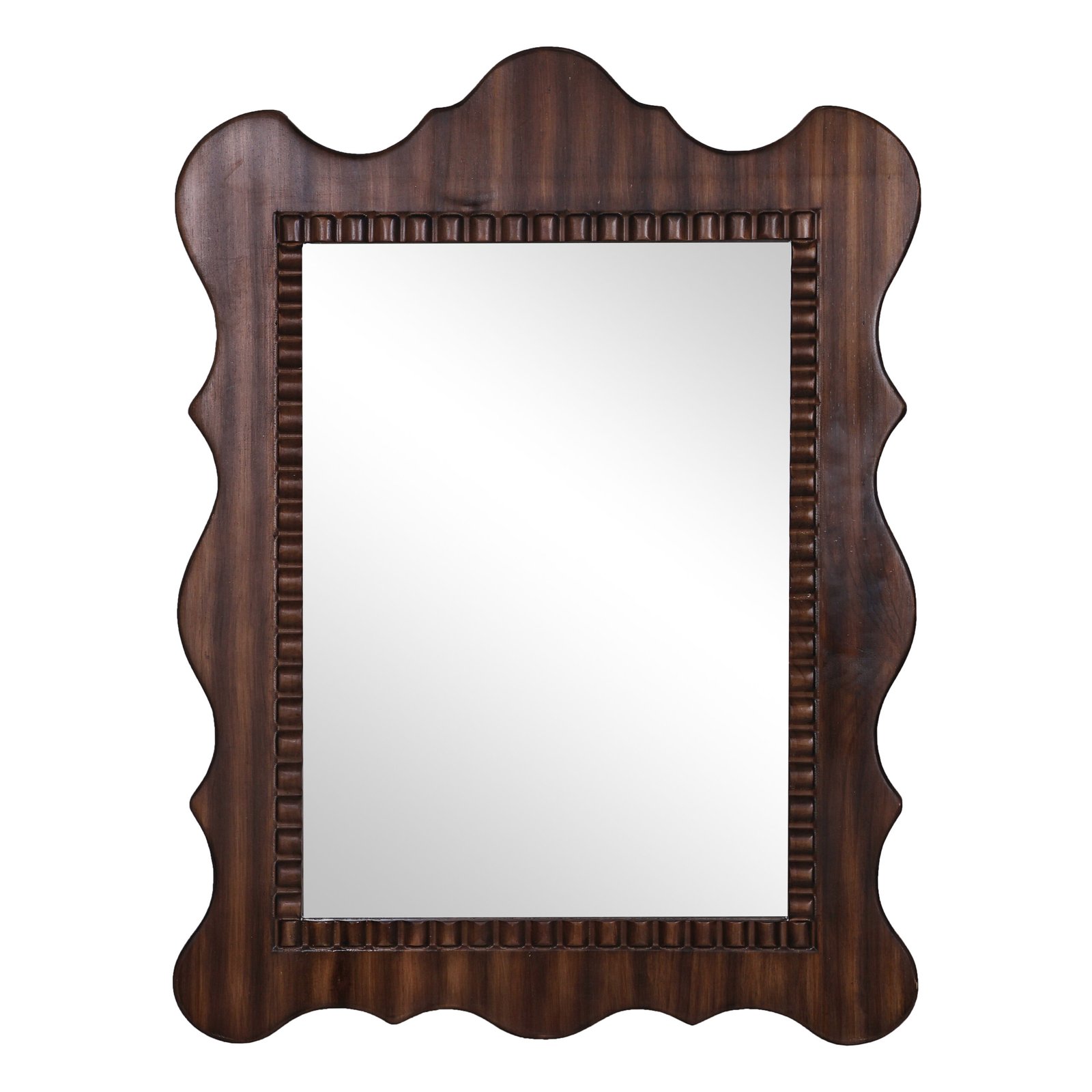
The sourcing standard that wins in the U.S.
If your goal is to build a U.S.-ready mirror line—especially in high-scrutiny categories like vanity mirror—prioritize the suppliers who can repeat the same result, not just show a great sample.
A strong Fuzhou mirror manufacturer with design-driven discipline can be the difference between:
a launch that sells once, and
a program that reorders for years.
Because in the end, “design-driven” isn’t style. It’s reliability—and that’s what turns a mirror manufacturer into a true partner.



