
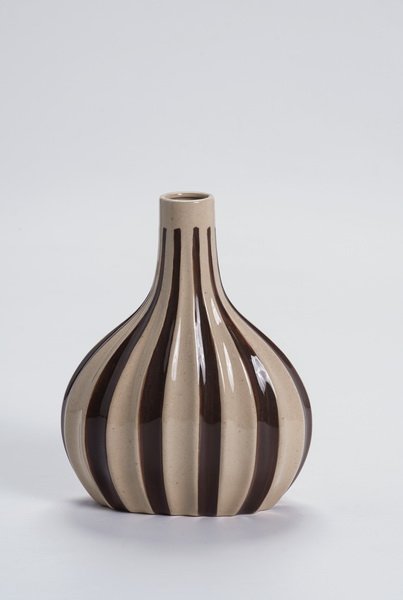
MOQ is not a punishment. Usually.
Every buyer has asked the same question at some point:
“Can we order a smaller quantity first?”
Very reasonable.
And every supplier has answered with something like:
“MOQ is 300 pieces.”
Also reasonable, though slightly less enjoyable.
For German buyers, interior designers and home décor merchants, wholesale MOQ explained is not only a pricing topic. It is a product logic topic.
MOQ decides whether a product can be tested, customised, packed, produced and reordered sensibly. It affects fabric sourcing, ceramic firing, mould development, packaging preparation and factory scheduling.
In other words, MOQ is not just the supplier being difficult.
Sometimes it is the product quietly telling you, “Please do not turn me into a special project for twelve pieces.”
What does wholesale MOQ mean?
Wholesale MOQ means minimum order quantity. It is the smallest quantity a supplier is willing or able to produce or sell for a particular product, colour, finish, size or material.
MOQ may apply by:
- product style
- colour
- glaze finish
- fabric option
- frame finish
- carton type
- custom size
- custom mould
- product category
For example:
A standard pear ceramic vase may have one MOQ.
A new glaze for the same vase may have another MOQ.
A tomato vase with a new mould may require a higher MOQ.
A box pleat ottoman in existing fabric may be easier than one in a custom textile.
A wabi sabi ceramic vase may need enough quantity to make firing and glaze variation commercially sensible.
MOQ is not one number.
It is the hidden structure behind the product.
Annoying, yes. Useful, also yes.
Why MOQ changes by product type
Different products create different factory realities.
| Product Type | Why MOQ May Be Higher |
|---|---|
| Ceramic vase | clay preparation, glaze batch, firing process |
| Tomato vase | mould and shape control |
| Pear ceramic vase | glaze colour and packaging setup |
| Wabi sabi ceramic vase | controlled variation and batch consistency |
| Box pleat ottoman | fabric sourcing, stitching labour, pleat consistency |
| Custom finish product | colour matching and sample approval |
| Custom size product | mould, carton, structure and tolerance changes |
A buyer may see only the finished product.
The factory sees material preparation, worker setup, production line time, packaging, inspection and rework risk.
That is why MOQ exists.
Not because factories enjoy ruining small test orders.
Though sometimes it may feel that way.
Skirted ottoman alternative: why box pleat ottomans need quantity logic
The skirted ottoman alternative box pleat ottoman wholesale direction is useful because it gives soft furniture a more tailored, structured look.
It works well for:
- bedrooms
- boutique hotel rooms
- dressing areas
- classic-modern interiors
- soft retail furniture stories
But a box pleat ottoman is not the same as a simple cube stool.
Buyers need to check:
- fabric availability
- pleat alignment
- seam quality
- foam support
- frame structure
- carton compression
- repeat fabric supply
MOQ may be affected by fabric roll quantity, cutting efficiency and labour setup.
A box pleat ottoman ordered in too small a quantity can become expensive very quickly.
The pleats may look charming.
The production cost may not.
Pear ceramic vase and tomato vase: small shape, real MOQ issue
A pear ceramic vase and a tomato vase both look like playful small décor items.
They are easy to understand.
They are good for shelves, kitchen styling, table stories and community home stores.
They also look harmless enough to make buyers say, “Can we just test a few?”
The answer depends on the production setup.
A ceramic shape may need:
- mould preparation
- glaze testing
- firing batch
- surface finishing
- individual packaging
- damage allowance
- QC sorting
For a pear ceramic vase, the key issues are shape consistency, glaze colour and base stability.
For a tomato vase, the key issues are red glaze control, surface detail, shape clarity and packaging.
A tomato vase should look like charming home décor.
It should not look like the kiln had a personal opinion about vegetables.
Wabi sabi ceramic vase: controlled imperfection still needs control
The wabi sabi ceramic vase is a good trend example because buyers often want irregularity.
But irregularity still needs standards.
A wabi sabi vase should feel calm, handmade and slightly imperfect. It should not look warped, unstable or accidentally unfinished.
German buyers should ask:
- What variation is acceptable?
- Is the glaze range approved?
- Does the base stand properly?
- Is each piece individually checked?
- Does the irregular shape affect packaging?
- Can the same style be repeated in future orders?
MOQ can be important here because the supplier may need enough production quantity to sort, match and control the batch.
“Every piece is different” sounds poetic.
In retail, it still needs a sellable range.
How to read product specifications before discussing MOQ
Many MOQ problems begin because buyers ask about quantity before understanding the product.
Knowing how to read product specifications helps buyers see why MOQ exists.
Before asking for a lower MOQ, check:
| Specification Area | Buyer Question |
| Product size | Does the size require special carton or mould? |
| Material | Is it ceramic, fabric, resin, wood, metal or mixed material? |
| Finish | Is the glaze, fabric or colour standard or custom? |
| Function | Is it decorative, seating, storage or usable tableware? |
| Packaging | Is special protection needed? |
| MOQ basis | Is MOQ by style, colour, finish or total order? |
| Lead time | Does custom material affect timing? |
| Reorder | Can the same finish be repeated later? |
If a supplier gives an MOQ without explaining the basis, ask.
If a buyer requests a smaller MOQ without understanding the product, pause.
Both sides should avoid pretending the number appeared from the sky.
Spec-ready supplier for interior designers: what they should explain
A spec-ready supplier for interior designers should explain MOQ clearly.
Not just:
“MOQ 300.”
Better:
“MOQ 300 pieces per glaze because the firing batch and colour matching need stable production volume.”
Or:
“MOQ 100 pieces per fabric if using available material, but 300 pieces if custom fabric is required.”
That is useful.
A spec-ready supplier should provide:
- product size
- material
- finish options
- MOQ by style or finish
- sample cost
- lead time
- packaging method
- carton size
- gross weight
- reorder possibility
- customisation impact
Interior designers do not need mysterious MOQ.
They need decision logic.
A mystery MOQ is not premium.
It is just annoying.
Artisan supply chain China: why small craft products need planning
The phrase artisan supply chain China is useful because many home décor products rely on craft-region production, not only automated factory lines.
Ceramics, decorative objects, hand-finished mirrors, upholstery details and small furniture can involve:
- mould workers
- glaze technicians
- fabric cutters
- sewing workers
- frame finish workers
- packing teams
- QC sorting
This gives buyers more design flexibility.
But it also means production needs planning.
Small-batch customisation may be possible, but not always at low cost or fast speed.
The best buyer approach is not to push every product into a tiny MOQ.
It is to decide:
- Which product is worth testing?
- Which finish should stay standard?
- Which SKU needs customisation?
- Which product can become a reorder item?
- Which item is only a seasonal accent?
That is proper trend translation.
Not just asking the factory to make miracles in small quantities.
Standard MOQ vs custom MOQ
| Buyer Request | Typical MOQ Logic | Buyer Advice |
| Existing pear ceramic vase, standard glaze | lower MOQ possible | good for testing |
| Pear ceramic vase, custom glaze | higher MOQ likely | test only if finish matters |
| Tomato vase, new shape | higher MOQ | use if strong retail story exists |
| Wabi sabi vase, existing style | manageable MOQ | define variation range |
| Box pleat ottoman, existing fabric | lower than custom fabric | safer first order |
| Box pleat ottoman, custom fabric | higher MOQ | check fabric roll requirement |
| Full custom size | highest risk | use only for real project need |
MOQ becomes easier to accept when the buyer understands the reason.
Still not fun.
But at least less mysterious.
Teruier’s value translation: turning MOQ from obstacle into decision tool
For this article, Teruier’s value translation approach is the right framework.
Buyers speak in commercial language:
“We want to test the trend.”
“We need a lower risk first order.”
“We want a custom finish.”
“We need something fresh for small spaces.”
Factories speak in production language:
“What mould?”
“What glaze?”
“What fabric?”
“What carton?”
“What batch quantity?”
“What lead time?”
Teruier’s value translation connects both sides.
It turns MOQ into a decision tool:
- pear ceramic vase becomes a small testable accent if using standard glaze
- tomato vase becomes a stronger commitment if mould and glaze are custom
- wabi sabi ceramic vase needs variation limits before order
- box pleat ottoman needs fabric and pleat control before MOQ discussion
- artisan supply chain China requires planning, not last-minute miracles
- spec-ready supplier support helps buyers understand what the MOQ actually means
MOQ should not stop trend development.
It should help buyers decide which trends deserve real production.
FAQ
What does wholesale MOQ mean?
Wholesale MOQ means minimum order quantity. It is the smallest quantity a supplier can produce or sell for a product, colour, finish, material or custom specification.
Why does MOQ change by product?
MOQ changes because different products require different materials, moulds, fabrics, glaze batches, packaging, labour setup and QC processes.
Why might a box pleat ottoman have a higher MOQ?
A box pleat ottoman may require specific fabric quantity, cutting efficiency, pleat stitching setup and more labour control than a simple ottoman.
Is a pear ceramic vase suitable for low-MOQ testing?
It can be, especially if the buyer uses an existing shape and standard glaze. Custom glaze or packaging may increase MOQ.
Why can a tomato vase require higher MOQ?
A tomato vase may need shape-specific moulding, red glaze control, surface detailing and careful packaging, especially if it is a new design.
What should buyers check in a wabi sabi ceramic vase?
Buyers should check glaze variation, shape stability, base levelness, packaging, reorder consistency and the acceptable range of imperfection.
How should buyers read product specifications before discussing MOQ?
They should check size, material, finish, function, packaging, MOQ basis, lead time and reorder possibility before negotiating quantity.
What is a spec-ready supplier for interior designers?
A spec-ready supplier provides clear product details, MOQ logic, material options, packaging notes, lead time, carton data and customisation impact.
Why does artisan supply chain China matter for MOQ?
Craft-based production can offer design flexibility, but it also needs batch planning, material preparation and skilled labour. Small custom quantities may cost more or take longer.
Final thought: MOQ is not the enemy. Bad product planning is.
For German buyers, wholesale MOQ explained means understanding why a number exists before trying to reduce it.
A pear ceramic vase may be easy to test.
A tomato vase may need stronger commitment.
A wabi sabi ceramic vase needs variation control.
A box pleat ottoman needs fabric and stitching logic.
A spec-ready supplier should explain MOQ clearly.
MOQ should not be treated as a wall.
It is a signal.
It tells the buyer what kind of product they are really asking the factory to make.



