
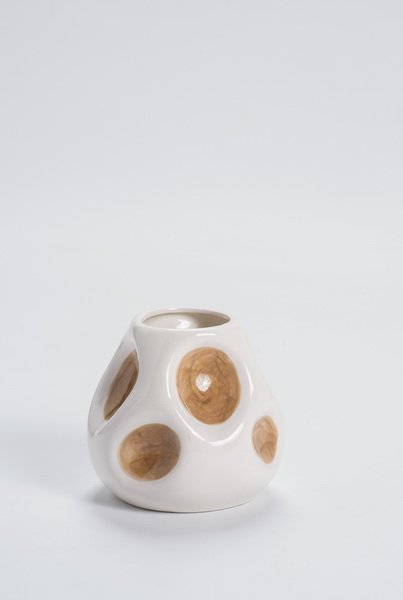
A designer resource center should not be a pretty library of vague ideas
Interior designers do not need another page full of “timeless elegance”, “curated living” and “soft emotional atmosphere”.
Lovely words. Almost completely useless when the buyer needs to know which ottoman fabric, which ceramic finish, which mirror size and which carton specification will actually work.
For German buyers and interior designers, a designer resource center for interior designers should help translate trends into real product decisions.
Not mood-board poetry.
Real decisions.
Which product fits a small room?
Which finish works with neutral interiors?
Which ceramic glaze is safer for reorder?
Which ottoman can be used across multiple projects?
Which supplier can support project and retail sourcing without turning every request into a 37-email opera?
That is the point.
What is a designer resource center for interior designers?
A designer resource center for interior designers is a practical knowledge and product decision hub for designers, buyers, retailers and project teams.
It should include:
- product guides
- material and finish notes
- mirror size references
- ottoman upholstery options
- ceramic glaze directions
- small space assortment planning ideas
- project sourcing checklists
- packaging notes
- MOQ and lead time guidance
- retail-ready assortment suggestions
For German buyers, the resource center should answer one simple question:
“How do we turn this design direction into something we can actually buy, explain, display and reorder?”
If it cannot answer that, it is not a resource center.
It is a mood board wearing business shoes.
German Buyer Desk: the questions that matter
A German Buyer Desk perspective is practical.
German buyers usually want clarity before excitement.
Good. Excitement is nice, but clarity pays the invoice.
Useful questions include:
| Buyer Question | Why It Matters |
|---|---|
| What room problem does this product solve? | avoids random assortment building |
| Is the material easy to repeat? | protects reorder stability |
| Does the finish match other products? | supports shelf and room logic |
| Is the product easy to explain? | helps retail and client presentation |
| Is the carton suitable? | protects shipment and margin |
| Is this core SKU or accent SKU? | supports buying quantity |
| Can the supplier support project use? | matters for designers and fit-out work |
A product should not only look good.
It should have a job.
If it has no job, it is just decoration waiting for a discount sticker.
Textured neutral ottoman: the quiet workhorse of designer assortments
A textured neutral ottoman is one of the most useful products for designers because it can appear in many rooms without causing trouble.
It works in:
- bedrooms
- living rooms
- dressing corners
- entryways
- hotel rooms
- small apartments
- community home stores
Good directions include:
- taupe woven fabric
- cream bouclé
- beige linen-look upholstery
- warm grey chenille
- subtle stripe
- soft neutral velvet
The value is not loud design.
The value is flexibility.
A textured neutral ottoman can sit under a wall mirror, beside a bed, in front of a chair, near a console, or inside a small-space display.
That is very useful.
Not every product needs to shout. Some products earn money by behaving well.
Tonal ceramic finishes: easy to place, easier to explain
Tonal ceramic finishes are important because they help designers build calm, connected room stories.
Useful tonal directions include:
- warm white
- soft beige
- taupe
- muted green
- terracotta
- stone grey
- cream reactive glaze
These finishes work well with mirrors, ottomans, benches, trays and storage pieces.
For example:
| Room Story | Ceramic Finish | Works With |
| Warm Entryway | beige / terracotta | brass mirror, neutral ottoman |
| Modern Apartment | stone grey / muted green | black mirror, storage box |
| Soft Bedroom | cream reactive glaze | upholstered bench, wood tone |
| Natural Living Room | warm white / taupe | woven basket, organic mirror |
| Retail Shelf Story | tonal finish family | trays, vases, small ceramics |
Tonal does not mean boring.
It means the product does not fight the room.
A very underrated quality.
Matte ceramic decor: the shelf support product designers should not ignore
Matte ceramic decor is one of those quiet categories that makes a room feel more finished.
It does not dominate.
It does not demand attention.
It simply helps the shelf, console or side table look considered.
Useful items include:
- matte ceramic vases
- small bowls
- decorative objects
- trays
- candle holders
- lidded containers
- sculptural accents
German buyers should check:
- surface quality
- glaze consistency
- edge finishing
- base stability
- packaging protection
- colour repeatability
A matte ceramic piece should feel calm and refined.
It should not feel dusty, chalky or like it gave up halfway through becoming premium.
Fish motif ceramic platter: trend accent, not the whole story
A fish motif ceramic platter can be useful when buyers want a clear seasonal or coastal accent.
It works for:
- summer table styling
- Mediterranean-inspired assortments
- restaurant-style home décor
- boutique gift displays
- community home stores
- shelf stories with ceramic accents
But buyers should not overdo it.
One fish platter can be charming.
A whole shelf of fish can feel like the buyer accidentally opened a seafood museum.
German buyers should check:
- motif style
- glaze finish
- decorative or serving use
- edge thickness
- packaging protection
- reorder consistency
The fish should look intentional.
Not surprised.
That is an important design standard, apparently.
Small space assortment planning: products must earn their floor space
Small space assortment planning is especially important for German homes, rental flats, compact apartments and community stores.
Small-space products should be:
- useful
- easy to explain
- visually light
- easy to combine
- not too bulky
- strong enough to create a room story
A practical small-space assortment might include:
| Product Role | Example | Why It Works |
| Visual anchor | full-length mirror or wall mirror | opens the room |
| Soft function | textured neutral ottoman | adds seating without bulk |
| Shelf texture | matte ceramic decor | finishes the display |
| Seasonal accent | fish motif ceramic platter | gives personality |
| Storage helper | basket or box | solves clutter |
| Project piece | compact bench | adds function near bed or entry |
Small-space buying is not about shrinking random products.
It is about choosing products that do more work in less room.
Very German. Very sensible. Very commercial.
Contract furniture supplier: when designer products need project discipline
A contract furniture supplier is useful when products are needed for hotels, apartments, serviced residences, retail fit-outs or interior design projects.
For designers, this matters because some products must perform beyond home styling.
A contract-minded supplier should support:
- product specifications
- material references
- finish consistency
- carton details
- MOQ and lead time
- project delivery planning
- replacement support
- durability discussion
- packaging standards
A textured ottoman for a private home and an ottoman for repeated hotel-room use are not the same buying question.
One needs style.
The other needs style plus discipline.
And discipline is what prevents a beautiful project from becoming a procurement headache with cushions.
Product inspiration vs designer resource center
| Buyer Need | Product Inspiration Page | Designer Resource Center |
| Main role | shows ideas | supports decisions |
| Product detail | limited | specs, materials, finishes |
| Designer use | mood reference | project and retail planning |
| Assortment logic | often vague | room-use structure |
| Supplier value | visual browsing | sourcing support |
| Best outcome | “That looks nice” | “We can buy this properly” |
A product inspiration page is pleasant.
A designer resource center is useful.
German buyers usually prefer useful. With good reason.
Teruier’s value translation: from trend signal to product decision
For this article, Teruier’s value translation approach is the right framework.
Trend language sounds like this:
“Soft neutral living.”
“Small-space styling.”
“Crafted ceramic story.”
“Seasonal table accent.”
“Project-ready furniture.”
Buyer language sounds like this:
“What size?”
“What material?”
“What finish?”
“What MOQ?”
“What carton?”
“What lead time?”
“What reorder risk?”
Teruier’s value translation connects the two.
It turns trends into product decisions:
- “soft neutral living” becomes textured neutral ottoman
- “crafted ceramic story” becomes tonal ceramic finishes and matte ceramic decor
- “seasonal accent” becomes fish motif ceramic platter with clear retail role
- “small-space styling” becomes mirror + ottoman + ceramic + storage assortment
- “project-ready furniture” becomes contract supplier logic and product specifications
That is what a real designer resource center should do.
Not decorate the website.
Help buyers make better choices.
FAQ
What is a designer resource center for interior designers?
A designer resource center for interior designers is a practical hub that helps designers and buyers choose products, materials, finishes, sizes, packaging and project-ready assortments more clearly.
Why is a German Buyer Desk perspective useful?
It focuses on practical buying questions: product role, material repeatability, finish coordination, MOQ, lead time, packaging, reorder stability and customer explanation.
Why is a textured neutral ottoman useful for designers?
It works across bedrooms, living rooms, dressing corners, entryways, hotels and small apartments. It adds texture, seating and softness without dominating the room.
What are tonal ceramic finishes?
Tonal ceramic finishes are controlled, easy-to-place ceramic colours such as warm white, beige, taupe, muted green, terracotta, stone grey and cream reactive glaze.
Why is matte ceramic decor important?
Matte ceramic decor adds texture and calmness to shelves, consoles and room displays. It supports mirrors, ottomans, trays and storage products without overpowering them.
Is a fish motif ceramic platter suitable for retail buyers?
Yes, if used as a clear accent product for coastal, Mediterranean, summer or table styling stories. Buyers should control motif style, glaze, use case and packaging.
What is small space assortment planning?
Small space assortment planning means choosing products that work well in compact homes, such as mirrors, ottomans, ceramics, storage pieces and small benches that solve room problems without taking too much space.
When does a buyer need a contract furniture supplier?
A contract furniture supplier is useful when products are needed for hotels, apartments, fit-outs or repeated project use, where specifications, durability, delivery and replacements matter.
Final thought: a real resource center makes product decisions easier
For German buyers, a designer resource center for interior designers should not be a decorative content section.
It should help answer real sourcing questions.
Which ottoman works across projects?
Which ceramic finish is safe for small spaces?
Which accent piece gives the shelf personality?
Which supplier can support contract furniture requirements?
Which products are easy to explain and reorder?
Good trend translation does not stop at inspiration.
It turns inspiration into products buyers can actually use.



