
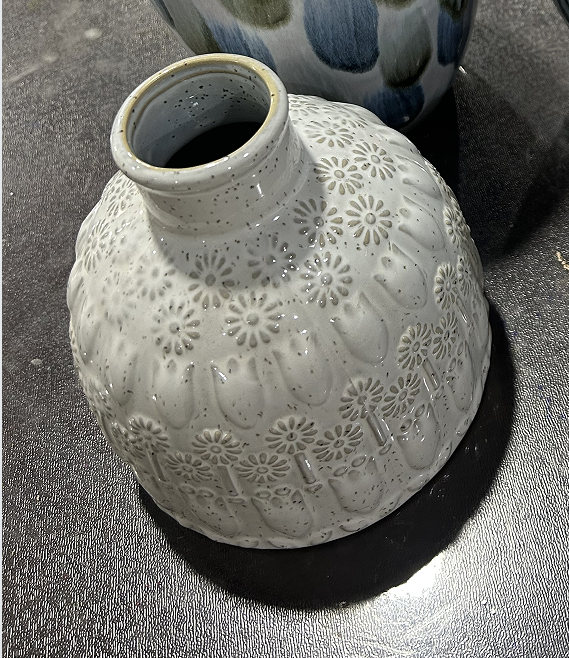
A ceramic glaze is a trend signal, not just a colour
A ceramic vase can look very simple.
Nice shape.
Nice glaze.
Nice photo.
Nice supplier saying, “This is very popular.”
Fine.
But German buyers and interior designers know the real question is not whether the glaze looks nice in one sample.
The better question is:
Can this ceramic decor glaze finish be repeated, explained, packed, matched with other products, and used in a project without creating a small procurement headache?
That is the point of trend translation.
A glaze trend becomes useful only when it turns into a clear product decision.
Otherwise, it is just pretty clay with confidence.
What is ceramic decor glaze finish?
Ceramic decor glaze finish refers to the surface treatment on ceramic home décor products. It affects colour, shine, texture, touch, variation, perceived value and how well the product works inside a room or retail assortment.
Common glaze directions include:
- matte beige glaze
- warm white glaze
- terracotta glaze
- soft green glaze
- reactive glaze
- glossy majolica-style glaze
- speckled glaze
- stone-look glaze
- tonal ceramic glaze
For buyers, glaze is not only an aesthetic detail.
It affects:
- shelf value
- room coordination
- reorder stability
- packaging risk
- customer explanation
- project suitability
- perceived quality
A ceramic item with the wrong glaze does not merely look “slightly different”.
It becomes harder to sell.
How to read product specifications before approving a glaze
Knowing how to read product specifications is important before approving any ceramic décor item.
A useful specification should not only say “ceramic vase, beige glaze”.
That is not a specification. That is a polite hint.
German buyers should check:
| Specification Area | What to Check |
|---|---|
| Product size | height, width, opening size, base size |
| Material | ceramic, stoneware, earthenware, porcelain-style |
| Glaze type | matte, glossy, reactive, speckled, crackle |
| Colour range | approved sample and acceptable variation |
| Surface texture | smooth, rough, ribbed, hand-feel |
| Function | decorative only or suitable for water / table use |
| Packaging | inner protection, carton size, gross weight |
| Reorder note | whether the glaze can be repeated |
| Care note | cleaning and customer-use guidance |
A product photo shows what the sample wants to be.
The specification shows whether the buyer can actually order it.
Very different things.
Custom size vs custom finish: glaze is often the safer customisation
Interior designers often ask to change products.
A taller vase.
A smaller bowl.
A warmer glaze.
A softer matte finish.
A ceramic piece that matches the mirror, ottoman and room palette.
All reasonable.
But buyers should separate custom size from custom finish.
| Customisation Type | What Changes | Main Risk | Better Use |
| Custom size | mould, dimension, weight, carton | longer development, new packaging, higher tolerance risk | project-specific space needs |
| Custom finish | glaze colour, surface, shine, texture | colour variation, repeat control | room palette and assortment coordination |
| Custom function | water use, serving use, drainage, food contact | documentation and testing needs | project or hospitality needs |
For ceramic décor, custom finish is often safer than custom size.
Changing the glaze can make the product fit a project or retail story while keeping the mould and packaging more stable.
Changing the size may change everything.
And “everything” is rarely a good word in sourcing.
What interior designers should ask before requesting a custom size or finish
This is where many projects go wrong.
A designer sees a ceramic item and says, “Can we make it slightly larger and a little warmer?”
The supplier says, “Yes.”
Everyone smiles.
Then the carton changes, the glaze changes, the lead time changes, the MOQ changes, and suddenly “slightly” has become a full-time job.
Here is what interior designers should ask before requesting a custom size or finish:
| Question | Why It Matters |
| What problem does this change solve? | avoids unnecessary customisation |
| Is this for one project or repeat use? | decides whether customisation is worth it |
| Does size change the carton? | affects shipping and damage risk |
| Does finish change the lead time? | protects project schedule |
| Can the glaze be repeated? | supports reorder stability |
| Is a new sample required? | avoids approval confusion |
| Does MOQ change? | keeps the request commercially realistic |
| Is the product decorative or functional? | affects product notes and documents |
| Will the product still be easy to explain? | protects retail logic |
Customisation is useful when it solves a real problem.
It is dangerous when it only expresses mood.
Mood is nice. MOQ is less forgiving.
Small space assortment planning: ceramic glaze must support the room
In small space assortment planning, ceramic décor usually works with other products.
It may sit beside:
- a full-length mirror
- a wall mirror
- a textured ottoman
- a storage bench
- a small tray
- a decorative box
- a console table
The ceramic glaze should support that story.
| Room Story | Ceramic Glaze Direction | Works With |
| Warm Entryway | matte beige or terracotta | brass mirror, small bench |
| Soft Bedroom | cream reactive glaze | upholstered ottoman, wood finish |
| Modern Apartment | stone grey or muted green | black mirror, storage box |
| Natural Living Room | warm white or stone-look glaze | wood mirror, woven storage |
| Boutique Shelf | glossy majolica-style accent | tray, mirror, decorative objects |
The ceramic piece does not need to dominate.
It needs to help the room make sense.
A small vase can do a lot of work when the glaze is right.
A bad glaze can also ruin the whole shelf with impressive efficiency.
Project-ready home décor supplier: why glaze needs supplier discipline
A project-ready home décor supplier should help buyers turn glaze ideas into product standards.
That means the supplier should provide:
- glaze sample reference
- acceptable colour range
- surface standard
- size and weight notes
- packaging details
- MOQ and lead time
- product use clarification
- reorder possibility
- care notes
- batch control guidance
This is especially important when buyers need customization and design support for interior designers.
A good supplier does not simply say, “Yes, we can change the glaze.”
A good supplier explains:
- which glaze can be repeated
- which glaze may vary too much
- whether a new sample is needed
- whether the change affects production time
- whether the product can still be reordered
That is the difference between design support and decorative optimism.
Cheap customisation vs useful customisation
| Buyer Point | Cheap Customisation | Useful Customisation |
| Supplier answer | “Yes, possible” | explains risk and timing |
| Glaze control | unclear | sample and tolerance defined |
| Size change | accepted casually | checked against mould and packaging |
| Product specs | vague | documented |
| Reorder | uncertain | planned where possible |
| Buyer result | fast quote, higher risk | clearer decision, lower project risk |
German buyers do not need suppliers who say yes fastest.
They need suppliers who explain what the yes actually means.
That is less exciting.
It is also how projects survive.
Teruier’s value translation: from glaze mood to buying decision
For this article, Teruier’s value translation approach is the right framework.
Designers often speak in visual language:
“We need a warmer ceramic.”
“The glaze should feel softer.”
“The vase should work in small rooms.”
“The shelf needs a quiet but crafted look.”
“The product should match the mirror and ottoman.”
Factories speak in production language:
“What glaze?”
“What colour range?”
“What mould?”
“What carton?”
“What MOQ?”
“What tolerance?”
Teruier’s value translation connects both sides.
It turns design mood into product decisions:
- “warmer ceramic” becomes terracotta or warm beige glaze
- “softer finish” becomes matte glaze with approved surface standard
- “small-space friendly” becomes size, weight and shelf-use planning
- “project ready” becomes specs, packaging and lead time
- “designer support” becomes custom finish advice before custom size changes
That is trend translation.
Not copying what looks nice.
Turning what looks nice into something buyers can actually use.
FAQ
What is ceramic decor glaze finish?
Ceramic decor glaze finish is the surface treatment on ceramic décor products. It affects colour, texture, shine, touch, variation, perceived value and retail presentation.
Why does ceramic glaze matter for German buyers?
It affects how the product looks on the shelf, how it coordinates with mirrors and furniture, whether it feels high-quality, and whether it can be reordered consistently.
How should buyers read product specifications for ceramic décor?
Buyers should check size, material, glaze type, colour range, surface texture, function, packaging, carton data, care notes and reorder possibility.
What should interior designers ask before requesting a custom size or finish?
They should ask what problem the change solves, whether it affects carton size, lead time, MOQ, sample approval, reorder stability and customer explanation.
Is custom finish safer than custom size?
Often, yes. Custom finish can update the product visually while keeping the mould and packaging stable. Custom size may change structure, carton, cost and lead time.
What is small space assortment planning?
Small space assortment planning means building product groups that work in compact homes, such as mirrors, ottomans, storage pieces, trays and ceramic décor that support one clear room story.
What makes a project-ready home décor supplier useful?
A project-ready supplier provides clear specs, samples, packaging notes, MOQ, lead time, finish standards and customisation advice before the order becomes risky.
Why is customization and design support important for interior designers?
Interior designers need suppliers who can translate design requests into production-ready decisions, including size, finish, glaze, packaging and delivery impact.
Final thought: the glaze is where the trend becomes real
For German buyers, ceramic decor glaze finish is not a small surface detail.
It is where the trend becomes visible, sellable and risky.
A good glaze can make a ceramic piece feel warm, crafted and retail-ready.
A bad glaze can make the same product feel cheap, random or impossible to reorder.
Interior designers should ask better questions before customising.
Buyers should read product specifications before approving samples.
Suppliers should translate design mood into clear production standards.
That is how ceramic décor moves from trend language to real business.



