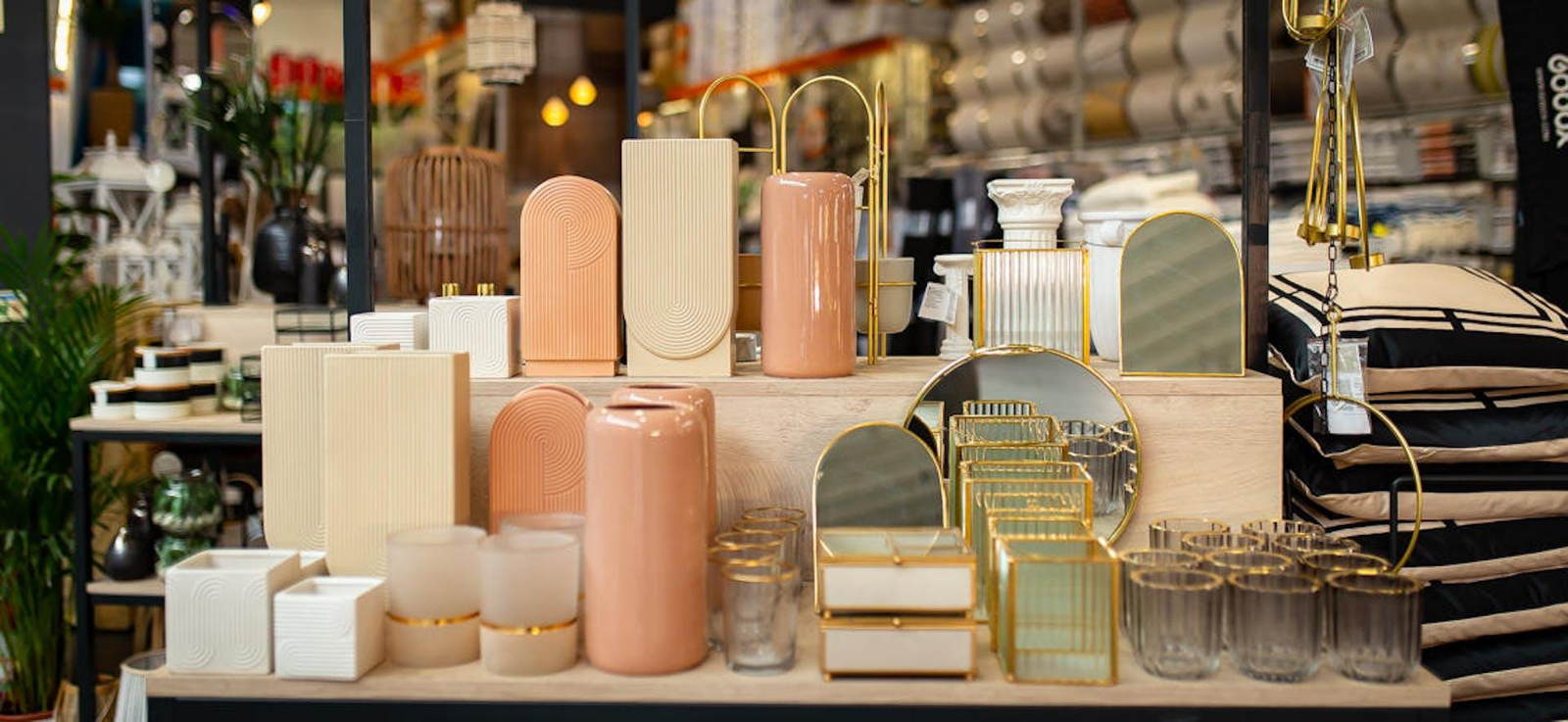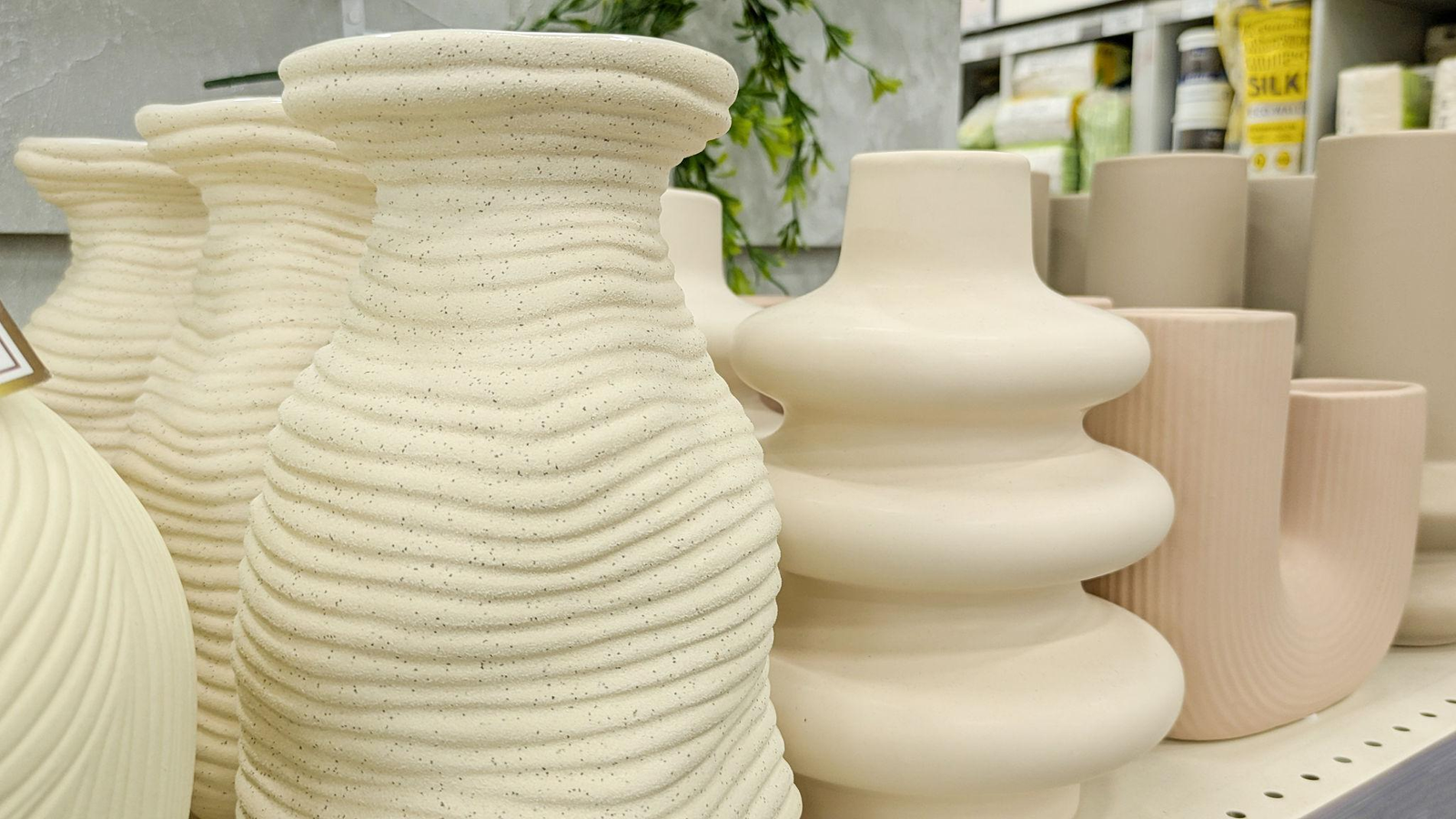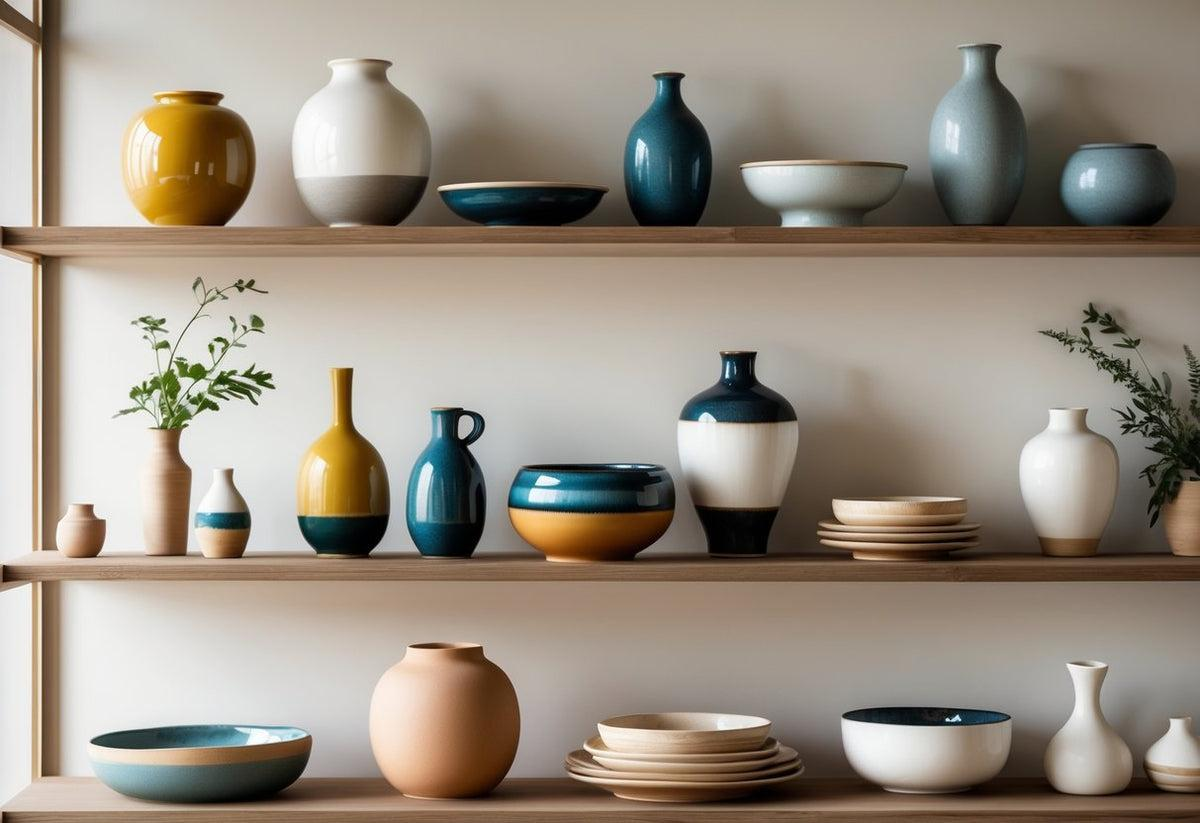
A new home décor product sells out.
The buyer is happy. The sales team is excited. The supplier is already asking about the next purchase order.
Everyone seems to agree: reorder immediately.
But what if that is the wrong decision?
A product can sell out because the initial quantity was too small. It can perform well because of a temporary promotion, a seasonal buying window or a viral social media moment.
None of these automatically proves that customers will want the same product six months later.
For buyers building wholesale home décor collections, this distinction matters.
The first order tests whether a product can attract demand.
The second order tests whether that demand deserves a permanent place in the business.
A bestseller is a sales result. A reorder-worthy product is a business decision.
The Sell-Out Illusion: Four Reasons a Product Can Sell Quickly
Before approving another order, buyers should understand why the first shipment sold.
There are at least four different explanations.
1. The Initial Quantity Was Too Small
A product sells out within three weeks.
That sounds impressive.
But if the retailer initially purchased only a small test quantity, the result may reflect limited inventory rather than unusually strong demand.
A sell-out tells the buyer that available stock was exhausted.
It does not reveal how much additional stock customers would have purchased.
The buyer needs to compare sales velocity with inventory availability and the length of time the product was actually available.
2. Discounts Created Artificial Demand
A decorative mirror sells quickly after a promotional campaign.
But would customers have purchased the same quantity at the original retail price?
A product that depends heavily on discounts may not deserve the same replenishment strategy as one that sells consistently at full price.
Buyers should separate normal demand from promotion-driven demand.
Otherwise, the next order may be based on an unrealistic expectation.
3. The Product Benefited From a Temporary Trend
Some products attract immediate attention because they are unusual.
A distinctive ceramic object, a playful fruit-inspired design or an expressive decorative mirror can create excitement.
However, novelty has a commercial lifecycle.
Customers may purchase the product because it feels new, not because they want to buy it repeatedly.
This does not make novelty products bad investments.
It means their purchasing strategy should reflect their expected lifecycle.
4. The Calendar Did the Selling
A product launched before a seasonal display reset, holiday period or gifting occasion may perform particularly well.
But demand can change after the occasion passes.
Buyers should distinguish between products that are naturally seasonal and products that have year-round demand.
The mistake is treating a successful seasonal launch as proof of permanent demand.
Three Product Types Need Three Different Reorder Strategies
A useful approach is to divide a home décor assortment into three product roles.
| Product Type | Commercial Role | Reorder Strategy |
|---|---|---|
| Core Product | Stable, ongoing assortment | Regular replenishment based on demand |
| Seasonal Product | Serves a defined seasonal opportunity | Planned seasonal purchasing |
| Trend Experiment | Tests a new design or customer preference | Limited initial commitment; reorder only with evidence |
These categories should not be confused.
A seasonal product can be successful without becoming a core product.
A trend experiment can generate valuable market information even if it never receives a second order.
And a core product does not need to be visually boring.
The objective is to match purchasing behaviour with the actual role of each SKU.
The Second-Season Test: Does the Product Still Deserve Its Shelf Space?
The most important evaluation should happen after the initial launch excitement has passed.
I call this the Second-Season Test.
Instead of asking whether the product sold well during its first launch, ask whether it still makes commercial sense in the next selling period.
A buyer can examine six areas.
1. Demand Beyond the Launch Period
Did sales continue after the initial promotional or seasonal activity ended?
Did customers continue searching for the product?
Did the product sell through different retail channels?
A product with sustained demand has a stronger case for replenishment than one that only performed during its launch window.
2. Full-Price Demand
Did the product sell at its intended retail price?
If it required repeated discounts, the buyer should reconsider its long-term price positioning.
A product can move quickly and still fail to support the expected commercial return.
3. Customer Feedback and Returns
Look beyond sales numbers.
What did customers like?
What complaints appeared?
Did the product create expectations that its actual function or finish could not meet?
A successful first order should generate information that improves the next purchasing decision.
4. Product Identity
Does the product still fit the retailer’s wider collection?
A strong trend product can become visually outdated when the rest of the assortment moves in another direction.
The buyer should ask whether the product still contributes to the store’s intended design identity.
5. Replenishment Feasibility
Can the supplier provide the same product configuration again?
Are the materials and finishes still available?
Does the next production run require significant changes?
A product may remain commercially attractive but become difficult to reorder if its original material or construction cannot be maintained.
6. Opportunity Cost
What else could the buyer purchase with the same inventory budget?
A second order of a successful experimental product may prevent investment in another promising category.
Reordering is not simply a question of whether the product can sell.
It is also a question of whether it remains the best use of available purchasing resources.
The Four Decisions After the First Launch
Once the second-season review is complete, the buyer should make a clear decision.
| Decision | Conditions | Recommended Action |
|---|---|---|
| Promote to Core | Demand continues beyond the launch period | Establish a regular replenishment plan |
| Repeat Seasonally | Demand is strong but calendar-dependent | Schedule another limited seasonal order |
| Modify and Retest | The concept works but the product needs improvement | Adjust selected features or finish |
| Retire | Demand has faded or the commercial case is weak | Do not reorder simply because the first batch sold out |
This is where disciplined assortment planning becomes important.
The buyer should not allow a previous sales success to become an automatic purchasing commitment.
A Better Strategy: Keep the Design Language, Change the Seasonal Expression
There is another possibility.
Sometimes the buyer likes the product concept but does not need the exact same seasonal version again.
For example, a decorative mirror may have a recognizable silhouette and a stable underlying structure.
Its colour combination can be adjusted to suit a new retail collection without redesigning the entire product.
Teruier’s TMR27-NS11 Navy and Wood Colour-Block Mirror provides an example of this development approach.
The mirror uses a consistent horizontal structure with two main visual zones: matte navy blue and natural light wood.
Its design platform can be explored in alternative colour combinations, including olive green with natural oak, burgundy with walnut, or buyer-specified brand colours.
The important distinction is that the product geometry can remain recognizable while the seasonal expression changes.
This creates a potential route between two extremes:
- Reordering exactly the same product indefinitely.
- Developing an entirely new product every season.
The design platform remains familiar, while selected finishes can respond to changing collection needs.
This is a product-development opportunity, not evidence of proven sales or customer reorder performance. Final colours and finishes still require physical sample approval.
Seasonal Colours Should Not Control the Entire Collection
Teruier’s 2027 Spring Home Décor Colour Development provides another useful reference.
The development programme explores 15 proposed designs, including warm neutrals, muted pastels and more expressive accent colours.
The proposed palette separates three different roles:
| Colour Direction | Proposed Colours | Retail Role |
|---|---|---|
| Foundation Neutrals | Creamy white, mushroom taupe, gray olive | Flexible core products |
| Soft Seasonal Colours | Terracotta pink, misty blue-gray, lavender | Seasonal supporting products |
| Expressive Accents | Butter yellow, apricot orange, burgundy | Selected statement products |
This approach avoids making the entire collection dependent on one seasonal colour.
A retailer can keep neutral products as the foundation, introduce selected seasonal colours and use a smaller number of expressive pieces to refresh the display.
The colour programme is still under development, not a confirmed sales forecast or production release.
For buyers, the useful lesson is that a seasonal colour should have a defined role within the collection.
It should not automatically become a permanent purchasing commitment.
A Practical Example: How to Manage a Trend-Led Collection
Consider a hypothetical retailer launching a new home décor collection.
The initial selection includes:
- One distinctive decorative mirror.
- Two neutral ceramic vases.
- One colourful tabletop accent.
- One textured upholstered stool.
The colourful tabletop accent receives the strongest initial customer attention.
The buyer now has several possible decisions.
Option A: Reorder Everything
This is the easiest administrative decision, but it ignores the different performance of individual products.
Option B: Reorder Only the Bestselling Item
This may be better, but it still assumes that first-period sales will continue.
Option C: Review Each Product’s Role
The buyer evaluates the mirror as a potential core product, the neutral vases as year-round supporting items, the colourful accent as a seasonal experiment and the stool according to its ongoing customer demand.
The next purchase order is then based on evidence rather than enthusiasm.
This is a more disciplined way to build a collection.
Teruier’s Retail Assortment Planning: How U.S. Home Décor Buyers Build Collections That Actually Sell explores how hero products, supporting SKUs, seasonal items and complementary products can serve different roles within a retail programme.
What Should Buyers Discuss With Their Suppliers Before Reordering?
A second order should not simply repeat the first purchase order without review.
Buyers should confirm:
| Area | Questions to Resolve |
|---|---|
| Product specification | Is the approved size, material and finish unchanged? |
| Seasonal variation | Can selected colours or finishes be revised? |
| MOQ | Does the next order quantity justify the purchasing commitment? |
| Material continuity | Are the original materials still available? |
| Production lead time | Can replenishment arrive before the next selling window? |
| Packaging | Can the approved packaging remain unchanged or be improved? |
| Assortment | Which related SKUs should continue alongside the product? |
This makes the second purchase order a deliberate business decision.
It also gives the supplier a clearer development brief.
A supplier should understand whether the buyer wants an exact replenishment, a revised seasonal version or a new product based on the same design direction.
These are different requests and should be quoted and developed accordingly.
The Most Expensive Mistake Is Reordering a Product That Has Already Finished Its Job
Not every product needs a long commercial life.
Some products are valuable because they attract attention during a particular season.
Others are useful because they support a stable collection over several years.
A buyer who tries to make every product a permanent bestseller may end up holding outdated inventory.
A buyer who treats every product as disposable may constantly spend time and money developing replacements.
The better strategy is to manage the product lifecycle deliberately.
Core products build continuity. Seasonal products create timely relevance. Experimental products create learning.
A successful collection needs all three, but not every SKU should be asked to perform the same job.
FAQ
Does a product selling out mean it should be reordered?
No. Buyers should first examine the available inventory, sales period, promotional activity, customer demand and expected profitability. A sell-out alone does not establish sustainable demand.
When should a seasonal product become a core SKU?
When demand extends beyond its original seasonal window, its commercial performance remains attractive and it fits the retailer’s ongoing assortment.
Should buyers change colours when reordering a successful product?
Sometimes. If the underlying design remains relevant but the seasonal colour has lost appeal, a revised finish may be worth testing. The change should be supported by buyer demand and confirmed through an approved sample.
Is it better to launch many trend products or a small number?
A focused test group is often easier to evaluate. The right number depends on the retailer’s inventory budget, channel, category and ability to measure results.
What should suppliers provide for a second order?
Buyers should receive confirmation of the approved product specification, material and finish availability, MOQ, pricing, production lead time and packaging arrangement. If the product is being modified, the changes should be documented separately.
Build Collections That Can Evolve With the Market
A successful home décor collection should not remain frozen after its first launch.
Some products should stay.
Some should change.
Some should disappear.
That is not a weakness in product planning. It is a sign that the buyer is managing the collection rather than simply accumulating SKUs.
Teruier works with international retailers, importers and home décor brands on product selection, design development, seasonal colour planning, sampling and wholesale sourcing.
Whether you are building a new collection or reviewing products for their next purchasing cycle, Teruier can discuss product variations, material options and development feasibility.
Contact Teruier to discuss your next wholesale home décor collection.
Don’t reorder because a product sold once. Reorder because it still deserves to sell again.