Wholesale Ceramic Home Decor Wins When It Feels Seasonal, Memorable, and Impossible to Ignore
The easiest way to lose a shelf today is to fill it with products that look like everyone else’s.
That is the real tension in buying right now. As a retail buyer, I do not have a product shortage problem. I have a sameness problem. There is plenty of home décor in the market. What is harder to find is wholesale ceramic home decor that feels commercially sharp, visually distinctive, and easy to build into a story that customers will actually remember.
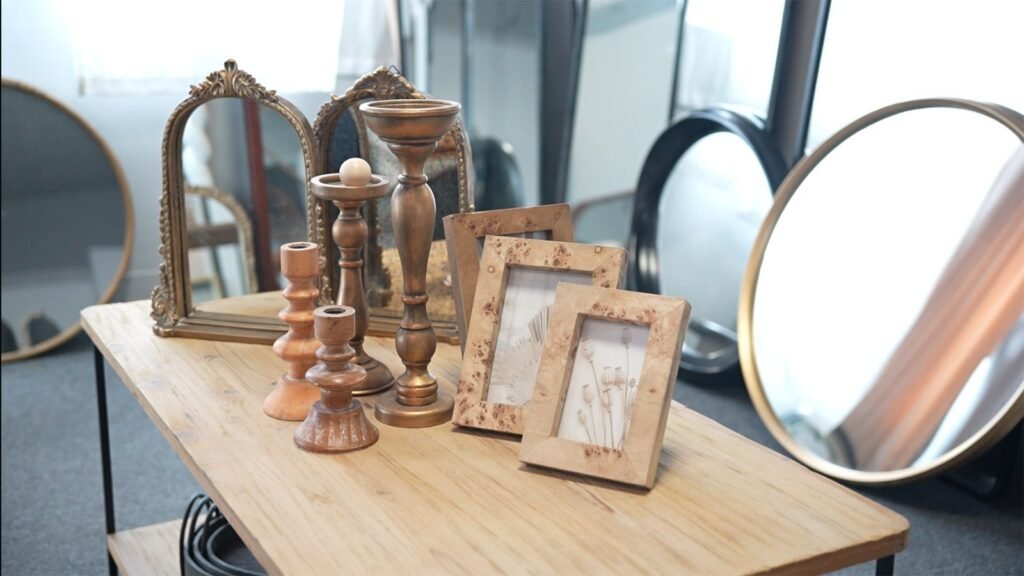
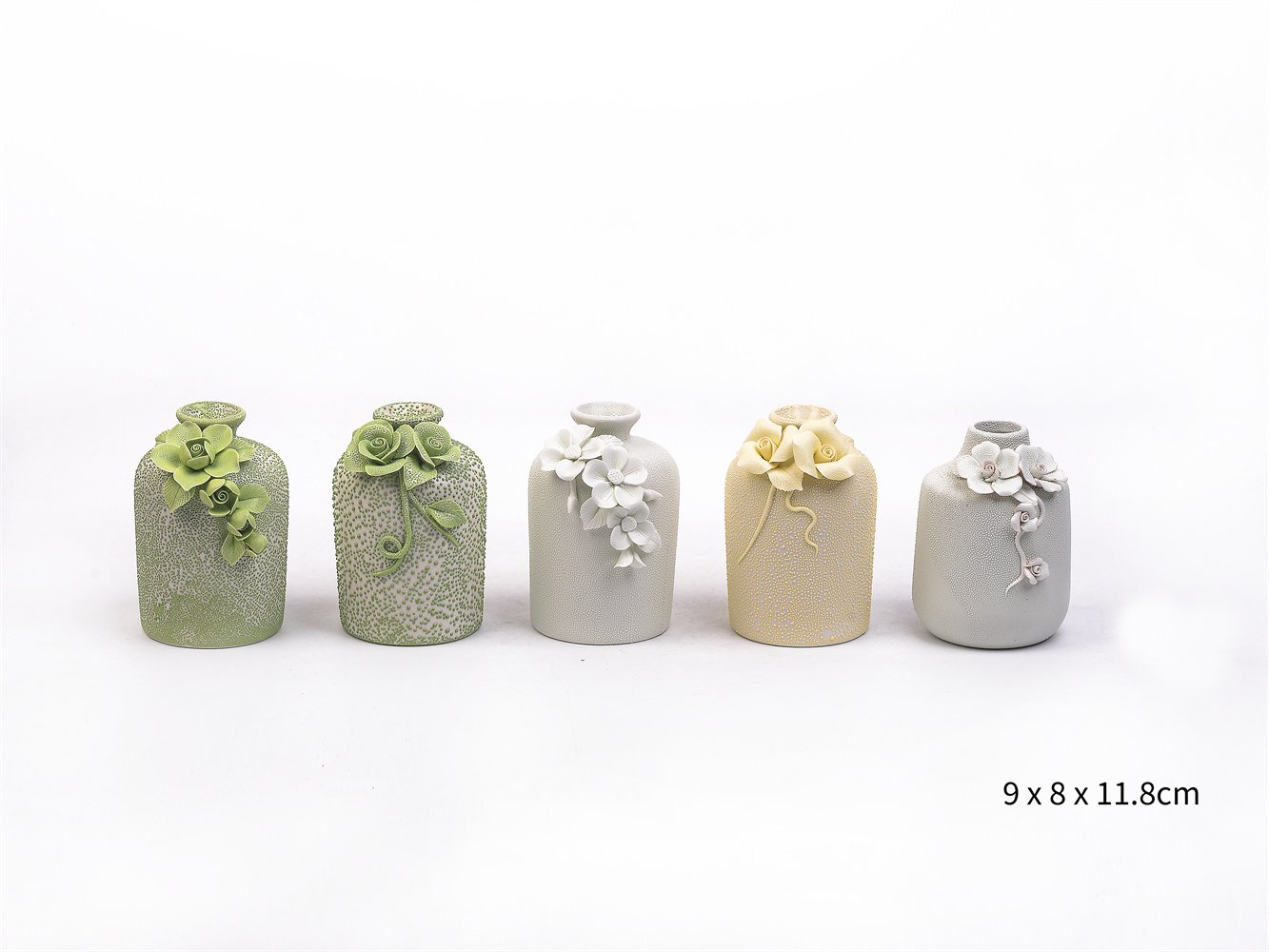
That is why ceramic is getting interesting again. Not because it is new, but because it can still carry shape, color, wit, nostalgia, and texture in one object. When it is done well, ceramic does not just decorate a shelf. It gives the shelf a point of view.
And the latest U.S. market signals back that up. At Winter 2026 Las Vegas Market, ANDMORE grouped its Snapshot finalists around themes such as Timeless Romance, Holiday Hosting, Symbols & Shapes, Sweet and Savory, and Restorative Softness. At Atlanta Market in July 2025, the official Snapshot themes included Fun with Fruit and Tactile Appeal. For Spring 2026, ASID’s High Point programming is explicitly centered on expressive, personality-driven interiors, elevated craftsmanship, and design rooted in purpose and performance. That is not random trend language. For buyers, it is a very usable merchandising brief.
That is exactly why the right ceramic assortment matters more now.
A good ceramic assortment lets a retailer be clear without being predictable. A tulipiere vase can bring historical character into a modern floor set. A lemon vase can inject optimism without turning the display into novelty. A fruit vase can make seasonal storytelling feel light, current, and emotionally warm. In a market leaning toward personality, tactility, and collected interiors, these are not fringe items. They are strategic tools.
What I like about ceramics, as a buyer, is that they solve several retail problems at once. They photograph well. They can sit at multiple price points. They work in both everyday and seasonal merchandising. And they give customers permission to buy with feeling, not just with logic.
Research helps explain why that matters. A 2025 peer-reviewed study in Frontiers found that home décor plays a meaningful role in identity construction, emotional meaning, and symbolic self-expression. That is a powerful reminder for any retailer: home décor is not just about filling space. It is about helping customers recognize themselves in what they buy.
The buyer reading this already knows the hard part.
The hard part is not sourcing a vase.
The hard part is sourcing a vase that works in a real store.
It has to read from six feet away. It has to make sense in a seasonal reset. It has to support online photography. It has to feel distinct without scaring off the mainstream customer. It has to arrive intact. It has to sit inside a margin structure that still makes sense after freight, markdown risk, and packaging are accounted for.
That is why the best wholesale ceramic home decor programs are not built around isolated hero pieces. They are built around seasonal merchandising logic.
Seasonal merchandising is not decoration. It is retail discipline.
When markets repeatedly spotlight fruit-led optimism, tactile surfaces, softness, and shape-driven styling, buyers should pay attention. Those themes are commercially useful because they travel well across spring, summer, gifting, and transitional décor stories. A fruit vase or lemon vase can anchor a cheerful warm-weather tabletop collection. A sculptural ceramic can bridge a summer floor move into early fall. A more architectural or historical silhouette, such as a tulipiere vase, can give the assortment depth and keep it from looking too disposable.
That is the difference between trend-chasing and category building. Trend-chasing buys the item. Category building buys the role that item will play.
And that buyer mindset fits the current U.S. market mood. High Point’s Future Snoops theme for Fall 2025, Club Kitsch, explicitly framed the moment around comfort, familiarity, optimism, and color. That matters because seasonal merchandising works best when it balances freshness with emotional recognition. Retailers are not just selling novelty now. They are selling familiarity with a twist.
This is also why fruit motifs are more serious than they look.
A lot of suppliers misunderstand fruit-led design. They think it is cute. Buyers know it is commercial.
A fruit vase or lemon vase can do something very useful: it can create instant emotional readability. The customer understands it quickly. It feels upbeat. It is easy to style into spring and summer moments. It has social-media friendliness without needing to become kitsch. When the execution is right, it offers exactly the kind of controlled playfulness that today’s assortment needs. Atlanta Market’s official trend groupings put Fun with Fruit directly in that conversation, which makes this more than personal taste; it is a visible market signal.
The same goes for the tulipiere vase, but for a different reason.
A tulipiere vase works because it brings structure, silhouette, and a sense of collected taste. In a market drifting away from flat, generic décor and toward interiors with memory and personality, a form like this gives buyers an elegant way to bring in heritage without looking old-fashioned. ASID’s 2026 outlook language around personality-driven interiors and elevated craftsmanship makes that especially relevant for 2026 assortments.
This is where a good buyer starts thinking beyond the object itself. One ceramic piece is playful. Another is architectural. Another is nostalgic. Another is the seasonal entry point. Once those roles are clear, the assortment starts to feel intentional instead of crowded.
Packaging now belongs in the design conversation.
This is another place where real buying decisions separate themselves from showroom fantasy.
A ceramic item is not commercially ready just because it looks good on a plinth. It is commercially ready when the buyer can trust the shipment, the sample quality, the freight efficiency, and the unboxing experience. That is why plastic free packaging is not just a sustainability phrase. It is part of product credibility.
Peer-reviewed research on sustainable packaging shows that consumer acceptance depends not only on environmental ideals but also on functionality, trust, perceived usefulness, and clear communication. A 2026 systematic review in Sustainability found that many studies report willingness to pay a premium for sustainable packaging, while a 2025 McKinsey consumer study found that price and quality still matter most, but sustainability continues to shape packaging attitudes and purchase considerations. The practical lesson for buyers is simple: plastic free packaging works best when it protects the product, communicates care, and does not ask the customer to sacrifice quality.
For ceramic home décor, that matters even more. Packaging is not an afterthought. It is part of the promise. A broken vase does not care how beautiful the concept was.
The suppliers that win this category will think like merchants, not just manufacturers.
This is where I believe Teruier has room to stand out.
The real advantage today is not simply being able to make ceramic products. Plenty of factories can do that. The advantage is being able to turn a trend signal into a custom product solution that makes sense for a retailer’s assortment, price ladder, display logic, and replenishment needs.
There is academic support for that direction too. Research on U.S. consumer preferences for customized household furniture found that customization creates perceived value, which is one reason mass customization remains a useful differentiation strategy in home-related categories. In plain retail language, buyers respond when suppliers offer controlled customization that helps a collection feel more targeted rather than more chaotic.
That is the kind of thinking chain-store buyers actually need. Not endless options. Better options.
A supplier who understands that a lemon vase can be a spring optimism anchor, that a fruit vase can support seasonal merchandising, that a tulipiere vase can add editorial credibility, and that plastic free packaging can strengthen both buyer trust and brand perception is already operating at a higher level than a supplier who is simply quoting prices.
This is where value translation becomes real.
A product is not valuable because it exists. It is valuable because its role is clear.
That is what strong retail-facing suppliers do: they translate design into shelf logic.
They know which ceramic SKU is the hero.
They know which one is the easy add-on.
They know which one supports a seasonal table story.
They know which one deserves the premium placement.
And they know when a custom product solution should simplify the collection rather than complicate it.
That is the kind of value translation that matters in 2026. Buyers do not need more noise. We need clearer arguments.
The retailers that win this year will not be the ones with the most product.
They will be the ones with the clearest point of view.
That is why wholesale ceramic home decor still has so much power. It can create emotional appeal, visual identity, and merchandising flexibility at the same time. It can move from giftable to collectible. It can support both seasonal merchandising and everyday display. And when the assortment is built intelligently—with the right mix of shape, charm, structure, and packaging discipline—it gives the retailer something every buyer is looking for right now:
A reason to look different without looking risky.
And in this market, that is what gets remembered. That is what gets reordered. And that is what wins shelf space.