From Design Trend Insights to Sellable SKUs: The Retail Buyer Sourcing System That Grows Profit
If you’re a home décor supermarket buyer or an interior designer working with retail programmes, you don’t need more inspiration. You need decisions you can stand behind: products that look right, price right, reorder cleanly, and protect margin.
That’s why the most valuable skill today isn’t “spotting trends.” It’s translating trends into a repeatable commercial range—fast.
This article connects the exact terms buyers and designers are using right now: design trend insights, custom product solution, trend to SKU development, cross-border design manufacturing, profit growth solution, and retail buyer sourcing—but in a way that reads like real work, not a buzzword deck.
1) Who This Is For: Buyers and Designers With Different Pressures, Same Target
Retail buyers are judged on sell-through, margin, and how smoothly the range runs operationally. You need a line that fits planograms, works in promotions, and reorders without quality drift.
Designers are judged on cohesion, proportion, finish integrity, and whether the final product matches the design intent once it’s in real lighting and real spaces.
Different KPIs, same pain: trend ideas are easy—execution is where programmes win or fail.
2) Design Trend Insights: Useful Only When They Become Clear Range Decisions
Real design trend insights are not “colours of the year” posts. They’re directional signals you can turn into product rules:
What shapes are repeating (organic curves vs crisp geometry)?
What finishes are gaining trust (warm metallics, matte neutrals, textured surfaces)?
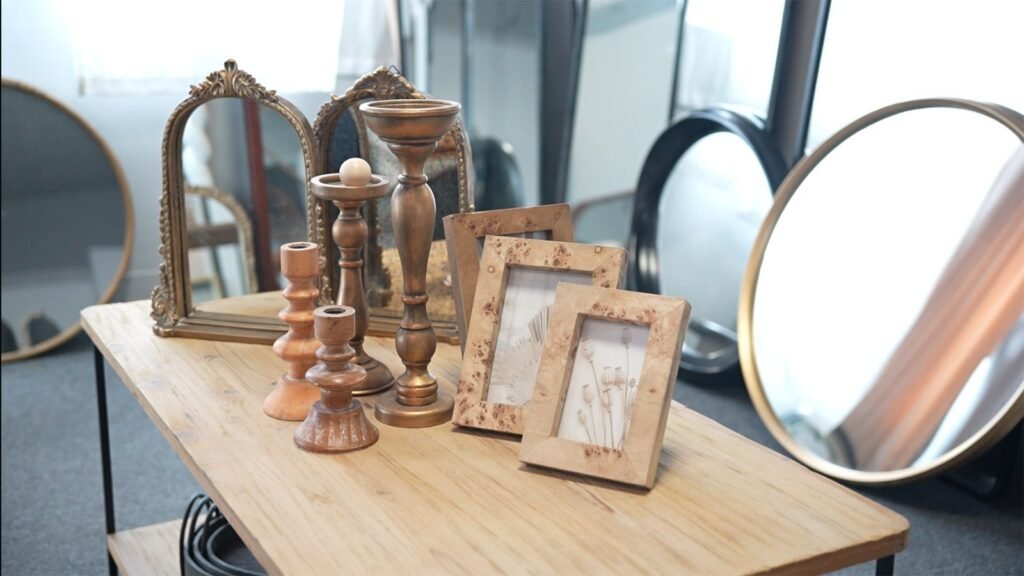
What materials feel premium but still scalable (resin, iron, ceramic, engineered wood)?
What styling stories are easy for shoppers to understand quickly?
When trend insights become rules, you get speed. When trend insights stay as moodboards, you get delays.
A phrase that often resonates in buyer–designer meetings:
trend is the direction, not the decision.
3) Trend to SKU Development: The Bridge That Saves Time and Reduces Risk
Trend to SKU development is the discipline of translating those trend rules into actual SKUs that can be reviewed, priced, produced, and replenished.
A strong trend-to-SKU process usually includes:
a short list of hero themes (not ten scattered directions)
a controlled assortment structure (hero / support / add-on)
defined “good-better-best” or size/finish ladders
packaging and QC expectations baked in from the start
a reorder plan (so the range survives beyond launch month)
For retail, this is what prevents the classic problem: a range that looks great once, but is impossible to maintain.
A simple label phrase that reads like capability, not advertising:
range-ready, reorder-ready.
4) Custom Product Solution: Custom Doesn’t Mean Complicated
Buyers and designers often want “custom”—custom size, custom finish, custom styling. But the best custom product solution is controlled, not chaotic.
The practical version of custom is:
custom look built from standardised modules
limited finish options with strong consistency
clear tolerance rules so bulk matches samples
fast sampling with fewer revision loops
That’s how you get differentiation on shelf without killing lead time or budget.
In plain language:
custom feel, programme discipline.
5) Cross-Border Design Manufacturing: Where Taste Meets Repeatability
The reason many ranges fail isn’t design—it’s translation. A design can be beautiful but still not manufacturable at scale, or not stable across batches.
Cross-border design manufacturing works when:
European/American market taste informs proportion and finish direction
the supplier translates that into manufacturable specifications early
prototypes are validated for both aesthetics and operational reality
production runs on repeatable standards, not “best effort”
This is also where buyers and designers align: design integrity is protected when manufacturing is coordinated—not when it’s “handed off.”
A phrase that captures the point without sounding technical:
same intent, every batch.
6) Profit Growth Solution: Where Buyers Actually Make Money in Home Décor
A real profit growth solution isn’t “make it cheaper.” It’s building a range system that improves margin without increasing headaches.
Buyers grow profit when they can:
reduce damage/return rates through packaging discipline
raise AOV with coherent add-on SKUs
improve sell-through with a cleaner assortment logic
reorder without quality drift (avoids markdowns and claims)
shorten development cycles (faster trend capture)
So profit is not only a product result—it’s a process result.
7) Retail Buyer Sourcing: The Supplier You Need Isn’t a Factory—It’s a Range Partner
Modern retail buyer sourcing is less about “finding suppliers” and more about building a stable pipeline.
The supplier that wins buyer trust typically offers:
trend translation, not just production
fast prototype loops with controlled custom options
stable QC and packaging standards
multi-category coordination so the range stays cohesive
reorder stability so your programme doesn’t collapse after launch
8) Where Teruier Fits Naturally: Trend-to-SKU Execution Built on a Craft-Hub Ecosystem
Teruier supports retail buyers and designers by turning design trend insights into commercial SKUs—combining trend-to-SKU development and cross-border design manufacturing to deliver controlled custom product solutions that improve margin through repeatable execution. Trend to SKU, built to reorder.
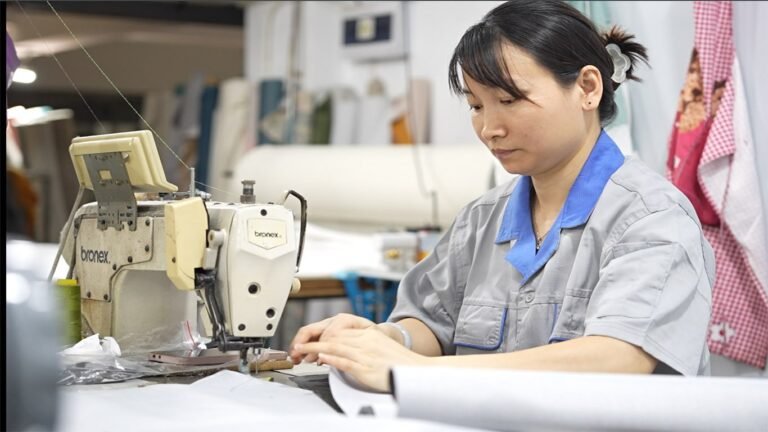
That execution strength is grounded in a Fuzhou-area craft hub often described as a true “craft hometown (Hometown of handicrafts).” The region’s decorative craft heritage—commonly associated with bodiless lacquerware, oil-paper umbrellas, and horn combs—helps create a culture of detail control. Operationally, it draws power from three mature supply chains working together—craftsmen, materials, process—and is strengthened by ongoing collaboration with European and American designers, so products stay trend-right while production stays stable.
Closing: The Buyer–Designer Shortcut for 2026 Ranges

If you want speed, sell-through, and margin at the same time, the winning path is a system:
design trend insights → trend to SKU development → controlled custom product solution → cross-border design manufacturing → reorder stability → profit growth
That’s what makes sourcing feel less like risk—and more like a competitive advantage.