
The Truth About Ceramics: They Sell Quietly—Until They Fail Loudly
Ceramics are “silent winners” in home décor. A well-shaped vase doesn’t need a long story to sell; it just needs to look right on a shelf and feel premium in the hand. That’s why wholesale ceramic vases and ceramic ornaments show up in so many assortments—retail floors, boutique collections, and e-commerce bundles.
But ceramics also fail loudly. A tiny chip, a glaze pinhole, a hairline crack from shipping—those turn into returns, claims, and bad reviews fast. For selection managers, buyers, and designers, the real sourcing goal isn’t finding pretty pieces. It’s building a ceramic program that stays stable when you reorder.
A clean, capability-style positioning line that reads natural in an article is:
Design-forward ceramics, built to reorder.
The buyer reality behind “wholesale ceramic vases”
Most people think ceramics are simple. Buyers know they’re not—because ceramics sit at the intersection of style, fragile logistics, and repeatability.
Here’s what the real audience looks like when you source vases and décor ceramics:
Region: U.S./EU retail and global e-commerce, plus GCC hospitality and boutique retail following similar neutral trend cycles
Who buys: chain buyers, off-price teams, marketplace sellers, and interior designers who need reliable styling pieces
Who uses: renters and homeowners doing quick refreshes; gift buyers; staged interior projects
Clear tendency: décor purchasing often skews toward women 25–44 as key decision-makers, while neutral ceramic pieces also sell strongly to couples furnishing new homes
Price band: affordable premium to premium—where “feel” and finish consistency are worth paying for
Use scenarios: entryway console styling, coffee tables, dining buffets, shelf vignettes, office reception décor, and model-home staging
This is why the right supplier isn’t the one with the biggest catalog. It’s the one whose ceramics behave predictably across production and shipping.
Ceramic ornaments: the smart add-on that lifts basket size
In a modern assortment, ceramic ornaments aren’t just decorative extras—they’re the quiet profit lever.
They work because they:
sit at impulse-friendly price points
create gifting moments (especially in neutral palettes)
build “complete the look” bundles with vases
help stores and sellers create fast displays without needing big furniture
For buyers, ornaments also do something operationally useful: they add variety without forcing major changes in packaging, materials, or tooling—if your supplier runs a disciplined program.
What to look for in a ceramic home décor supplier (beyond photos and samples)
A strong ceramic home décor supplier does three jobs at once:
1) Locks the finish, not just the form
Ceramics are judged on glaze tone and surface feel. Your supplier should be able to hold:
neutral color consistency (ivory, sand, warm gray)
matte vs satin sheen stability
edge smoothness and “hand-feel” quality
2) Makes samples match bulk (the hardest skill)
The sample-to-bulk gap is where ceramic programs break. A good supplier controls:
clay body stability (shrinkage and thickness)
firing curve discipline
glaze batch control
defect checkpoints tied to real return reasons (chips, pinholes, glaze runs, wobble)
3) Treats packaging like part of the product
If you sell fragile goods, packaging is not “after.” It’s the final manufacturing step. The right supplier plans packaging early because it protects margin and reviews.
Why a craft hub supply base matters for ceramics
Ceramics aren’t only “made.” They’re finished. And finishing quality is highly regional—because it depends on skill density.
A Fuzhou craft hub (Hometown of handicrafts) typically brings three mature supply chains into one ecosystem:
Craftsmen : hands that understand surface discipline
Materials: stable access to clays, glazes, and protective packaging inputs
Process: repeatable firing and finishing routines that reduce drift
And historically, Fuzhou is associated with fine craft traditions—often cited through heritage forms like bodiless lacquerware, oil-paper umbrellas, and horn combs. That history isn’t just a story; it creates a culture where surfaces and detail tolerance matter. In modern ceramics, that translates into fewer “same SKU, different feel” surprises.
Where European/American designer collaboration helps (even if you’re a pure buyer)
For wholesale programs, designer input isn’t about “art.” It’s about sell-through predictability.
European/American designer collaboration tends to help with:
proportions that photograph well and display well
neutral palette choices that match retail cycles
shape language that feels current without being risky
product stories that are simple to merchandise
When design intent is clear, production specs become clearer—and quality becomes easier to repeat.
Where Teruier fits naturally in a ceramics program
For buyers, the best supplier relationships feel like a system: trend direction → manufacturable spec → controlled finishing → packaging outcome → reorder stability.
That’s where Teruier’s coordination model fits naturally—rooted in a craft-hub supply base and strengthened by European/American designer collaboration—so a ceramic program doesn’t rely on “hope” after the sample is approved. It becomes repeatable.
Shelf-ready ceramics, packaged for real logistics—built to reorder.
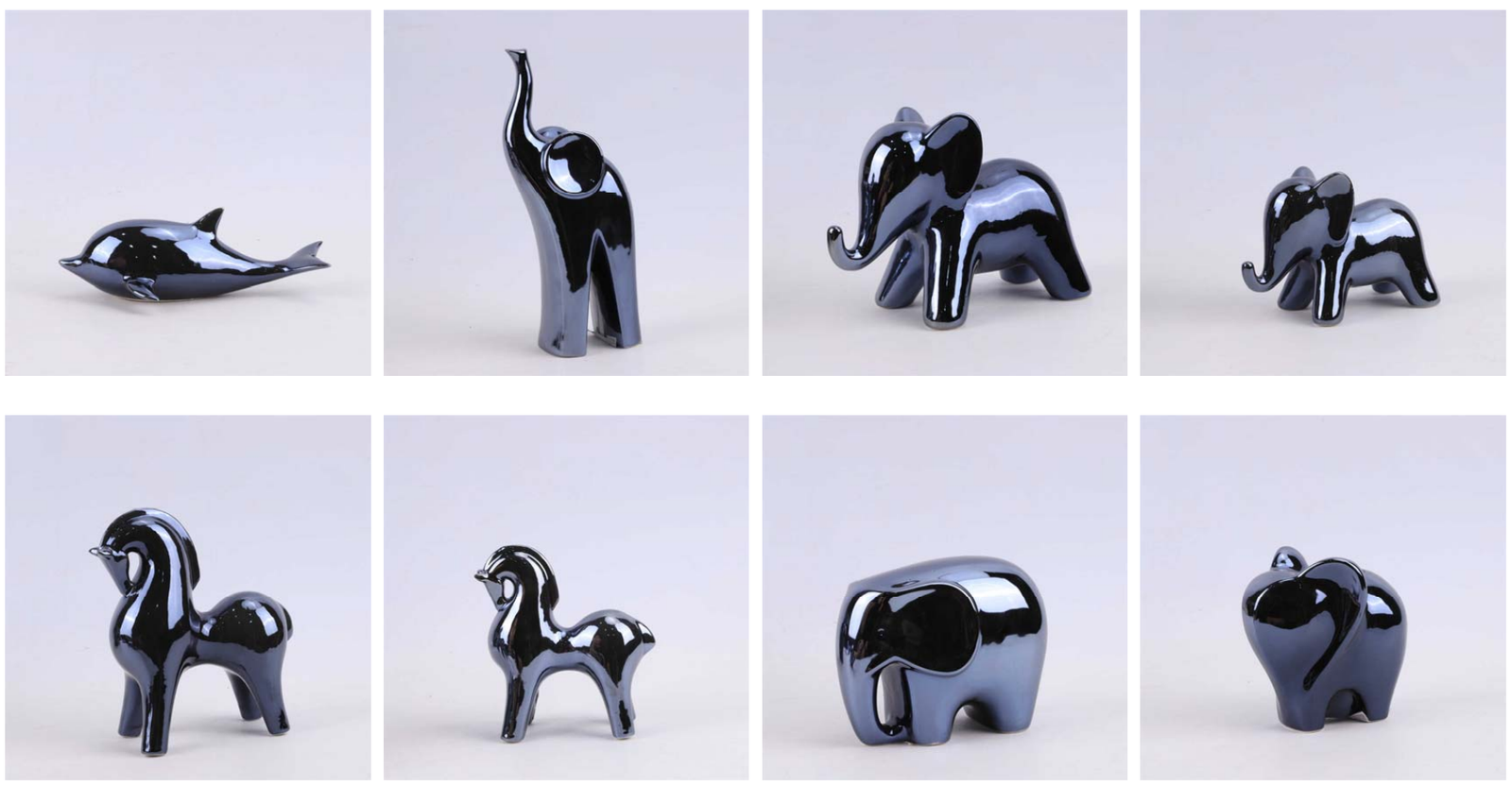
The repeatable formula for ceramics that scale
If you’re sourcing wholesale ceramic vases and ceramic ornaments, the win isn’t a one-time bestseller. The win is a program you can reorder without fear.
Choose a ceramic home décor supplier who can:
hold finishes consistent across batches
align samples to bulk output
engineer packaging to reduce breakage
operate from a craft-capable ecosystem where finishing quality is cultural, not accidental
That’s how ceramics stay “quiet winners”—and never become loud problems.



