
The Mirror That Gets Guests Complaining Isn’t “Décor.” It’s a Brand Problem.
I’ve bought mirrors for big retail floors where the stakes are margin and sell-through. Hospitality is sharper: the mirror is in every guest photo, every “getting ready” moment, and every bathroom routine. If it fogs, flickers, chips on install, or looks cheap under warm lighting, the guest doesn’t blame procurement — they blame the hotel.
That’s why hospitality mirror supply isn’t a style category anymore. It’s a systems category: design + safety + packaging + repeatability.
Here’s the compact playbook I’d hand any buyer who needs mirrors that look premium and behave like a reliable program.
What 2026 Home Shows Are Quietly Telling Us About Mirrors
At the January 2026 edition of Maison&Objet, the official theme “Past Reveals Future” frames a shift toward craft, soul, and more meaningful design direction — not just novelty.
At the same show, observers called out lighting as a top priority and leaned into sculptural, statement-making forms — which matters because mirrors now “read” as lighting-adjacent objects in real spaces.
Meanwhile, Ambiente 2026 coverage pointed to themes like warmth/portability, universal design, joy/play, and woven craft — all signals that interiors are moving toward tactile comfort and human-centered details.
Buyer translation: hotels want mirrors that feel elevated and intentional (shape, finish, tactility), but procurement still demands the boring fundamentals: consistency, safety, and low breakage.
The Core of Hospitality Mirror Supply Is Mirror Specifications (Not Pretty Renders)
If you want fewer punch-list items, your mirror specifications need to treat mirrors like installed assets, not props.
For LED bathroom mirrors, I write specs as if I’m buying a lighting product, because that’s how risk shows up: drivers, wiring, temperature limits, grounding, enclosure strength. UL 1598 (luminaires) is commonly referenced in the North American safety conversation around lighted mirrors and covers these practical safety aspects.
Bathrooms also demand clarity on ingress protection. The U.S. adoption of IEC 60529 explains the IP Code (degrees of protection provided by enclosures), which is exactly the language you want in a spec pack instead of vague “water-resistant” claims.
What I require from any supplier before price talk:
A one-page electrical summary for LED mirrors (driver, wattage, voltage, wire exit)
The IP rating approach and intended placement logic (grounded in IEC 60529/IP Code language)
A “no-surprises” component policy (what can change, what cannot)
If a supplier can’t answer those in plain English, they’re not ready for hospitality scale.
Bulk Mirrors Don’t “Break.” They Get Broken — So Package Like You Mean It
Most “quality issues” in bulk mirrors are packaging failures disguised as manufacturing problems. Corners crush, edges chip, glass flexes under vibration, and the first time you see it is on-site — when it’s too late.
Two references I lean on because they’re widely understood by QA and logistics teams:
ISTA Procedure 3A: a test for individual packaged products shipped through a parcel delivery system.
ASTM D4169: a structured practice to evaluate shipping units using established test methods at levels representative of real distribution hazards.
My “no-drama packaging” expectations (simple):
Corner protection designed for compression (corners fail first)
Edge isolation to prevent vibration chatter
Zero internal movement (movement = glass stress)
Pack-out photos + QC signoff (every carton packed the same way)
When packaging is engineered, reorders become easier — because claims don’t eat the margin.
The 3-Zone Mirror Program That Works in Hotels: Entryway, Round Wall, Bathroom LED
If you want mirrors that feel current and operationally safe, build a tight three-zone program:
Entryway mirror (lobby, corridors, lift landings)
This is where “Past Reveals Future” reads best: warm metals, craft cues, and tactile frames that feel intentional instead of generic.Round wall mirror (guestroom moments + softer geometry)
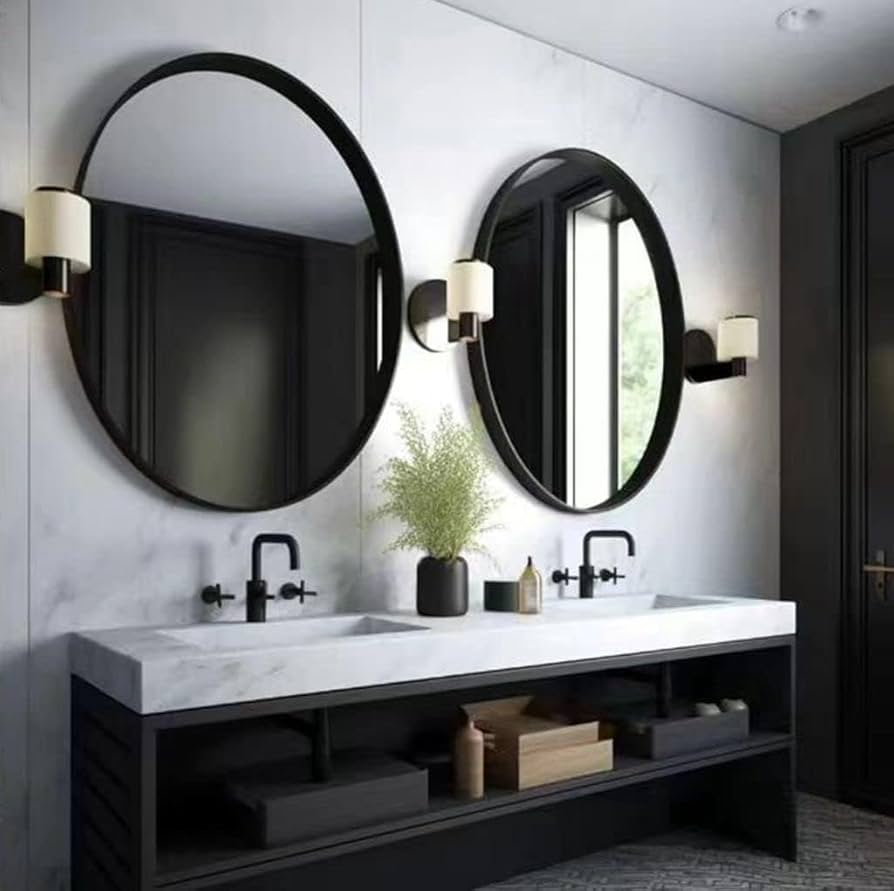
Rounded forms keep showing up as a comfort signal in current design language, and they photograph cleanly — which matters in hospitality marketing. (You’ll also see curved profiles emphasized in recent High Point product launches.)LED bathroom mirrors (where complaints are born)
This is the “systems” mirror: specs, safety pathway, and repeatability matter more than the frame style.
This structure gives designers room to express a story — while giving procurement a tight, repeatable SKU family.
Where Teruier Fits
From a buyer’s seat, the best hospitality mirror supply partner is the one who translates: design intent → manufacturable spec → repeatable delivery.
That’s the whole game. Not the prettiest sample — the mirror program that holds together on the 500th unit, arrives intact, and looks right under real hotel lighting.



