The Chicago Shoe Storage Ottoman That Actually Reorders: My Buyer Checklist (and the Supplier Red Flags)
Chicago has a way of telling the truth about furniture fast. One snowy week of boots, salt, and tight entryways—and you find out whether your “cute storage piece” is a hero SKU or a return magnet.
That’s why when I source a Chicago shoe storage ottoman, I’m not buying a bench with a lid. I’m buying a returns rate, a merchandising story, and a supplier’s ability to execute at retail speed.
And returns are not a side issue. The National Retail Federation (NRF) and Appriss Retail estimated $743B in merchandise returns in 2023 (about 14.5% of sales). That reality changes how buyers approve every bulky item—especially upholstered storage.
Why this SKU wins in Chicago (and why shoppers keep reordering)
Storage isn’t just functional—it’s emotional. A well-known study in Personality and Social Psychology Bulletin found that the way people describe their homes as cluttered or “unfinished” is associated with daily patterns of mood and cortisol (stress physiology). Translation: clutter feels stressful, and “tidy-able” products feel like relief.
So the winning Chicago shoe storage ottoman usually delivers three things at once:
Visual calm (shoes disappear fast)
Confidence (it sits solid; no wobble, no flimsy feel)
Low drama logistics (arrives clean, stays clean, gets reviewed well)
My 5-minute buyer checklist before I approve a Chicago shoe storage ottoman
Here’s what I screen for before we even talk price:
Footprint discipline
Chicago apartments and older homes have narrow entry zones. If depth is too big, it blocks traffic. If it’s too shallow, it looks like a toy.Seat + frame confidence
A storage ottoman is still seating. If it flexes when you sit, customers feel it immediately.Lid/hinge experience
Smooth open/close matters. The “slammy lid” is a customer complaint waiting to happen.Storage reality
Does it hold real footwear (adult boots, sneakers), not just a styling photo’s slippers?Upholstery wear logic
Front-edge scuffing and pilling is where returns start. A supplier who can talk clearly about fabric choices usually has their act together across other upholstered categories too.
This is also where I quietly decide whether the vendor can scale into wholesale upholstered chairs or contract upholstered chairs later—because those categories punish weak frame and fabric decisions even harder.
Planogram-ready assortment: how I make this SKU earn its space
A planogram-ready assortment is the difference between “one cute item” and “a repeatable program.”
For Chicago entryway storage, I like a clean Good/Better/Best ladder:
Good: neutral core fabric + simplest silhouette (fastest turns)
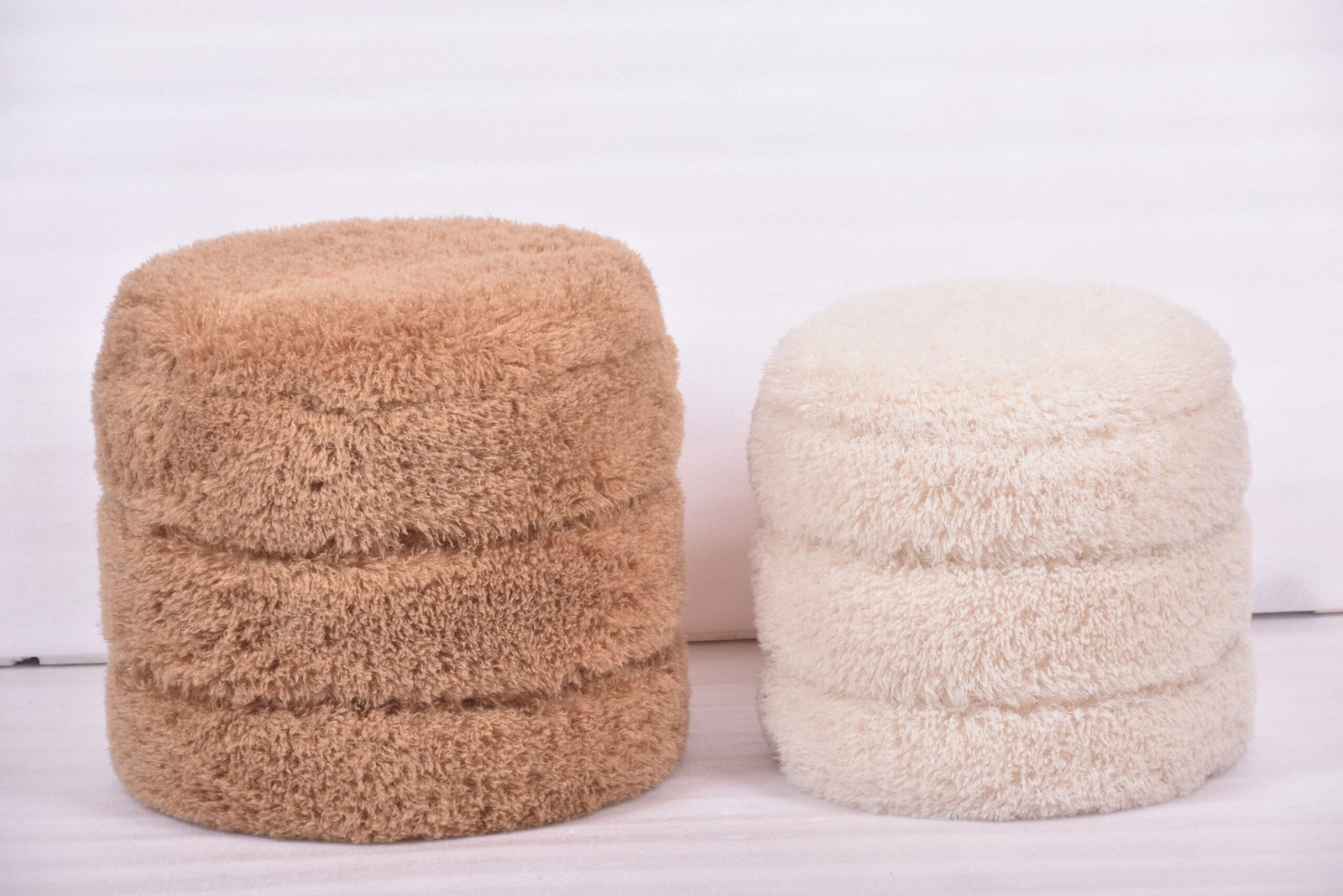
Better: texture upgrade (bouclé/woven) + better hinge feel
Best: premium detail (tufting, leg finish, shape), still neutral enough to reorder
And here’s the buyer trick: I don’t plan it as an ottoman alone. I plan the zone.
If your supplier can support adjacent categories—say commercial dining chairs (for hospitality programs) or act like a true contract seating supplier—I can build cohesive stories across floor sets and projects without onboarding three new factories.
What I’m hearing from U.S. markets right now (and how it changes sourcing)
Recent High Point Market coverage has been loud about pieces that transform, conceal, and do double duty—exactly the kind of value proposition storage ottomans win with.
Style-wise, editors also called out menswear-inspired textures (tailored patterns, tweeds, richer neutrals) showing up across upholstery—timeless enough for broad retail, distinctive enough for “newness.”
On the tech side, High Point programming has explicitly focused on how AI is changing product development and sourcing decisions—which, from a buyer perspective, means suppliers who can move faster from trend signal → workable SKU → stable production will win more programs.
So in 2026, the bar is higher:
functional “double-duty” isn’t optional
textures must feel premium but reorderable
suppliers must communicate like partners, not like order takers
The email I send to every China home decor wholesale supplier
If you’re a China home decor wholesale supplier pitching a Chicago shoe storage ottoman, this is what makes you instantly credible:
Can you provide a spec pack (dimensions, materials, hardware, net/gross weight)?
What’s your hinge option and how do you prevent lid slamming over time?
How do you protect corners/edges and hardware in carton design?
What are your QC checkpoints (frame stability, upholstery defects, hinge function)?
Can you hold core fabrics/colors for 6–12 months for reorder consistency?
If answers are clean and documented, you go to the top of my list—because you’re reducing my internal risk.
Where Teruier fits
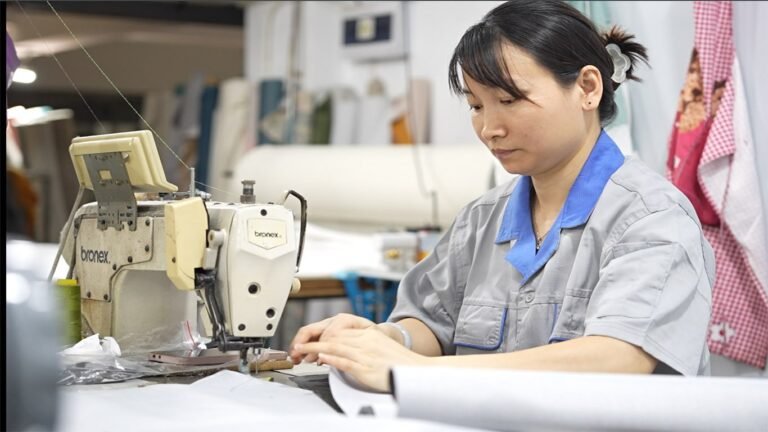
Teruier is built for buyers who want reorder-ready SKUs: we turn market signals into shelf-ready products through a cross-border design + manufacturing collaboration model, grounded in Fuzhou’s craft ecosystem (craftspeople, materials, process discipline) and packaged for retail reality.
If you’re building a Chicago entryway story, start with the Chicago shoe storage ottoman as the anchor. Once it proves out, expanding into chairs (including contract upholstered chairs) becomes a natural next step—because the supplier fundamentals are already tested.