
The Buyer’s “No-Surprises” Test for a Home Decor Factory China Partner (2026 Edition)
If you want my reorder, don’t sell me a sample—sell me an operating system
When I evaluate a home decor factory China partner, I’m not trying to “find a factory.” I’m trying to eliminate surprises: surprise labor risk, surprise prototype bills, surprise material swaps, surprise care issues that turn into returns.
Because in a world where e-commerce is still roughly 16% of U.S. retail sales, packaging outcomes, product consistency, and customer experience are always part of the margin equation.
And yes—2026 show trends make the stakes higher: more texture, more tactility, more finish nuance… which means more ways a second PO can drift.
What the latest U.S./EU shows are signaling (and why factories must execute, not just imitate)
The style direction buyers are reacting to is clear:
Tailored texture + richer neutrals (a “menswear” feel: tweed-like texture, warm moody tones, polished restraint) at High Point Market coverage.
Sharp-meets-curved forms and “comfort through surface and proportion,” showing up in Maison&Objet trend coverage.
Sun-warmed neutrals + mineral tones + deep blues/greens surfacing in Paris Design Week highlights.
Buyer translation: the market wants tactile products (bouclé, shearling, resin textures, layered finishes)… and tactile products punish sloppy process control.
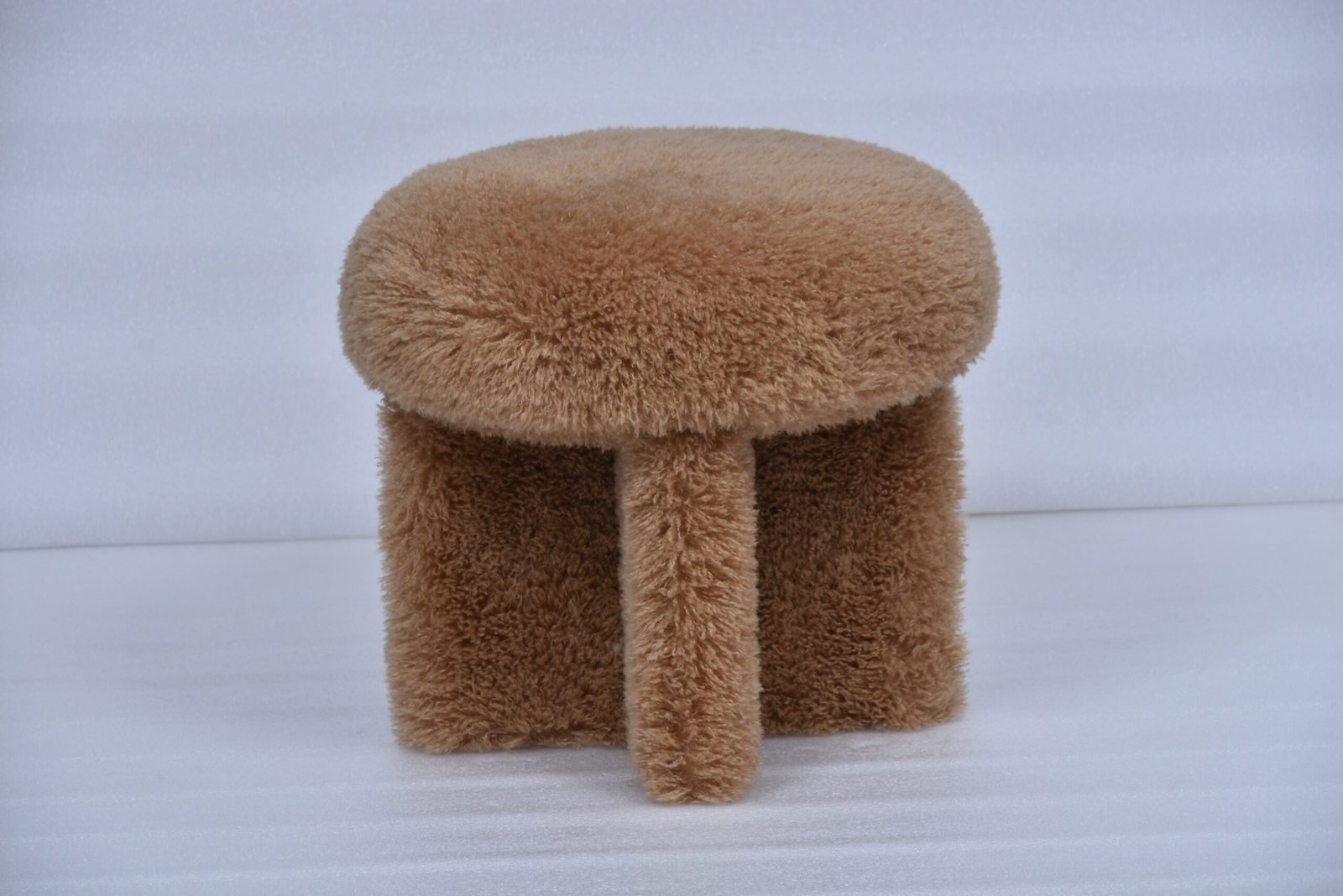
The Los Angeles shoe storage ottoman test (why I use it)
A Los Angeles shoe storage ottoman sounds like a simple SKU. It’s not. It’s a daily-use item that exposes weak execution fast:
hinge alignment drift = instant “cheap feel”
upholstery scuffing = returns
carton compression dents = damaged-unboxing reviews
If a supplier can ship that ottoman cleanly—consistent foam feel, consistent upholstery tension, consistent pack-out—they usually have the discipline to scale other categories too.
“BSCI certification” (what buyers mean, and what it actually is)
Buyers say BSCI certification as shorthand for “your social compliance is audit-ready.”
But amfori is very clear: amfori BSCI is not a certification—it’s a social audit and continuous improvement approach.
Their own overview describes how audits are assessed (observations, interviews, document review) and graded.
What I look for in practice:
a real corrective-action process (not “we passed once”)
training cadence and documentation maturity
an owner who can answer audit questions without improvising
If a factory treats BSCI as a trophy, I worry. If they treat it as a management system, I lean in.
Prototype cost control: how serious suppliers stop the sample phase from eating the budget
Here’s the buyer reality: prototype costs don’t kill programs. Prototype chaos does.
What good prototype cost control looks like:
a written prototype quote split into materials / labor / packaging / shipping
“one change = one cost impact” discipline (no surprise add-ons)
a clear revision limit (e.g., 1st sample + 1 revision included, then billed)
cost-down options presented with tradeoffs (finish, construction, packaging)
This is how you protect launch speed and keep your margin model honest.
Custom product solution: the only kind that matters to retail
A real custom product solution is not “we can customize anything.”
It’s:
you translate my concept into a spec pack (dimensions, tolerances, finish standard)
you show manufacturable options (what changes cost, what changes lead time)
you engineer packaging for the channel (store, e-com, marketplace)
you lock change-control rules so PO #2 matches PO #1
If your “custom” process is just more chatting, it won’t scale.
Care and maintenance: the hidden reason buyers reject “great-looking” upholstery
Returns are often caused by one thing: customers didn’t know how to care for it.
Furniture manufacturers commonly use upholstery cleaning codes (W / S / WS / X). The IICRC’s professional upholstery cleaning standard draft references these codes as a labeling system used by furniture manufacturers.
And major furniture brands publish the practical meaning of codes like WS (spot clean with upholstery shampoo/foam or mild solvent; don’t saturate).
So I ask suppliers to deliver:
a care label plan (cleaning code + plain-language instructions)
fabric performance expectations (pilling, abrasion, color stability)
a “what not to do” list that reduces claims
That’s how care and maintenance becomes a conversion tool—not a support headache.
The one-line standard I use for shortlisting a home decor factory China partner
If you want to make my shortlist, you don’t need the biggest catalog.
You need the cleanest system: BSCI-audit readiness, disciplined prototype cost control, a real custom product solution workflow, and care/maintenance standards that reduce returns.



