
Trend translation is where pretty ideas become buying decisions
Every season, home décor trends arrive with very confident words.
Soft living.
Layered texture.
Craft feeling.
Quiet luxury.
Relaxed elegance.
The sort of language that sounds lovely until a buyer asks, “Fine, but what do we order?”
That is exactly where trend translation matters.
For German buyers, interior designers and home décor merchants, a textured upholstery ottoman is not just a pretty soft object. It is a practical product that can connect room comfort, fabric texture, small-space seating, bedroom styling and retail display logic.
But only if the trend is translated properly.
Otherwise, the buyer ends up with an ottoman that looks fashionable for one photo and becomes impossible to explain, pack, reorder or sell.
Very stylish. Very annoying.
What is a textured upholstery ottoman?
A textured upholstery ottoman is an upholstered stool, pouf or small bench-like seating piece where the fabric surface is an important part of the design value.
It may use:
- woven texture
- bouclé
- linen-look fabric
- chenille
- muted velvet
- ribbed upholstery
- subtle stripe
- small check
- soft neutral fabric
The product can work as:
- extra seating
- bedroom accent
- dressing corner stool
- footrest
- small-space furniture
- entryway support
- living room softener
The key word is texture.
The ottoman should not just be “covered in fabric”. That is not a design strategy. That is upholstery existing.
A good textured ottoman gives the room softness, tactility and a clear reason to buy.
Ottoman upholstery materials: the trend starts with touch
Ottoman upholstery materials decide whether the product feels retail-ready or suspiciously temporary.
German buyers should check:
| Material Direction | Buyer Use |
|---|---|
| Cream bouclé | soft bedroom and living room story |
| Taupe woven fabric | safe, neutral, broad retail use |
| Linen-look upholstery | relaxed, natural interior direction |
| Muted velvet | accent product, higher perceived value |
| Chenille texture | warm and comfortable seating |
| Subtle stripe or check | trend refresh without too much risk |
A buyer should not approve upholstery from photos alone.
A fabric can look beautiful online and feel like a conference chair from 2007.
Touch matters. Fabric density matters. Colour under different lighting matters. Reorder availability matters.
If the fabric cannot be repeated, the product is not a programme.
It is a one-season flirtation.
Skirted ottoman alternative: why box pleat ottomans are worth watching
The skirted ottoman has been around for a long time, but full skirts can look too traditional for some German retail buyers.
That is where a skirted ottoman alternative box pleat ottoman wholesale direction becomes interesting.
A box pleat ottoman can keep the softness of a skirted look while feeling more structured and controlled.
It works well for:
- bedroom corners
- bed-end styling
- boutique hotel rooms
- soft modern interiors
- classic-modern retail ranges
- small seating displays
The box pleat gives a tailored feeling. It looks softer than exposed legs, but cleaner than a loose skirt.
That is useful.
Nobody wants an ottoman that looks like it is wearing a tired tablecloth.
Textured ottoman vs box pleat ottoman
| Buyer Point | Textured Upholstery Ottoman | Box Pleat Ottoman |
| Main value | fabric texture and softness | tailored skirt detail |
| Best room | living room, bedroom, dressing corner | bedroom, boutique project, classic-modern room |
| Risk | weak fabric, colour shift | uneven pleats, poor stitching |
| Best material | bouclé, woven, chenille, velvet | linen-look, cotton blend, textured neutral |
| Retail role | broad soft seating SKU | more designed accent SKU |
| Buyer advice | check handfeel and fabric repeat | check pleat alignment and seam quality |
Both can work.
The question is not which one is “better”.
The question is which one fits the buyer’s shelf, price point and customer explanation.
When should interior designers customize a product?
This is where trend translation becomes practical.
When should interior designers customize a product?
Not every time they feel inspired. That way lies chaos, and possibly 14 versions of the same ottoman nobody can reorder.
Interior designers should customise when:
- the standard size does not fit the room
- the fabric does not match the project palette
- the ottoman has repeat project potential
- one finish change can make the product fit multiple rooms
- the supplier can document the change
- MOQ and lead time still make sense
They should be careful when:
- the change affects structure
- the quantity is small
- packaging must be redesigned
- the fabric is hard to repeat
- the project timeline is already tight
- the change is only personal taste
For most projects, custom finish is safer than custom size.
Changing fabric or colour can translate the trend without rebuilding the product. Changing size may change carton size, cost, lead time and everyone’s mood.
Tulipiere vase alternative and flower frog vase: trend support, not random accessory
A trend-led ottoman range often needs supporting décor.
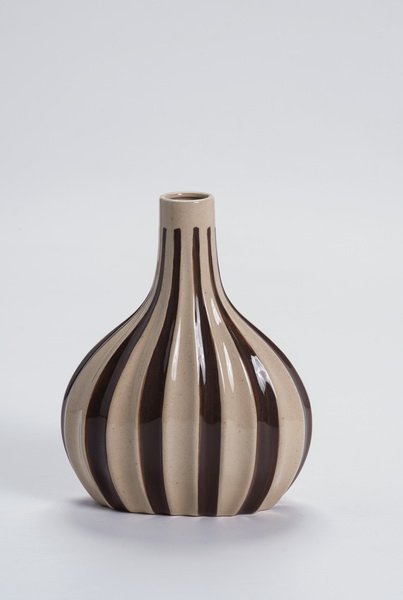
This is where tulipiere vase alternative flower frog vase wholesale becomes useful.
A flower frog vase or tulipiere-style piece helps create structured floral styling. It works well on consoles, shelves, bedside tables and retail displays near soft seating.
It can support the same trend story:
- softer room styling
- crafted home décor
- tabletop texture
- boutique bedroom display
- interior designer project finish
But buyers should check:
- hole size
- glaze finish
- base stability
- water-holding function
- decorative or functional use
- ceramic packaging
- reorder consistency
A flower frog vase that cannot hold stems properly is not clever.
It is a ceramic object with ambitions.
Compliance documents for importers: yes, even for pretty products
Trend products still need paperwork.
Sorry. Very German. Very necessary.
Compliance documents for importers may include:
- product specification sheets
- material information
- fabric composition
- packaging details
- carton size and gross weight
- care instructions
- supplier declarations
- use clarification for ceramic items
- testing documents where required
For ottomans, buyers should know the fabric, structure, weight, packaging and care notes.
For ceramic vases, buyers should know whether the product is decorative or functional.
A product without clear documents is not “simple”.
It is only undocumented.
There is a difference.
Spring Festival factory shutdown: translate the trend before the factory closes
For buyers sourcing from China, the Spring Festival factory shutdown is not a small calendar note.
It affects sampling, production, packing, shipping and reorder timing.
German buyers should plan:
| Buying Step | Better Timing |
| Trend selection | before peak sampling season |
| Fabric approval | early, before factory workload rises |
| Sample revision | before production slots tighten |
| Packaging confirmation | before bulk order |
| Bulk order placement | well before Spring Festival shutdown |
| Reorder planning | not after everyone has already gone home |
A textured ottoman trend may look simple, but fabric sourcing, sample making, pleat adjustment and carton testing take time.
Waiting until the last minute and then asking for “urgent production” is not strategy.
It is seasonal optimism with consequences.
Teruier’s value translation: from trend words to product decisions
For this article, Teruier’s value translation approach is the right framework.
Trend language sounds like this:
“Soft texture.”
“Relaxed bedroom styling.”
“Tailored but comfortable.”
“Craft-inspired tabletop accent.”
“Flexible seating for small homes.”
Production language sounds like this:
“What fabric?”
“What size?”
“What pleat?”
“What carton?”
“What MOQ?”
“What lead time?”
“What documents?”
Teruier’s value translation connects the two.
It turns trend signals into buyer-ready decisions:
- “soft texture” becomes approved ottoman upholstery materials
- “tailored softness” becomes box pleat ottoman option
- “interior designer friendly” becomes custom finish guidance
- “crafted floral styling” becomes tulipiere or flower frog vase wholesale option
- “import ready” becomes compliance documents and product notes
- “safe delivery timing” becomes Spring Festival production planning
That is real trend translation.
Not just talking about what is fashionable.
Turning what is fashionable into something buyers can actually order.
FAQ
What is a textured upholstery ottoman?
A textured upholstery ottoman is a small upholstered seating or footrest product where fabric texture is a key part of the design value. It can work in bedrooms, living rooms, entryways and dressing corners.
Why do ottoman upholstery materials matter?
Ottoman upholstery materials affect handfeel, colour, durability, perceived value and reorder stability. German buyers should check fabric quality before approving the product.
What is a skirted ottoman alternative box pleat ottoman wholesale direction?
It is a more tailored version of the skirted ottoman look. Box pleats offer softness and structure without looking too loose or old-fashioned.
When should interior designers customize a product?
Interior designers should customise when the change solves a real room or project problem, improves fit or finish, and can be documented without slowing the project too much.
What is a tulipiere vase alternative flower frog vase wholesale product?
It is a vase or ceramic piece designed to support structured floral arrangements, often through multiple holes or openings. It can support bedroom, console and tabletop styling.
Why do compliance documents for importers matter?
They help buyers understand product materials, use, packaging, care, weight, supplier declarations and any required safety or testing information.
Why should buyers consider Spring Festival factory shutdown?
Because factory shutdown affects sampling, production, packing and shipping schedules. Buyers should approve fabrics, samples and packaging before production capacity becomes tight.
Final thought: trend translation is not about copying a look
For German buyers, the textured upholstery ottoman is a good example of how trend translation should work.
The trend is not simply “soft furniture”.
The real buying decision is:
Which fabric?
Which texture?
Which structure?
Which pleat?
Which carton?
Which documents?
Which timeline?
A good trend becomes a good product only when it can be specified, sampled, packed, delivered and reordered.
Everything else is just a nice idea sitting in a mood board, waiting to become a sourcing problem.



