
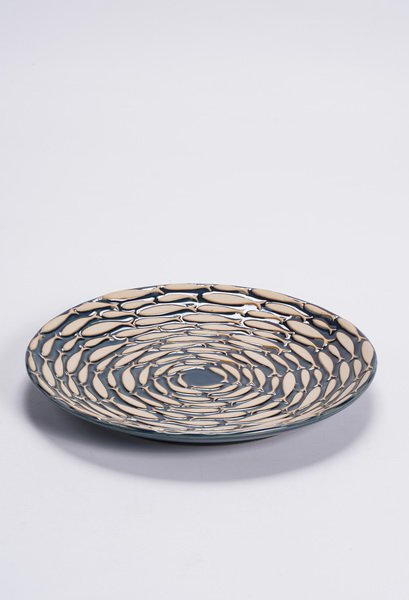
A ceramic glaze is not just colour with confidence
Ceramic décor looks simple from a distance.
A vase.
A bowl.
A tray.
A small sculptural object.
A tasteful beige glaze pretending it did not take three approval rounds.
But for German buyers, the ceramic decor glaze finish is often the difference between a product that feels retail-ready and a product that looks like it escaped from a hobby workshop.
Glaze decides the mood.
Glaze decides the perceived value.
Glaze decides whether the ceramic piece works with mirrors, ottomans, trays, storage products and small-space assortments.
So no, glaze is not a tiny detail.
It is the surface where the buyer’s taste, the factory’s process and the customer’s trust all meet.
Slightly dramatic. Also true.
What is ceramic decor glaze finish?
Ceramic decor glaze finish refers to the surface treatment applied to ceramic home décor products. It affects colour, texture, shine, touch, durability, variation and overall retail value.
Common ceramic glaze finishes include:
- matte glaze
- glossy glaze
- reactive glaze
- crackle glaze
- speckled glaze
- tonal glaze
- terracotta-style glaze
- stone-look glaze
- soft white glaze
- muted green glaze
For German buyers, the question is not only:
“Does this glaze look nice?”
The better question is:
“Can this glaze be repeated, packed, explained and displayed with the rest of the range?”
That is where trend translation begins.
Ceramic glaze finishes: beautiful variation needs rules
Ceramic variation can be attractive.
A little variation makes the product feel crafted.
Too much variation makes the shelf look confused.
German buyers should define the acceptable range before placing the order.
| Glaze Direction | Best Use | Buyer Risk |
|---|---|---|
| Matte beige glaze | neutral retail range | may look flat or chalky |
| Reactive glaze | crafted shelf story | batch variation too strong |
| Glossy majolica-style glaze | decorative accent | colour may feel too loud |
| Terracotta glaze | warm natural story | can turn too orange or red |
| Soft green glaze | calm seasonal accent | tone shift between batches |
| Stone-look glaze | modern natural interiors | surface may feel too rough |
A ceramic product should feel alive.
It should not look like each piece came from a different mood.
Small space assortment planning: ceramics must work with mirrors and soft furniture
In small space assortment planning, ceramics rarely sell alone.
A small ceramic vase may sit under a full-length mirror.
A matte bowl may support an entryway display.
A glazed tray may sit beside a textured ottoman.
A ceramic container may help a small living room feel organised.
So the glaze must coordinate with the full room story.
A practical small-space assortment could look like this:
| Room Story | Main Product | Ceramic Glaze Direction |
| Entryway Corner | full-length mirror + small bench | matte beige or warm white |
| Bedroom Soft Styling | upholstered ottoman + ceramic vase | taupe or cream reactive glaze |
| Natural Living Room | wood mirror + tray + vase | terracotta or stone-look glaze |
| Modern Apartment | black mirror + storage piece | soft grey or muted green glaze |
| Retail Shelf Story | mirror + small ceramic objects | tonal glaze family |
This is how ceramic décor becomes part of retail-ready home decor.
Not random nice objects.
A real assortment.
Full-length mirror supplier and ceramic décor: why they belong in one story
At first, a full-length mirror supplier and ceramic décor may sound like separate topics.
One is glass and frame.
The other is clay and glaze.
But in retail display, they often meet.
A full-length mirror creates the vertical anchor.
A ceramic vase, tray or bowl creates the shelf or floor-level detail.
An ottoman adds softness.
A storage piece adds function.
Together, they create a room scene customers can understand quickly.
For German buyers, this matters because customers do not buy products only by category. They buy room solutions.
The mirror opens the space.
The ceramic glaze warms the story.
The ottoman makes the corner usable.
That is much stronger than saying, “Here is a vase.”
Wholesale quality control process: glaze must be inspected, not admired
A proper wholesale quality control process for ceramic décor should include glaze inspection.
Buyers should check:
- colour consistency
- surface smoothness
- glaze thickness
- cracks or pinholes
- speckling level
- matte or glossy level
- base stability
- edge finishing
- chipping risk
- packaging protection
- batch sample comparison
A supplier should not simply say, “This is handmade style.”
That sentence can be useful.
It can also be used to hide almost anything.
German buyers should ask: what variation is acceptable, and what variation is a defect?
That question saves many arguments later.
Compliance documents for importers: even decorative ceramics need clarity
Yes, even pretty ceramics need paperwork.
Sorry.
Compliance documents for importers may include:
- product specification sheet
- material information
- finish or glaze notes
- packaging details
- carton size and gross weight
- care instructions
- supplier declaration
- decorative or functional use clarification
- food-contact information where relevant
This is especially important for ceramic trays, bowls and platters.
If the item is decorative only, say so.
If the item may be used for food, the buyer needs the correct information.
A ceramic bowl with unclear use is not “flexible”.
It is a future misunderstanding.
Cheap glaze vs retail-ready glaze
| Buyer Point | Cheap Glaze | Retail-Ready Glaze |
| First photo | may look attractive | looks good in photo and real sample |
| Surface | may feel rough, thin or uneven | controlled and pleasant |
| Colour | can shift between batches | approved range |
| Shelf use | harder to coordinate | works with mirror, ottoman and storage story |
| Reorder | uncertain | better controlled |
| Customer trust | weaker | stronger perceived value |
Cheap glaze can win attention for five seconds.
Retail-ready glaze helps the product sell properly.
Five seconds is not retail strategy.
Teruier’s value translation: from glaze trend to buyer-ready product
For this article, Teruier’s value translation approach is the right framework.
Trend language sounds like this:
“Warm ceramic.”
“Craft feeling.”
“Natural texture.”
“Soft neutral shelf story.”
“Small-space home décor.”
Factory language sounds like this:
“What glaze?”
“What colour range?”
“What finish?”
“What carton?”
“What MOQ?”
“What tolerance?”
Teruier’s value translation connects the two.
It turns trend words into buying decisions:
- “warm ceramic” becomes terracotta or warm beige glaze
- “craft feeling” becomes controlled reactive glaze
- “small-space assortment” becomes ceramic + mirror + ottoman coordination
- “retail-ready” becomes glaze tolerance, packaging and product notes
- “import-ready” becomes compliance documents and specification sheets
That is trend translation.
Not copying a look.
Turning a look into a product buyers can actually order.
FAQ
What is ceramic decor glaze finish?
Ceramic decor glaze finish is the surface treatment on ceramic décor products. It affects colour, texture, shine, touch, variation, perceived value and retail presentation.
Why do ceramic glaze finishes matter for German buyers?
They affect shelf appeal, customer trust, product quality, reorder stability and how well ceramic pieces coordinate with mirrors, ottomans and other home décor products.
What should buyers check in a wholesale quality control process for ceramics?
Buyers should check glaze colour, surface quality, thickness, pinholes, cracks, speckling, edge finishing, base stability, chipping risk and packaging protection.
How does ceramic décor support small space assortment planning?
Ceramic pieces add texture and finish to small room stories. They can pair with full-length mirrors, ottomans, trays, benches and storage products to create a complete retail display.
Why is a full-length mirror supplier relevant to ceramic décor?
A full-length mirror can act as the visual anchor in a room story, while ceramic décor adds texture and warmth. Together they help buyers build more complete retail-ready home décor assortments.
What compliance documents for importers may be needed?
Importers may need product specs, material information, glaze notes, packaging details, carton size, gross weight, care instructions, supplier declarations and food-contact clarification where relevant.
What makes ceramic décor retail-ready?
Retail-ready ceramic décor has a clear finish, controlled variation, good packaging, useful product notes, stable reorder potential and a role inside a broader home décor assortment.
Final thought: glaze is where trend becomes product
For German buyers, ceramic decor glaze finish is not a decorative afterthought.
It is where the trend becomes visible, touchable and sellable.
A matte glaze needs surface control.
A reactive glaze needs variation limits.
A terracotta glaze needs colour discipline.
A ceramic vase needs packaging.
A full-length mirror and ceramic assortment need material coordination.
Good ceramic décor is not just pretty clay.
It is a controlled product with a clear role in the room, the shelf and the reorder plan.



