A low factory price is not a business model
Factory direct pricing always sounds attractive.
Lower unit cost.
Closer supplier communication.
Fewer trading layers.
More room to discuss finishes, sizes, packaging and materials.
Very nice.
But German retail buyers know the uncomfortable truth: a cheap product can become expensive very quickly.
The matte ceramic decor chips.
The wabi sabi ceramic vase looks different in every batch.
The mixed materials home decor range feels uncoordinated.
The storage box looks good but arrives with weak hinges.
The spec sheet is so vague it might as well say, “Trust us, it is home decor.”
This is why factory direct pricing home decor should never be judged by price alone.
Factory direct is only valuable when the buyer can understand the product clearly before placing the order.
What is factory direct pricing home decor?
Factory direct pricing home decor means sourcing home décor products directly from a manufacturer or production-side supplier, often with fewer layers between the buyer and the factory.
It can apply to:
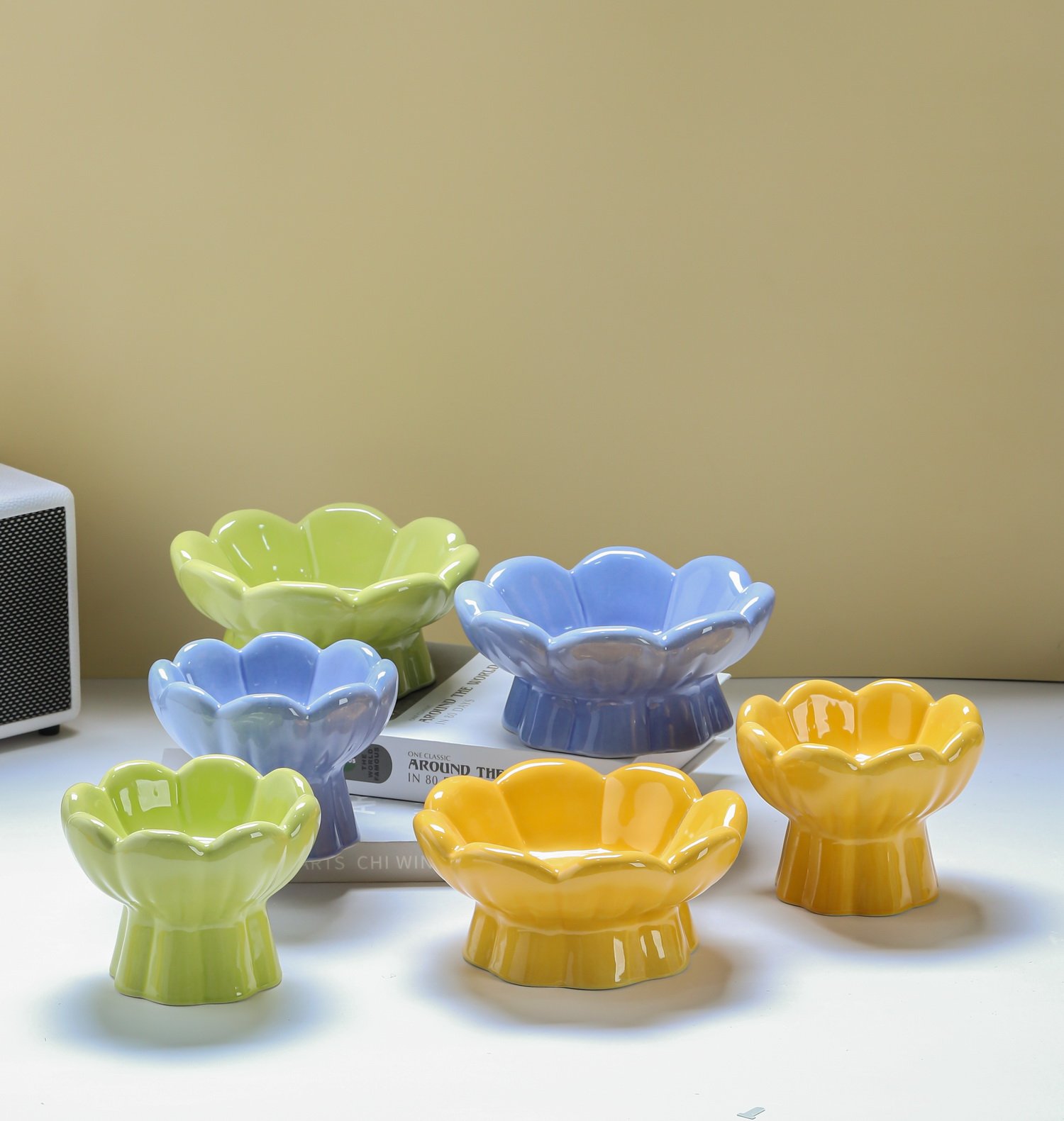
- ceramic decor
- matte ceramic decor
- wabi sabi ceramic vases
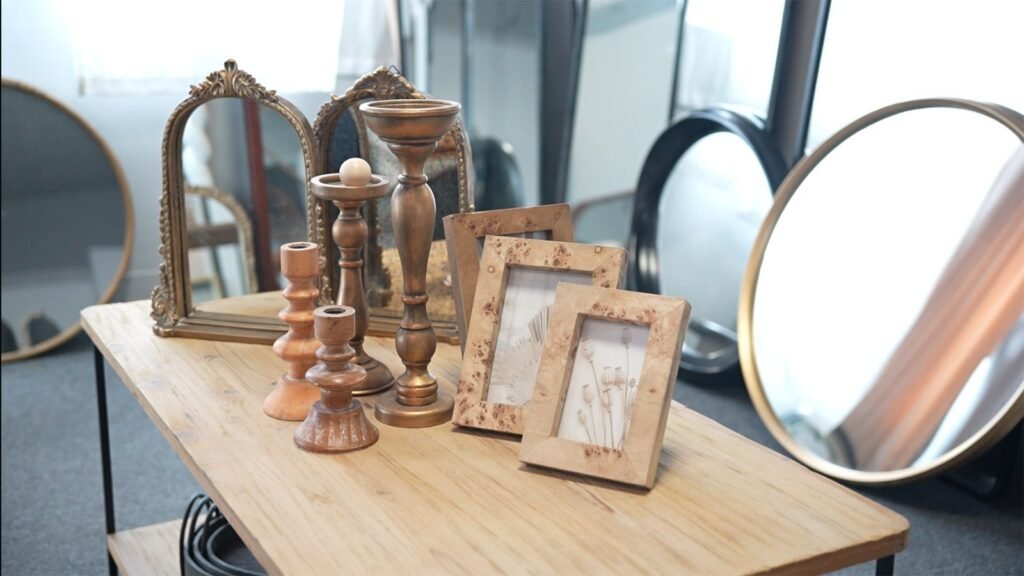
- mirrors
- ottomans
- trays
- decorative storage
- artichoke ceramic decor
- mixed materials home decor
- storage and organization products
The advantage is not only price.
The real advantage is better access to product details: materials, finishes, packaging, MOQ, lead time, and reorder possibility.
A factory direct supplier should help the buyer understand what they are buying.
Not just how much it costs.
A price without product clarity is not a deal.
It is a polite trap.
How to read product specifications before placing the order
Many retail problems begin because buyers look at the product photo first and the specification later.
That order should change.
Knowing how to read product specifications helps buyers avoid expensive surprises.
A useful product specification should include:
| Specification Area | What German Buyers Should Check |
|---|---|
| Product size | length, width, height, usable space |
| Material | ceramic, metal, resin, wood, glass, fabric |
| Finish | matte, glossy, reactive glaze, brushed, painted |
| Colour standard | approved colour range or sample reference |
| Function | decorative, storage, serving, seating, wall display |
| Packaging | carton size, gross weight, inner protection |
| MOQ | minimum order by style, finish or colour |
| Lead time | sample and bulk production timing |
| Reorder note | whether material and finish can repeat |
| Care note | cleaning and customer-use guidance |
A product photo shows the mood.
A product specification shows the risk.
Guess which one buyers should trust more.
Spec sheets and product notes: boring documents that save margin
Spec sheets and product notes are not paperwork for people who enjoy paperwork.
They are margin protection.
A proper spec sheet helps the buyer understand:
- what material is used
- what finish is approved
- whether the product is decorative or functional
- how it is packed
- how heavy the carton is
- what the MOQ is
- what can change in reorder
- what must stay consistent
This matters especially for ceramics and mixed-material products.
A wabi sabi ceramic vase may allow natural variation.
But how much variation?
A matte ceramic decor item may have a soft surface.
But does it scratch easily?
An artichoke ceramic decor piece may look sculptural.
But is it stable on the shelf?
Without clear notes, the buyer is not sourcing.
The buyer is guessing with an invoice attached.
Mixed materials home decor: richer look, more control needed
Mixed materials home decor can make a retail range feel more valuable.
Examples include:
- ceramic tray with metal detail
- mirror with brushed frame
- ottoman with fabric and wooden legs
- storage box with resin texture and metal handle
- ceramic decor paired with woven or wood elements
Mixed materials are useful because they create a layered home look.
But they also create more ways to make mistakes.
The metal may look too cold.
The ceramic glaze may feel too rustic.
The fabric may not match the wood tone.
The finish may shift between batches.
German buyers should check whether the materials work together across the shelf.
A product should not look like three factories met inside one SKU and stopped speaking to each other.
Matte ceramic decor: quiet products that support the shelf
Matte ceramic decor is one of the safest categories for German retail buyers when the finish is controlled.
It works well in:
- neutral home decor ranges
- shelf styling
- entryway displays
- bedroom collections
- mirror-and-console stories
- storage and organization assortments
Useful colours include:
- warm white
- soft beige
- taupe
- muted green
- terracotta
- stone grey
- cream reactive glaze
Matte ceramic decor does not need to shout.
Its job is to make the shelf look calmer, warmer and more considered.
But buyers should check surface quality carefully.
A matte finish should feel refined.
It should not feel chalky, dusty or like the product lost the will to be ceramic.
Wabi sabi ceramic vase: controlled imperfection, not poor QC
The wabi sabi ceramic vase is attractive because it feels handmade, imperfect and calm.
It fits well with:
- neutral interiors
- natural wood
- matte ceramic decor
- organic mirrors
- textured ottomans
- warm shelf stories
But “wabi sabi” should not become an excuse for weak production.
German buyers should check:
| QC Point | Buyer Question |
| Shape | Is the irregularity intentional and stable? |
| Base | Does the vase stand properly? |
| Glaze | Is the colour range approved? |
| Surface | Is the texture refined, not rough and cheap? |
| Opening | Is it functional or purely decorative? |
| Packaging | Is the irregular shape protected? |
| Reorder | Can the same style family be repeated? |
Wabi sabi means beauty in imperfection.
It does not mean the factory can send whatever happened that day.
Artichoke ceramic decor: character with a clear retail role
Artichoke ceramic decor can be a useful small accent product.
It gives the shelf texture, shape and a natural motif without needing a large footprint.
It can work in:
- kitchen styling
- table displays
- console shelves
- Mediterranean-inspired stories
- neutral ceramic ranges
- giftable home decor assortments
Buyers should check:
- leaf detail clarity
- glaze colour
- ceramic thickness
- base stability
- surface quality
- packaging protection
- decorative or functional use
An artichoke ceramic piece should look sculptural.
It should not look like a vegetable survived a production accident.
Small decorative products need humour, yes.
But not accidental comedy.
Storage and organization: where factory direct value becomes practical
Storage and organization is one of the most practical home décor categories for retail buyers.
It includes:
- decorative storage boxes
- baskets
- trays
- storage ottomans
- lidded ceramic containers
- small cabinets
- storage benches
- tabletop organisers
These products are easy to explain because they solve real customer problems.
People have clutter.
Retail cannot fix their life, but it can sell them a better box.
For factory direct pricing, buyers should check:
- hinge quality
- lid fit
- inner finish
- surface durability
- carton protection
- product size
- storage volume
- reorder material stability
A storage product that does not store well is not clever.
It is decoration pretending to work.
Cheap factory direct price vs useful factory direct value
| Buyer Question | Cheap Factory Direct Price | Useful Factory Direct Value |
| Unit cost | low | reasonable and explained |
| Spec sheet | vague | clear and usable |
| Material | may change | confirmed |
| Finish | photo-based | sample-based and documented |
| Packaging | basic | product-specific |
| Reorder | uncertain | planned |
| Buyer result | short-term saving | lower long-term risk |
German retail buyers should not reject factory direct pricing.
They should read it properly.
The question is not only “How much is it?”
The better question is:
“What exactly are we getting at this price?”
Teruier’s merchant profit solution: price should support sell-through, not only purchase cost
For this article, Teruier’s merchant profit solution is the right framework.
A merchant does not earn money simply because the buying price is low.
The merchant earns money when the product:
- is easy to explain
- looks good on the shelf
- arrives safely
- matches the approved finish
- avoids unnecessary returns
- can be reordered
- fits the wider assortment
Factory direct pricing should support that full chain.
A matte ceramic decor piece must keep its finish.
A wabi sabi ceramic vase must keep controlled variation.
Artichoke ceramic decor must arrive intact.
Storage and organization products must actually work.
Mixed materials home decor must look coordinated.
Spec sheets must reduce guessing.
That is real factory direct value.
Not just a cheaper number.
FAQ
What is factory direct pricing home decor?
Factory direct pricing home decor means buying home décor products directly from a manufacturer or production-side supplier, usually with fewer trading layers and more direct access to product details.
Is factory direct pricing always better for retail buyers?
No. It is only better when the supplier also provides clear specifications, stable materials, proper packaging, finish control and reorder support.
How should buyers read product specifications?
Buyers should check size, material, finish, function, packaging, carton size, gross weight, MOQ, lead time, care notes and reorder possibility.
Why are spec sheets and product notes important?
They help buyers understand what is included in the product, what the risks are, and whether the product is ready for retail, shipping and reorder.
What is mixed materials home decor?
Mixed materials home decor combines materials such as ceramic, metal, glass, wood, resin or fabric in one product or assortment. Buyers should check whether the materials coordinate and can be repeated.
Why is matte ceramic decor useful for German retail buyers?
Matte ceramic decor is easy to place, easy to display and works well in neutral home décor ranges. Buyers should control surface quality and colour consistency.
Is a wabi sabi ceramic vase difficult to source?
It can be if the supplier cannot control variation. Buyers should define acceptable shape, glaze, surface and packaging standards.
What should buyers check in artichoke ceramic decor?
They should check leaf detail, glaze, base stability, ceramic thickness, packaging and whether the item is decorative or functional.
Why does storage and organization matter in retail home decor?
Storage products solve real customer problems and are easy to explain. They can increase shelf value when they combine function, finish quality and good packaging.
Final thought: factory direct pricing only works when buyers read the details
For German retail buyers, factory direct pricing home decor can be very useful.
But the buyer must read beyond the price.
Check the spec sheet.
Check the material.
Check the finish.
Check the packaging.
Check the reorder logic.
Check whether the product has a clear retail role.
A cheap ceramic vase that changes every batch is not value.
A matte decor piece with weak surface quality is not value.
A storage product that does not function well is not value.
Real factory direct value comes when price, product and specification all make sense together.