

If you want buyers to trust you fast, give them something they can forward internally: a clean spec sheet. Specs are not boring—they’re how you reduce returns, prevent wrong installs, and speed up quoting.
What to include in mirror specifications (no fluff)
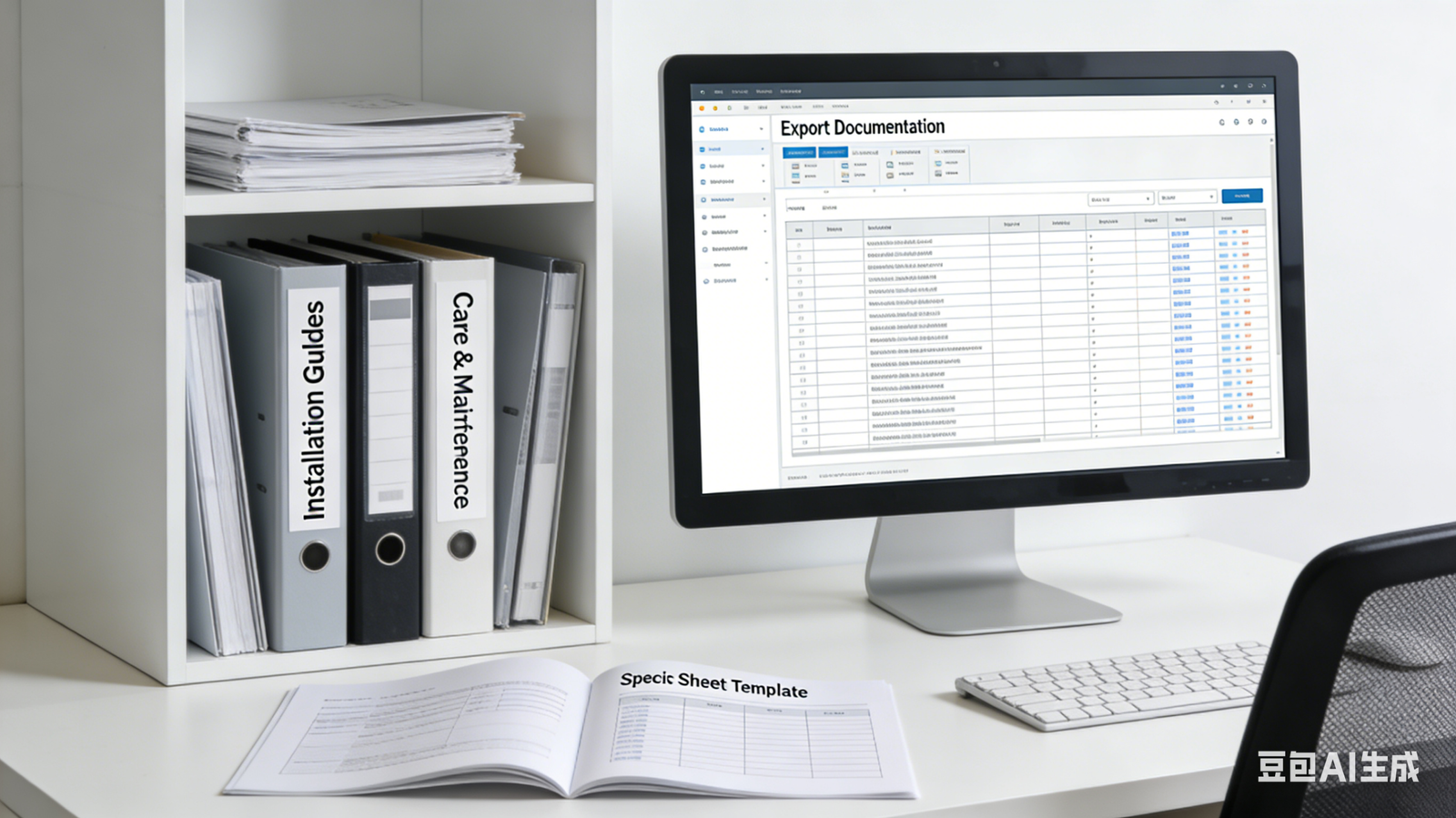
A good mirror spec sheet should cover:
dimensions (overall, glass, depth)
materials (frame, backing, glass thickness)
finish definition (reference + acceptable range)
hardware included + mounting method
carton size/weight + packaging notes
warranty and replacement options
If it’s a bathroom mirror with lights, add LED: Kelvin range, CRI, driver notes, defogger, sensor logic.
Installation guide: keep it 1–2 pages, super clear
Include:
mounting point diagram
tools needed
wiring notes (if LED)
safety warnings
troubleshooting basics
Installers don’t want essays. They want clarity.
Care and maintenance: fewer claims, better reviews
Care notes should address:
cleaning methods (what not to use)
anti-fog use tips
how to avoid scratches and haze
what to do if a driver fails
This reduces customer frustration and protects your rating.
Export documentation readiness: your ops team will thank you
Build a consistent system for:
carton marks
packing lists
SKU labeling
batch traceability
It makes shipping smoother and claims easier to resolve.
Teruier treats specs as part of product design. Under our Teruier cross-border design manufacturing collaboration model, spec sheets, packaging rules, and QC checkpoints are built together. With the Fuzhou craft hometown supply chain (craftsmen / materials / techniques), we can keep those specs stable across production runs—so the document remains true after the first shipment.
Next read: Want to increase AOV and build “room stories”? Go to “Ottoman Program: Bouclé + Storage + Seasonal Merchandising.”
