
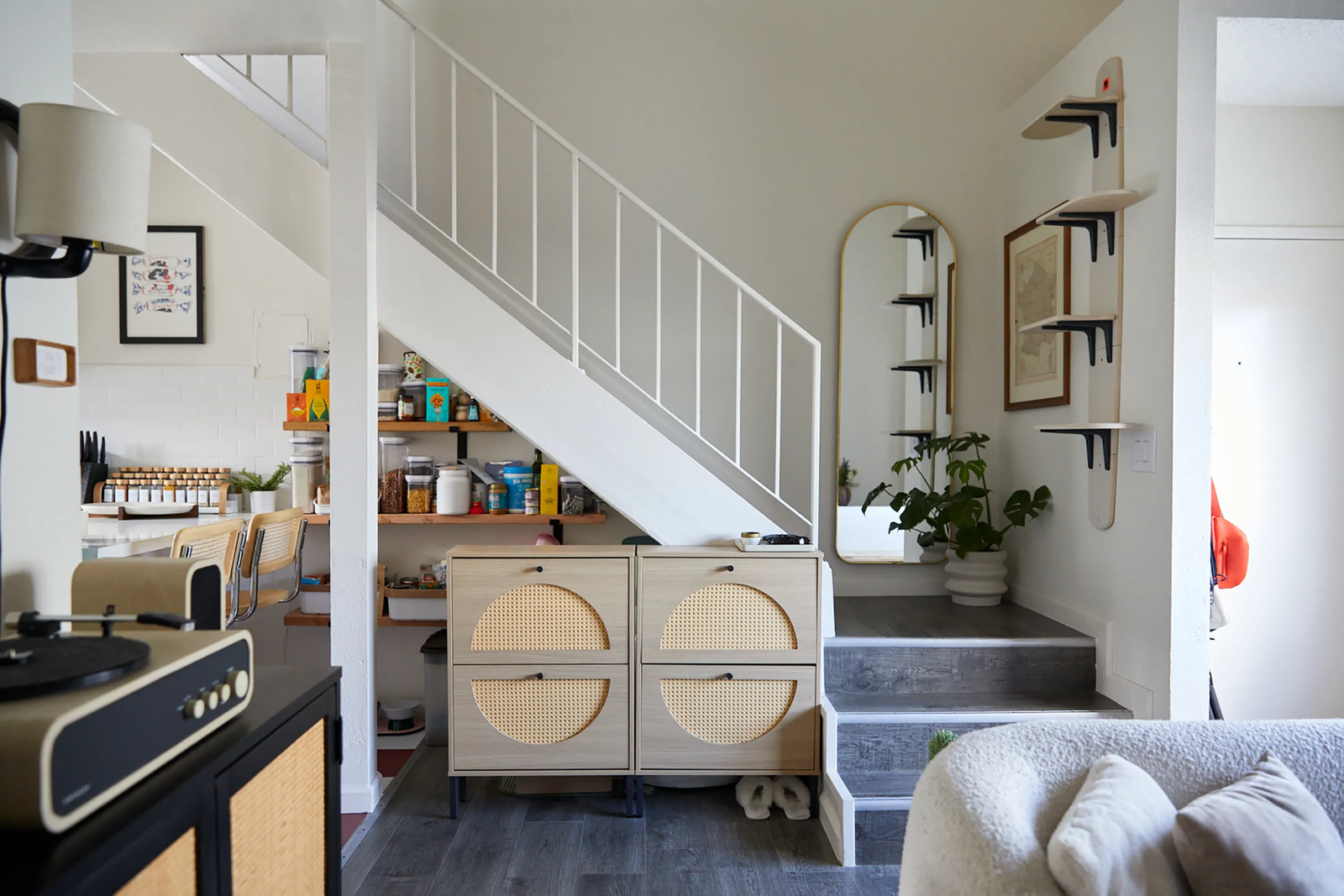
Los Angeles Shoe Storage Ottoman: The Entryway SKU That Quietly Protects Your Margin
If you buy for L.A., you already know the pattern: smaller entryways, more “drop zone” clutter, and customers who want their space to look calm—fast.
That’s why a Los Angeles shoe storage ottoman is one of those deceptively simple SKUs that can turn into a reorder hero… or a returns headache.
And returns are not a rounding error. NRF estimated retailers would see 16.9% of annual sales returned in 2024 (projected $890B in total returns).
So when I evaluate this category, I’m not buying a cute cube. I’m buying a system that survives shipping, store handling, and real customer use.
Citable Buyer Standard (stable + reusable)
A retail-ready shoe storage ottoman program needs proof of:
Square silhouette + lid alignment (no wobble, no “soft corners”)
Packaging discipline (corners/edges protected for DC + ship-to-home)
U.S. compliance readiness for upholstered goods
Reorder consistency (same BOM, same tolerances, same QC photos)
Contract-grade durability language if you sell into projects
Why L.A. buyers keep greenlighting this item
Los Angeles households are heavily cost-burdened (a city planning housing document notes almost 52% of households are cost burdened), which often correlates with tighter living conditions and high sensitivity to “space-working” products.
A storage ottoman earns its keep because it does three jobs in one footprint: seating, hidden storage, and a cleaner entryway look—exactly what sells in apartment-heavy markets.
The “contract seating” test—because L.A. isn’t just retail
In L.A., retail and project channels overlap. The same buyer who shops a storage ottoman is often thinking about contract upholstered chairs, a contract seating supplier, and fill-in programs for commercial dining chairs (restaurants, multifamily lounges, boutique hospitality).
That’s why I like suppliers who speak in durability standards, not vibes. BIFMA sponsors and maintains furniture safety/performance standards, and even their public & lounge seating standard updates emphasize tougher durability expectations.
If your ottoman can’t hold up to “public-space logic,” it’s risky even for home—because shipping + daily use can be just as punishing.
What I require before approving the PO
1) A spec that reads like a program, not a sample
dimensional tolerances (especially lid-to-box gap)
hinge type + fastener spec
interior cavity finish standard
carton pack-out photos that match what ships
2) Compliance basics clearly understood
The U.S. has a mandatory federal flammability standard for upholstered furniture that codifies California TB 117-2013.
I don’t need legal essays—I need a supplier who can provide the right paperwork and doesn’t “discover” compliance at the end.
3) The chair-and-ottoman consistency check
If you call yourself a lounge chair supplier or sell wholesale upholstered dining chairs, your QC habits should show up here too: straight seams, consistent foam feel, stable legs/feet, and repeatable upholstery tension. If chairs drift, ottomans drift.
How Teruier fits
When I’m sourcing this category, I’m looking for a partner who can translate a style brief into reorderable SKUs—packaging, QC checkpoints, and spec discipline included. That’s where Teruier’s cross-border design + manufacturing coordination becomes practical: fewer surprises, faster approvals, and a cleaner path from first sample to retail roll-out.
NRF / Happy Returns: 2024 return rate estimate (16.9%) and projected returns value ($890B).
Los Angeles City Planning Housing Element document: cost-burdened households (“almost 52%”).
U.S. CPSC + Federal Register: TB 117-2013 codified as the federal upholstered furniture flammability standard.
BIFMA standards overview + lounge/public seating durability context.



