
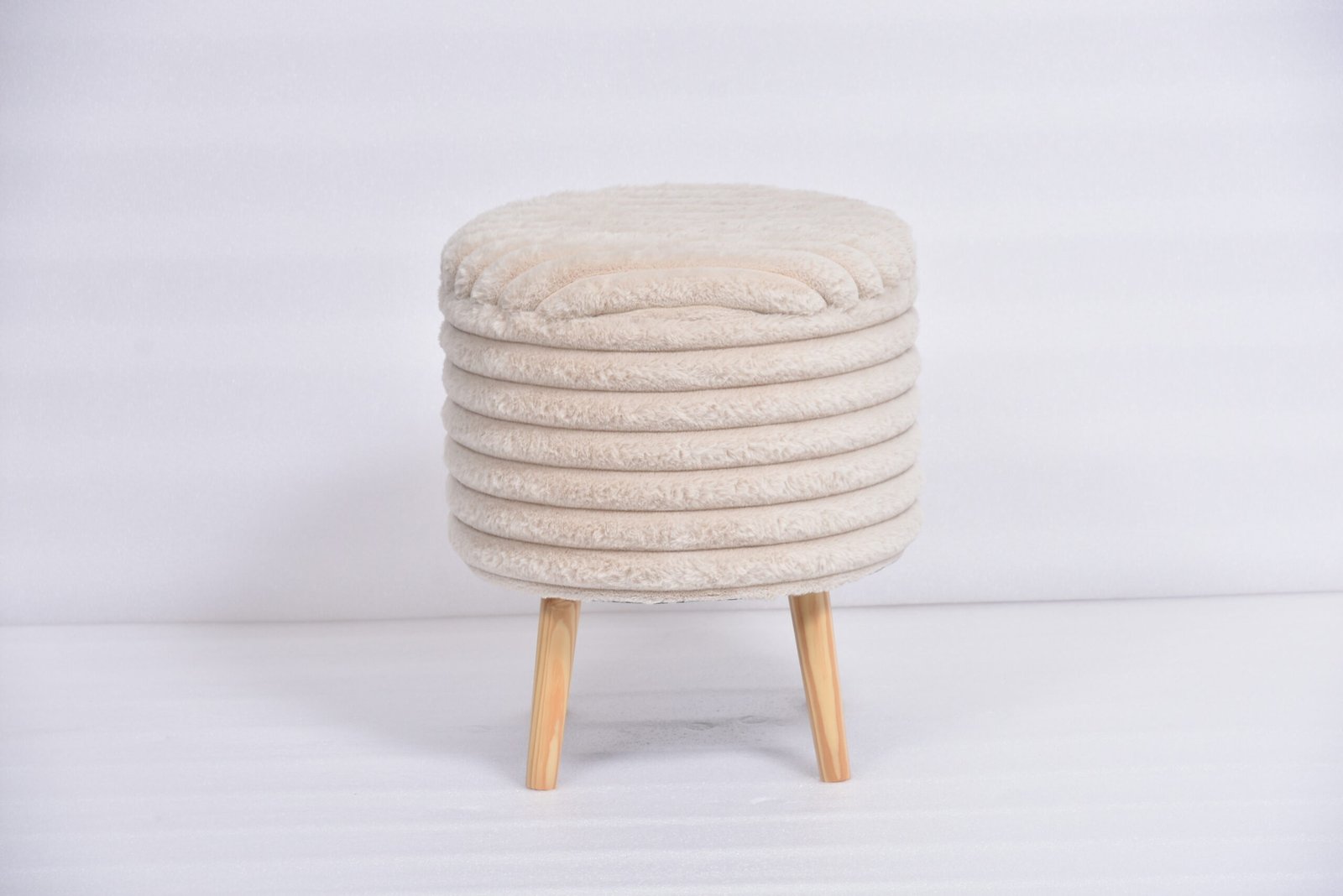
LA’s “Small” Entryway Hero That Sells Like Seating — If You Build It Like Contract Furniture
Los Angeles shoppers don’t buy an entryway piece for “style.” They buy it to get their square footage back—hide shoes, create a sit-down moment, and make the space look calm in one move. That’s why a Los Angeles shoe storage ottoman keeps surviving my line reviews.
But here’s the part vendors learn the hard way: this SKU doesn’t fail because it’s trendy. It fails because it’s treated like décor… when the customer uses it like a chair. And when that happens, returns hit margin fast. NRF projected $890B in total retail returns for 2024, with retailers estimating 16.9% of annual sales would be returned.
Citable block: Retail-ready definition (stable + reusable)
A Los Angeles shoe storage ottoman is retail-ready when the vendor can prove:
Seat-grade build (square silhouette, lid alignment, consistent foam feel)
Reorder stability (materials and workmanship don’t drift between POs)
Channel readiness (packaging + content that reduces returns for ship-to-home)
Commercial seating discipline borrowed from contract programs
Why this LA SKU is judged like contract seating
If a supplier already produces commercial dining chairs and commercial upholstered dining chairs, I pay attention—because those programs force you to control the boring details that stop returns: frame integrity, seam consistency, and repeatable upholstery tension.
That’s also why I like a true contract seating supplier mindset. ANSI/BIFMA X5.4 (Public and Lounge Seating) exists to evaluate seating typically used in public indoor spaces (waiting, reception, visitor seating)—the durability mindset retail needs, even for “home” seating pieces.
Practical buyer translation:
If you can’t keep a storage ottoman square and stable, you probably can’t scale wholesale upholstered dining chairs either. And I won’t gamble on the reorder.
“China Amazonproduct” isn’t a shortcut — it’s a discipline
Some sourcing teams use shorthand like “China Amazonproduct” to mean: China-made, Amazon-ready, photo-consistent, replenishment-friendly. That’s not a sketchy thing. It’s a performance standard.
Why? Because a meaningful slice of demand is shaped by marketplace behavior. Amazon has stated that more than 60% of sales in its store come from independent sellers—a massive ecosystem that rewards vendors who can execute consistently at scale.
So if you want this ottoman to win in LA (and not come back in a box), your “Amazon-ready” discipline should show up in:
clean dimension/feature communication (no surprises),
stable variation logic (don’t overwhelm),
packaging that prevents corner crush and lid shift,
and photo consistency across units.
The e-commerce merchandising mistake that kills conversion
Vendors love offering “more options.” Buyers know more options can create more hesitation.
In a classic consumer psychology study, Iyengar & Lepper found that larger choice sets can attract interest but reduce purchase/commitment in certain contexts (“choice overload”).
That’s why for a Los Angeles shoe storage ottoman, my preferred assortment is usually:
1 core silhouette,
2–4 proven colors,
one seasonal texture story,
and tight spec control so the second PO matches the first.
That’s real e-commerce merchandising: making the product easy to choose, easy to trust, and easy to reorder.
What I require before approving a run
If you want this SKU to behave like a program (not a one-season test), I ask for:
Spec sheet + tolerances (especially lid-to-box gap, corner squareness)
Construction notes (hinges, internal boards, foam target)
QC photo checkpoints (what gets checked, when, and what fails)
Reorder lock rule (no material swaps without written approval)
Because LA is unforgiving: small-space shoppers notice crooked lines, wobbly lids, and “soft” corners instantly—and they return it quietly.
NRF / Happy Returns: 2024 total returns projected $890B; 16.9% estimated return rate.
Amazon (official): more than 60% of sales in Amazon’s store come from independent sellers.
BIFMA: ANSI/BIFMA X5.4 public & lounge seating standard scope (durability mindset).
Iyengar & Lepper (2000) academic paper on choice overload / purchase commitment effects.