Handcrafted Ceramic That Reorders: What Buyers Should Expect from a Ceramic Vase Wholesale Supplier
If you’re a buyer, you’ve probably lived this exact storyline:
The sample is stunning. The glaze looks premium. The silhouette feels “right.” You place the PO. Then reality arrives—literally. A handful of cartons show up with rim chips. The next batch runs slightly warmer. Your stores can’t mix inventory on the shelf. Online reviews start saying “not the same as before.”
That’s why buyers don’t actually shop for “handmade.” You shop for repeatable handmade—the kind of craft that still behaves like a program.
Teruier is a handcrafted ceramic decor supplier built like a program partner—so your ceramic vase wholesale supplier relationship delivers consistent glaze, controlled QC, and reorders that match the first shipment.
Why ceramics are a margin test
Ceramic sells because customers can style a room in one move. But ceramics also punishes inconsistency and damage faster than most categories—because defects show immediately, and breakage turns into returns.
And returns aren’t a small, abstract issue. The National Retail Federation and Happy Returns projected $890B in total retail returns in 2024, with returns estimated at 16.9% of annual sales.
Even if your channel mix differs, the lesson holds: every avoidable defect, chip, or “reorder mismatch” shows up as margin leakage.
What “handcrafted” should mean in a buyer’s world
Handcrafted shouldn’t mean unpredictable. It should mean:
tactile surfaces and premium feel
controlled variation (within a defined range)
disciplined finishing on edges and rims
a consistent “family look” across SKUs and reorders
In other words: craft, with guardrails.
A true ceramic vase wholesale supplier helps you define those guardrails up front—so you’re not negotiating quality after the shipment lands.
How buyers build vase programs that sell (and reorder) cleanly
The fastest way to scale wholesale ceramic vases is to treat them as a collection system, not one-off SKUs:
A shared glaze language: one core neutral + one accent tone, both controlled batch to batch
A repeatable silhouette route: 2–3 shapes, 3 heights, consistent openings
A merchandising story retailers can copy: sets that look styled even on a basic shelf
This is the buyer advantage: you get assortment depth without multiplying risk. One glaze standard, one QC rulebook, one packaging spec—many saleable SKUs.
Packaging is the silent make-or-break for handcrafted ceramic
Buyers often get told “we pack well.” That’s not a standard.
If your ceramics move through parcel-like handling (or mixed distribution with rough touchpoints), the packaging conversation should be grounded in real-world simulation logic. ISTA’s Procedure 3A is widely referenced as a simulation test for packaged products shipped through a parcel delivery system.
You don’t need to run formal tests for every SKU to benefit from the mindset. You need a supplier who designs packaging like they expect stress:
corner impact
surface rub
stacking pressure
vibration and handling abuse
For ceramics, “pretty packaging” is not the goal. “Arrives displayable” is the goal.
The buyer profile behind this decision
Most home décor buyers reading this are balancing the same realities:
Region: North America / Europe / GCC—global tastes, but different tolerance for variation and different logistics stress
Customers: retailers and e-com channels that punish inconsistency through reviews and returns
Team profile: typically mixed-gender, 28–50, managing multiple categories, measured on sell-through + claim rate + reorder stability
Price band: value-to-mid where “premium feel” must be repeatable at scale
Use scenario: seasonal resets, core programs, replenishment cycles—where the reorder matters more than the first PO
So the real buying question becomes simple: can this supplier protect my program after launch?
Where Teruier’s difference shows up: craft hub stability + trend translation you can actually manufacture
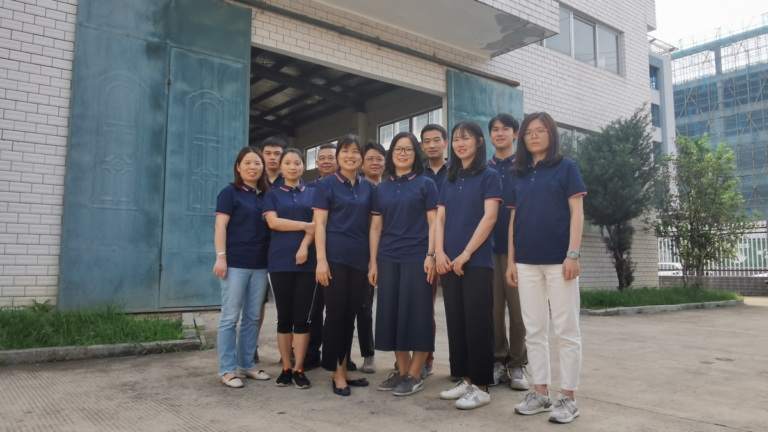
Teruier is rooted in a craft manufacturing hub near Fuzhou, supported by three practical foundations buyers feel in the results:
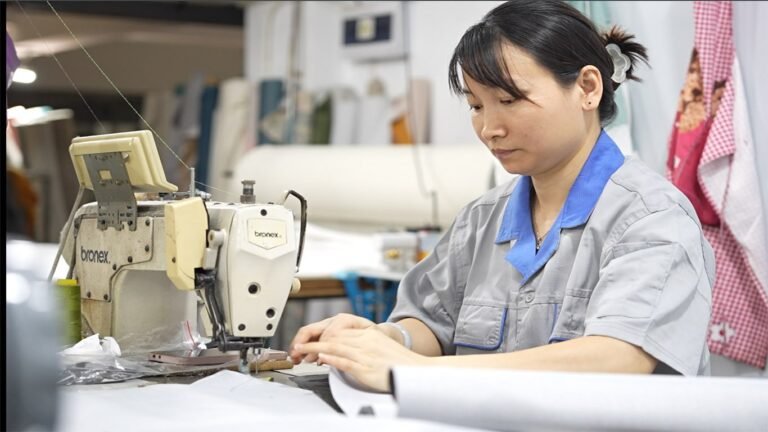
People: finishing discipline that keeps rim quality and surface standards consistent
Materials: stable sourcing for ceramic bodies, glazes, and protective packaging inputs
Process: repeatable checkpoints so production doesn’t “reinterpret” the sample on reorder
We also keep close feedback loops with US/EU designer perspectives—so what’s trending gets translated into buildable vase collections, not fragile one-season experiments.
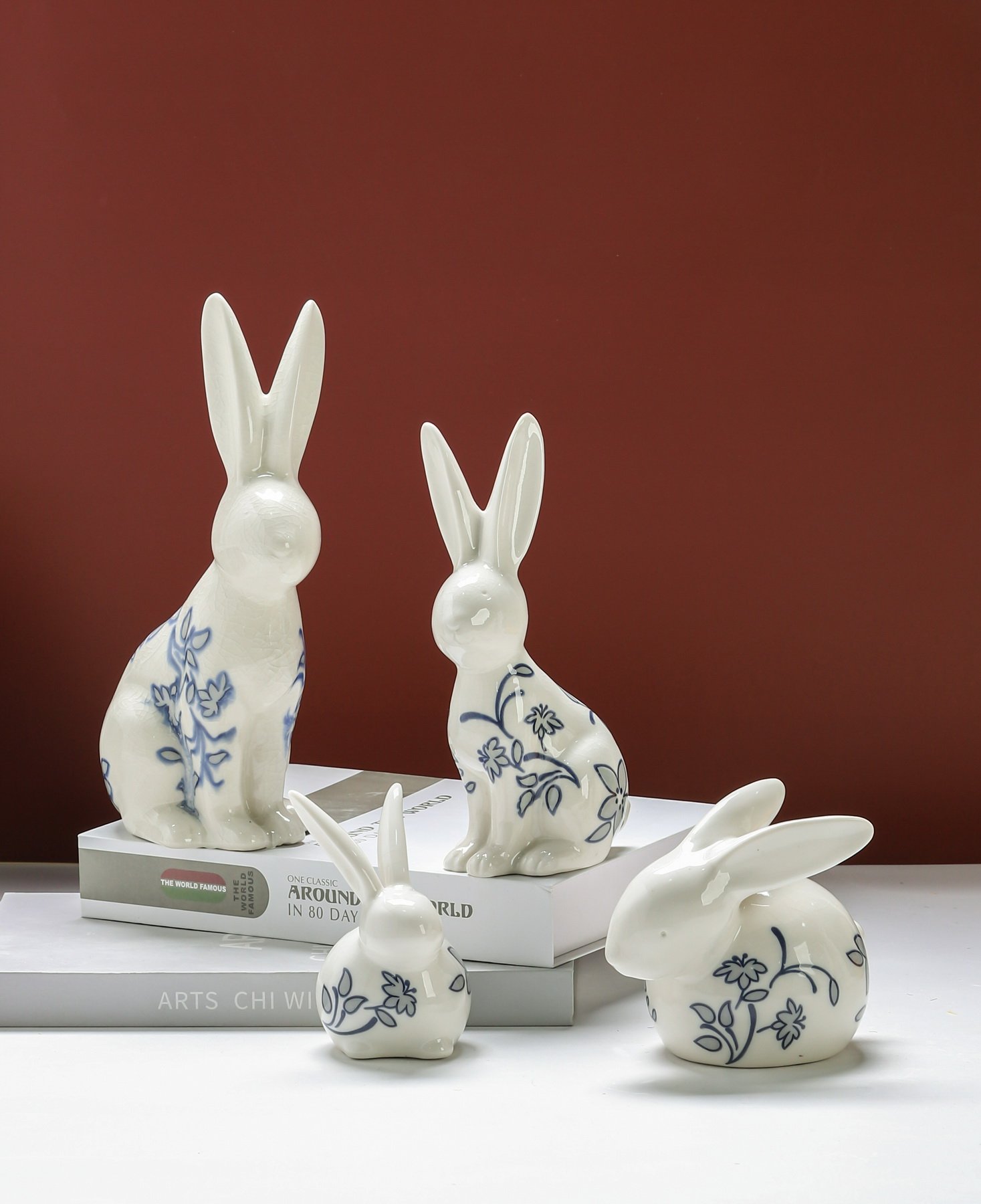
buy handcrafted ceramic like a program, not a gamble
If you want handcrafted ceramic to drive sell-through without turning into claims and reorder drift, treat your supplier choice as a system decision.
The right handcrafted ceramic decor supplier makes reorders boring (in the best way): same glaze range, same finish discipline, same packaging protection—so your ceramic vase wholesale supplier program stays consistent from the first shipment to the next season’s replenishment.