E-Commerce Merchandising: How to Turn a Shenzhen Style Review Into Keyword Clusters, Hooks, and a Product Brief That Sells
Most home décor teams collect trend photos, save them in folders, and then… nothing happens. The styles look exciting, but the launch doesn’t convert, the listing is messy, and paid traffic becomes expensive.
In Europe, the winning teams treat trends like a pipeline, not inspiration. A Shenzhen home décor style review becomes a structured workflow:
trend input → keyword clustering → hook system → product brief development → product positioning → e-commerce merchandising execution
That’s how you move from “nice ideas” to “reorder-ready sales.”
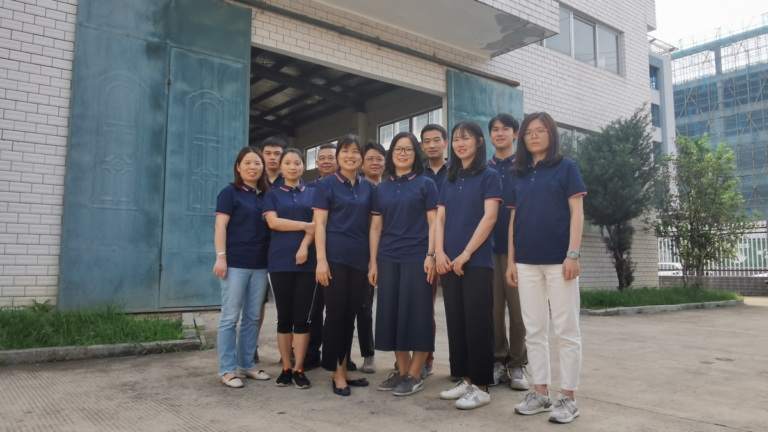
At Teruier, we run this like a commercial system. Our base is in a Fuzhou-area craft hub—often called a true “craft hometown”—with deep decorative craft heritage (people commonly reference traditions like bodiless lacquerware, oil-paper umbrellas, and horn combs). That culture creates finishing discipline. Operationally, we’re supported by three mature supply chains—craftsmen, materials, and process—and we layer in EU/US designer collaboration to translate trends into SKUs that actually fit European tastes and retail expectations.
Here’s the playbook.
1) Shenzhen Home Décor Style Review: What to Capture So It’s Actually Useful
A good style review isn’t “100 photos.” It’s a structured set of decisions.
Capture:
3–5 trend directions only (shape, finish, material, colour)
“what sells” signals (where crowds stop, what is repeated across booths)
price ladder clues (entry vs premium finish)
packaging risk notes (fragile edges, heavy items, scratch-prone finishes)
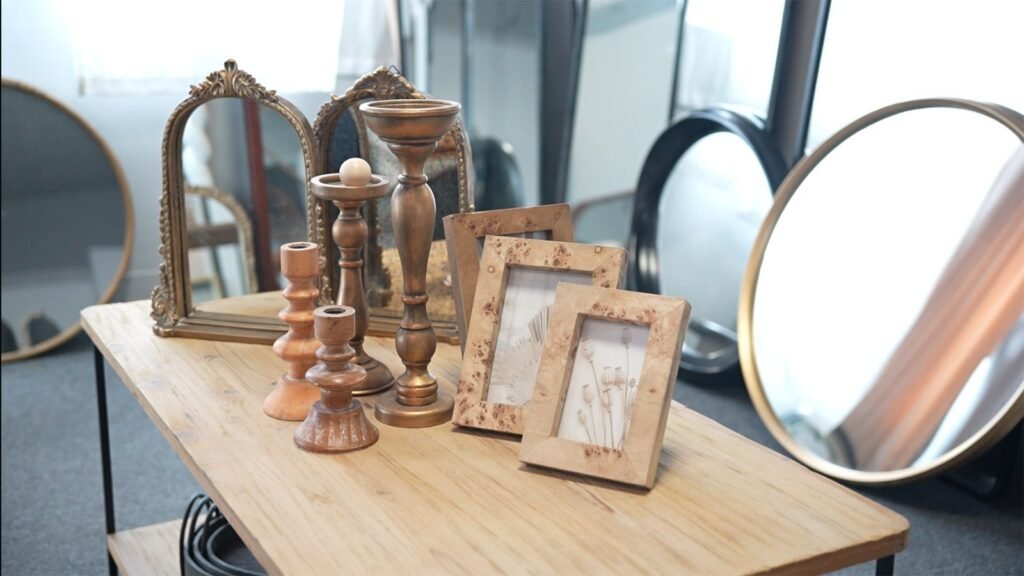
the merchandising story (how products are grouped and styled)
Your output should look like a buying plan, not a mood board.
2) Keyword Clustering: Convert Trend Language Into Search Language
Trends don’t rank. Keywords rank.
Keyword clustering means grouping search terms by buyer intent, not by semantics alone. For home décor e-commerce, the useful clusters are:
Product type cluster: “wall mirror”, “ceramic vase”, “ottoman bench”
Style cluster: “organic shape”, “modern minimalist”, “gold leaf”, “Islamic geometric”
Use-case cluster: “entryway”, “hotel lobby”, “small apartment”, “gift”
Feature cluster: “anti-fog”, “LED”, “storage”, “hand-finished”
Material cluster: “iron frame”, “resin”, “ceramic”, “glass”
When you cluster correctly, you can design listings, category pages, and tag pages that match how Europeans actually search.
3) Hook System: The Fastest Way to Improve Click and Conversion
A hook system is not hype. It’s a repeatable way to answer “why this product, right now?” in one second.
For home décor, the strongest hook types are:
Space hook: “Make small spaces feel bigger” (mirrors)
Mood hook: “Warm, calm, boutique-hotel look”
Function hook: “Anti-fog, easy install, storage built in”
Style hook: “Organic shape, soft curves, modern classic”
Trust hook: “Packaging engineered to reduce damage + reorder consistency”
A hook system becomes your headline, your first image concept, and your first bullet. It also shapes ad creative.
4) Product Brief Development: One Page That Prevents 80% of Launch Problems
A tight product brief development document keeps design, sourcing, and marketing aligned.
Your one-page brief should include:
product name + keyword cluster target
the “one-line hook” (what problem it solves or what look it creates)
size ladder (good/better/best options)
finish palette + acceptable variation rules
QC checkpoints (what can’t fail)
packaging requirements (what must be protected)
target price tier and competitor anchors
merchandising plan (how it will be styled in photos and on page)
If this brief is clear, the product launches faster and reorders cleaner.
5) Product Positioning: Make It Easy for the Customer to Choose
Product positioning is the bridge between “product” and “merchandising.”
Position each SKU with:
a clear use-case (“entryway mirror for narrow hallways”)
a clear style identity (“warm modern with soft curves”)
a clear tier (“entry / core / premium”)
a clear proof (“hand-finished feel + consistent QC + safe packaging”)
In Europe, customers don’t want too many options. They want a confident recommendation.
6) E-Commerce Merchandising: The Execution That Turns Planning Into Revenue
Now you build the online shelf.
A clean e-commerce merchandising setup includes:
category structure driven by keyword clusters
hero collection pages for trend directions
product page template that mirrors your hook system:
Image 1: lifestyle + hook
Image 2: size diagram
Image 3: finish close-up
Image 4: installation / usage
Image 5: packaging / QC proof
bundles and “complete the look” blocks to raise AOV
This is how you turn trend direction into basket size, not just clicks.
7) Why Teruier Helps This System Work (Not Just in Theory)
A merchandising system collapses if production is inconsistent.
Teruier’s differentiation is operational:
Craftsmen supply chain: finishing discipline that holds up in close-up photos
Materials supply chain: stable inputs that reduce batch drift
Process supply chain: repeatable workflows, QC checkpoints, packaging standards
And because we collaborate with European/American designers, the SKU proportions, finishes, and styling guidance are aligned with European taste—so the product doesn’t just “exist,” it sells.
This is supported by our craft-hub foundation in Fuzhou, a region with deep decorative craft culture (including well-known heritage crafts), which shapes the obsession with surface quality and consistency.
Closing: The Winning Formula Is Trend → Keywords → Hooks → Brief → Positioning → Merchandising
If you want e-commerce growth in Europe, stop treating trend review as inspiration and start treating it as a pipeline.

Run this system:
Shenzhen home décor style review → keyword clustering → hook system → product brief development → product positioning → e-commerce merchandising.
That’s how you launch faster, rank better, convert higher, and reorder confidently.