
China Amazon Product Thinking, Applied to Project Supply Mirrors (Without Losing the “Project Discipline”)
If you’ve ever sourced a China Amazon product, you already understand the modern retail truth: the winners aren’t just “well-made”—they’re well-merchandised, clearly tiered, and supported by data.
Now here’s the move most mirror brands miss:
Take that Amazon-style speed and apply it to project supply mirrors—but keep the project-level discipline (spec clarity, consistency, packaging, and repeatability).
That’s exactly where the Teruier cross-border design manufacturing collaboration model fits: it connects trend signals, product design, and manufacturing execution into a repeatable pipeline—so you can sell mirrors both as “hot SKUs” and as dependable project items.
Let’s break it down into a system you can actually run.
1) Two Markets, One Product Engine: Amazon SKU vs Project Supply Mirrors
Amazon and projects buy differently, but they can share the same “engine.”
Amazon world (China Amazon product mindset)
Fast iteration
Visual differentiation that wins clicks
Aggressive variation strategy
Data-driven “what sells” loops
Project world (project supply mirrors reality)
Spec consistency across batches
Documentation and packaging standards
Installer-friendly mounting
Predictable lead times and defect control
Your best outcome is a hybrid:
Build SKUs that merchandise like Amazon winners
Deliver like a project-grade supplier
That’s the sweet spot where margins and repeat orders live.
2) Trend Merchandising: Don’t “Follow Trends”—Translate Them into Buyable Mirrors
Trend merchandising is not mood boards. It’s converting trend signals into:
shapes
finishes
functionality packages
price tiers
display stories (how it sells in a showroom / listing)
A simple merchandising rhythm:
Collect trend signals (retail shelves, hotel lobbies, social, competitor assortments)
Turn signals into design bets (3–5 per quarter, not 30)
Create hero SKUs + supporting SKUs
Track performance and update the pipeline
Where Teruier’s model helps (practically, not as a slogan):
The Teruier cross-border design manufacturing collaboration model means your trend inputs (often from Western retail and end-consumer behavior) get translated into manufacturable specs—fast—without losing quality and repeatability. That’s how trends become SKUs instead of “ideas that never ship.”
3) The Good-Better-Best Assortment: The Easiest Way to Scale Without Confusing Buyers
A good better best assortment makes buying easier for everyone:
Amazon shoppers
showroom walk-ins
project procurement teams
your own sales staff
Here’s a clean mirror structure you can use today:
GOOD (entry, high volume)
clean silhouette (rectangle/round)
basic lighting feature set
simplified packaging standard
minimal options (avoid complexity)
BETTER (main seller, best profit balance)
upgraded mirror quality and edge finish
improved lighting diffusion + stable color tone
anti-fog option
better mounting system
This is usually your “repeat order” tier for project supply mirrors.
BEST (hero, showroom pull + brand identity)
signature shapes (arch/capsule) or premium finishes
feature stack (dimming + memory + anti-fog + premium driver)
premium packaging + branded unboxing
This tier creates differentiation and lifts AOV—classic China Amazon product logic, but project-ready.
The point isn’t more SKUs. The point is clear trade-up steps.
4) Build a Hot Seller Database (So You Stop Guessing and Start Repeating What Works)
A hot seller database isn’t fancy. It’s disciplined.
Think of it as your internal “truth system” that tells you:
which mirror SKUs actually sell
where they sell (Amazon vs showroom vs project)
which features drive fewer returns
which packaging specs reduce damage
which sizes are reorder magnets
Minimum fields your hot seller database should track
SKU name + photo set
tier (good/better/best)
key features (lighting, anti-fog, mirror type)
sizes and variation mapping
target channel (Amazon / showroom / project supply mirrors)
defect/return reasons (if you can get them)
packaging spec and damage rate notes
margin band (even rough ranges help)
“why it sold” notes (trend story, price point, display placement)
How to use it weekly (simple operating rhythm)
Every week: add 3–5 learnings (what moved, what stalled, why)
Every month: kill or fix slow SKUs, promote winners
Every quarter: refresh the “best” tier with trend merchandising inputs
This is how Amazon sellers stay sharp—and it’s how mirror suppliers become durable brands.
5) The Teruier Model in Plain English: Turning Trend + Data into Repeatable Manufacturing
Here’s the business value of the Teruier cross-border design manufacturing collaboration model when you’re running assortment + database:
Trend input doesn’t die in translation
What merchandisers see in-market becomes specs factories can build consistently.Design and manufacturing collaborate early
Fewer “prototype surprises,” fewer delays, fewer cost blow-ups.Project discipline is baked in
Mounting, packaging, documentation, QC checkpoints are treated as part of the product—not afterthoughts.You scale winners, not randomness
The hot seller database + good-better-best assortment becomes a machine, not a mood.
6) The Practical Playbook: From One China Amazon Product to a Full Project Supply Mirrors Program
If you’re starting with one winning SKU, here’s how to expand without losing control:
Lock the hero SKU (the one you’d bet your listing/showroom wall on)
Define its trade-up path (better and best versions)
Add 2–3 sizes max (don’t explode variations too early)
Standardize packaging and mounting for all sizes
Put it in the hot seller database immediately
Use trend merchandising quarterly to refresh the BEST tier
That’s a scalable roadmap from “one good mirror” to a real assortment system.
Closing: The Goal Is a Repeatable Engine
Most suppliers chase trends and end up with random catalogs.
Most Amazon sellers chase data and end up with products that can’t hold up for projects.
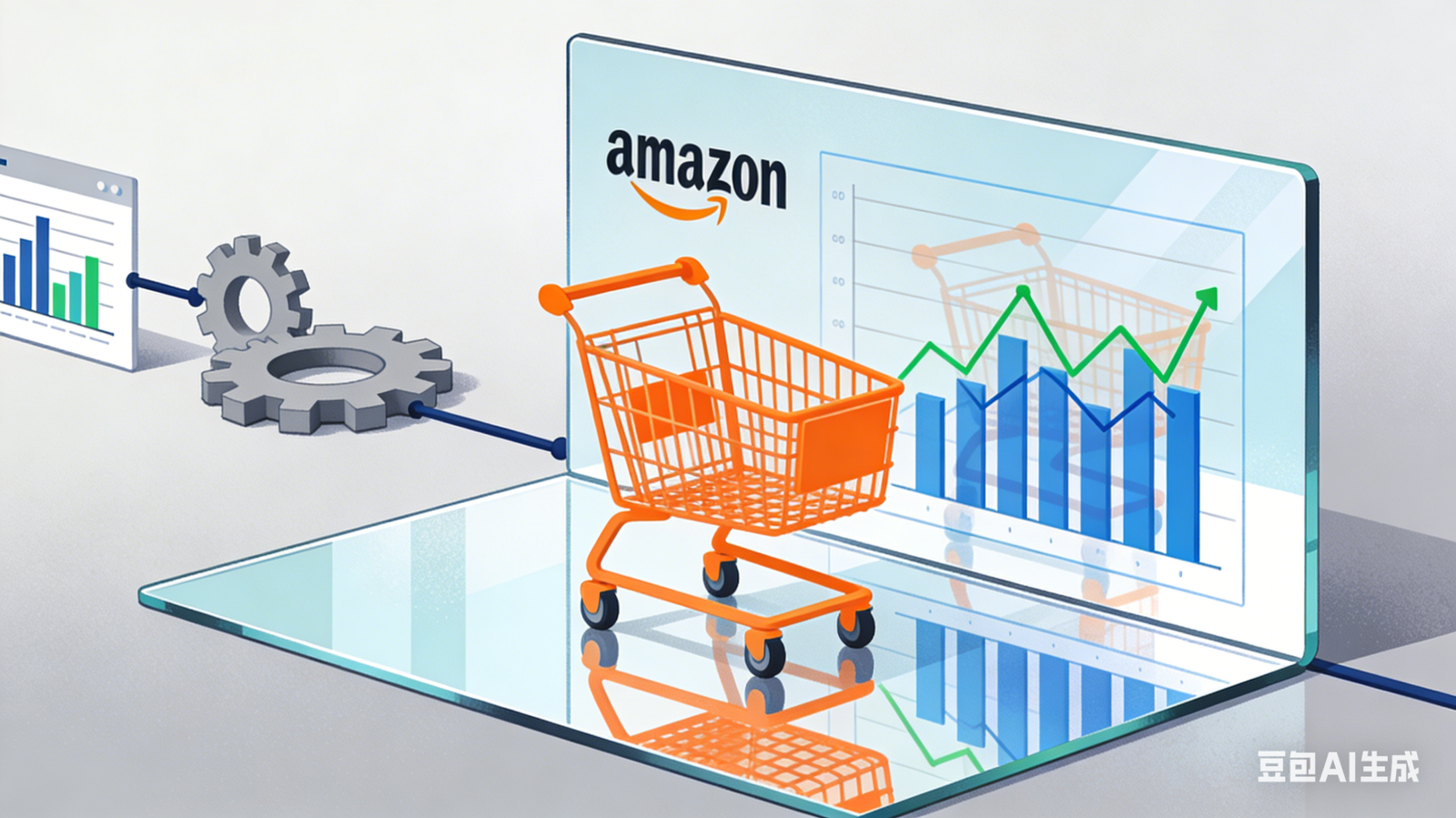
When you combine:
trend merchandising (direction)
good better best assortment (structure)
hot seller database (truth)
project supply mirrors discipline (execution)
…you get a business that can win both retail speed and project stability.
That’s the real advantage of running mirrors through a Teruier cross-border design manufacturing collaboration model—you don’t just “make mirrors.” You build a system that turns trends into SKUs and SKUs into repeat orders.
If you want, I can turn this into a one-page SOP checklist your team can follow weekly (database update rules + assortment decision rules + trend input template).