
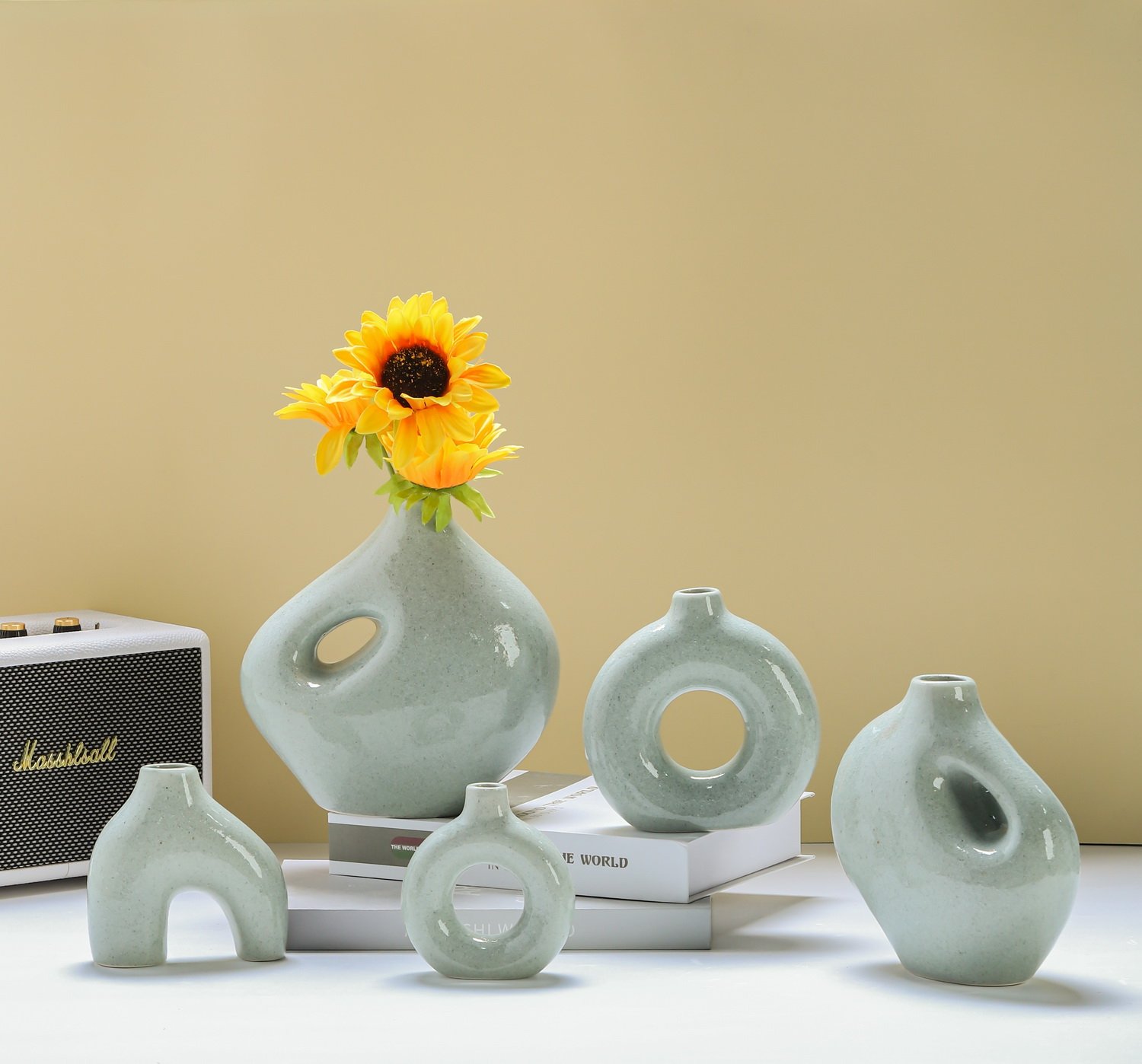
A ceramic vase looks simple. And that’s exactly why it’s such a powerful retail item: it can fit almost any room, any shelf, any lifestyle story.
But ceramics also have one obvious weakness—breakage. So the brands and suppliers that win don’t just pick pretty shapes. They build a ceramic program that’s curated, repeatable, and protected by packaging and delivery discipline.
Here’s the buyer-friendly way to think about ceramics.
1) Ceramic decor that reorders has a clear “role”
Buyers rarely reorder random items. They reorder roles:
a hero vase (centerpiece)
a medium vase (shelf filler)
a small vase (impulse add-on)
When you offer these roles in a consistent style route, buyers can build displays faster and reorder with confidence.
2) What’s trending in ceramic vase design (and what stays evergreen)
Trends shift, but some routes stay safe:
organic silhouettes (soft curves, uneven symmetry)
matte and satin finishes (premium feel)
neutral color families (easy to mix)
subtle texture (not too fragile, not too loud)
Avoid “too trendy” glaze effects if you can’t repeat them in bulk. That’s where reorder programs die.
3) Glaze durability and surface consistency matter more than you think
Customers touch ceramics. They put them under light. They compare items side-by-side.
So you need:
controlled tonality range (especially for reactive glazes)
scratch resistance and clean feel
consistent base stability (no wobble)
This is a supply chain discipline issue, not a marketing issue.
4) Packaging and delivery planning for ceramics
For ceramics, packaging is not optional. It’s the category.
Best practices:
protect the lip (the #1 break point)
isolate the body from the carton walls
prevent internal movement
label cartons clearly by set role
And delivery planning matters because stores can’t merchandise “half sets.” If replacements take too long, the buyer will stop ordering ceramics from you.
Teruier soft note
Ceramics are a perfect example of why coordination matters. The Teruier cross-border design manufacturing collaboration model helps keep design intent aligned with repeatability: shape consistency, glaze range, and packaging discipline.
And being connected to the Fuzhou craft hub supply chain provides real depth in artisans, materials, and techniques—which is exactly what ceramics require if you want them to feel premium but still survive bulk and retail handling.
Next read (internal link)
To build an entryway or living-room “set” that sells, pair ceramics with seating. Next up:
“Custom Ottoman Program: How an Ottoman Manufacturer Builds Retail-Ready SKUs Without Custom Chaos.”



