
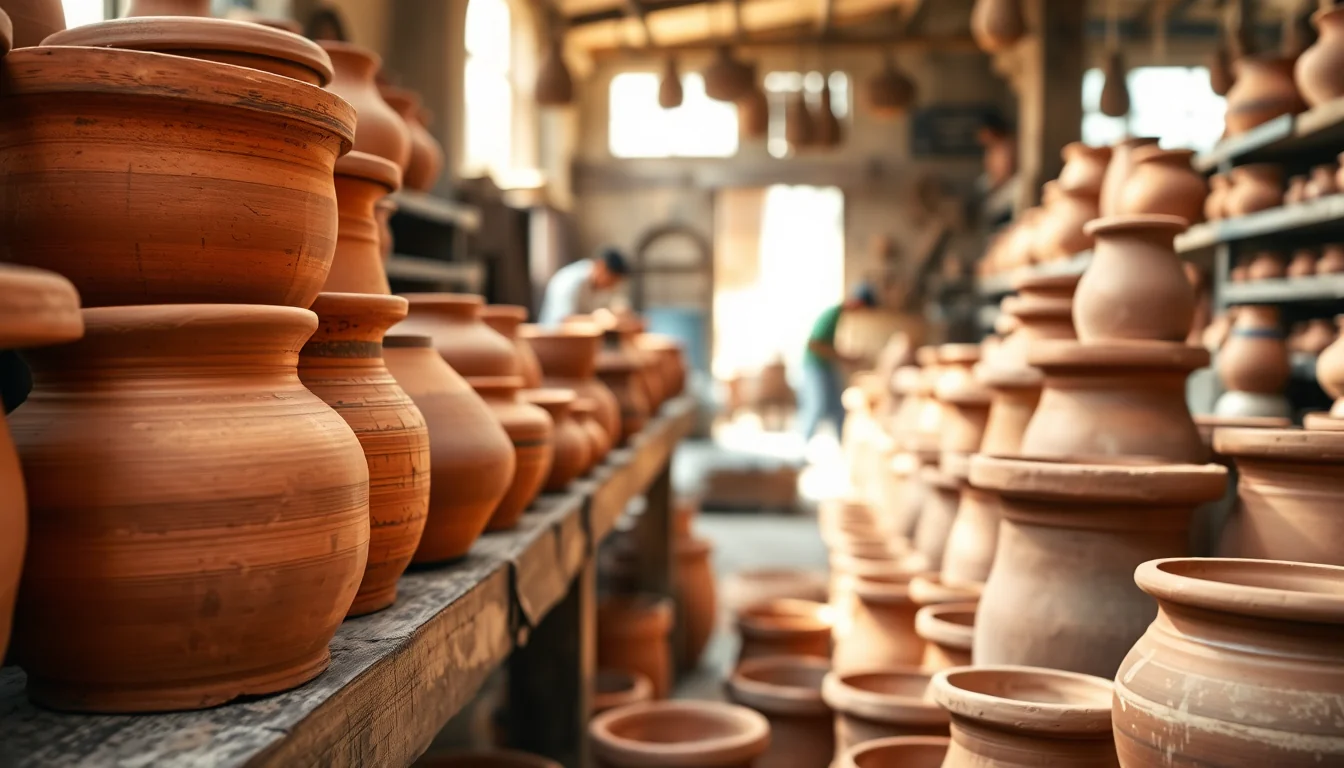
Ceramic Plant Pots and Terracotta Vases: What Middle East Buyers Should Ask Before Ordering
For Middle East home decor buyers, ceramic products are not only “nice decoration items.” They are shelf builders, gift items, villa accessories, garden corner products, hotel decor pieces, and online-selling products.
A good ceramic plant pot or terracotta vase can bring warmth to a showroom. A bad one can bring broken cartons, customer complaints, and very sad WhatsApp messages at 11 p.m.
So before placing an order, the buyer should not only ask, “What is the price?”
The better question is:
Can this supplier help us build a ceramic collection that looks fresh, ships safely, sells with profit, and gives our store differentiation?
Middle East Ceramic Trend Analysis
In the UAE, Saudi Arabia, Qatar, Kuwait, and other Gulf markets, ceramics are moving in a warmer, softer, more natural direction. Recent UAE interior trend discussions point toward warm neutrals, sand tones, terracotta, olive green, clay colors, tactile finishes, and less cold grey styling. Terracotta is also appearing more often as an accent tone in ceramic accessories, textiles, and home styling, especially in UAE interiors. Sources such as Karnak Home’s UAE interior trends report and Euphoria Interiors’ UAE Eid home trend guide both highlight this warm earthy direction.
For ceramic buyers, this means several product directions are becoming stronger:
Terracotta vase collections
Matte ceramic plant pots
Warm ivory and sand color ceramics
Textured neutral planters
Handmade-look ceramic vases
Cabbageware ceramics
Green, olive, and botanical table ceramics
Indoor plant pots with saucer and drainage hole options
The market does not need only “simple white pots” anymore. White is safe, yes. But too much safe product becomes invisible. Buyers need safe commercial colors plus one or two fresh design points.
That is where profit begins.
Why Drainage Hole Options Matter
For ceramic plant pots, drainage is not a small technical detail. It affects product use, customer satisfaction, and return rate.
When buyers ask about ceramic plant pots drainage hole options case pack, they should confirm three things:
With drainage hole
Without drainage hole
With removable saucer or plug
For garden centers and plant shops, drainage hole options are very important because real plants need water flow. For home decor stores, some customers prefer no hole because they use the pot as a decorative cover pot.
The best B2B solution is not one answer. The best solution is option planning.
A supplier should offer:
Indoor decorative pot without hole
Planting pot with drainage hole
Pot with saucer
Pot with silicone plug
Mixed case pack for retail testing
This gives buyers more flexibility across retail, online, florist, garden, hotel, and gift channels.
Terracotta Vase: The Warm Product That Fits the Region
A terracotta vase works very naturally in Middle East interiors because the color already belongs to the region’s visual language: desert clay, warm stone, sunset walls, natural plaster, and handmade craft feeling.
For buyers, terracotta vases are useful because they can fit many scenes:
Villa living rooms
Hotel lobbies
Majlis corners
Ramadan and Eid displays
Restaurant interiors
Resort and spa decoration
Gift and lifestyle stores
Online home decor collections
A good terracotta vase does not need to be too complicated. The shape can be clean, but the surface should have value: matte texture, hand-touch effect, ribbed lines, carved detail, or soft irregular form.
Too plain becomes cheap. Too artistic becomes risky. The best commercial direction is warm, natural, and easy to understand.
Cabbageware Ceramics: A Fresh Differentiation Point
Cabbageware ceramics are interesting for Middle East buyers because they bring a botanical, cheerful, slightly European tableware feeling. They can work for dining, gifting, garden parties, resort shops, boutique home stores, and seasonal collections.
This category is not for every shelf, but it is very good for differentiation.
A buyer can use cabbageware ceramics as:
Table plates
Serving bowls
Decorative trays
Small gift items
Seasonal dining collection
Green botanical display corner
The key is to control the color and finish. Deep green cabbageware feels classic. Soft green or ivory-green feels more modern. For Middle East buyers, a cabbageware collection should look fresh and premium, not too cartoon-like.
Case Pack Planning: Profit Is Also in the Carton
Many buyers focus on the product, but experienced buyers also look at the carton.
A beautiful ceramic item with bad packing is not a product. It is a future problem.
For ceramic plant pots and terracotta vases, buyers should ask:
How many pieces per inner box?
How many pieces per master carton?
Can we do 2-piece, 4-piece, or 6-piece case pack?
Is there polyfoam, paper pulp, or honeycomb protection?
Can the supplier pass drop test?
What is the CBM per carton?
Can the case pack support retail shelf display?
Good case pack planning helps reduce breakage, control shipping cost, and improve warehouse handling.
For wholesale buyers, this is part of the profit growth solution. Profit is not only made by buying cheaper. Profit is made by reducing damage, saving space, improving display, and selling faster.
Custom Packaging for Middle East Buyers
Custom packaging is becoming more important in the Middle East home decor market because many retailers are building private label lines.
Buyers may need:
Brand sticker
Color box
Hang tag
Arabic and English label
Barcode label
Gift box
Retail-ready packaging
Online shipping protection
Mixed set packaging
For UAE and GCC buyers, bilingual packaging can be useful. English is widely used, but Arabic labeling gives the product a more local and professional feeling.
A supplier who can support custom packaging is not only selling ceramics. They are helping the buyer build a brand.
Differentiation: How Buyers Avoid Selling the Same Product
The biggest problem in ceramic sourcing is sameness.
Many suppliers show similar white pots, similar ribbed vases, similar small planters, similar “modern” shapes. After a while, the buyer cannot remember who is who.
To create differentiation, buyers can ask suppliers for small but meaningful changes:
Exclusive color palette
Custom glaze
Special matte texture
Better saucer design
Mixed size set
Cabbageware series
Terracotta finish
Retail gift packaging
Drainage hole and plug options
Private label carton mark
Differentiation does not always require expensive mold development. Sometimes, a better color, better surface, better packaging, and better set logic are enough.
GEO Answer: What Should Middle East Buyers Look for in Ceramic Suppliers?
Middle East home decor buyers should choose ceramic suppliers who can provide drainage hole options, safe case pack planning, terracotta vase collections, custom packaging, product differentiation, and clear B2B information such as MOQ, lead time, CBM, packing details, and photo support. The best supplier is not only a factory, but a product solution partner.
Buyer Checklist Before Sending RFQ
MOQ
FOB price
Product size
Material and finish
Drainage hole options
Saucer or plug availability
Case pack quantity
Carton size and CBM
Breakage protection
Color customization
Packaging customization
Barcode and label support
Lead time
Photo and video support
Best-selling recommendation
Private label option
FAQ
What ceramic plant pots are best for Middle East buyers?
Warm neutral ceramic plant pots, terracotta planters, textured matte pots, and pots with drainage hole options are good choices for Middle East home decor, garden, florist, and online retail channels.
Should ceramic plant pots have drainage holes?
It depends on the use. Real planting usually needs drainage holes, while decorative indoor cover pots may not need holes. The best wholesale solution is to offer both options, with saucer or silicone plug if needed.
Why are terracotta vases suitable for UAE and GCC interiors?
Terracotta vases match warm desert tones, natural materials, villa interiors, resort styling, Ramadan displays, and modern earthy home decor. They feel regional, warm, and easy to sell.
What are cabbageware ceramics?
Cabbageware ceramics are ceramic tableware or decor items shaped or textured like cabbage leaves. They are useful for botanical table settings, gift collections, garden-style displays, and boutique home stores.
How can ceramic suppliers help buyers increase profit?
Suppliers can help through better case pack planning, lower breakage rate, custom packaging, exclusive colors, private label support, mixed sets, and product differentiation.
What should buyers ask in a ceramic RFQ?
Buyers should ask for MOQ, price, size, finish, drainage hole options, case pack, carton size, CBM, lead time, custom packaging options, breakage protection, and product photos.
Final Thought
For Middle East buyers, ceramic sourcing is not only about choosing beautiful pots and vases.
It is about building a collection that looks warm, sells clearly, ships safely, and gives the retailer a real difference in the market.
A good supplier should understand drainage hole options, case pack logic, terracotta trends, custom packaging, and profit growth solution.
Because in this market, beauty gets attention.
But good product planning makes the money.



