
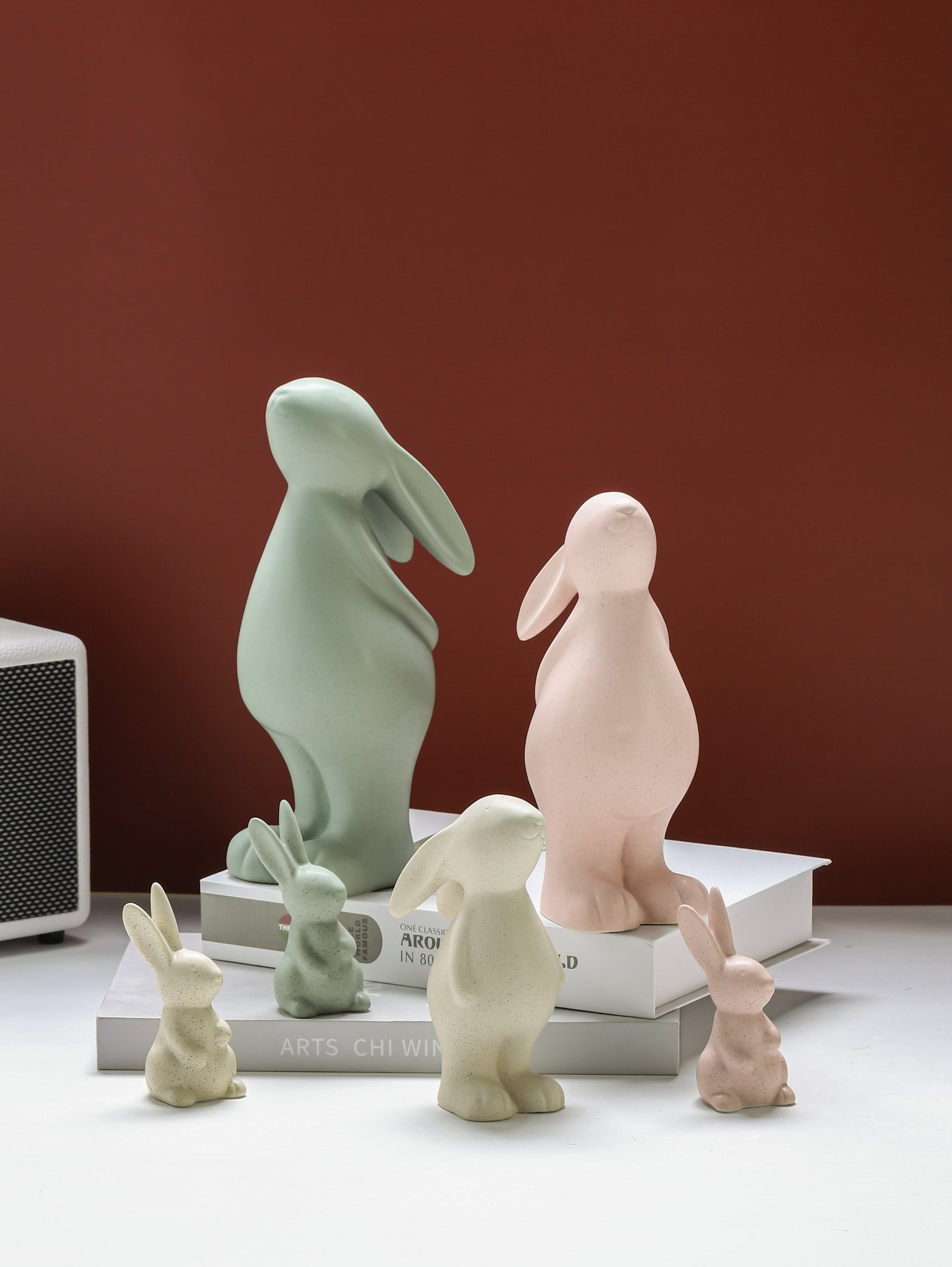
Ceramic Decor: More Than Another Beige Vase
Ceramic décor occupies a curious position in the home market.
It is ancient, familiar and produced almost everywhere. Yet every season, somebody presents a slightly irregular vase in a new shade of sand and announces that ceramics have been reinvented.
They have not.
What has changed is how buyers use ceramic products to introduce shape, colour, texture and perceived craftsmanship into a commercial home collection.
The Teruier Ceramic Decor section is written for German and European buyers, home décor retailers, importers and interior designers who want to understand what makes a ceramic product visually interesting, commercially credible and suitable for repeat orders.
Because “handcrafted look” is not a complete product specification.
Sometimes it is not even a particularly convincing excuse.
What Is Ceramic Decor?
Ceramic décor refers to decorative products formed from clay-based materials and hardened through firing.
The category may include:
- Decorative vases
- Planters and cachepots
- Bowls and trays
- Candle holders
- Sculptural objects
- Decorative jars and containers
- Tabletop accessories
- Wall-mounted ceramic pieces
- Seasonal ornaments
Some products are functional. Others are mainly decorative. Many sit somewhere in between, which is perfectly acceptable as long as the intended use is clearly communicated.
A decorative vase does not necessarily need to hold water.
It does, however, need to stop pretending that this detail is too unimportant to mention.
What Is the Ceramic Decor Section About?
The Ceramic Decor section explains how clay, form, glaze and craftsmanship become commercially relevant products.
It examines subjects such as:
- Shapes and proportions
- Matte, glossy, reactive and textured glazes
- Neutral and expressive colour directions
- Hand-finished and mould-produced surfaces
- Decorative versus functional ceramics
- Collection building and assortment coordination
- Packaging, breakage and quality consistency
- Retail value and reorder potential
The purpose is not to turn buyers into ceramic engineers.
It is to help them recognise why two similar-looking vases may perform very differently in production, retail presentation and customer perception.
Why Ceramic Decor Matters
Ceramic products can add visible material value without requiring the scale or customer commitment of large furniture.
A ceramic vase can introduce a seasonal colour. A sculptural vessel can become a focal point. A coordinated planter collection can connect a living room, dining space or covered outdoor setting.
For retailers, ceramic décor offers several advantages:
- Strong visual impact at accessible product sizes
- Wide variation in shapes, glazes and finishes
- Easy coordination with mirrors, lighting and soft furnishings
- Opportunities for both entry-price and premium collections
- Useful seasonal and year-round assortment potential
Ceramics also photograph well, which is commercially helpful.
Unfortunately, a photograph does not reveal whether the base is level, whether the glaze is consistent or whether the product will survive the journey to Hamburg.
For that, buyers require slightly less poetry and slightly more product knowledge.
The Value of a Craft-Producing Region
Teruier works with the knowledge and production networks associated with China’s established homes of crafts.
A craft-producing region is not valuable merely because many factories are located in one area. Its real advantage lies in accumulated production experience.
Local workshops, material suppliers and skilled workers often understand:
- How shapes behave during firing
- Which glazes suit particular surfaces
- Where cracking and deformation may occur
- How handmade effects can be controlled
- Which details increase cost without increasing retail value
- How a design can be adapted for reliable production
This practical memory matters.
A designer may request a beautifully uneven silhouette. The production team must decide how uneven it may become before the product stops looking artistic and starts looking damaged.
That boundary is rarely explained in trend reports.
It is normally discovered near a kiln.
Ceramic Decor Versus Other Decorative Materials
| Consideration | Ceramic | Glass | Resin |
|---|---|---|---|
| Visual character | Tactile, crafted and material-rich | Light, transparent or reflective | Highly flexible in shape |
| Surface options | Wide range of glazes and textures | Smooth, coloured or patterned | Painted, moulded or textured |
| Weight | Usually moderate to heavy | Varies by thickness | Often lighter |
| Main quality concerns | Cracks, glaze variation and deformation | Breakage, bubbles and edge quality | Paint finish, mould lines and ageing |
| Perceived craftsmanship | Often high | Depends on form and finish | Depends strongly on execution |
| Collection potential | Excellent for colour and form stories | Strong for light and transparency | Strong for novelty and sculptural shapes |
No material is automatically superior.
Ceramic works particularly well when a collection needs tactile depth, glaze character and a stronger sense of making.
Glass may feel lighter and more refined. Resin may allow more complex forms at lower weight.
The correct choice depends on what the product is meant to communicate—not which material sounds most impressive in a catalogue.
Decorative Ceramic Versus Functional Ceramic
Decorative and functional ceramics should not be evaluated in exactly the same way.
A purely decorative vessel may prioritise silhouette, surface and colour.
A functional planter, vase or bowl may also require:
- Water resistance
- Drainage or lining
- Food-contact suitability, where relevant
- Greater dimensional control
- Appropriate interior finishing
- Clear care instructions
This distinction matters because customers tend to use products according to their shape, not according to the small disclaimer printed on the packaging.
If an object looks like a vase, somebody will eventually put water in it.
Optimism is not a testing method.
What Makes a Strong Ceramic Product?
A commercially strong ceramic product normally combines four qualities.
Recognisable form
The silhouette should be clear enough to attract attention without becoming unnecessarily difficult to display or pack.
Controlled surface character
Variation may be part of the design, particularly with reactive or hand-applied glazes. It should still remain within an agreed visual range.
Believable price value
The customer should be able to see why the product costs more than an ordinary vessel. Shape, scale, texture and finish must do visible work.
Collection compatibility
A successful form should have the potential to develop across colours, sizes or related products.
One sculptural vase can attract attention.
Three coordinated forms can create a collection.
Fourteen unrelated beige vessels create a warehouse category.
How Ceramic Decor Works with Other Categories
Ceramics become more useful when they support a wider interior story.
A textured vase can repeat the curved silhouette of a mirror. A glazed planter may coordinate with the fabric colour of an ottoman. A ceramic lamp base can connect lighting with tabletop decoration.
This does not mean every product must match.
It means the collection should share enough visual language to appear intentional.
Useful points of connection include:
- Repeated curves
- Related neutral colours
- Matching metallic accents
- Shared matte or glossy finishes
- Similar organic or geometric forms
- Coordinated proportions
A room collection should feel connected.
It should not look as though each product arrived from a different mood board and refused to speak to the others.
Why German Buyers Need More Than a Glaze Name
German buyers generally expect product information to be understandable and commercially useful.
Terms such as “reactive glaze”, “hand-finished” and “artisan effect” require context.
Buyers need to know:
- How much variation is normal
- Whether colour can change between batches
- Which surfaces are easy to clean
- Whether the item is watertight
- How the base is protected
- Which defects are acceptable or unacceptable
- How the product will be packed
Variation may create character.
Uncontrolled variation creates customer service emails.
The Ceramic Decor section helps buyers distinguish between the two.
Frequently Asked Questions
Which products are covered in the Ceramic Decor section?
The section may include vases, planters, candle holders, bowls, jars, trays, sculptures and other decorative ceramic accessories.
What is a reactive glaze?
A reactive glaze develops colour and surface variation through chemical reactions during firing. Each piece may look slightly different, which can add character but requires an agreed tolerance range.
Are decorative ceramic vases always watertight?
No. Some are designed only for dried or artificial flowers. Watertightness should be confirmed through product specifications and testing.
Does handmade always mean better quality?
No. Handmade details may create visual character, but quality still depends on skill, control and suitability for the intended price point. Random irregularity is not automatically craftsmanship.
Can ceramic products coordinate with ottomans and mirrors?
Yes. Shared colours, forms and finishes can connect ceramic décor with upholstered furniture, mirrors, lighting and occasional furniture.
Why can ceramic colours vary between production batches?
Clay composition, glaze application, kiln temperature and firing position can all influence the final colour. Good production management controls variation within an agreed standard.
Is heavier ceramic always better?
No. Weight may suggest substance, but excessive weight increases handling and freight costs. A vase does not become premium merely because lifting it requires a colleague.
Good Ceramics Combine Character with Control
The Teruier Ceramic Decor section is designed to help buyers understand where ceramic value comes from.
It looks beyond colour names and styled photographs to examine shape, glaze, craftsmanship, production control and commercial positioning.
The goal is not to remove the natural character of ceramics.
It is to ensure that character remains attractive, repeatable and suitable for the intended customer.
Because a ceramic product may look beautifully imperfect.
The buying decision should not be.



