
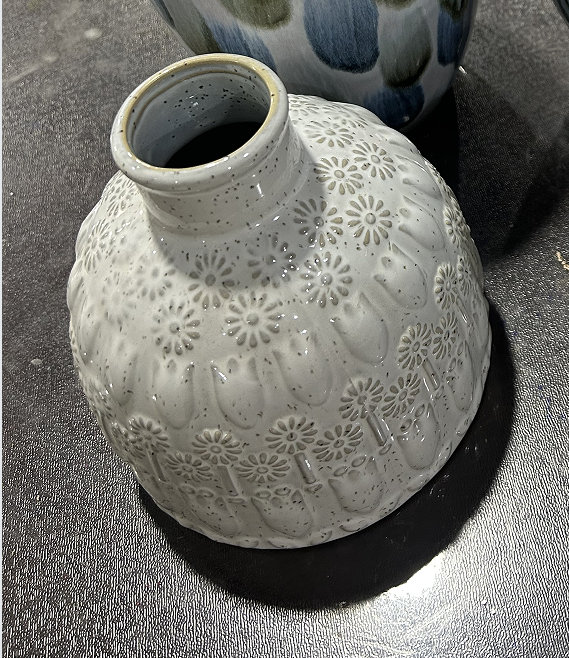
Tabletop Decor: Small Objects with a Large Responsibility
A table without decoration may look wonderfully minimal.
It may also look as though somebody has just moved out.
Tabletop décor sits in the small but commercially important space between an empty surface and a cluttered one. A well-chosen tray, ceramic bowl, candle holder or sculptural object can complete a room without requiring the customer to replace the furniture.
The Teruier Tabletop Decor section is written for German and European buyers, home décor retailers, importers and interior designers who want to understand how small decorative products create visual value, assortment depth and accessible add-on sales.
Because a decorative object should give the table a reason to be noticed.
It should not merely give the customer another item to dust.
What Is Tabletop Decor?
Tabletop décor refers to decorative and semi-functional objects designed for tables, consoles, shelves, desks, sideboards and other horizontal surfaces.
The category may include:
- Decorative trays
- Bowls and centrepieces
- Candle holders and lanterns
- Ceramic and glass vessels
- Sculptural objects
- Decorative boxes
- Bookends
- Small planters
- Picture frames
- Seasonal ornaments
- Compact vases and jars
These products may be decorative, functional or a sensible combination of both.
A tray can organise smaller objects. A bowl may become a centrepiece. A decorative box hides remote controls, cables and other items that modern interiors prefer not to discuss.
What Is the Tabletop Decor Section About?
The Tabletop Decor section examines how small decorative objects contribute to commercially useful home collections.
It explores:
- Shapes, colours and decorative themes
- Ceramic, glass, metal, wood and mixed materials
- Surface finishes and handcrafted details
- Product scale and visual proportion
- Styling groups and coordinated sets
- Seasonal and year-round opportunities
- Packaging, breakage and display efficiency
- Perceived value and retail positioning
The section is not simply a parade of attractive objects on marble consoles.
It explains why certain products work together, which details create visible value and how a buyer can distinguish a coherent collection from a group of unrelated decorative items sharing the same catalogue page.
Why Tabletop Decor Matters
Tabletop décor allows retailers to introduce newness without demanding a major purchasing decision from the customer.
A shopper may hesitate before buying a new mirror, bench or ottoman. A smaller decorative object usually requires less commitment and can still refresh the appearance of a room.
For buyers, the category offers several advantages:
- Accessible price points
- Strong gifting potential
- Easy seasonal updates
- Useful add-on sales
- Flexible display opportunities
- Coordination across several furniture and décor categories
- Opportunities for colour, texture and novelty
These products can also help retailers complete room settings.
A mirror and console establish the structure. A lamp adds light. A ceramic bowl or decorative tray then suggests that a human being might actually live there.
Preferably one with excellent taste and no visible paperwork.
Small Product Does Not Mean Small Decision
Tabletop products may be compact, but they still require commercial judgement.
A decorative object must answer several questions:
- Is the scale suitable for the intended surface?
- Does the finish look convincing at close range?
- Can it stand securely?
- Is the product easy to display?
- Does the material support the intended retail price?
- Can it be packed efficiently and safely?
- Does it coordinate with a wider collection?
A large piece of furniture is normally viewed from a distance.
Tabletop décor is picked up, turned around and inspected from approximately twelve centimetres away. The customer will discover the uneven base, rough edge or careless paint line. Customers are talented like that.
From Product Detail to Buyer Value
Teruier uses value translation to connect product specifications with commercial meaning.
A supplier may describe a product as:
“Polyresin object with antique gold hand-painted finish.”
A buyer needs to understand something more useful:
- Does the finish look genuinely decorative or merely sprayed?
- Can the colour coordinate with mirrors, lamps and furniture hardware?
- Is the product heavy enough to feel substantial?
- Will the finish scratch during packing and handling?
- Can the design support the expected retail price?
- Is the hand-painted effect controllable across production?
Value translation turns materials and processes into answers about customer perception, assortment use and profit potential.
The question is not only, “How was this product made?”
The better question is, “Why will the customer notice it, trust it and pay for it?”
Tabletop Decor Versus Functional Tableware
Tabletop décor and tableware may appear similar, but their commercial requirements are not identical.
| Consideration | Tabletop Decor | Functional Tableware |
|---|---|---|
| Main purpose | Decoration and light organisation | Serving, eating or food preparation |
| Typical products | Trays, objects, vases and candle holders | Plates, cups, bowls and serving dishes |
| Main value driver | Shape, finish and visual impact | Function, durability and food suitability |
| Testing priority | Stability, surface quality and packaging | Food contact, heat resistance and cleaning |
| Customer expectation | Decorative appeal | Repeated practical use |
| Collection role | Completes room and display stories | Builds dining and serving programmes |
A decorative bowl may look suitable for fruit, snacks or salad.
That does not automatically make it food-safe.
Customers tend to trust familiar shapes. Product specifications should therefore be clearer than customer optimism.
Individual Pieces Versus Coordinated Collections
A single decorative object can create visual interest.
A coordinated group creates assortment value.
| Individual Piece | Coordinated Collection |
|---|---|
| Strong as a standalone accent | Supports a wider merchandising story |
| Easy to test in small quantities | Encourages multiple-item purchases |
| May suit one room or display | Can work across several room settings |
| Depends heavily on one design | Spreads value across forms, sizes and colours |
| Useful as a hero item | Useful for both display and volume sales |
A strong tabletop collection does not require every object to match exactly.
It may use repeated colours, related finishes, shared motifs or compatible proportions.
The objective is visual connection, not decorative military discipline.
What Makes Strong Tabletop Decor?
A commercially effective tabletop product usually combines four qualities.
Clear visual identity
The object should have a recognisable form, texture or finish.
Appropriate scale
It should suit the table, console or shelf without disappearing or taking possession of the entire surface.
Visible material value
The customer should understand why the product costs more than a generic alternative.
Collection compatibility
The design should connect with other objects, mirrors, lighting, ottomans or occasional furniture.
The strongest products often perform more than one role.
A sculptural tray can organise smaller items. A decorative box adds pattern while hiding practical clutter. A ceramic vessel may support dried flowers or function as an object by itself.
Multifunctionality is useful.
Trying to make a candle holder, vase, tray and bookend into one product is usually less useful.
How Tabletop Decor Connects a Room
Tabletop décor often acts as a visual bridge between larger categories.
A ceramic object may repeat the rounded shape of an ottoman. A decorative tray can match the metal finish of a mirror. A glass candle holder may connect with lighting through colour and transparency.
Useful coordination methods include:
- Repeated curves or geometric forms
- Matching or related finishes
- Shared accent colours
- Similar textures
- Consistent decorative motifs
- Balanced differences in height and scale
A collection should appear related without becoming repetitive.
When every product has exactly the same pattern, the result is not coordination.
It is branding anxiety.
Why German Buyers Need Clear Product Logic
German buyers generally expect decorative products to offer more than visual novelty.
They need to understand:
- Where the product belongs
- Which customer is likely to buy it
- How it coordinates with existing ranges
- Whether the finish justifies the price
- How much variation is acceptable
- Whether the packaging supports reliable delivery
- If the product can be reordered consistently
Tabletop décor is particularly vulnerable to impulse development.
A design may look amusing in a presentation but struggle to fit a real shelf, room or customer need.
The Tabletop Decor section therefore looks beyond whether a product is charming.
Charm is useful.
A clear commercial role is better.
Frequently Asked Questions
Which products are included in Tabletop Decor?
The section may cover decorative trays, bowls, candle holders, vessels, boxes, frames, bookends, sculptures and small planters.
Is Tabletop Decor the same as home accessories?
Tabletop décor is part of the wider home accessories category. It focuses specifically on products displayed on tables, consoles, shelves and similar surfaces.
Are decorative bowls suitable for food?
Not necessarily. Food-contact suitability must be confirmed through the material specification and relevant testing.
Can Tabletop Decor coordinate with mirrors and ottomans?
Yes. Repeated shapes, colours, textures and finishes can connect smaller decorative objects with mirrors, ottomans, lighting and occasional furniture.
Are matching sets better than individual products?
Not always. Sets can encourage multiple purchases, while individual products may work better as flexible accent pieces. The right choice depends on the selling channel and assortment strategy.
Does handmade variation increase product value?
It can, when the variation feels intentional and remains within an agreed standard. Uncontrolled differences are not automatically craftsmanship.
Why is packaging important for small décor?
Many tabletop products include fragile materials, detailed finishes or irregular shapes. Poor packaging can quickly turn a profitable small object into several colourful pieces.
A Small Object Should Earn Its Position
Tabletop décor may be physically small, but it often determines whether a room display feels complete, commercial and emotionally convincing.
The Teruier Tabletop Decor section helps buyers examine these products through design relevance, material value, collection logic and sourcing reality.
It is about choosing objects that add character without creating clutter, support margin without appearing cheap and coordinate without becoming predictable.
Because an empty tabletop may look unfinished.
An overcrowded one looks like somebody lost an argument with a gift shop.



