
Ceramic Decor Trend Signals from Shenzhen (and What They Mean for Amazon Sellers)
Quick expectation check: this is reference value, not “copy this booth and launch next week.”
For Amazon selection managers and seller brands, Shenzhen shows are useful because they reveal what’s about to become normal:
what styles will flood listings,
what finishes will feel “current,”
and what execution details will separate winners from return-magnets.
And this year, one category is quietly getting stronger again:
ceramic decor—especially small ceramic pieces that read as “designer” in photos.
So here are the clearest Shenzhen signals, translated into Amazon selection language.
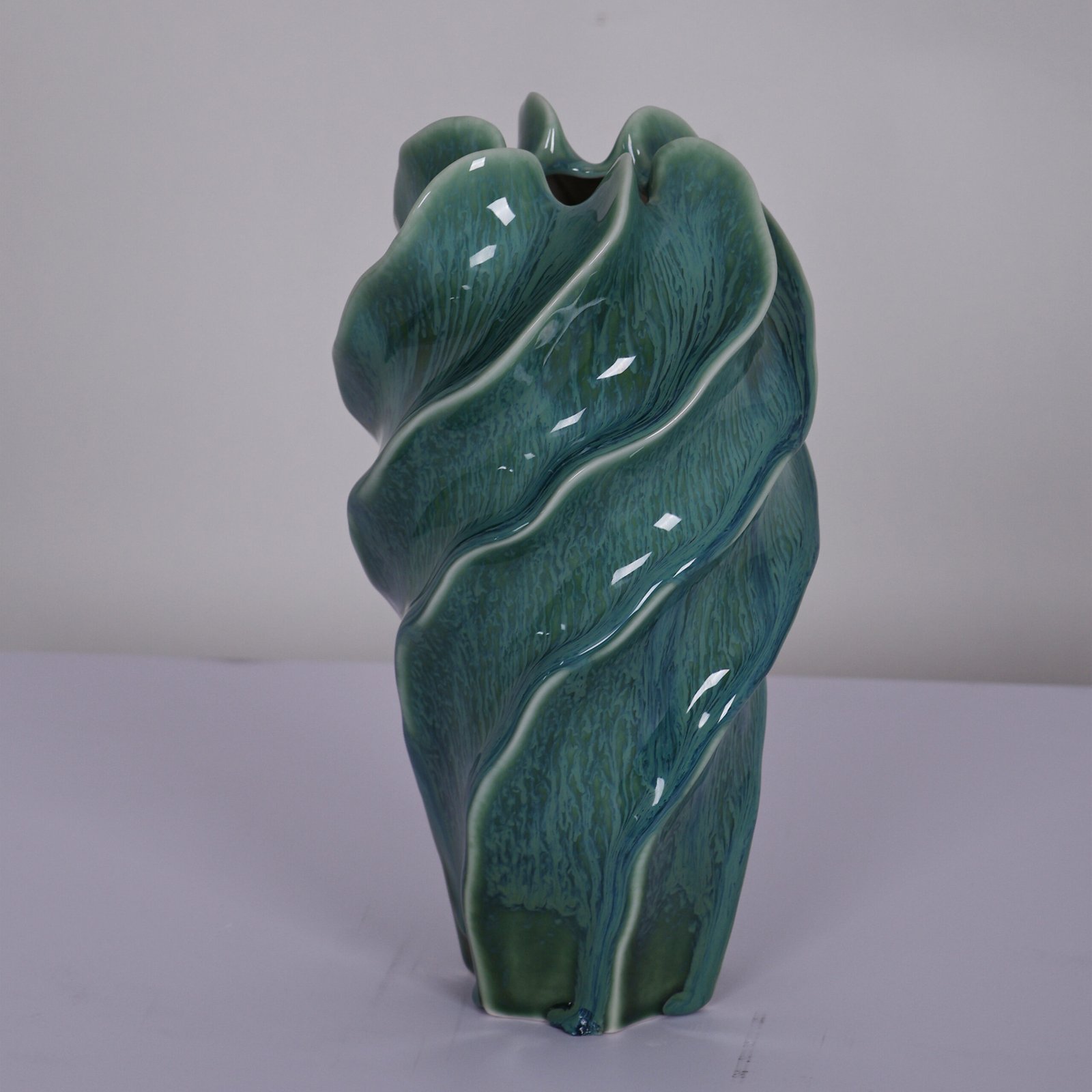
Signal #1: Sculptural Shapes > Traditional “Flower Vase” Looks
What’s happening
The ceramic category is moving toward:
abstract, sculptural forms
curved silhouettes
“art object” energy, not just functional containers
Shoppers want pieces that look like they came from a boutique—not a grandma cabinet.
Keyword lanes that fit (Amazon product selection)
High-volume lanes that still match this vibe:
ceramic vase
ceramic decor
home decor accessories
You can still style it like “sculptural,” but don’t rely on niche art terms for your main hook.
Best SKU role in your Amazon assortment strategy
Hero click magnet: one sculptural ceramic vase / object that photographs insanely well
Supporting SKUs: same finish in 2–3 shapes (family look), not random
Risks
“smaller than expected” returns
uneven glaze variation (customers call it “damaged”)
fragile edges → transit breakage
Landing tips
include scale photos (hand-held, shelf context)
describe glaze variance as intentional (but keep QC tight)
Signal #2: Finish Direction = Matte, Stone-Look, and “Handmade Feel”
What’s happening
Glossy, loud ceramic is still around, but the trend direction is clearly:
matte finishes
off-white / sand / warm neutral tones
stone-look textures
subtle speckles
“handcrafted vibe” without looking rustic
This reads premium on Amazon photos—especially when staged right.
Keyword lanes that fit
Keep your core SEO cluster tight and repeatable:
Amazon product selection, Amazon assortment strategy, ceramic decor, ceramic vase, home decor accessories
Those can support multiple articles and category pages.
SKU role
Conversion anchor: neutral matte ceramic vase set (safe, giftable, easy match)
Upsell: larger size or “designer silhouette” in the same finish
Risks
matte surfaces show scuffs easily
inconsistent color tone between batches
customer expectations too high if photos look “too perfect”
Landing tips
require consistent glaze formula + batch-to-batch color control
add protective wrap inside packaging to prevent rubbing marks
This is where a connected workflow matters. A ceramic piece can look amazing in a sample, then fall apart in production because the finish isn’t controlled, the QC isn’t specific, and packaging doesn’t protect the surface. Teams like Teruier tend to push for alignment across design intent, material/finish specs, QC checkpoints, and packaging—because on Amazon, “minor finish issues” become major review problems.
Signal #3: Sets Are Getting Smarter (Pairs, Triples, and Mix-and-Match Families)
What’s happening
Single “one-off” decor items are harder to scale.
What’s getting more common is:
2-piece and 3-piece ceramic vase sets
mix-and-match families (same finish, different shapes)
coordinated decor bundles that look styled out of the box
This is perfect for Amazon because sets:
increase AOV
feel more giftable
make the value obvious
Keyword lanes that fit
“ceramic vase set”
“home decor accessories”
(Use these as supporting language under your main cluster.)
SKU role in your Amazon-ready assortment strategy
AOV driver: 2–3 piece set in neutral finish
Variation system: same set in multiple sizes or tones (keep it simple)
Risks
breakage rate doubles if packaging isn’t engineered
mismatched color between pieces looks cheap
customers expect “perfect symmetry”
Landing tips
require “drop-safe packaging” and do a simple drop test yourself
enforce color matching tolerance across all pieces in the set
The Unsexy Truth: Ceramic Wins or Loses on Packaging
Ceramic decor is fragile. That’s not news.
What’s changing is that packaging is becoming a real differentiator:
molded foam or shaped inserts
corner and rim protection
“no-rub” wrap to prevent scuffs on matte finishes
Because one broken unit doesn’t just cost you money—it costs you:
a return
a negative review
and higher ad costs later
The way to avoid “great listing, horrible profit” is treating packaging like part of product design. Good suppliers will talk about protection, surface rubbing, and carton structure as seriously as the ceramic itself. That end-to-end thinking—design to delivery—is exactly what Teruier tries to bring when building scalable home decor lines for cross-border selling.
A Simple Reference Blueprint: How to Build a 6-SKU Ceramic Decor Starter System
If you want to apply these signals without overbuilding, here’s a clean starter:
1 hero sculptural ceramic vase (photogenic, modern)
1 neutral matte ceramic decor piece (safe giftable)
1 ceramic vase set (2–3 pieces) for AOV
1 larger “statement size” upsell
1 small shelf-size option (tight spaces)
1 variation color (warm sand vs off-white)
Everything stays inside one finish family so your Amazon assortment strategy doesn’t turn into a random warehouse.
Wrap: Shenzhen Is a Trend Radar — Use It to Make Cleaner Amazon Decisions
Ceramic decor is getting more “designer” again: sculptural shapes, matte stone-like finishes, smarter sets.
But on Amazon, the winners won’t be the prettiest samples.
They’ll be the teams who can:
lock finish consistency,
manage packaging survival,
and translate the trend into a sellable assortment system.
If you evaluate ceramic ideas using an end-to-end lens (design → materials/finish → QC → packaging → listing content), you’ll make smarter calls—and you’ll protect your reviews when you reorder.
If you want, I can turn this into a one-page internal Amazon Selection Brief for ceramic decor:
keyword lane + SKU ladder + content shot list + risk checklist + supplier question script.



