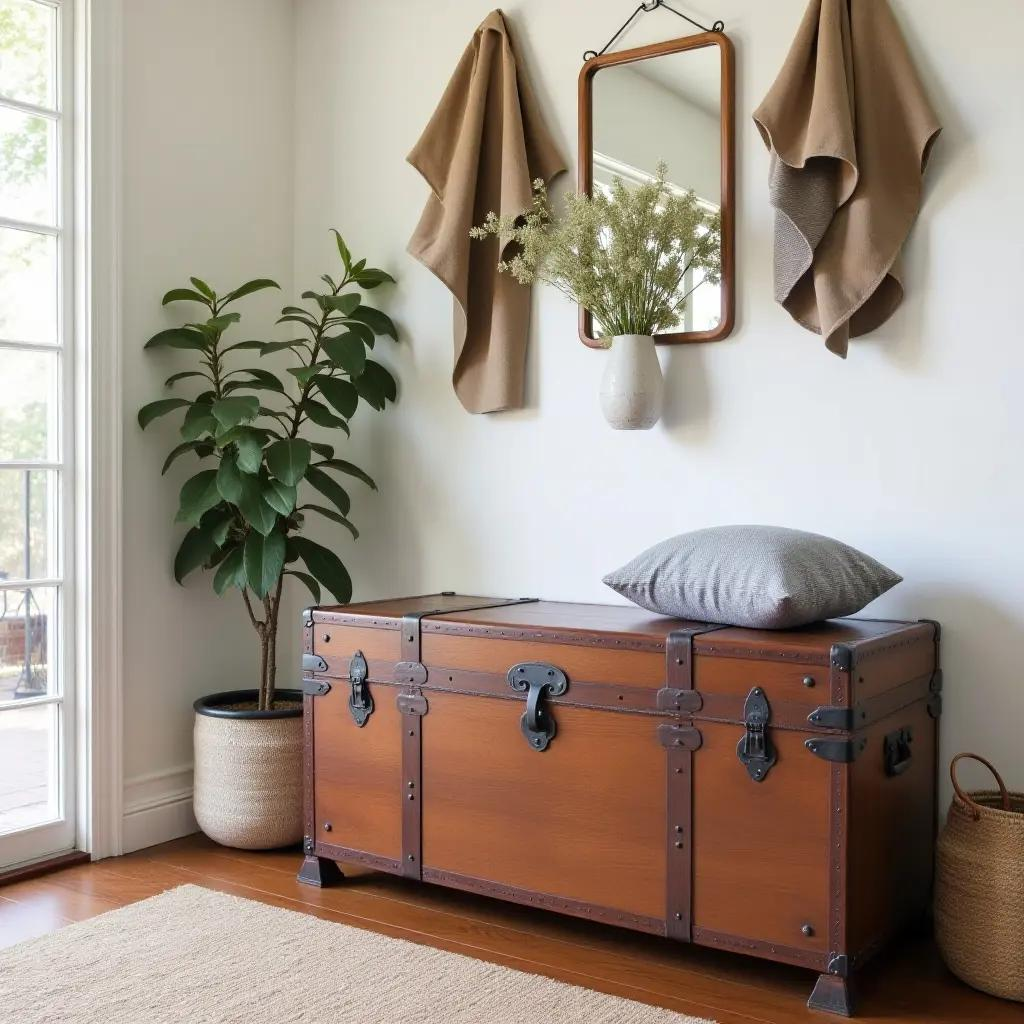
Why are we so embarrassed by a lived-in home — and why does having guests still trigger a cleaning emergency?
You have invited friends over for dinner.
There is food to prepare, drinks to chill and a table to set. But instead of enjoying the evening, you are suddenly rushing around the house.
The cushions need rearranging. The coffee table needs clearing. Children’s toys disappear into a bedroom. A pile of clothes moves from one chair to another.
Nobody has arrived yet, but you are already exhausted.
And here is the funny part: your guests probably aren’t coming to inspect your furniture.
They are coming to see you.
So why do so many people feel that their homes must look like hotel suites before anyone is allowed through the front door?
Perhaps we have become too concerned with making our homes look good and not concerned enough with making them work for the people who live in them.
1. The Guest-Ready Home Is an Expensive Illusion
Interior photography has changed our expectations.
We see beautifully arranged living rooms, perfectly styled coffee tables, empty kitchen counters and bedrooms where not a single personal belonging appears to exist.
These images are attractive. There is nothing wrong with enjoying them.
The problem begins when we treat them as the standard for everyday living.
A real home contains things.
Shoes near the entrance. Books beside the sofa. A charger that nobody remembers buying. Children’s drawings. Shopping bags waiting to be unpacked. A blanket that never stays folded for more than twenty minutes.
These things are not necessarily signs of poor housekeeping.
They are evidence that people actually use their homes.
A living room should accommodate living. A kitchen should accommodate cooking. An entryway should accommodate the daily arrival of people carrying bags, keys, coats and everything else.
A home that looks perfect but cannot comfortably support everyday activities has its priorities backwards.
2. IKEA Found Something Rather Embarrassing About Our Homes
The IKEA Store & Organize Report 2026, based on a YouGov survey of 31,488 people across 31 markets, reveals an interesting contradiction.
People increasingly prefer homes that feel lived-in rather than strictly minimalist.
Yet clutter remains a major source of household tension.
Consider these findings:
- 59% prefer a lived-in home over a minimalist one.
- 82% keep possessions for sentimental reasons, even when they rarely use them.
- 34% move clutter from one room to another before guests arrive.
- 10% have cancelled plans with friends because their homes were too messy.
- In the UK, the proportion moving clutter before guests arrive reaches 49%.
Think about that last figure.
Almost half of the surveyed UK respondents reported moving clutter around before visitors arrived.
We want homes that reflect our personalities, but we also want them to look presentable to other people.
The result is a strange domestic performance: the house looks organised for two hours, then returns to normal as soon as everyone leaves.
Perhaps the problem isn’t that we own too much.
Perhaps our homes simply don’t have enough sensible places for the things we actually use.
3. Your Home Is Not a Hotel Lobby
A hotel lobby has a different job from a family living room.
It needs to look presentable throughout the day. It has dedicated housekeeping, carefully managed furniture arrangements and very few personal belongings.
A home has to do something much harder.
It must accommodate different people, different routines and changing activities.
The same living room may be a children’s play area in the afternoon, a place to watch television in the evening and a social space when friends visit.
A bedroom may be used for sleeping, dressing, reading and working.
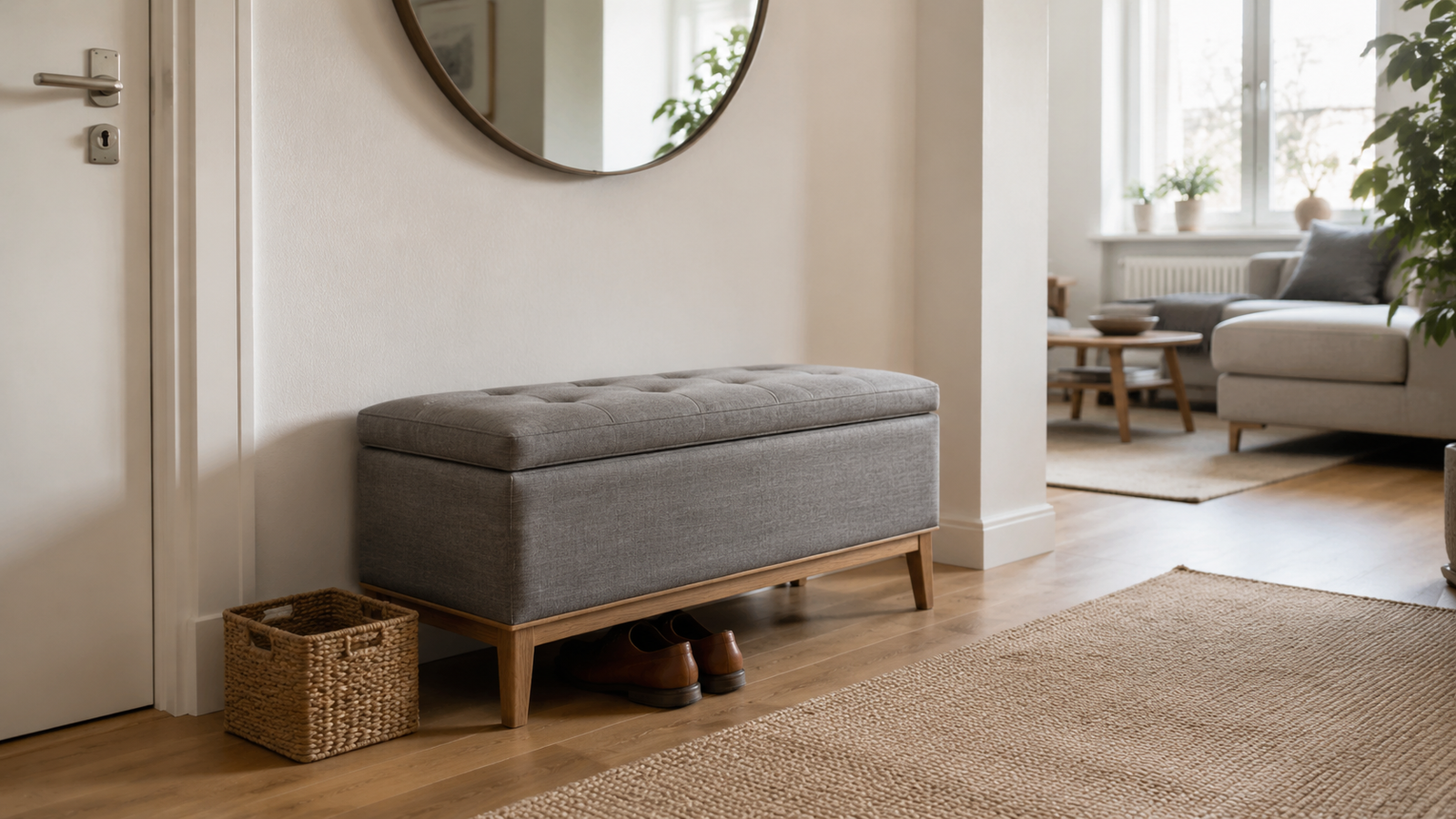
An entryway may need to accommodate shoes, coats, umbrellas, keys and shopping bags within a surprisingly small area.
Expecting these spaces to remain permanently empty and perfectly arranged is unrealistic.
Instead of asking how to remove every visible object, perhaps we should ask a better question:
Can the things we use every day have a proper place without disappearing from our lives?
That is a much more useful design challenge.
4. The Difference Between Clutter and a Lived-In Home
Not everything left outside a cupboard is clutter.
A favourite book on a side table may be part of the room’s character.
A collection of ceramics may tell visitors something about the homeowner.
A decorative tray holding everyday essentials may be both useful and attractive.
The distinction is not simply whether something is visible.
It is whether the object has a purpose, a place or a personal meaning.
Consider three situations.
Useful things without a home
Keys, mail, chargers and small accessories accumulate because there is no convenient place to put them.
This is an organization problem.
Meaningful things that deserve to be seen
Books, photographs, souvenirs and decorative objects reflect personal interests and memories.
Hiding everything would make the home less personal.
Things that have genuinely become obstacles
Broken items, unused packaging and objects that occupy valuable surfaces without serving any purpose may need to be removed.
These three situations require different solutions.
Buying more storage will not solve every problem. But throwing away everything that makes a home personal is not a particularly attractive alternative.
For more ideas on this balance, explore Teruier’s Small Home Solutions: The Small Furniture Trend German Buyers Should Not Treat as Decoration.
5. Good Storage Should Make Tidying Almost Effortless
The best storage products do not necessarily have the largest capacity.
They are often the ones that make everyday habits easier.
Think about the entryway.
People arrive carrying keys, sunglasses, letters, bags and coats.
If there is nowhere convenient to put these things, they end up on the nearest table or chair.
A practical entryway organizer can give frequently used belongings a defined place.
The same principle applies to living rooms.
A decorative storage box can hold small personal items while remaining attractive enough to leave on display.
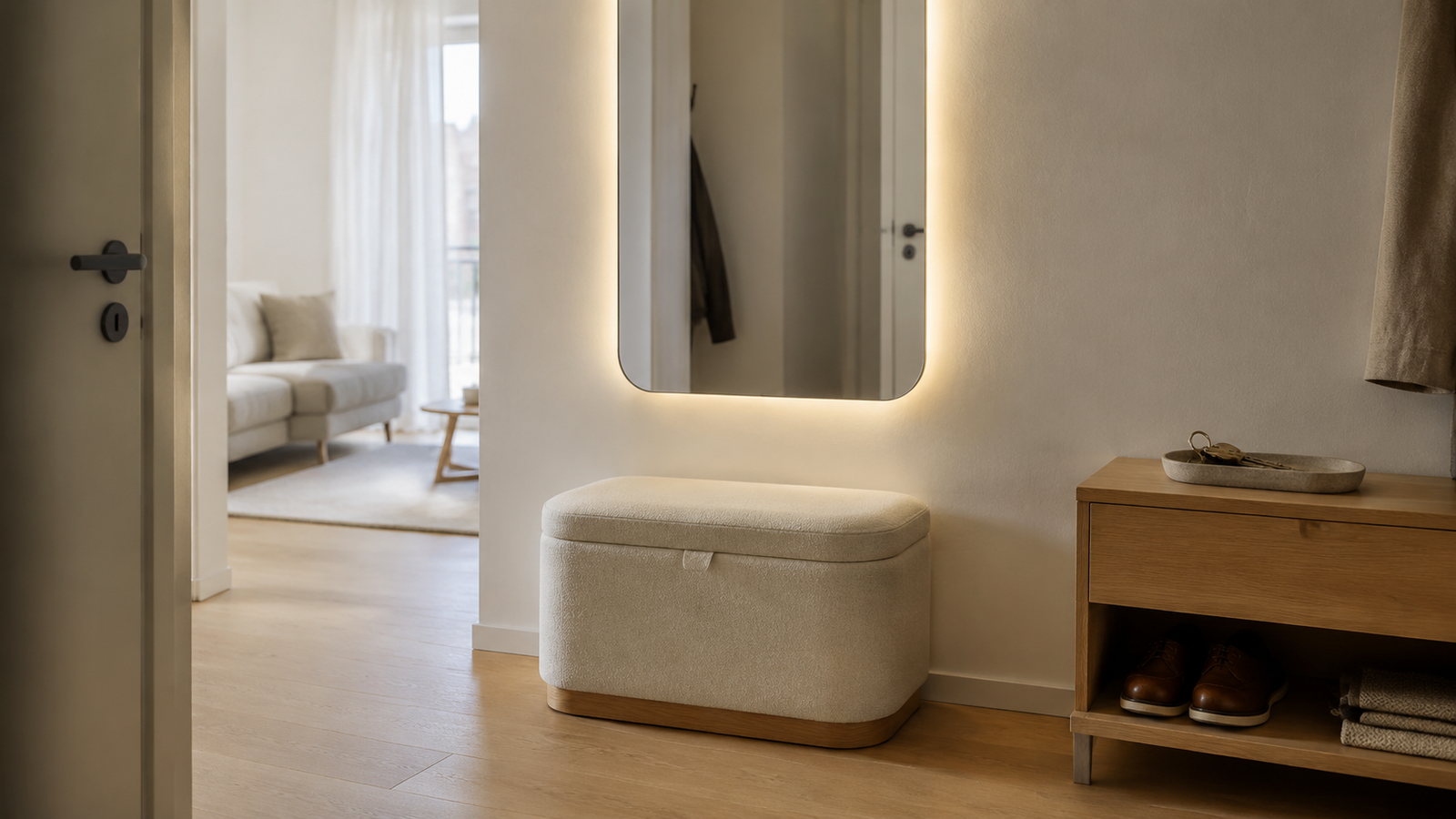
A storage ottoman can provide seating and a place for blankets or other suitable household belongings, subject to its construction and intended load.
A sideboard can help keep less attractive everyday items out of sight without making the room feel empty.
For retailers exploring this category, Teruier’s guide to Decorative Storage Boxes and Trunks: Product Ideas for Home Décor Retailers examines how storage products can combine practical use with decorative value.
The important point is that storage should follow real behaviour.
A beautiful storage product that is inconvenient to open, too small for its intended use or difficult to access will quickly become another decorative object rather than a useful solution.
6. The Most Useful Storage Is Sometimes the One You Don’t Notice
There is a difference between designing a room around storage and making storage part of the room.
A large plastic container may solve a capacity problem.
But it may not contribute much to the appearance of a living room.
Decorative storage offers another approach.
A patterned box can sit on a shelf.
A vintage-inspired trunk can become a bedroom feature.
A compact organizer can turn an entryway into a more functional space.
The storage is visible, but it does not necessarily look like a utility product.
For homeowners, this means fewer compromises between organization and interior style.
For retailers, it creates a broader product opportunity.
Instead of selling only basic organizers, retailers can build collections around decorative storage, small furniture and everyday home accessories.
The challenge is to make sure that decorative appeal does not hide poor functionality.
A storage trunk still needs a properly fitted lid. A handle should not be assumed to support a loaded product unless tested. A box should offer meaningful usable space rather than simply attractive exterior dimensions.
Good design and practical performance need to work together.
7. A Real Product Example: The Entryway Has to Work Every Day
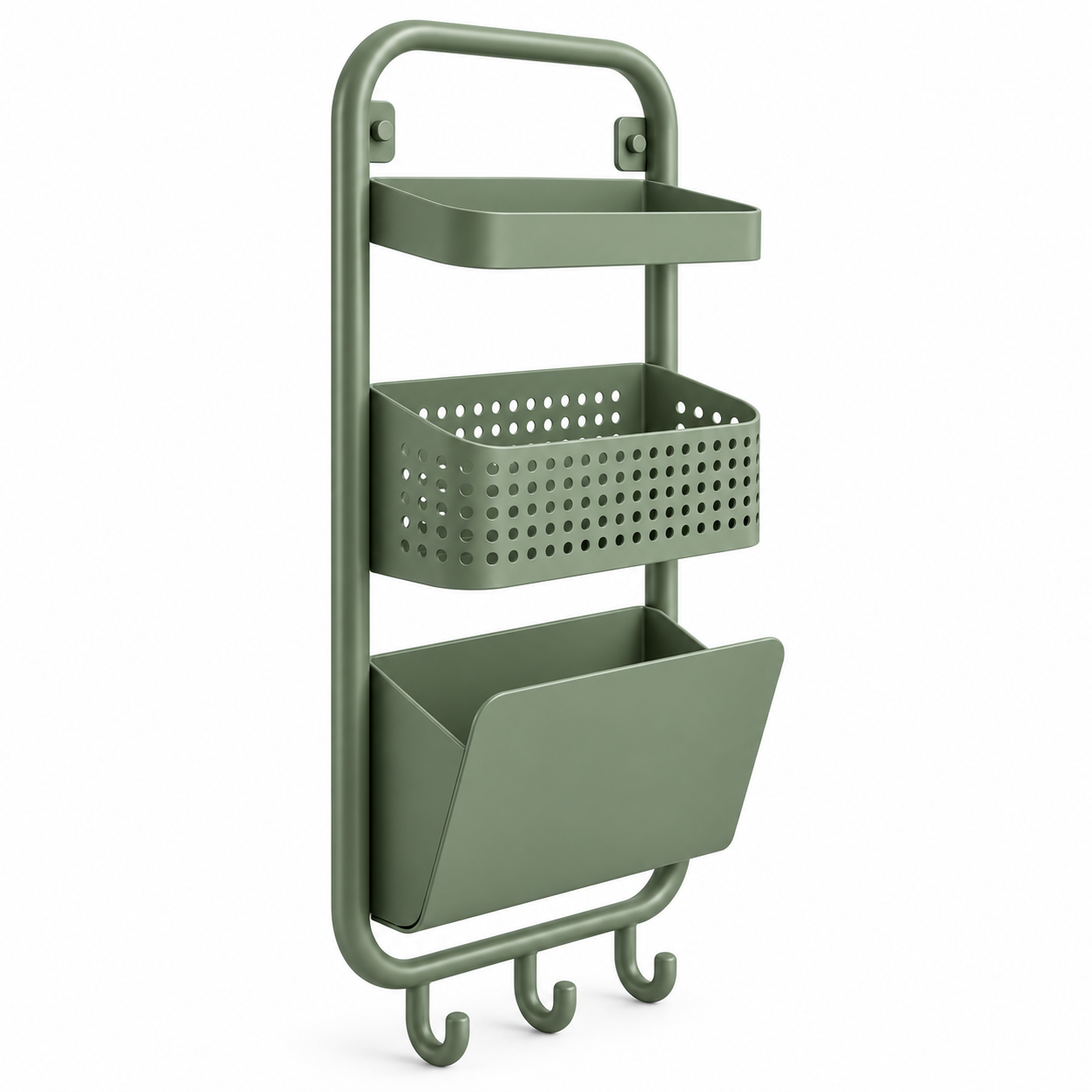
Consider Teruier’s Coral Entryway Valet Organizer.
The TDS27-06 is designed as a freestanding organization unit with an asymmetric curved frame, two hanging hooks, a shallow storage tray, an angled magazine pocket, a circular side holder and a slotted bottom tray.
Its overall dimensions are 42 × 30 × 118 cm.
The idea is not to create another decorative object that looks good in an empty hallway.
It is to give different everyday belongings separate places within one compact structure.
Keys and small accessories can be placed on the upper tray. Suitable lightweight items can be hung from the hooks. Magazines and mail have a separate compartment.
Its muted terracotta-coral finish also gives it a decorative identity.
For a retailer, this is a different proposition from selling a conventional coat rack.
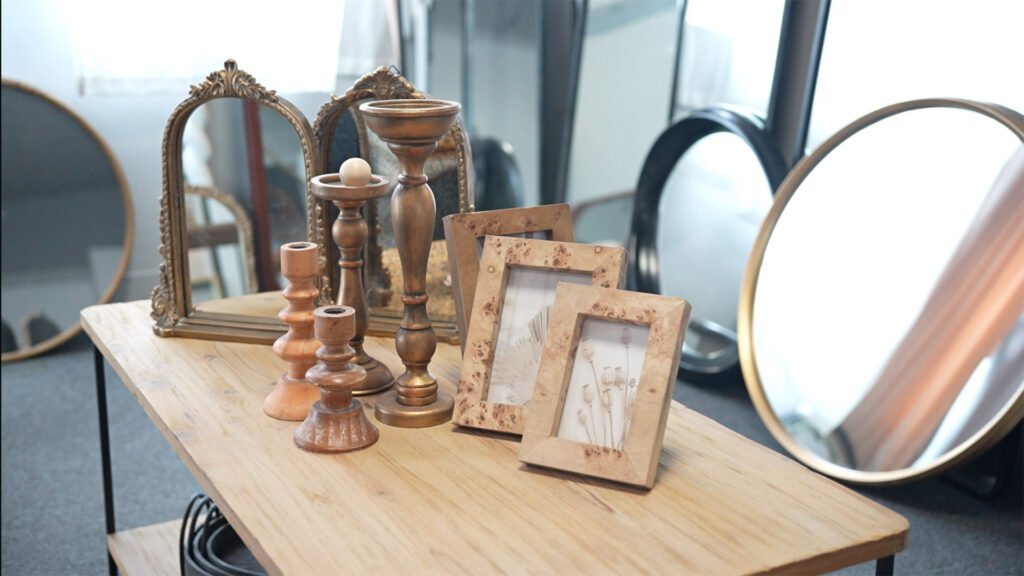
The product can be considered as part of a coordinated entryway assortment alongside mirrors, benches and decorative storage.
It is one example of how functional organization can contribute to the appearance of a home rather than compete with it.
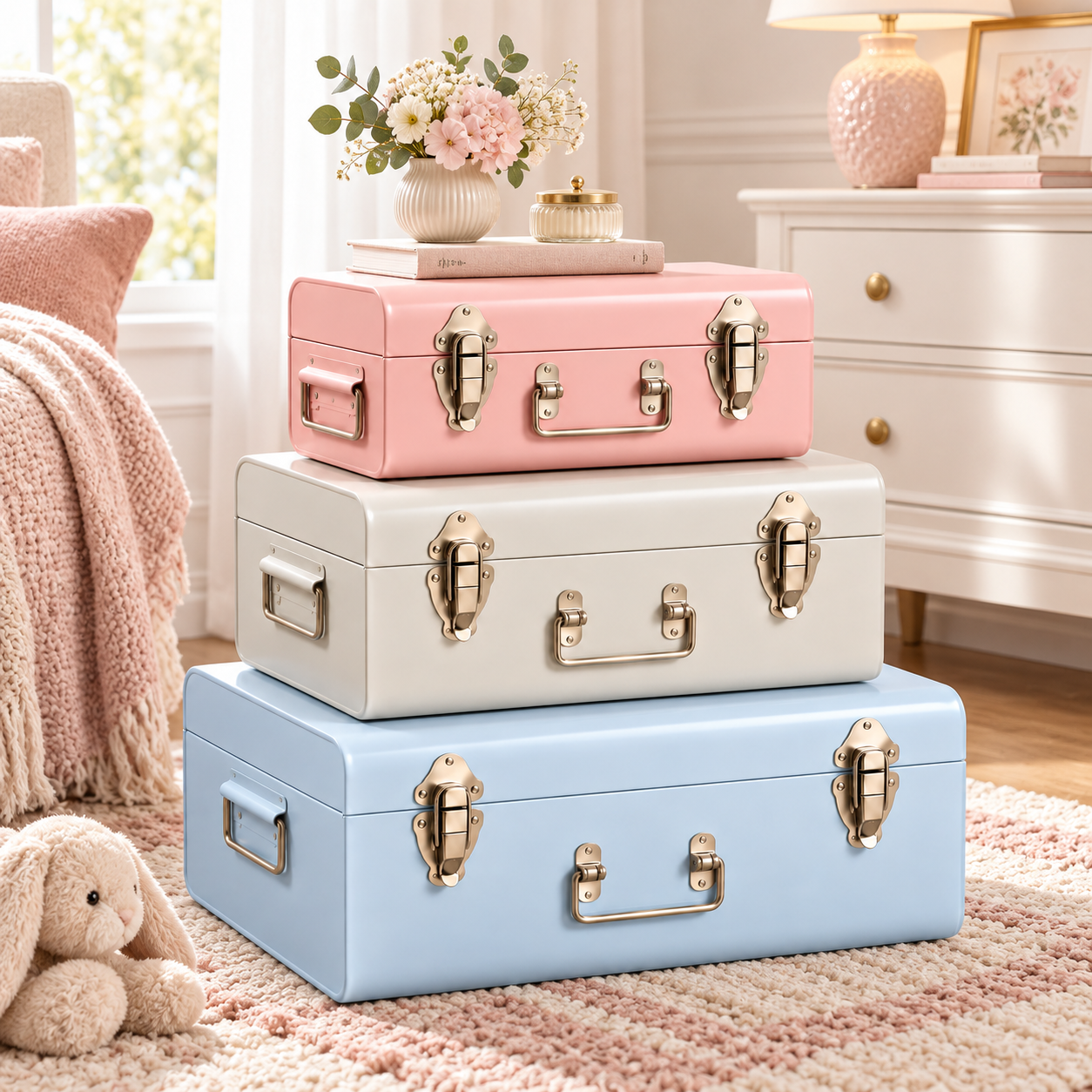
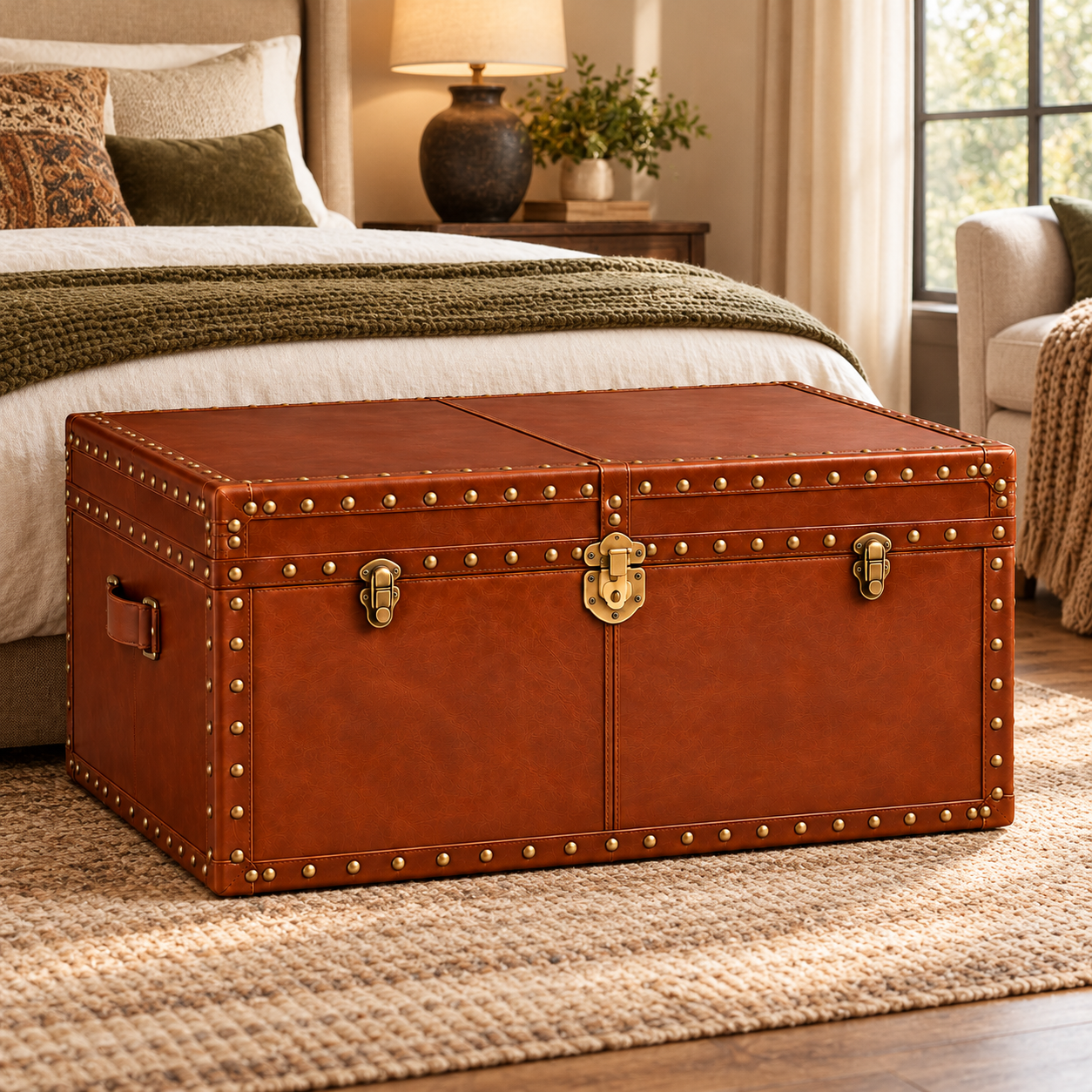
For buyers interested in complementary storage products, Teruier also offers the Cognac Studded Storage Trunk and Pastel Three-Piece Nesting Trunk Set.
These products serve different storage and merchandising purposes, giving retailers more flexibility when developing a coordinated assortment.
8. What This Means for Home Décor Retailers
The IKEA research offers an important commercial insight.
Consumers do not necessarily want to own fewer things.
Many want better ways to live with the things they already own.
This creates several opportunities for home furnishings retailers.
The Everyday Entryway
Compact organizers, wall hooks, narrow storage furniture and small trays help manage the items people carry in and out of the home.
The Comfortable Living Room
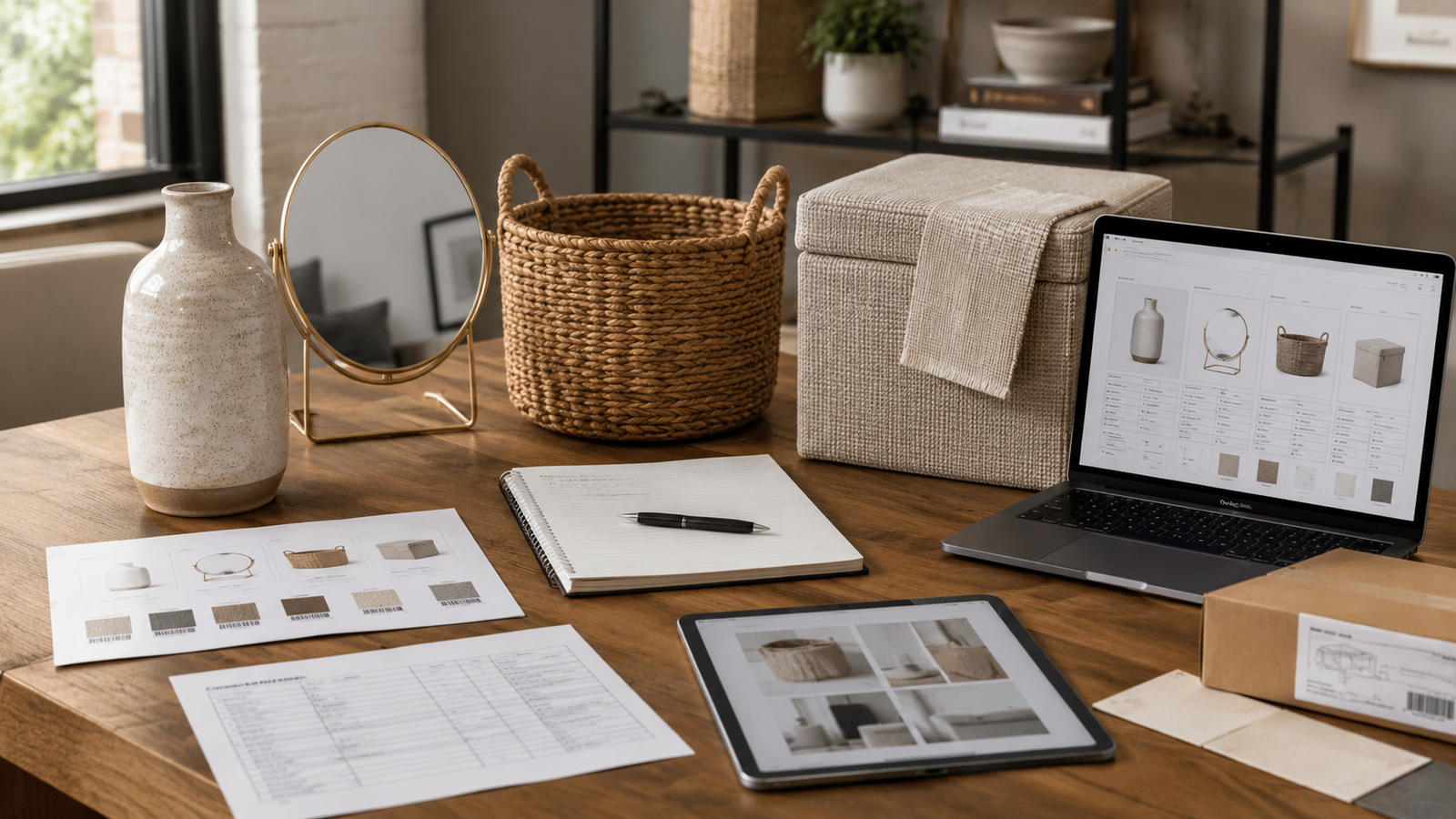
Decorative boxes, storage ottomans, side tables and baskets can help manage daily belongings without making the room feel like a storage facility.
The Personal Display
Open shelving, decorative boxes and tabletop accessories allow homeowners to display meaningful possessions while keeping smaller items organized.
The Guest-Ready Space
A combination of storage furniture and attractive accessories can make it easier to prepare a room for visitors without requiring an entire cleaning operation.
For more detailed buying considerations, see Teruier’s existing Storage and Organization collection of articles.
Retailers developing smaller-space assortments can also explore Small Home Solutions, while buyers interested in decorative storage specifically can visit the Decorative Storage for Living Rooms topic archive.
These are merchandising opportunities, not guaranteed sales results.
Retail buyers still need to consider customer profiles, available space, price positioning, product dimensions, construction and packaging.
But the underlying need is clear: consumers want homes that feel personal and manageable.
9. The Question for Product Designers: Are We Designing for Real Homes?
A product can look excellent in a catalogue and still fail in everyday use.
A decorative box may have an attractive exterior but very little usable interior space.
An entryway organizer may have several hooks but insufficient stability.
A storage ottoman may look multifunctional without having an appropriate structure for its intended use.
A beautiful cabinet may be inconvenient to open or difficult to clean.
This is why product development should begin with an understanding of how people actually use their homes.
For Teruier, the design conversation involves more than selecting a colour or creating a fashionable silhouette.
It includes product dimensions, storage capacity, opening mechanisms, materials, construction, stability and packaging.
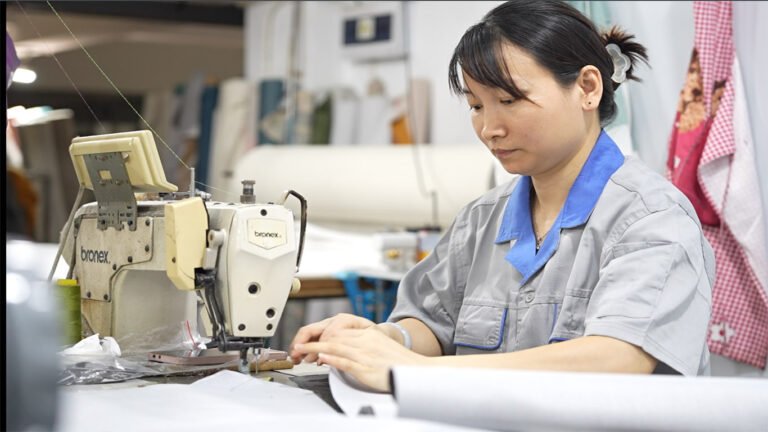
Our approach to Home Décor Sourcing and ODM/OEM Manufacturing connects product selection, design development, sampling and manufacturing coordination.
The objective is to create products that can occupy a real place in a customer’s home, not merely a temporary place in a showroom photograph.
Frequently Asked Questions
Should a home always be tidy before guests arrive?
Not necessarily. A clean and welcoming environment is different from a perfectly staged interior. The goal should be comfort and hospitality rather than hiding every sign of everyday life.
Why do people feel embarrassed about a messy home?
Social expectations, interior photography and the desire to make a good impression can all influence how people judge their living spaces. The IKEA 2026 report also shows that household clutter can create tension and affect social plans.
What is the difference between decorative storage and ordinary storage?
Ordinary storage generally prioritizes capacity and organization. Decorative storage also considers appearance, materials, finish and how the product contributes to the surrounding interior.
What storage furniture works well in small homes?
Compact entryway organizers, storage ottomans, narrow cabinets, decorative trunks and multifunctional small furniture can help make better use of limited space. The appropriate choice depends on room dimensions and household needs.
What should wholesale buyers check when sourcing decorative storage?
Important considerations include usable capacity, dimensions, opening mechanisms, hardware, structural stability, material specifications, surface quality and packaging protection.
Final Thought: Let Your Home Look Like Someone Lives There
A home should not have to pass an inspection every time a friend comes over.
It should be comfortable enough for ordinary days, practical enough for busy routines and welcoming enough for unexpected visitors.
Some things will be out of place.
A book will remain on the sofa. A blanket will be unfolded. A few everyday objects will occupy the coffee table.
That is not necessarily a design failure.
The purpose of home furnishings is not to eliminate evidence of life.
It is to make life at home better.
Perhaps the most beautiful home is not the one that looks perfect when nobody is there. It is the one where people feel comfortable enough to be themselves.
Teruier works with international home décor retailers, importers, brands and project buyers on decorative storage, accent furniture, mirrors and coordinated home accessories.
Explore our collections or contact Teruier to discuss product development and wholesale sourcing opportunities.