Small furniture is not a “nice extra” anymore
Small furniture used to sit quietly at the edge of the buying plan.
A mirror for the hallway.
A small ottoman for the bedroom.
A basket for the living room.
A little bench near the door.
Nothing dramatic. Nothing that made a buyer cancel lunch.
But that is exactly why small home solutions now matter. They are practical, easy to place, easier to ship than large furniture, and they answer a very real problem in German homes: people need more function from less space.
The customer does not always want a full room makeover. Sometimes they want one piece that makes the flat feel less chaotic.
And frankly, that is a much easier promise to sell.
What are small home solutions?
Small home solutions are compact furniture and home décor products designed to make limited space more useful, organised, and visually complete.
They are not just “small products”. A tiny table with no purpose is still useless. It is only useless in a charming size.
Good small home solutions usually do one of four things:
- add storage
- add flexible seating
- improve room flow
- make a small space look larger or calmer
Typical examples include:
- storage ottomans
- small benches
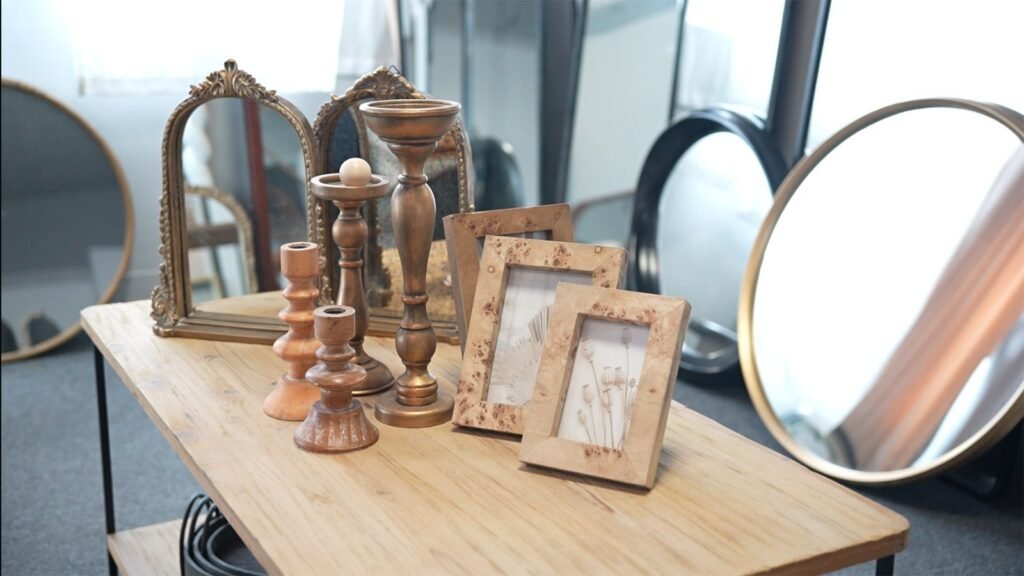
- slim mirrors
- narrow console tables
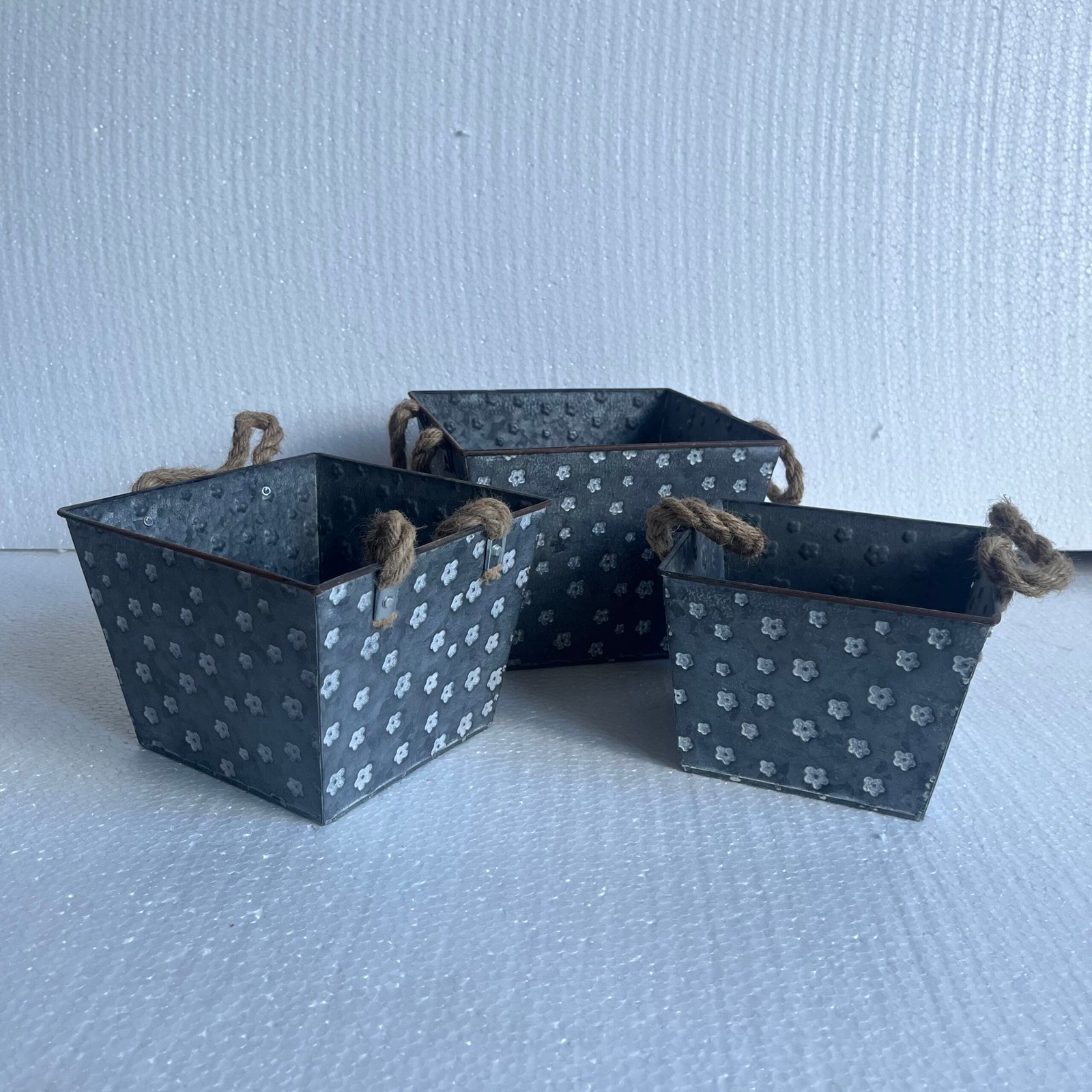
- decorative baskets
- nesting tables
- compact side tables
- lidded storage boxes
- small stools
- decorative storage for living rooms
For German buyers, the commercial question is simple:
Does this product solve a room problem clearly enough that the customer understands it in three seconds?
If yes, it belongs in the assortment.
If not, it may belong in a design lecture. And we all know how much furniture customers love those.
The best small products are easy to explain
A strong small furniture product should not need a salesperson to perform theatre.
It should be easy to explain home decor.
That means the product has a clear role:
- “This ottoman gives you seating and hidden storage.”
- “This mirror makes a narrow hallway feel lighter.”
- “This basket hides living room clutter but still looks decorative.”
- “This small bench works at the end of a bed or near the entryway.”
That is enough.
The weaker version sounds like this:
“An expressive lifestyle object for multifunctional emotional living.”
No. That is not a product description. That is a cry for help.
German buyers should be especially careful here. The local customer often appreciates function, order, good material, and a clear reason to buy. A small product without a clear reason becomes visual noise.
And small homes already have enough noise. Usually near the shoe rack.
Decorative storage for living rooms is becoming a core category
Storage and organization are not glamorous words. Nobody opens a bottle of Riesling because a storage box has arrived.
But commercially, this category is very strong.
Decorative storage for living rooms answers one of the most common customer problems: clutter that cannot fully disappear.
Customers need places for:
- blankets
- toys
- magazines
- remotes
- cables
- pet items
- seasonal décor
- small household objects
The trick is to make storage look like part of the room, not like punishment.
This is why storage ottomans, woven baskets, soft lidded boxes, small cabinets, and upholstered benches are so useful. They sit between furniture and organisation. They are functional, but they still help the room look finished.
A good decorative storage item says:
“Yes, life is messy. But we can at least put a lid on it.”
Very German. Very civilised.
Ottoman, mirror, or basket: which one works harder?
Small furniture buying becomes easier when each product is judged by the job it does.
| Product Type | Main Function | Best Room Use | Buyer Risk | Best Commercial Role |
|---|---|---|---|---|
| Storage ottoman | Seating + storage | Living room, bedroom, hallway | Fabric quality, lid structure, foam density | Hero small furniture SKU |
| Slim mirror | Visual space + function | Hallway, bedroom, dressing corner | Glass protection, frame finish, packaging | Space-enhancing SKU |
| Decorative basket | Storage + styling | Living room, family room, bedroom | Weak structure, cheap weave, inconsistent colour | Add-on reorder SKU |
| Small bench | Seating + room finishing | Entryway, bedroom, dressing area | Leg stability, fabric durability | Mid-price functional SKU |
| Lidded box | Small storage + decoration | Shelf, console, coffee table | Finish quality, lid fit | Low-risk add-on SKU |
The mistake is treating these products as separate small items.
The smarter approach is building a small-space story.
A slim mirror opens the space.
A storage ottoman hides the mess.
A basket completes the room logic.
A small bench gives the customer one more practical surface.
That is not random decoration. That is small space assortment planning with commercial discipline.
The German buyer’s real question: will it reorder?
The first sample often looks lovely.
Of course it does. The first sample is trying very hard. It is on its best behaviour.
But buyers should not only ask, “Does this sample look good?”
They should ask:
Can this supplier repeat it?
This is where a reorder stability manufacturer becomes important.
For small home solutions, reorder stability means:
- the same fabric can be sourced again
- the same mirror frame finish can be repeated
- the basket colour does not shift wildly between batches
- the carton protection remains consistent
- the product size tolerance is controlled
- the supplier can support future colour extensions
- the product can become a stable programme, not a one-time surprise
A product that sells once is nice.
A product that can be reordered smoothly is business.
One makes the showroom look good.
The other helps the merchant sleep.
Factory direct pricing is attractive — but only if the product is controlled
Factory direct pricing home decor is naturally appealing to German buyers. Better margin. Fewer layers. More direct communication. Less mystery.
In theory, wonderful.
In practice, factory direct pricing only works if the supplier can manage the details.
A low price is not useful if:
- the packaging fails
- the fabric changes
- the stitching looks tired
- the mirror corners break
- delivery dates move around like a weather forecast
- product notes are unclear
- reorder quality drops after the first batch
Factory direct should not mean “cheap and brave”.
It should mean clearer control from product idea to production, packaging, delivery, and reorder.
A good factory direct supplier does not only quote the item. It helps the buyer understand whether the item can become a stable, sellable, repeatable SKU.
That is much more valuable than saving a few cents and then spending three months explaining complaints.
Teruier’s cross-border design manufacturing model
For this article, let us use the Teruier cross-border design manufacturing model as the framework.
The model is simple: a product should not move from idea to factory to buyer like a confused parcel. It should move through a clear commercial process.
For small home solutions, this means connecting four layers:
1. Market reading
What are German buyers, designers, and retailers actually asking for? More storage? Smaller scale? Softer shapes? Neutral fabrics? Slim mirrors?
2. Product translation
How does the trend become a real SKU? For example, “small-space living” becomes a storage ottoman, a narrow mirror, or a compact bench.
3. Manufacturing control
Can the material, structure, finish, and packaging be repeated?
4. Delivery and reorder logic
Can the product support project sourcing and delivery, future reorders, and assortment extension?
This matters because small furniture is easy to underestimate.
A compact ottoman looks simple. But it still needs fabric selection, foam structure, stitching control, lid testing, carton protection, and price positioning.
A slim mirror looks simple. But it still needs glass safety, frame finish control, corner packaging, size stability, and shipping logic.
Small products are only small on the floor plan. In sourcing, they still have teeth.
Project sourcing and delivery: where buyers lose time
For German buyers, project sourcing and delivery can become painful when small furniture is treated too casually.
The common problems are familiar:
- sample approval takes too long
- fabric swatches do not match final goods
- packaging is designed too late
- carton size is not considered early
- supplier communication is slow
- delivery dates are optimistic rather than realistic
- product notes are too vague for internal teams
This is especially dangerous for small home solutions because they often work as part of a larger assortment. If the storage ottoman arrives late, the whole living room story may lose balance. If the mirror packaging fails, the “nice margin” suddenly becomes a collection of broken rectangles.
Very modern. Very annoying.
A better sourcing process should define early:
- target room
- target customer
- target price level
- material direction
- size range
- packaging requirement
- MOQ logic
- reorder potential
- delivery calendar
The more clearly these points are handled before production, the fewer surprises appear after shipment.
And surprises are charming in birthdays, not in containers.
How to build a small home solutions assortment
A strong small furniture assortment should not be built by product type only. It should be built by customer problem.
| Customer Problem | Product Solution | Assortment Logic |
|---|---|---|
| Small hallway feels narrow | slim mirror + small bench | Makes entryway brighter and more useful |
| Living room clutter | storage ottoman + basket + lidded box | Combines storage and decoration |
| Small bedroom lacks function | compact bench + full-length mirror | Creates dressing and storage corner |
| Rental flat needs flexibility | lightweight ottoman + nesting table | Easy to move and reposition |
| Family room needs order | soft storage + decorative baskets | Practical and repeatable |
This structure helps retailers and designers explain the range better.
Instead of saying, “Here are some small items,” the buyer can say:
“This group solves small living room storage.”
“This group improves compact hallways.”
“This group works for rental apartments.”
That is stronger retail communication.
Trend-led vs reorder-led small furniture
German buyers should separate trend-led products from reorder-led products.
Both are useful, but they do different jobs.
| Type | Trend-Led Small Furniture | Reorder-Led Small Furniture |
|---|---|---|
| Main purpose | Create freshness | Build stable sales |
| Design character | More distinctive | More neutral and practical |
| Example | wavy mirror, shaped ottoman, bold fabric stool | neutral storage ottoman, slim black mirror, woven basket |
| Risk | Trend fatigue | Less visual excitement |
| Buying method | Small test order | Build into core range |
| Supplier requirement | Fast sample development | Stable materials and repeat production |
The best assortment has both.
Only trend-led pieces make the range nervous.
Only reorder-led pieces make the range look asleep.
Balance is the point.
A buyer needs enough freshness to attract attention and enough stability to make money after the first Instagram moment has gone home.
FAQ
What are small home solutions?
Small home solutions are compact furniture and décor products that help customers use limited space better. They include storage ottomans, slim mirrors, small benches, baskets, lidded boxes, nesting tables, and decorative storage for living rooms.
Why are small home solutions important for German buyers?
They fit real German living situations: apartments, rental homes, narrow hallways, compact bedrooms, and customers who want practical improvements without major renovation.
What makes a small home product easy to explain?
It should have a clear use case. For example, a storage ottoman offers seating and hidden storage. A slim mirror makes a narrow hallway feel brighter. A decorative basket hides everyday clutter while still looking good in the room.
Why does storage and organization matter in small furniture trends?
Because customers are not only buying style. They are buying relief from clutter. Products that combine storage and decoration are often easier to justify than purely decorative pieces.
How should German buyers compare small furniture suppliers?
They should compare material stability, sample accuracy, packaging quality, production consistency, delivery reliability, reorder ability, and communication clarity before comparing prices.
What is a reorder stability manufacturer?
A reorder stability manufacturer is a supplier that can repeat successful products consistently across batches. This includes stable fabric sourcing, finish control, size accuracy, packaging consistency, and support for future colour or material extensions.
Is factory direct pricing home decor always the best option?
Factory direct pricing can improve margins, but only if the supplier also controls quality, delivery, packaging, and repeat production. A low price without stability can become expensive very quickly.
How does project sourcing and delivery affect small furniture buying?
Small furniture often belongs to a larger room or assortment story. If sourcing, sampling, packaging, or delivery goes wrong, the whole assortment can be delayed or weakened. Clear planning reduces risk.
Final thought: small furniture should be small in size, not small in strategy
The best small home solutions are not random little products scattered across a catalogue.
They solve space problems.
They explain themselves quickly.
They support storage and organization.
They work in real rooms.
They can be reordered.
They protect margin.
For German buyers, that is the real opportunity.
A small ottoman is not just a stool.
A slim mirror is not just a mirror.
A decorative basket is not just a basket.
In the right assortment, each one helps the customer make a small home work better.
And if a small product can make the room calmer, the shelf clearer, and the reorder easier, then it deserves more respect than half the oversized furniture pretending to be important.