Is cheap furniture really the problem, or have we forgotten how to buy, maintain and live with the things we own?
Is Your $3,000 Sofa Really Better Than a $300 One?
Stop blaming fast furniture. The real question is whether we know what makes furniture worth keeping.
A $300 sofa arrives at your apartment in a flat-packed box.
A $3,000 sofa arrives through a specialist delivery team.
One has a familiar online-store appearance. The other comes with a prestigious brand name, carefully selected upholstery and a much larger price tag.
Which one is better?
Most people would probably choose the expensive sofa.
But what if the cheaper sofa lasts eight years, while the expensive one develops problems after five? What if the expensive sofa cannot be repaired economically? What if the cheaper one can be reupholstered, moved and used in a different room?
The comparison suddenly becomes less obvious.
We have become very good at discussing furniture prices. We are much less consistent when discussing how long furniture should last, what can be repaired and what happens when a product is no longer needed.
The furniture industry has a problem.
But perhaps we have been blaming the wrong thing.
Cheap furniture is not automatically disposable. Expensive furniture is not automatically durable.
The real test is what happens after the customer takes it home.
1. Is Fast Furniture Really the Enemy?
The term fast furniture usually describes inexpensive, mass-produced furniture designed for convenient online purchasing and relatively quick delivery.
It is often associated with flat-packed construction, engineered wood, plastic components and products with limited repair options.
There are genuine reasons to be concerned.
In a March 2026 report, the Associated Press examined the environmental and practical problems associated with disposable furniture.
The report cited U.S. Environmental Protection Agency data showing that Americans discarded more than 12 million tons of furniture in 2018, with approximately 80% going to landfill.
That figure is old, but it illustrates the scale of the problem.
However, there is an important distinction.
A low-priced product is not necessarily a short-lived product.
A simple bookshelf made from engineered wood may serve a student perfectly well for several years. A temporary dining table may be entirely appropriate for someone renting a small apartment.
The problem starts when a product is designed, marketed and purchased without considering what happens when it wears out, breaks or no longer fits the customer’s needs.
The question should not be whether furniture is cheap.
It should be whether the product offers an appropriate level of quality and service life for its intended purpose.
2. The Expensive Furniture Myth
Luxury furniture has an important place in the market.
Original design, skilled craftsmanship, premium materials, specialist manufacturing and established brand identities can justify higher prices.
But price alone does not prove durability.
Consider a few examples.
A beautifully upholstered chair may use premium fabric but have a difficult-to-repair internal structure.
A natural wood table may have a substantial appearance but use a finish that is easily damaged.
A luxury cabinet may look impressive but use proprietary fittings that are difficult to replace.
A cheaper product may have a simpler design, but use standard hardware that is readily available.
Which one offers better long-term value?
The answer depends on the actual construction, expected use, maintenance and repair costs.
A premium price may reflect design and brand value rather than a proportionally longer service life.
Equally, a low price may reflect simpler materials and construction rather than poor quality.
The mistake is using the price tag as a substitute for product evaluation.
3. Consumers Are Changing the Way They Think About Ownership
The conversation around furniture is also changing because consumer behaviour is changing.
McKinsey’s State of the Consumer 2026 report found that:
- 82% of global consumers said they were using items longer before replacing them.
- 69% said they were repairing products rather than discarding them.
- 68% said they were actively reducing waste.
These figures cover consumer behaviour across product categories, not furniture alone. Nevertheless, they indicate a broader shift towards extending the life of purchased goods.
The secondhand market is another important signal.
eBay’s 2026 Recommerce Report found that younger consumers are increasingly comfortable purchasing pre-owned products across different categories.
Among consumers aged 18–29 surveyed, 46% reported buying secondhand weekly or every two weeks, compared with 28% overall.
Again, these figures are not furniture-specific. But they demonstrate that younger consumers do not necessarily equate newness with value.
For home furnishings retailers, this raises an interesting question:
If customers are becoming more comfortable keeping, repairing and buying pre-owned products, should retailers focus only on selling the next new collection?
Or should they think more carefully about the value of the products they sell?
4. The Real Problem: We Often Don’t Know How to Repair What We Buy
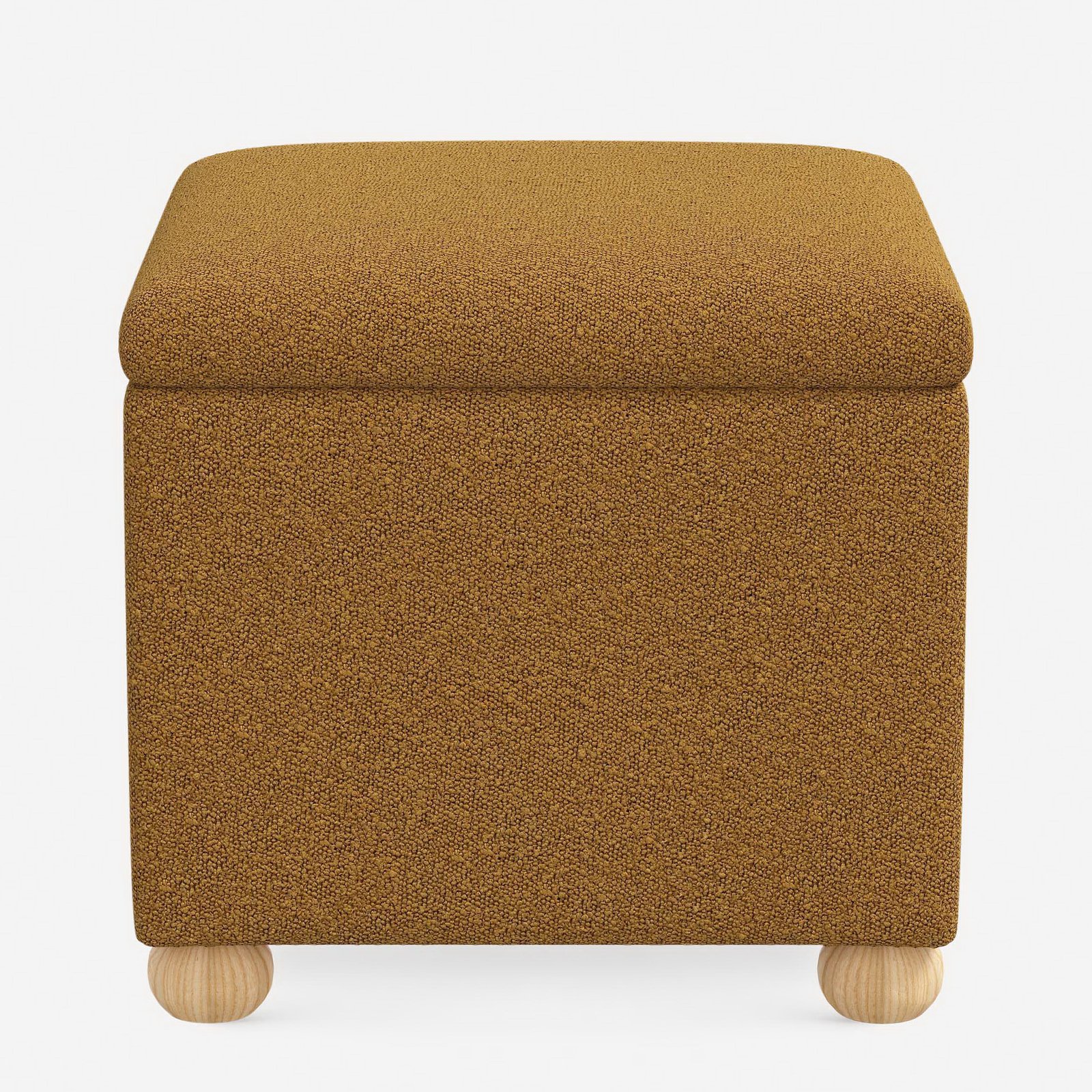
Imagine a storage ottoman.
Its upholstered body is still in excellent condition, but one metal leg becomes damaged.
Should the entire ottoman be discarded?
Not necessarily.
If the leg can be identified and replaced, the product may continue to serve its purpose.
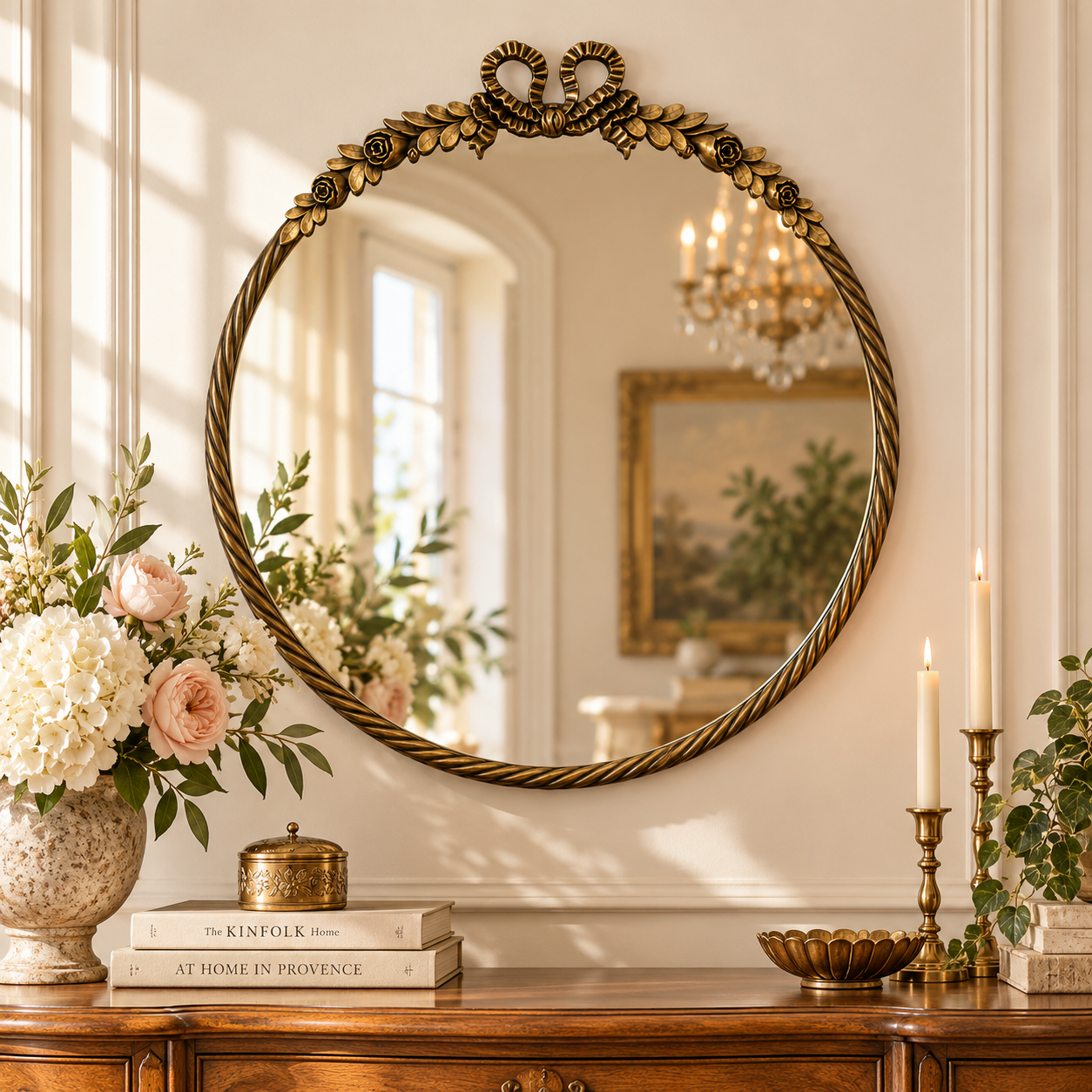
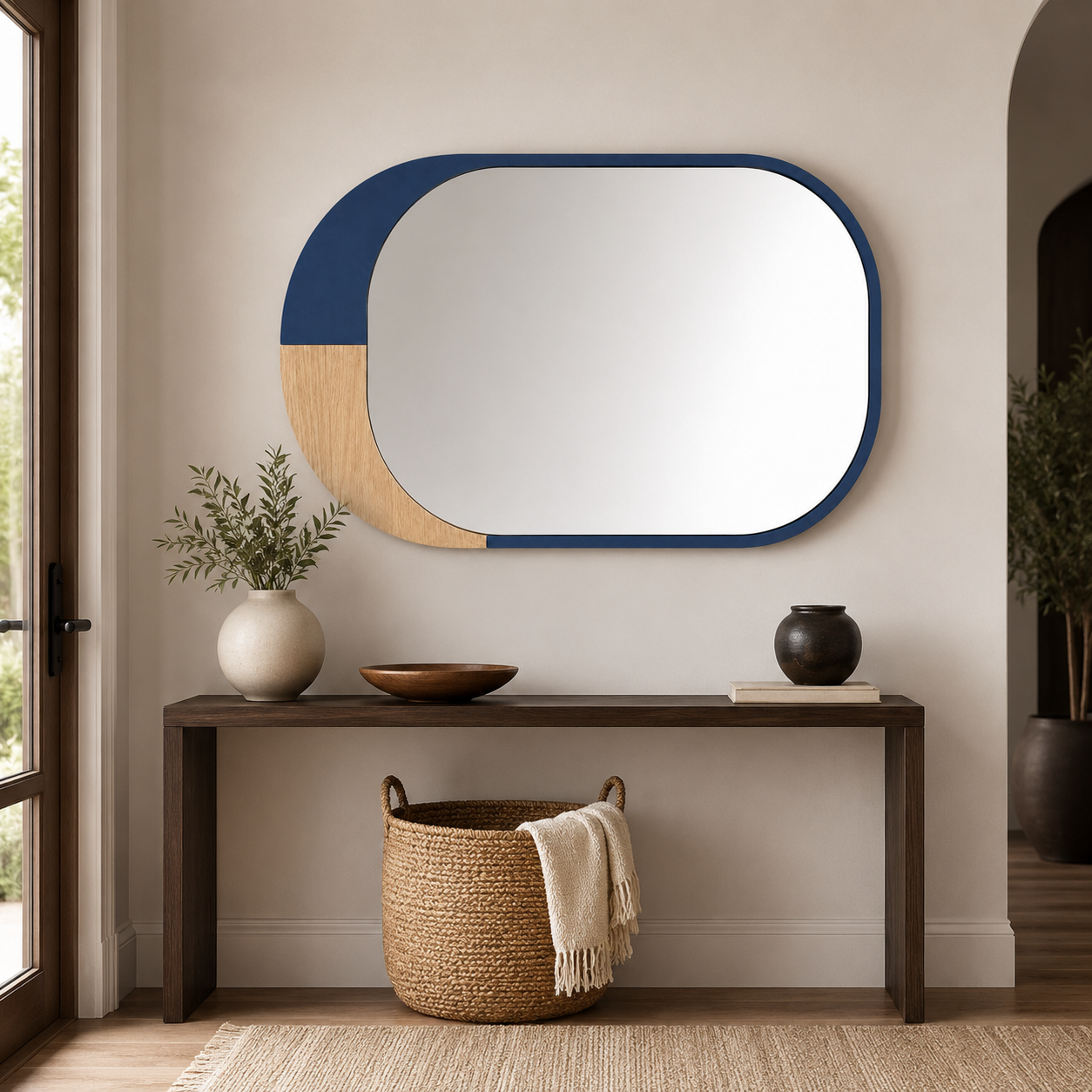
Now consider a decorative mirror.
The frame remains intact, but the mounting hardware is damaged.
A suitable replacement fitting may solve the problem without replacing the entire mirror.
Or consider a storage trunk.
A small latch fails, but the body, lid and decorative finish remain perfectly usable.
These examples reveal something important.
A product’s useful life is not determined only by the strength of its main structure. It also depends on whether smaller components can be identified, maintained and replaced.
Of course, not every product is designed for component-level repair.
Some structures are integrated. Some damage creates safety risks. Some repairs cost more than replacing the entire product.
The buyer needs to understand these limitations before approving the design.
5. What Actually Makes Furniture Worth Keeping?
There is no single material or price level that guarantees a long product life.
Instead, buyers should examine several characteristics.
Structural durability
Does the frame suit the intended load and frequency of use? Are joints, connections and supporting components appropriate?
Material suitability
Does the selected material match the product’s intended environment?
A material suitable for occasional decorative use may not be suitable for a frequently used dining chair.
Repairability
Can common wear components be identified? Are legs, glides, hinges, handles or other serviceable fittings replaceable where appropriate?
Maintenance
Can the customer clean and maintain the product without specialist equipment or expensive treatments?
Adaptability
Can the product remain useful when the customer moves, changes rooms or changes the surrounding interior?
Replacement information
Does the supplier provide enough information to identify the correct component or determine whether complete replacement is necessary?
These questions are often more useful than simply asking whether a product is described as premium, sustainable or long-lasting.
6. The Material Matters, But the Material Story Must Be Honest
Furniture manufacturers sometimes face an uncomfortable trade-off between appearance, cost and durability.
Natural wood, metal, engineered wood, resin, glass and upholstery all have different properties.
None is universally superior.
Natural wood can be repaired and refinished in suitable constructions, but it still requires appropriate care.
Metal frames can offer structural strength, but joints and surface finishes remain important.
Engineered wood can provide stable dimensions and cost efficiency, but its performance depends on board quality, construction, edge protection and exposure conditions.
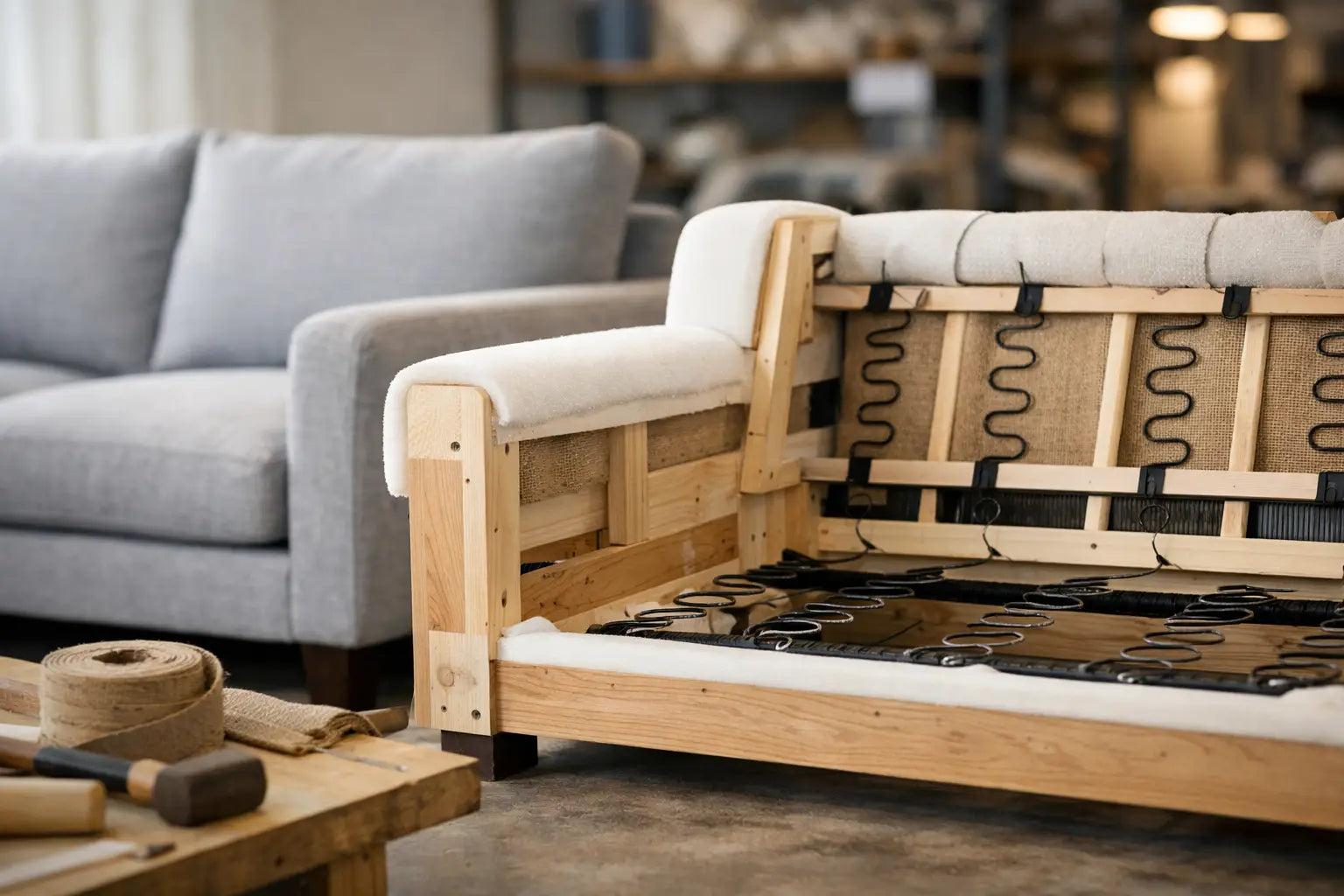
Upholstery can be refreshed or replaced in some designs, but not every upholstered product is economically reupholsterable.
A product made with several materials may also be harder to disassemble or recycle if those materials are permanently bonded together.
A 2026 European preparatory study on furniture ecodesign identified durability as the most important circular design feature across furniture categories in its stakeholder assessment. It also discussed repairability, modularity, disassembly and access to material information.
The message is practical.
Manufacturers should not simply describe products as environmentally friendly because they use natural-looking finishes or a small amount of recycled material.
They should understand the actual material composition, construction and expected performance.
7. A More Useful Way to Compare Furniture: Cost Per Year
Let’s return to our two sofas.
Suppose:
- Sofa A costs $300 and lasts three years.
- Sofa B costs $900 and lasts nine years.
- Sofa C costs $3,000 and lasts ten years.
Ignoring financing, maintenance, resale value and other costs, the simple purchase cost per year would be:
| Sofa | Purchase price | Assumed service life | Purchase cost per year |
|---|---|---|---|
| A | $300 | 3 years | $100 |
| B | $900 | 9 years | $100 |
| C | $3,000 | 10 years | $300 |
These are hypothetical examples, not market averages.
They demonstrate why purchase price alone is a poor way to compare furniture.
However, even cost per year does not tell the whole story.
A sofa may be expensive because it has a distinctive design, a particular brand identity or better comfort. Those benefits may matter to the customer even if they do not reduce the cost per year.
A product that lasts longer but does not suit the customer’s needs is not necessarily a better purchase.
The right comparison considers price, performance, comfort, maintenance, repair and the customer’s intended period of use.
8. What Should Furniture Buyers Demand From Suppliers?
For wholesale buyers, this discussion needs to move beyond consumer marketing.
A supplier should be able to explain what the product is made of, how it is constructed and which components may require maintenance or replacement.
Before placing an order, buyers should consider requesting:
- A clear product specification: materials, dimensions, construction details and finish references.
- Relevant performance evidence: tests appropriate to the product and its intended use.
- Component identification: hardware, fittings, legs, hinges and other relevant parts.
- Maintenance guidance: practical cleaning and care instructions.
- Replacement conditions: which components can be supplied separately, subject to confirmation.
- Warranty terms: coverage, exclusions and the agreed remedy.
- Production consistency: whether future batches can maintain the approved specification.
Not every product needs an extensive spare-parts programme.
A small decorative accessory and a commercial seating product have different requirements.
The objective is to establish a realistic service and replacement plan appropriate to the product.
9. What This Means for Teruier
At Teruier, home furnishings development covers products with very different material and construction requirements.
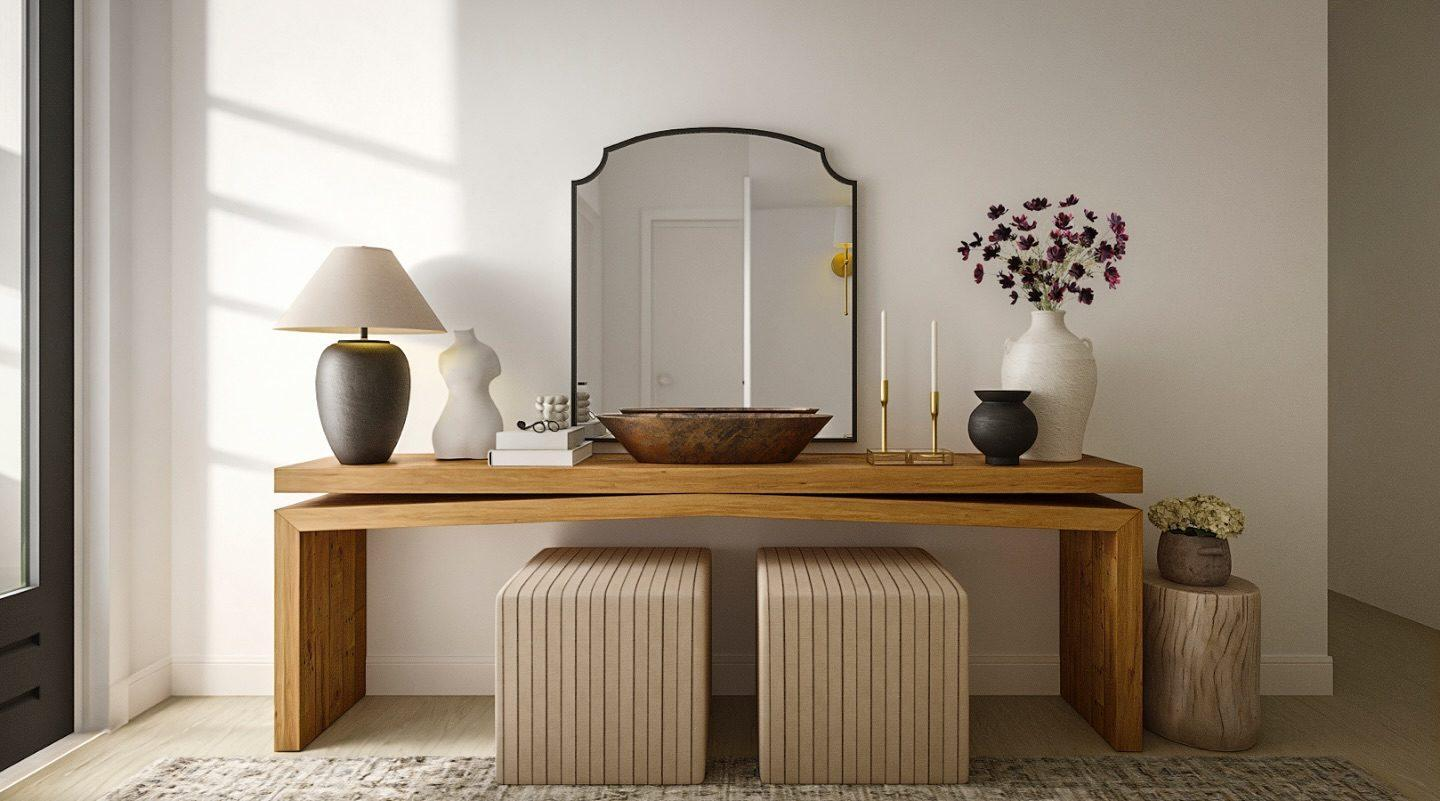
A decorative mirror, an upholstered stool and a storage trunk should not be evaluated using the same checklist.
A mirror may require attention to glass, frame construction and mounting hardware.
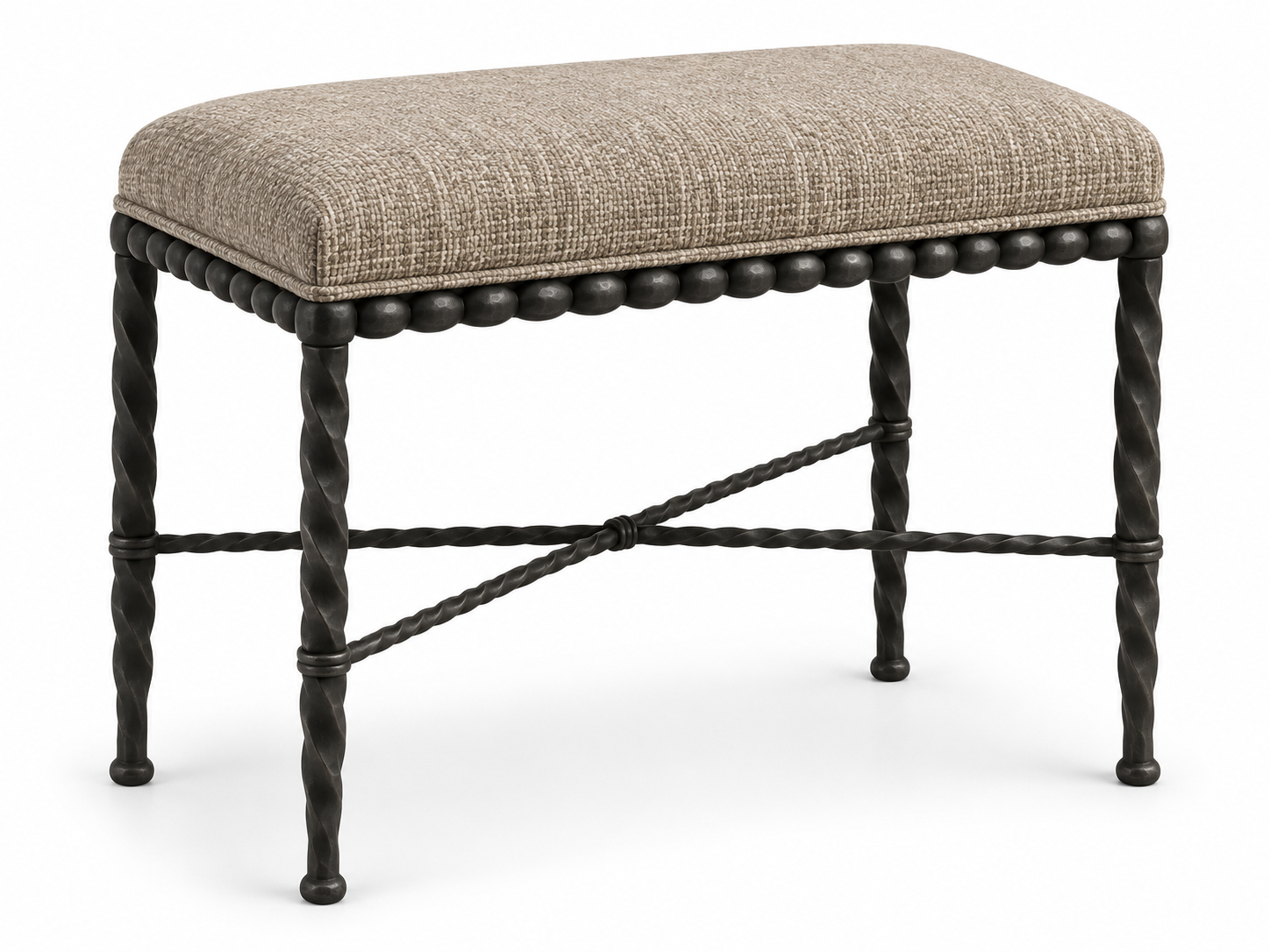
An upholstered stool involves frame stability, upholstery, leg connections and floor-protection fittings.
A storage trunk may depend on the quality of its hinges, handles, latches and lid-support components.
Teruier has already explored these issues in its product-specific replacement planning work.
In B2B Home Furnishings Sourcing: Plan for the First Replacement Before the First Order, we explain why buyers should identify important components and agree on replacement conditions before production.
Our Materials Supply Chain guide also examines how material selection, surface finishing, repeatability and production control influence the final product.
These are not promises that every Teruier product can be repaired indefinitely or that every spare component is available.
They are examples of the questions that should be addressed during product development and sourcing.
For international buyers, the aim is to make product specifications, manufacturing expectations and after-sales responsibilities clearer before the first order.
Explore Teruier’s Home Décor Sourcing & ODM/OEM Manufacturing approach to see how product curation, sampling, manufacturing, quality control and delivery connect.
10. The Furniture Industry Needs to Stop Selling Only the First Purchase
A successful furniture transaction should not end when the customer pays.
For a homeowner, a good product should fit the way they live.
For a retailer, it should satisfy customers without generating unnecessary returns and complaints.
For a manufacturer, it should be possible to produce the approved design consistently.
For a project buyer, there should be a clear understanding of what happens when a component fails or a product needs attention.
This does not mean every product must be designed to last forever.
Furniture has different purposes.
A temporary apartment, a student bedroom, a family dining room and a hotel lobby do not need identical products.
What matters is that the product’s price, construction and expected service life make sense together.
Frequently Asked Questions
Is fast furniture always poor quality?
No. Lower-priced furniture can be suitable for specific uses and budgets. Buyers should evaluate its materials, construction, intended use and expected service life rather than relying only on its price.
Is expensive furniture always more durable?
No. Premium pricing may reflect design, brand, materials, craftsmanship or distribution costs. Durability must be assessed through construction, appropriate performance evidence and maintenance requirements.
What is the difference between durable and repairable furniture?
Durability concerns how well a product withstands use over time. Repairability concerns whether damage or wear can be addressed without replacing the entire product. A product may be durable but difficult to repair.
Should furniture buyers request spare parts from suppliers?
They should identify which components may need replacement and confirm whether they can be supplied separately. Not every component is independently replaceable, and availability should be agreed rather than assumed.
What should consumers consider before buying furniture?
Consider the intended use, construction, comfort, materials, maintenance, expected service life, available repair options and total cost of ownership.
Final Thought: Don’t Buy Cheap. Don’t Buy Expensive. Buy With a Reason.
The debate about fast furniture is often too simple.
Cheap furniture is blamed for waste. Expensive furniture is praised for quality. But neither price category tells us enough about the actual product.
A well-designed affordable piece can be a sensible purchase.
An expensive piece can be worth every penny.
And both can be disappointing if their construction, materials and intended use are poorly understood.
The next step for the furniture industry is not simply to sell more expensive products.
It is to create products whose materials, construction, price and expected service life make sense together.
Good furniture does not have to last forever. But it should have a good reason to be replaced.
Teruier works with international retailers, importers, brands and project buyers on decorative mirrors, accent furniture, storage products and home accessories.
Contact Teruier to discuss product development, material selection, manufacturing coordination and wholesale sourcing.