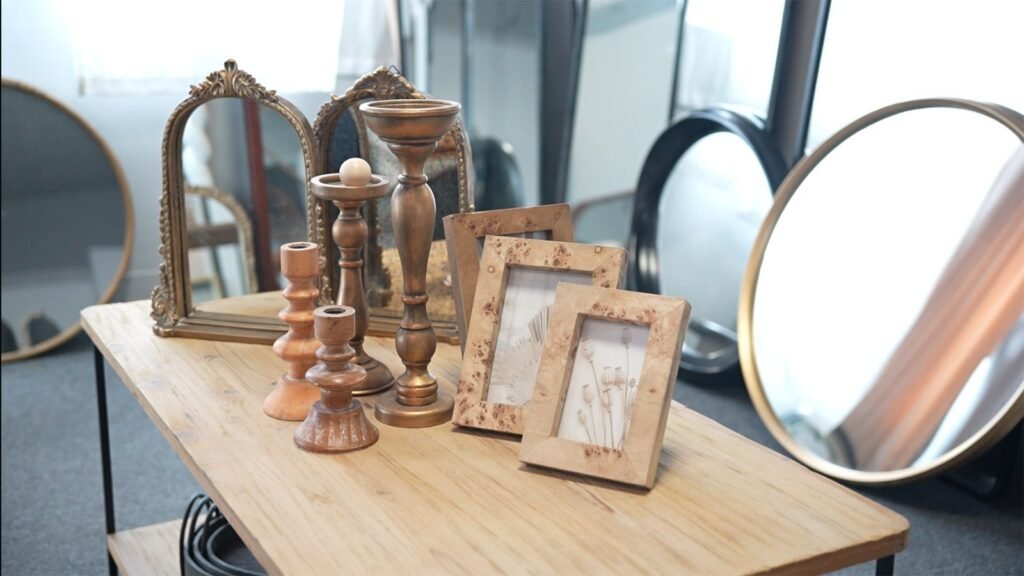
For a German home-furnishings buyer, lighting is rarely bought as a single product category. It must work with furniture, tabletop décor and seasonal displays—while still earning its own place on the shelf.
The practical question is: Does this light create atmosphere, explain its value quickly and fit the intended retail price? That is why a good decorative lighting wholesale range needs more than an attractive silhouette. It needs a clear use case, reliable finish coordination and a simple story for the sales floor.
Start with Light Mood, Then Select the Form
A buyer building an ambient table lamp programme usually needs three product roles:
- Quiet core pieces for year-round living rooms and bedrooms: soft shapes, warm neutral finishes and diffused light.
- Material-led accents in ceramic, glass or metal: pieces that connect lighting with the wider home décor assortment.
- Giftable or portable lamps for smaller spaces, outdoor dining and seasonal retail moments.
The 2026/27 trends presented at Frankfurt’s Light + Building support this direction: softly glowing, restrained forms; material contrast; and decorative objects that combine atmosphere with everyday function. Light + Building Trends 2026/27
A Buyer’s Simple Assortment Rule
Do not fill one display with five unrelated lamp styles. Combine one calm ceramic base, one glass-led accent and one more expressive item in a controlled palette. The range will look more intentional and can be sold alongside vases, trays and decorative storage.
Ceramic Lighting Has a Strong Retail Role
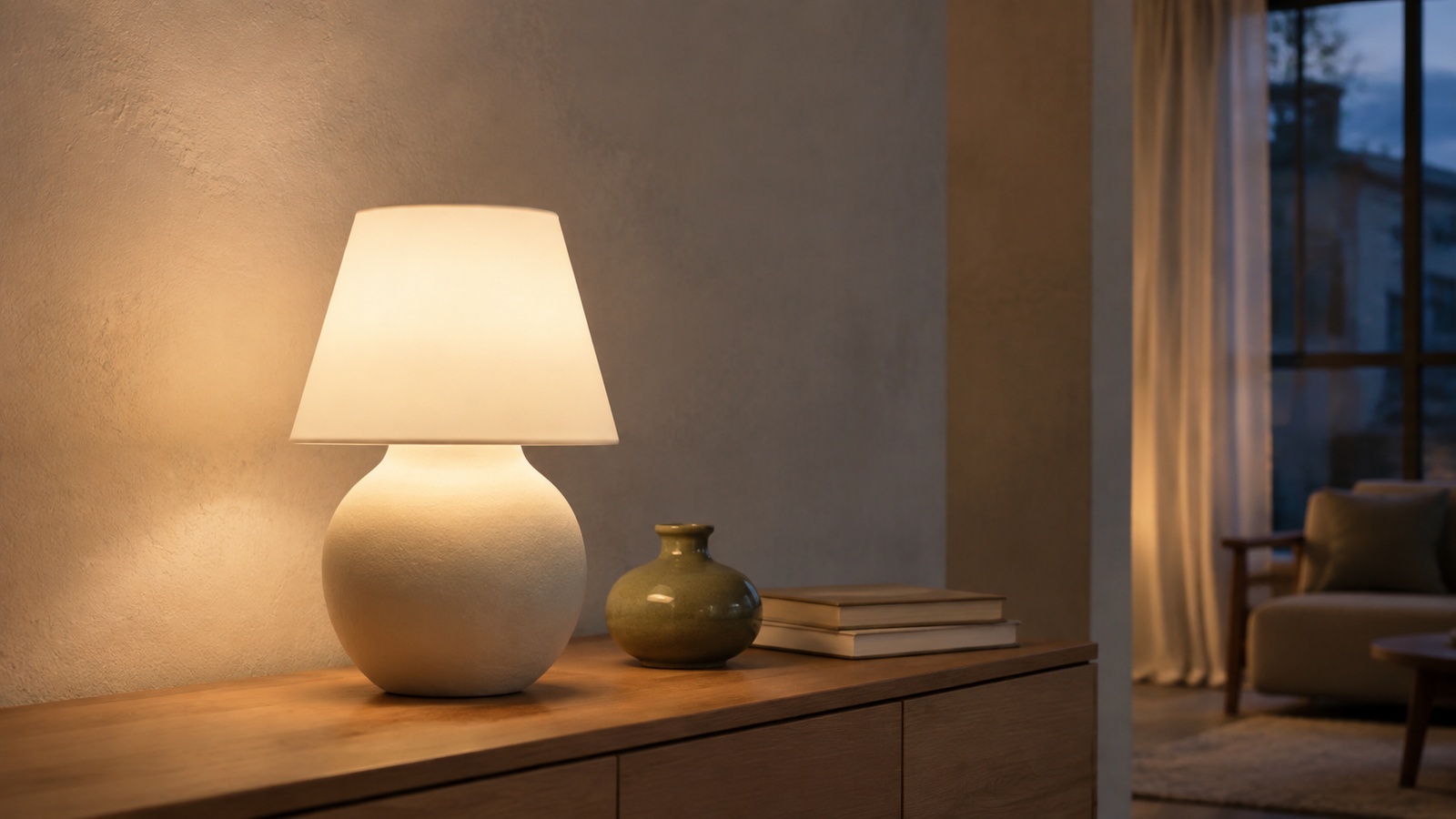
LED ceramic lighting is useful because it can read as a decorative object when switched off, then create a warm evening mood when illuminated. For German buyers, this double function helps justify shelf space.
A ceramic table lamp can also translate familiar décor directions into lighting: mineral matte surfaces, tonal glazes, small sculptural forms and seasonal motifs. It is especially effective when the ceramic finish is coordinated with nearby tabletop décor rather than designed in isolation.
Decorative Light vs. Functional Light
| Buying focus | Decorative lighting | Functional lighting |
|---|---|---|
| Main reason to buy | Atmosphere and interior character | Task illumination |
| Best sales setting | Home décor, gifting, lifestyle retail | Desk, kitchen, work and utility areas |
| Key buyer check | Finish, brightness mood, visual coordination | Light output, adjustment, technical performance |
| Range strategy | Fewer, more distinctive pieces | Clear specifications and broader coverage |
Both have value. However, a home décor lighting supplier should be clear about which role each item is meant to fulfil. A small ambient lamp should not be presented as a main reading light; it should be sold for the atmosphere it genuinely creates.
What Recent European Fairs Are Signalling
The current European direction is not simply “more technology”. It is lighting that feels integrated into the room. Light + Building’s 2026 themes place atmospheric experience, sustainable transformation and smart connectivity alongside design, while Ambiente’s 2026 trend worlds offer buyers practical guidance for translating these signals into retail ranges. The Living Light and Ambiente Trends 26+ both point towards more adaptable, considered products.
For décor buyers, the relevant takeaway is straightforward: choose lights that feel like part of the interior, not technical objects added at the end.
What to Review Before Ordering
Before confirming a decorative lighting collection, buyers should check:
- finish consistency across samples and production
- light colour and the actual atmosphere it creates
- whether the lamp is mains-powered, rechargeable or battery-operated
- packaging protection for ceramic and glass components
- spare-part and replacement policy where relevant
- product documentation required for the intended sales market
Short FAQ
Why add LED ceramic lighting to a home décor assortment?
It increases the value of a decorative display and gives customers a practical reason to purchase a sculptural object.
Should a retailer choose rechargeable or mains-powered lamps?
Rechargeable lamps suit flexible, giftable and table-use scenarios. Mains-powered lamps are usually better for fixed bedside, console or living-room positions.
Can decorative lighting be developed for private label?
Yes. A buyer can normally review body shape, ceramic finish, metal details, light source format and packaging as one coordinated project.
Build Lighting as Part of the Home Story
The strongest lighting range does not compete with the rest of the shop. It completes the room story. When material, finish and light mood are aligned, decorative lighting becomes easier to merchandise, easier to explain and more likely to be reordered.
For decorative lighting wholesale, LED ceramic lighting or private-label ambient table lamps, request a coordinated range proposal with finish samples, product roles and packaging options.