
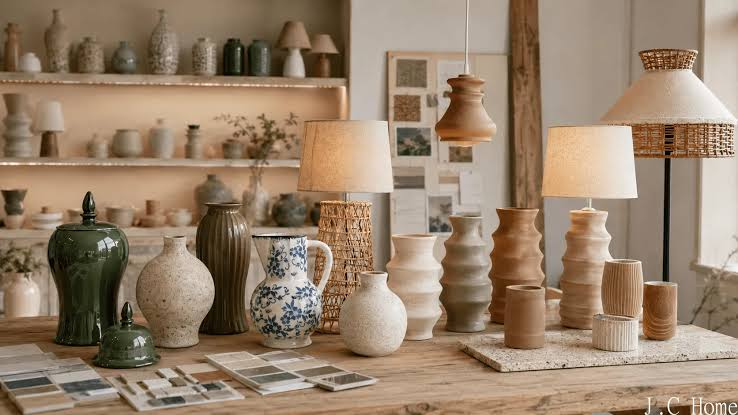
A Practical Buyer’s Guide to Sample Development, Hook System, Care and Maintenance, and QC Checkpoints
For European retailers, importers, interior brands and project suppliers, home decor accessories are no longer selected by appearance alone. A product may look attractive in a catalogue, but if the sample is unstable, the hook system is weak, the finish is inconsistent or the care and maintenance information is unclear, it can create real problems after shipment.
In the European market, buyers are paying closer attention to product reliability, material quality, packaging, safety details and long-term retail value. For home decor accessories wholesale, the strongest suppliers are not only those who offer good designs, but those who can support structured sample development, clear QC checkpoints and practical after-sales information.
Quick Answer for European Buyers
When sourcing home decor accessories wholesale, European buyers should check four key areas before placing a bulk order: sample development quality, hook system safety, care and maintenance instructions, and QC checkpoints during production. These details help reduce returns, improve retail readiness and protect brand reputation.
Why Home Decor Accessories Need Stronger Development Control
Home decor accessories often look simple, but they cover many product types: mirrors, wall decor, candle holders, trays, decorative boxes, small shelves, ceramic pieces, vases, table objects and seasonal collections.
Each category has different risks. A mirror needs a secure hanging structure. A tray needs surface durability. A decorative box needs stable hinges and clean finishing. A ceramic vase needs glaze consistency and proper packaging protection.
For European buyers, these details matter because home decor products are usually sold through visual merchandising, lifestyle photography and curated store displays. If product quality is unstable, the whole collection loses value.
Sample Development: The First Real Test of the Supplier
Sample development is the stage where the buyer can judge whether a supplier understands the product, the market and the commercial standard.
A good sample should confirm:
- Product size and proportion
- Material and surface finish
- Colour accuracy
- Weight and stability
- Packaging direction
- Display method
- Hook system or fixing method
- Cost adjustment options
- Customisation possibilities
For European buyers, sample development should not be treated as a formality. It is the first checkpoint before committing to a larger order. If the sample stage is unclear, bulk production will usually carry higher risk.
A professional supplier should be able to explain why a material, finish, structure or packaging solution is recommended. This is especially important for private-label home decor accessories, seasonal collections and products developed for specific retail channels.
Hook System: A Small Detail That Affects Safety and Sales
For wall-mounted home decor accessories, the hook system is a key technical detail. It affects installation, safety, customer satisfaction and after-sales risk.
European buyers should check:
- Whether the hook system matches the product weight
- Whether the product hangs level on the wall
- Whether the fixing point is centred
- Whether screws or fittings are included
- Whether the product sits flat against the wall
- Whether the packaging protects the hook during transport
- Whether installation instructions are clear
This is especially important for mirrors, framed wall decor, hanging shelves and decorative wall panels. A product may have strong visual appeal, but if the hook system is weak or badly positioned, it can lead to complaints, returns or safety concerns.
For B2B buyers, a reliable hook system can also become a selling point. It shows that the product is not only decorative, but ready for real home use.
Care and Maintenance: Why Buyers Should Ask for It Early
Clear care and maintenance information helps retailers reduce customer complaints and improve product presentation.
Basic care instructions may include:
- Wipe with a soft dry cloth
- Avoid abrasive cleaners
- Keep away from prolonged moisture
- Do not overload wall-mounted products
- Indoor use only unless tested for outdoor use
- Avoid long exposure to direct sunlight
- Use suitable wall fixings according to wall type
For products made from wood, MDF, paper, fabric, metal, ceramic, resin or glass, care requirements can be very different. European buyers should request this information during sample development, not after the goods arrive.
Care and maintenance details are also useful for product pages, packaging labels, retail staff training and online listings.
QC Checkpoints for Home Decor Accessories Wholesale
Professional QC checkpoints should cover the whole order process, not only the final inspection.
| Stage | QC Focus |
|---|---|
| Sample approval | Size, colour, material, finish, hook system, packaging |
| Pre-production | Confirm approved sample, production method and material batch |
| In-line inspection | Check shape, surface, structure, assembly and colour consistency |
| Functional check | Test hooks, hinges, lids, handles, feet and stability |
| Packaging check | Inner protection, carton strength, labels, barcode and drop protection |
| Final inspection | Quantity, appearance, assortment, packing list and shipment readiness |
For European buyers, QC is not just about finding defects. It is about making sure the product is ready for retail, online sales and long-term brand use.
European Trade Fair Trend Analysis
Recent European design fairs show a clear direction: buyers want products that combine craftsmanship, material honesty, sustainability and commercial usability.
Maison&Objet’s 2026 market barometer highlighted that decoration and lifestyle professionals are placing more emphasis on distinctiveness, craftsmanship, sustainability and experience, even in a pressured market environment (Maison&Objet). At Salone del Mobile 2026, the discussion around design also moved towards durable materials, quieter innovation and more coherent sustainable systems (Salone del Mobile).
For home decor accessories, this means European buyers are likely to favour:
- Warm neutral colours and earthy tones
- Handmade or handmade-look textures
- Ceramic, wood, rattan, metal and mixed-material finishes
- Decorative pieces with practical use
- Lightweight but durable structures
- Smaller accessories suitable for layered displays
- Products that work across home, hospitality and concept retail
This trend is important for home decor accessories wholesale because it shifts the buyer’s focus from “cheap decoration” to “sellable, reliable and story-driven accessories”.
What Makes a Supplier Suitable for European Buyers?
A supplier is more suitable for European home decor buyers when it can provide:
- Stable sample development
- Clear product specifications
- Custom colour and finish options
- Reliable hook system solutions
- Practical care and maintenance information
- Structured QC checkpoints
- Retail-ready packaging
- Flexible support for small collections and repeat orders
European buyers are not only looking for products. They are looking for suppliers who can reduce sourcing risk and help them build a stronger product range.
FAQ
What should European buyers check before ordering home decor accessories wholesale?
European buyers should check sample quality, material consistency, hook system safety, care and maintenance information, packaging strength and QC checkpoints before confirming bulk production.
Why is sample development important for home decor accessories?
Sample development helps confirm design, size, colour, finish, structure, packaging and commercial feasibility before mass production. It reduces risk and improves product-market fit.
Why does the hook system matter?
The hook system affects wall installation, safety and customer satisfaction. For mirrors and wall decor, a weak hook system can lead to complaints, returns or safety issues.
What care and maintenance information should be provided?
Buyers should ask for cleaning method, humidity limits, indoor or outdoor use guidance, sunlight exposure advice and weight-loading warnings for wall-mounted products.
What are the main QC checkpoints for home decor accessories?
The main QC checkpoints include sample approval, material checking, in-line inspection, functional testing, packaging inspection and final shipment inspection.
Conclusion
For European buyers, successful home decor accessories wholesale depends on more than design. The real value comes from reliable development, safe structure, stable quality and clear product information.
A good supplier should support the full process: from sample development to hook system testing, from care and maintenance guidance to QC checkpoints. In today’s European market, these details help home decor accessories become more than attractive objects. They become reliable, retail-ready products with stronger commercial value.



