
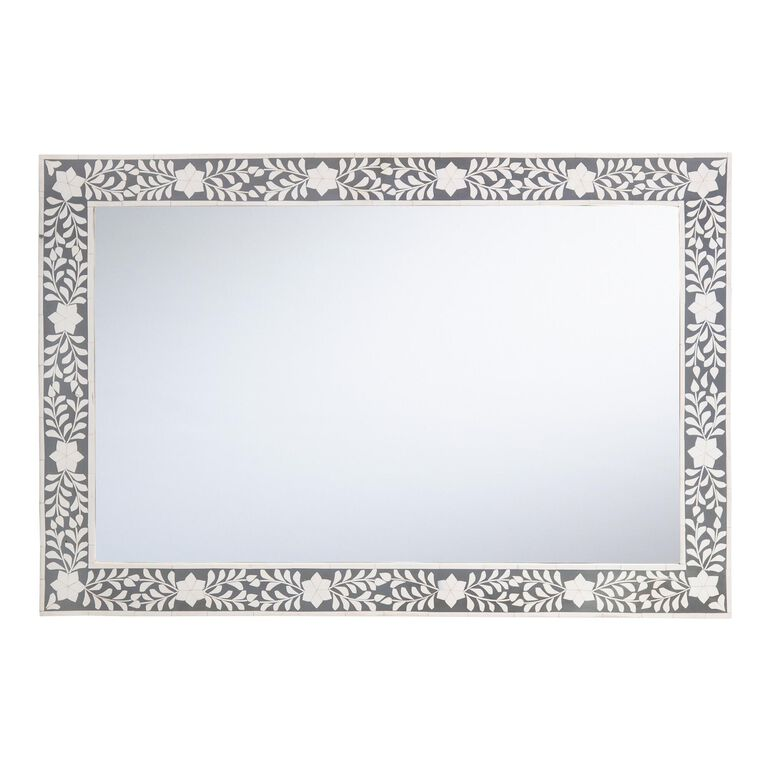
Inlaid Mirror Wholesale: Why Decorative Details and Storage Logic Matter to Serious Buyers
The Trade Fair Message: Decoration Is Getting Smarter, Not Louder
The latest home decor fairs are making one thing rather clear: buyers are not simply chasing “more decoration”. They are looking for products with shape, craft, texture, function, and commercial purpose.
Thank goodness.
For a while, home decor had two equally exhausting directions. One was so minimal that it looked like nobody was allowed to own anything. The other was so decorative that every room looked like it had lost a fight with a trend board.
Now buyers are asking better questions.
Can this mirror become a statement piece?
Can this storage product make a room look calmer?
Can the product support a retail story?
Can it work for projects, showrooms, and repeat orders?
Can it make money without looking cheap?
That is exactly where inlaid mirrors, decorative storage, and project sourcing start to connect.
At Teruier, we believe a product should not only look good in a catalogue. It should earn its space in the buyer’s assortment.
What Is an Inlaid Mirror?
An inlaid mirror is a decorative mirror that uses inserted or layered materials, surface details, frame patterns, carved effects, mosaic-style elements, shell-look finishes, bone-look details, wood inlay effects, metal accents, or other decorative treatments to create stronger visual identity.
In simple terms, it is a mirror that refuses to be just a reflective rectangle.
For buyers, this matters because inlaid mirrors usually carry higher perceived value than plain mirrors. They can work as statement pieces in villas, hotel rooms, entryways, bedrooms, showrooms, furniture stores, and interior design projects.
A basic mirror reflects the customer.
A good inlaid mirror reflects taste, price positioning, and hopefully a healthy margin.
What Is Storage & Organization in Home Decor Buying?
Storage & Organization refers to products that help customers arrange, hide, display, or structure everyday items while improving the look of a room.
This can include:
Decorative storage boxes
Storage benches
Ottomans with storage
Trays
Baskets
Cabinet-top organizers
Entryway storage pieces
Tabletop storage accents
Bedroom and living room organization products
For B2B buyers, storage is attractive because it combines function with decoration. Customers may admire a vase, but they can justify buying storage. That is the little commercial miracle.
A decorative storage box does not only say, “I am beautiful.”
It says, “I can hide your mess and make you feel like a better adult.”
Very powerful.
Teruier’s Merchant Margin Solution
For this article, the key Teruier idea is the Merchant Margin Solution.
This means we do not judge a product only by whether it looks attractive. We judge whether it helps the merchant create value.
A good merchant margin product should have:
Clear visual appeal
Practical usage
Strong perceived value
Reasonable production cost
Safe packing logic
Collection potential
Project suitability
Reorder possibility
This is why inlaid mirrors and decorative storage products are useful categories. They are not just “decor”. They can become margin builders.
An inlaid mirror can create a premium focal point.
A storage ottoman can combine seating, function, and texture.
A decorative box can improve shelf display and add-on sales.
A storage bench can solve entryway clutter while looking like a designed furniture piece.
That is how a buyer moves from buying items to building profit logic.
Inlaid Mirror vs Plain Mirror: What Buyers Should Understand
| Buying Factor | Plain Mirror | Inlaid Mirror |
|---|---|---|
| Visual Impact | Simple and functional | Stronger decorative presence |
| Perceived Value | Often price-sensitive | Easier to position as premium |
| Retail Display | Needs styling support | Can work as a statement piece |
| Project Use | Practical and safe | Better for villas, hotels, showrooms, feature walls |
| Margin Potential | Usually tighter | Often stronger if cost is controlled |
| Buyer Risk | Lower design risk | Needs better finish, packing, and specification control |
Plain mirrors are useful. Let us not be rude to plain mirrors.
But inlaid mirrors give buyers more storytelling power. They help a product feel selected, not merely supplied.
That difference matters in retail, hospitality, and project sourcing.
Decorative Storage vs Ordinary Storage
| Buying Factor | Ordinary Storage | Decorative Storage |
|---|---|---|
| Main Purpose | Hide or organize items | Organize while improving the room |
| Customer Motivation | Practical need | Practical need plus style upgrade |
| Shelf Value | Often basic | Stronger merchandising potential |
| Product Story | Function first | Function, material, colour, texture, and lifestyle |
| Add-On Sales | Limited | Better for cross-selling with mirrors, ottomans, trays, and tabletop decor |
| Margin Logic | Usually price-driven | Can support better perceived value |
Ordinary storage says, “Put things inside me.”
Decorative storage says, “Put things inside me and pretend your life is completely under control.”
That is a better retail message.
How Inlaid Mirrors and Storage Work Together
Inlaid mirrors and storage products may seem like different categories, but for buyers they solve the same commercial problem: they help a room look finished.
A mirror adds light, scale, and visual drama.
Storage adds order, function, and calm.
Together, they are useful for:
Entryway collections
Bedroom assortments
Living room styling
Villa interiors
Hotel room packages
Furniture store displays
Designer project sourcing
Retail home organization themes
For example, an entryway programme may include an inlaid wall mirror, a storage bench, a decorative tray, and a woven or textured storage box.
That is not random product buying. That is assortment planning.
And assortment planning is where buyers stop collecting products and start building categories.
What Buyers Should Check Before Ordering Inlaid Mirrors
Inlaid mirrors are beautiful, but details matter.
Buyers should check:
Frame material
Inlay material or decorative finish
Mirror glass thickness
Backing structure
Hanging hardware
Frame stability
Colour consistency
Handmade variation
Packing method
Carton protection
MOQ
Lead time
Project size requirements
Inlaid details can increase perceived value, but they also require better quality control. A poor inlay finish does not look artisanal. It looks like someone gave up halfway.
Teruier helps buyers review both the design value and the production reality.
What Buyers Should Check Before Ordering Storage Products
Storage products need to be practical. This sounds obvious, yet many products seem designed by people who have never owned socks.
For storage and organization products, buyers should check:
Internal usable space
Load-bearing requirement
Fabric or material durability
Lid structure
Hardware strength
Surface finish
Packing efficiency
Retail display method
Multi-size collection potential
Customer use scenario
A storage product should look good, yes. But it should also open, close, hold, stack, sit, carry, or hide things properly.
Decoration without function is sometimes art.
Storage without function is just furniture with trust issues.
How Teruier Supports Project Sourcing & Delivery
Project sourcing is not catalogue shopping with a longer email thread.
It requires clearer specifications, sample control, packing planning, delivery coordination, and product consistency.
Teruier supports buyers through:
Product selection by category and market
Inlaid mirror specification review
Storage product structure discussion
Material and finish coordination
Sample development
Product notes and buyer-facing descriptions
Packing suggestions
Project delivery planning
Private label and assortment support
Reorder-friendly product line development
For project buyers, the goal is not to find one product that looks nice. The goal is to build a supply plan that can survive real deadlines, real rooms, real customers, and real logistics.
Reality is rude. Good sourcing prepares for it.
FAQ
What is inlaid mirror wholesale?
Inlaid mirror wholesale means sourcing decorative mirrors in bulk with inlaid, layered, carved, mosaic, shell-look, wood-look, metal, or other decorative frame details for retailers, importers, designers, and project buyers.
Why are inlaid mirrors attractive for B2B buyers?
Inlaid mirrors usually offer stronger visual value than plain mirrors. They can support premium pricing, project styling, showroom displays, and better retail storytelling.
What is decorative storage?
Decorative storage refers to storage products that combine organization function with home decor value. Examples include storage boxes, storage benches, trays, baskets, and storage ottomans.
Can inlaid mirrors and storage products be sourced together?
Yes. They work well together in entryway, bedroom, living room, hotel, villa, and showroom collections. This helps buyers build coordinated product stories rather than isolated SKUs.
What should buyers include in an RFQ for inlaid mirrors?
Buyers should include size, shape, frame material, inlay style, finish, glass thickness, backing, hanging method, quantity, packing requirement, target price level, and project timeline.
What should buyers include in an RFQ for storage products?
Buyers should include product type, size, material, inner capacity, usage scenario, load requirement, colour, finish, packing method, quantity, and whether private label packaging is needed.
How does Teruier help improve merchant margin?
Teruier helps buyers evaluate perceived value, product function, material choice, packing cost, display value, project suitability, and collection potential. The goal is not just a cheaper product, but a more sellable product.
Final Thought: Good Products Should Work Harder
Inlaid mirrors bring decorative value.
Storage products bring practical value.
Project sourcing brings delivery discipline.
When these three things are connected, buyers can build stronger assortments, better room stories, and more reliable margin logic.
At Teruier, we believe home decor products should do more than look pretty.
They should help buyers sell smarter, deliver better, and reorder with less drama.
Because pretty gets attention.
But useful, profitable, well-specified pretty?
That gets the next order.



