
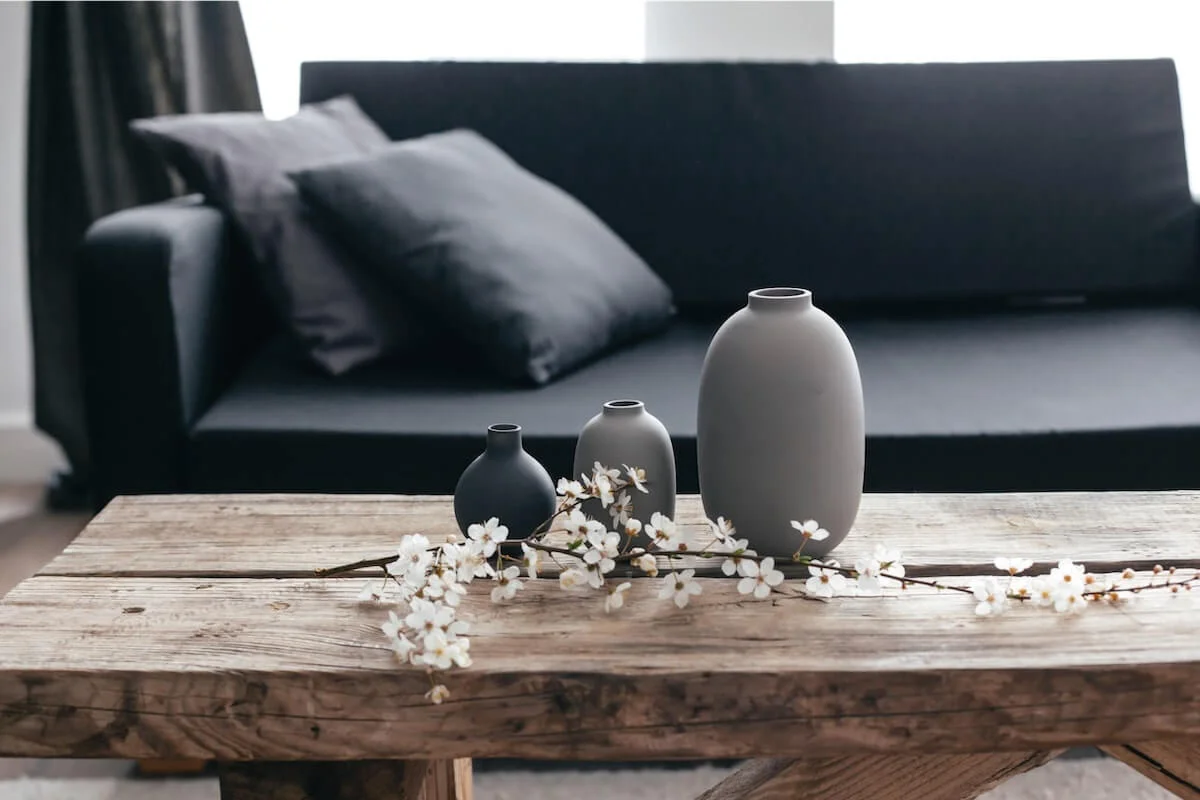
Ceramic Decor Wholesale: Why a Vase Is Not Just a Thing That Holds Flowers
The Trade Fair Message: Craft Is Back, But Please Make It Sellable
The latest home decor trade fairs are giving buyers a very clear message: ceramic decor is no longer just filler for empty shelves.
We are seeing more sculptural shapes, warmer neutrals, handmade textures, imperfect surfaces, nostalgic details, playful forms, and tabletop pieces that feel collected rather than mass-produced.
Lovely. Very poetic.
But buyers still have to ask the less romantic questions:
Can it be produced consistently?
Can the glaze be repeated?
Can it survive shipping?
Can it sit nicely on a retail shelf?
Can it work as a collection?
Can the margin survive after freight?
Because a beautiful ceramic vase that arrives broken is not “artisanal”. It is a refund with better lighting.
At Teruier, we believe ceramic decor wholesale should connect craft character with commercial discipline. That is where the real value begins.
What Is Ceramic Decor Wholesale?
Ceramic decor wholesale refers to bulk sourcing of ceramic home decor products for retailers, importers, designers, project buyers, gift stores, furniture stores, and lifestyle brands.
It can include:
Ceramic vases
Decorative bowls
Tabletop sculptures
Ceramic trays
Candle holders
Planters
Figurines
Tabletop accent pieces
Seasonal ceramic decorations
Private label ceramic collections
For buyers, ceramic decor is attractive because it can carry strong visual value without requiring huge floor space. A good ceramic piece can make a shelf look styled, a table look finished, and a product line look more designed.
In plain language: ceramic decor is small enough to buy smartly, but strong enough to change the mood of a display.
Teruier’s Craft-Origin Manufacturing View
Teruier works with the idea of Craft-Origin Manufacturing.
This means we do not treat ceramic decor as random “factory goods”. We treat it as a category where local craft knowledge, glaze control, hand-finishing, mould development, production planning, and export packing all matter.
Ceramic products have personality. That is good.
Ceramic production also has variables. That is reality.
A glaze may shift slightly. A handmade surface may have natural differences. A sculptural form may require careful mould control. A decorative piece may look wonderful but become difficult to pack.
So the buyer needs a supplier who understands both sides: the charm of craft and the discipline of wholesale delivery.
That is what Teruier tries to bring to the table. Preferably a well-styled table, of course.
Why Ceramic Decor Works for Tabletop Decor
Tabletop decor is one of the most flexible areas in home decoration.
A ceramic vase can work on a dining table, console, bookshelf, coffee table, bedside table, retail display, hotel room, or seasonal gift table.
That flexibility makes ceramic decor useful for buyers because one product can serve multiple channels.
A sculptural vase may work for design-led retailers.
A simple ceramic bowl may work for lifestyle stores.
A playful figurine may work for gift shops.
A textured candle holder may work for seasonal displays.
A ceramic tray may support add-on sales in home fragrance, bathroom styling, or hospitality decor.
This is why ceramic decor should not be developed as isolated single items. It should be planned as tabletop stories.
One good form can become a small collection. One glaze can connect several items. One motif can become a seasonal series.
That is how a shelf becomes a product programme.
Comparison: Ordinary Ceramic Supplier vs Teruier Ceramic Decor Sourcing
| Buyer Need | Ordinary Supplier Response | Teruier Approach |
|---|---|---|
| Buyer wants ceramic decor | Sends many random items | Helps filter by category, style, market, and shelf logic |
| Buyer asks about glaze | Says “available in many colours” | Discusses finish direction, repeatability, surface effect, and buyer positioning |
| Buyer wants tabletop decor | Offers single products | Builds small collections by shape, size, function, and display value |
| Buyer worries about breakage | Says “packing is strong” | Reviews product shape, carton logic, protection, and export handling |
| Buyer wants margin | Quotes unit price only | Considers perceived value, series potential, size, freight, and retail story |
| Buyer wants private label | Adds logo | Helps think through collection naming, packaging, SKU logic, and reorder planning |
What Buyers Should Look for in Ceramic Decor
A ceramic decor product should not be judged only by whether it looks nice in a photo.
Photos are dangerous. They make everything look taller, warmer, and more emotionally available.
Buyers should look at five things.
First, shape. Is the form distinctive enough to stand out, but not so strange that customers quietly back away?
Second, glaze. Does the surface feel current, warm, textured, handmade, glossy, matte, reactive, or intentionally imperfect?
Third, scale. Is the size suitable for tabletop display, retail shelf height, carton efficiency, and customer use?
Fourth, collection logic. Can the item work with matching vases, bowls, trays, candle holders, or accent objects?
Fifth, packing risk. Ceramic is beautiful, but it has a dramatic personality. If the shape is fragile, thin, oversized, or awkward, the packing plan matters.
A good ceramic buyer thinks like a merchandiser and a logistics manager. Glamorous? Not always. Profitable? More often.
How Teruier Builds Ceramic Product Notes
For ceramic decor wholesale, Teruier product notes are designed to help buyers understand not only what the item is, but why it matters.
A weak product note says:
“Beautiful ceramic vase for home decoration.”
That sentence should be retired immediately.
A better product note says:
“Sculptural ceramic vase with a warm matte glaze and handmade surface character, designed for tabletop styling, seasonal displays, and design-led home decor assortments.”
Now the buyer can understand the product role.
Teruier product notes usually explain:
Design direction
Shape language
Glaze or finish value
Tabletop use
Retail display role
Collection potential
Buyer value
Commercial positioning
Good product notes do not decorate the product. They help sell the product intelligently.
How Designers Can Use Ceramic Decor Better
Designers love ceramic decor because it adds texture, softness, scale, and personality without requiring a renovation budget. A ceramic object can warm up a room faster than another beige cushion. And frankly, we already have enough beige cushions.
For designers, ceramic decor is useful in:
Console styling
Bookshelf layering
Dining table centrepieces
Bathroom accents
Hotel room styling
Villa interiors
Retail showroom displays
Seasonal installations
The key is balance.
Too little ceramic decor, and the space feels unfinished. Too much, and it starts to look like someone panic-bought a pottery market.
Teruier helps designers and buyers select pieces with proportion, surface interest, and collection rhythm.
Why Buyers Should Think in Ceramic Collections
Single ceramic items can sell. Ceramic collections can build stronger business.
A buyer may start with one vase, then extend the idea into:
Three sizes
Two glaze colours
One matching bowl
One candle holder
One tray
One seasonal decorative object
This creates a more complete tabletop decor story.
It also helps with merchandising, catalogue presentation, private label planning, and reorder logic.
A random ceramic vase is an item.
A coordinated ceramic series is an assortment.
Buyers make more money from assortments than from lonely objects looking for friends.
FAQ
What is ceramic decor wholesale?
Ceramic decor wholesale means sourcing ceramic decorative products in bulk for retailers, importers, designers, project buyers, furniture stores, gift shops, and lifestyle brands.
What products are included in ceramic decor?
Ceramic decor can include vases, bowls, trays, candle holders, planters, figurines, tabletop sculptures, seasonal decorations, and accent objects.
Why is ceramic decor important for tabletop decor?
Ceramic decor adds texture, colour, shape, and visual interest to tables, consoles, shelves, and room displays. It is flexible, giftable, and useful for both retail and interior styling.
What should buyers check before ordering ceramic decor?
Buyers should check size, material, glaze, colour consistency, production tolerance, packing method, carton size, MOQ, lead time, and whether the item can work as part of a collection.
Can Teruier support custom ceramic decor development?
Yes. Teruier can support buyer references, moodboards, glaze direction, shape development, sample review, product notes, private label needs, and collection planning.
Are handmade ceramic differences a problem?
Not always. Natural variation can add craft value. The important point is to define acceptable variation before bulk production, so “handmade character” does not become “quality argument”.
How can ceramic decor improve buyer margin?
Ceramic decor can create strong perceived value through shape, glaze, texture, and styling. When developed as a collection, it can support better display, add-on sales, seasonal themes, and repeat orders.
Final Thought: Ceramic Decor Should Look Handmade, Not Random
Ceramic decor is one of the best categories for buyers who want warmth, texture, craft feeling, and tabletop storytelling.
But successful ceramic decor wholesale is not about buying every vase that looks cute under exhibition lighting.
It is about understanding shape, glaze, size, packing, display value, and collection logic.
At Teruier, we help buyers turn ceramic craft into sellable home decor programmes.
Because in tabletop decor, charm gets attention.
But structure gets the reorder.



