
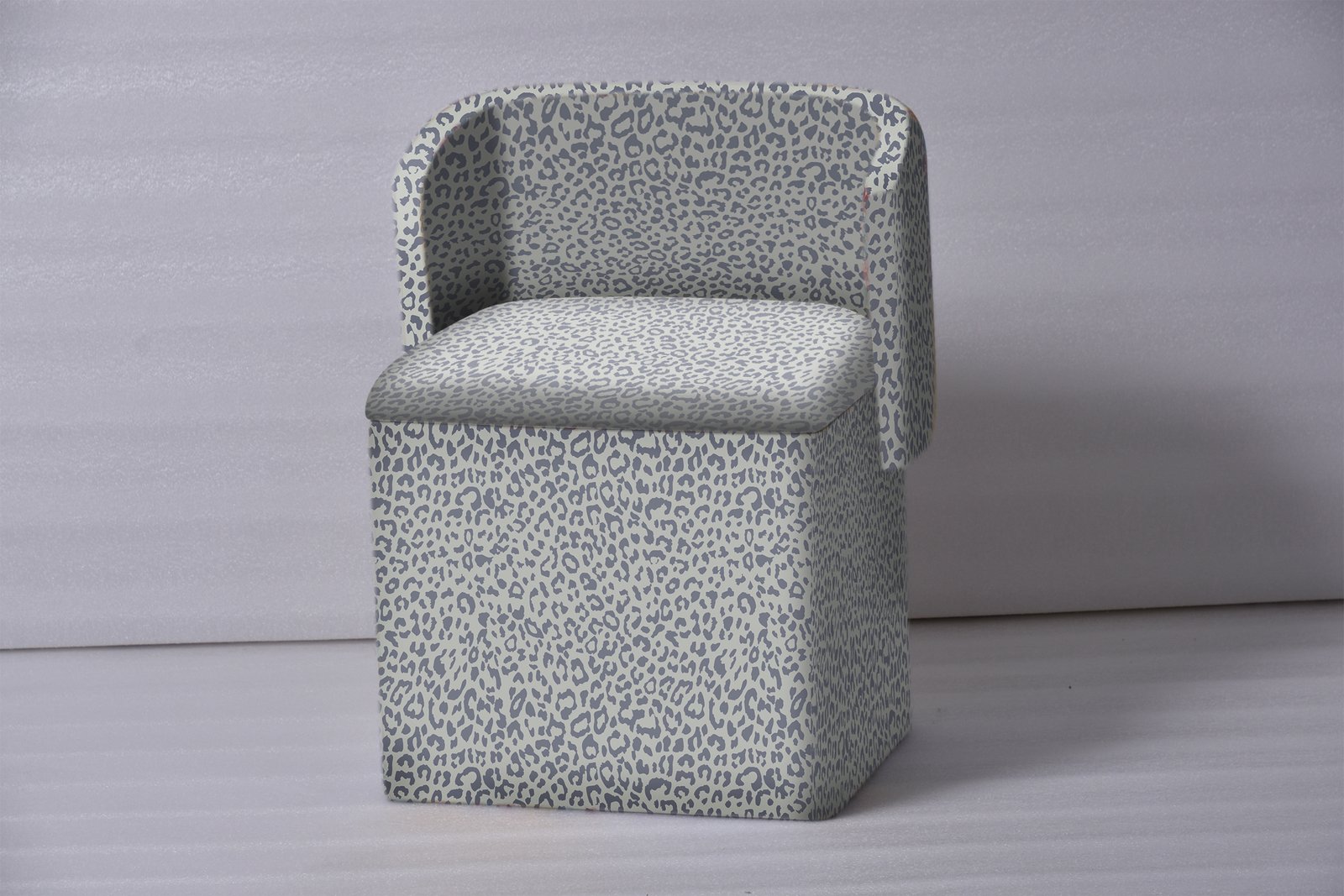
Outdoor Decor Is No Longer Just a Garden Category
The latest signal from Europe is clear: outdoor space is no longer being treated as a seasonal extra.
At spoga+gafa 2026 in Cologne, the garden and outdoor market is moving toward a broader idea of outdoor living. Terraces, balconies and gardens are becoming extensions of the home, not just places for a barbecue, two folding chairs and a slightly optimistic parasol.
For German buyers, this matters.
Outdoor products now need to do more than survive rain. They need to create atmosphere, organise space, support daily use and make commercial sense in a market where customers expect both design value and practical reliability.
The Teruier German Channel looks at outdoor décor through this buyer’s lens.
Because “suitable for outdoor use” is not a product strategy.
It is the beginning of a much longer conversation.
What Is Outdoor Decor?
Outdoor décor refers to decorative, functional and semi-functional products designed for balconies, terraces, gardens, patios and covered outdoor areas.
The category may include:
- Outdoor planters and cachepots
- Garden stools and side tables
- Lanterns and candle holders
- Outdoor trays and tabletop accessories
- Decorative storage boxes
- Cushion boxes and small outdoor organisers
- Outdoor mirrors for covered areas
- Ceramic and resin garden objects
- Small benches and accent seating
- Decorative baskets and weather-aware containers
Outdoor décor sits between home decoration, garden lifestyle and practical organisation.
A product may be decorative, but it still needs to understand that weather exists.
This is where some indoor products, tragically, become outdoor mistakes.
What the German Channel Stands For
The Teruier German Channel is written for German and European buyers, importers, retailers, wholesalers, designers and sourcing teams who need more than trend inspiration.
Its position is simple:
A product idea becomes useful only when it can be translated into a commercially reliable buying decision.
For outdoor décor, this means asking:
- Does the product fit a real outdoor setting?
- Does it solve a visible customer need?
- Can the material tolerate the intended use?
- Is the product easy to move, clean and store?
- Does the design justify the retail price?
- Can it be packed and shipped without destroying the margin?
- Can it become part of a wider outdoor collection?
The channel does not treat outdoor décor as a pretty afterthought.
It treats it as a category where atmosphere, function, material and logistics must work together.
Annoying, perhaps.
But very useful.
Outdoor Decor Versus Indoor Decor
| Consideration | Indoor Decor | Outdoor Decor |
|---|---|---|
| Main environment | Stable indoor conditions | Sun, moisture, wind and temperature changes |
| Material priority | Appearance, touch and interior coordination | Durability, finish stability and maintenance |
| Customer expectation | Style, mood and room completion | Style plus practical weather awareness |
| Packaging concern | Breakage and surface protection | Breakage, surface protection and often heavier materials |
| Retail seasonality | Year-round or seasonal | Stronger spring and summer relevance |
| Product risk | Style mismatch or quality issue | Style mismatch, quality issue and environmental failure |
Outdoor décor does not need to look technical.
In fact, it often sells better when it does not.
But the technical thinking must still be there.
A lantern can look charming. A planter can look sculptural. A storage box can look like part of the terrace furniture.
None of these products should behave as though the first rainstorm is a personal insult.
Why Storage and Organisation Matter Outdoors
Outdoor living creates outdoor clutter.
Cushions, throws, candles, small tools, toys, tableware, barbecue accessories and plant-care items all need a place to go.
This is why storage and organisation are becoming more important within outdoor décor.
Useful products may include:
- Cushion storage boxes
- Decorative outdoor baskets
- Lidded containers
- Multi-purpose benches
- Small cabinets
- Tray tables
- Planter-storage combinations
- Outdoor shelving for covered spaces
The commercial opportunity is clear.
Customers want outdoor spaces that feel relaxed, but not chaotic.
There is a difference between Mediterranean ease and “where did we put the seat cushions?”
Decorative Storage Versus Utility Storage Outdoors
| Consideration | Decorative Outdoor Storage | Utility Outdoor Storage |
|---|---|---|
| Main role | Organises while contributing to the outdoor setting | Prioritises capacity and protection |
| Typical products | Decorative boxes, benches, baskets and trays | Large bins, tool boxes and equipment containers |
| Visual expectation | Should coordinate with furniture and décor | May be hidden or placed in service areas |
| Retail value driver | Design, material, finish and function | Capacity, durability and weather protection |
| Buyer concern | Balance between appearance and usefulness | Practical performance and cost efficiency |
Both are needed.
But they should not be confused.
A decorative storage bench must still store something useful.
A utility box can be practical without being invited to ruin the terrace display.
German buyers should decide where the product belongs before deciding how it should look.
The Merchant Profit Approach
Teruier applies a Merchant Profit Approach to outdoor décor and storage products.
This means evaluating more than the factory price.
A product may look inexpensive at quotation stage but become less attractive once the buyer considers:
- Carton size
- Shipping volume
- Surface protection
- Weather-resistant materials
- Hardware quality
- Customer returns
- Seasonal discounting
- Storage space
- Reorder consistency
- Retail display value
Outdoor products often require stronger materials, better finishes and more protective packaging.
These requirements are not decorative luxuries.
They are part of the real cost of selling the product responsibly.
A cheap outdoor storage box that fades quickly or fails at the hinge is not a bargain.
It is a future customer complaint with a lid.
What Makes an Outdoor Decor Product Worth Buying?
A commercially useful outdoor décor product should answer five questions.
Where will it be used?
Balcony, covered terrace, open garden and poolside settings have different requirements.
What does it do?
The product may decorate, store, organise, illuminate, support plants or provide occasional seating.
What material logic supports it?
Ceramic, metal, resin, wood, fabric and woven materials each have different advantages and risks.
Can it be maintained easily?
Outdoor customers do not want a product that requires the care routine of a museum object.
Can it support margin?
The final value must survive freight, packing, handling, storage, seasonality and likely discount behaviour.
A product does not need to solve everything.
It does need to solve something clearly.
Outdoor Decor and the Wider Collection
Outdoor décor works best when it connects with the wider home collection.
A ceramic planter may repeat the colour language of indoor vases.
A garden stool can work as both an outdoor side table and an occasional seat.
A storage bench may coordinate with cushions, lanterns and planters.
Useful collection links include:
- Shared neutral tones
- Repeated curves
- Matching metal finishes
- Similar woven textures
- Coordinated planter sizes
- Related indoor-outdoor materials
- Practical storage pieces that support the visual story
The goal is not to make the terrace look like a furniture catalogue.
The goal is to create enough structure that customers understand how the products work together.
When everything matches perfectly, the result can feel stiff.
When nothing relates, the result is not relaxed. It is simply unmanaged.
Buying Decisions for Outdoor Products
Outdoor décor requires disciplined buying decisions because the category carries hidden risks.
Buyers should check:
- Material suitability
- Surface finish
- UV and moisture sensitivity
- Weight and stability
- Drainage, where relevant
- Rust resistance, where relevant
- Cleaning instructions
- Packaging protection
- Replacement or reorder continuity
- Seasonal timing
This does not mean every product must become industrial equipment.
It means decorative products should still respect the reality of outdoor use.
A beautiful tray that warps after two weekends is not poetic.
It is expensive firewood.
Why This Article Belongs in the German Channel
This article reflects the broader purpose of the Teruier German Channel.
The channel connects:
- European fair signals
- Product category knowledge
- Buyer decision logic
- Material and production awareness
- Assortment planning
- Commercial profit thinking
For Outdoor Decor, Buying Decisions and Storage & Organization, this connection is especially important.
Outdoor products are not judged only by appearance.
They are judged by use, weather, storage, movement, maintenance and customer expectation.
That is why the German Channel does not simply ask what is trending.
It asks what can be developed, sourced, sold and reordered with confidence.
Frequently Asked Questions
What is outdoor décor?
Outdoor décor includes decorative and functional products for balconies, terraces, gardens and patios, such as planters, lanterns, garden stools, trays, small benches and outdoor storage pieces.
Is outdoor décor the same as garden furniture?
No. Garden furniture usually refers to larger seating and dining pieces. Outdoor décor includes smaller products that add atmosphere, organisation and finishing detail.
Can indoor décor be used outdoors?
Sometimes, but only if the material and finish are suitable for the intended exposure. Covered outdoor use is not the same as open garden use.
Why is storage important in outdoor décor?
Outdoor spaces require cushions, covers, tools, candles, tableware and accessories. Storage keeps the area usable and visually controlled.
What should German buyers check before ordering outdoor storage products?
They should check capacity, material, hinges, lid alignment, weather suitability, cleaning requirements, packaging and freight efficiency.
Are heavier outdoor products better?
Not always. Weight can improve stability but may increase shipping and handling costs. The product should be stable without becoming a small construction project.
Can outdoor décor coordinate with indoor home décor?
Yes. Shared colours, materials, forms and finishes can create an indoor-outdoor story, especially for balconies and covered terraces.
What makes an outdoor décor product commercially strong?
It should combine visible design value, practical use, suitable materials, manageable logistics and a retail price that supports margin.
Outdoor Living Needs Better Product Thinking
European outdoor living is becoming more sophisticated.
Customers want terraces, balconies and gardens that feel like part of the home.
For buyers, that means outdoor décor must carry more responsibility.
It must organise, decorate, withstand use, fit a collection and still make commercial sense.
The Teruier German Channel helps translate that requirement into product questions and buying logic.
Because outdoor décor should make life outside feel easier.
It should not give the buyer another reason to stay indoors.



