Interior designers do not buy decoration. They buy room decisions.
A product photo can be very convincing.
A burnt orange velvet ottoman looks rich.
An arched leg bench looks architectural.
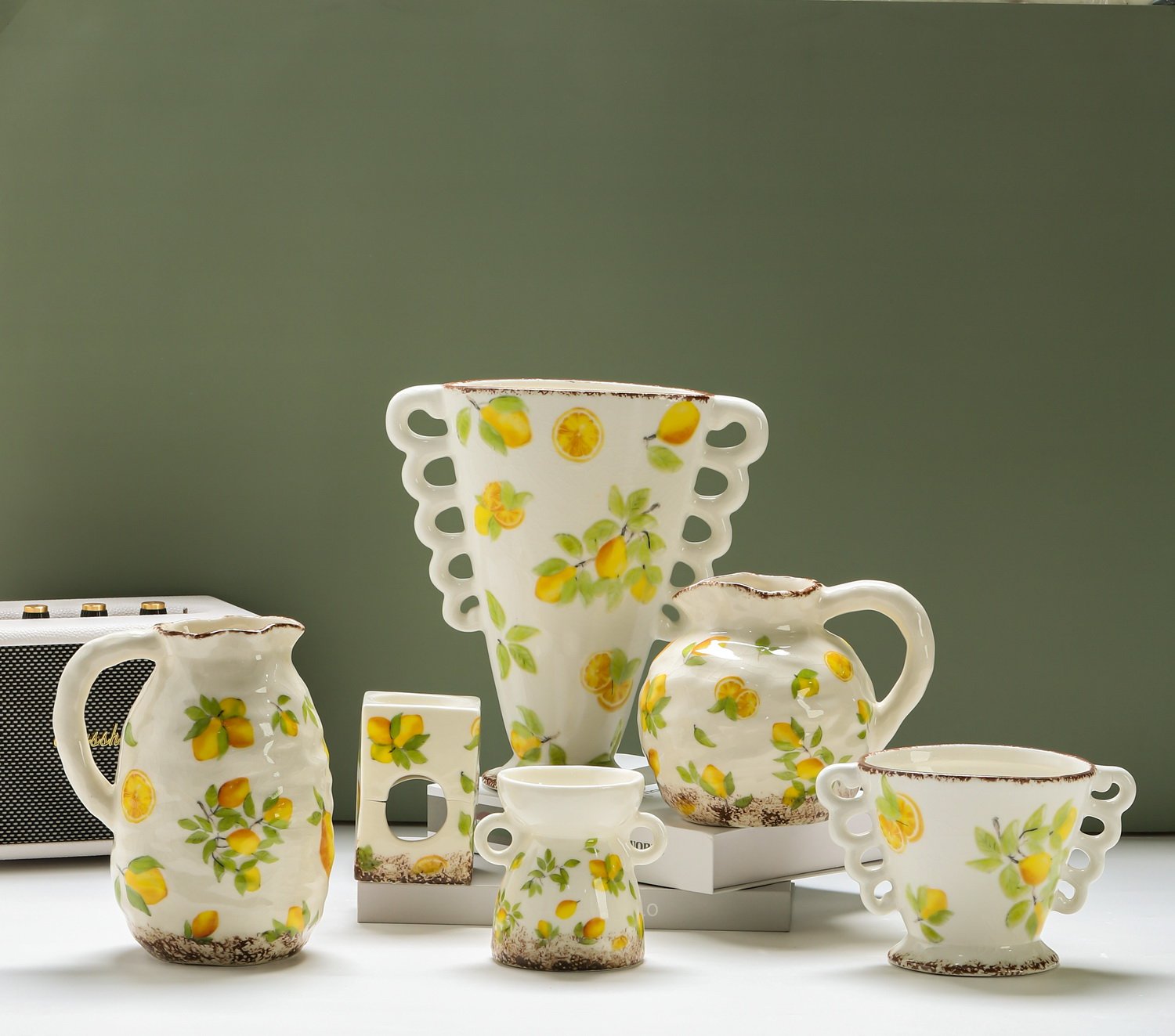
A pear ceramic vase looks playful and charming.
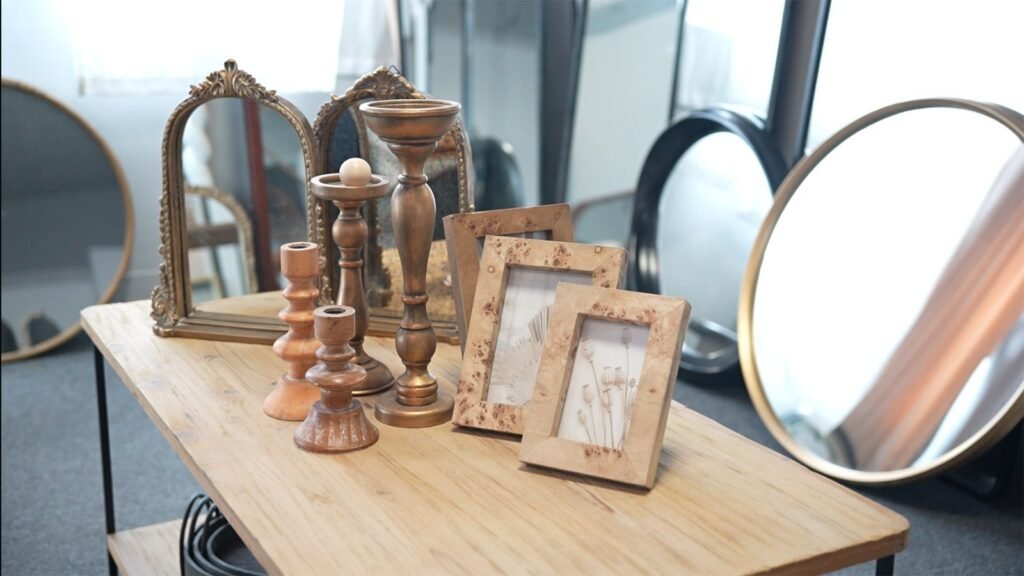
A mirror with the right finish pulls the room together.
Lovely.
Then the sample arrives, the velvet colour looks different, the bench leg feels weak, the ceramic vase chips in transit, and the supplier says something deeply comforting like, “This is normal.”
No, thank you.
For German buyers and interior designers, a factory direct supplier for interior designers should do more than offer attractive products. It should help control materials, finish, structure, packaging, and repeat quality.
Because design is not finished when the product looks good.
Design is finished when the product works in the room, survives delivery, and can be ordered again without drama.
What is a factory direct supplier for interior designers?
A factory direct supplier for interior designers is a supplier that connects designers and buyers more directly with product development, materials, finishes, packaging, and production decisions.
A useful supplier should help with:
- ottoman upholstery materials
- mirror and frame finishes
- ceramic décor development
- pear ceramic vase sourcing
- burnt orange velvet ottoman options
- arched leg bench structure
- wholesale packaging standards
- MOQ and lead time
- sample notes and reorder standards
A weak supplier sends a catalogue.
A good supplier helps the designer understand what can actually be produced, packed, delivered, and repeated.
That is the difference between “nice product” and “usable product”.
Ottoman upholstery materials: where quality becomes obvious
Ottoman upholstery materials decide whether an ottoman feels premium or temporary.
For German interiors, useful materials include:
- taupe woven fabric
- cream bouclé
- linen-look neutral fabric
- muted velvet
- soft chenille
- subtle stripe
- textured performance fabric
For a project or retail assortment, the material should be easy to explain and easy to place.
A neutral textured ottoman can work in bedrooms, living rooms, dressing corners and small apartments. A stronger colour, like a burnt orange velvet ottoman, can work as an accent — but only when the buyer controls the colour, pile direction and fabric batch.
Burnt orange should look warm and confident.
It should not arrive looking like an angry pumpkin.
Burnt orange velvet ottoman: good accent, higher risk
A burnt orange velvet ottoman can be a strong product for boutique interiors, autumn collections, hotel bedrooms and warm neutral rooms.
It pairs well with:
- brass mirrors
- dark wood benches
- terracotta ceramics
- smoked mirror finishes
- warm beige walls
- walnut tones
- matte ceramic décor
But velvet needs discipline.
German buyers should check:
| QC Point | Why It Matters |
|---|---|
| Velvet pile direction | affects colour appearance |
| Colour under lighting | warm and cool light change the tone |
| Fabric batch | protects reorder consistency |
| Seam quality | visible on soft furniture |
| Foam support | affects comfort and shape |
| Packaging | prevents crushing and fabric marks |
A velvet ottoman is not a low-risk product just because it is small.
Small products can still create large complaints.
Arched leg bench: sculptural, but it still needs structure
An arched leg bench is useful for interior designers because it adds shape without taking over the room.
It can work in:
- entryways
- bedrooms
- dressing areas
- boutique hotels
- serviced apartments
- small living rooms
But the arch detail needs proper production control.
Buyers should check:
- leg alignment
- bench stability
- frame strength
- upholstery tension
- seat comfort
- leg finish
- carton protection
- repeat structure
An arched leg bench should look designed.
It should not look like the legs are discussing whether they want to continue.
Pear ceramic vase: charming, but not childish
A pear ceramic vase is a useful small décor item because it is easy to understand, easy to style, and gives a shelf or console a small point of interest.
It can work with:
- neutral home décor
- matte ceramic collections
- kitchen styling
- sideboard displays
- community home stores
- boutique retail shelves
- mirror-and-console stories
But buyers should still check:
- pear shape consistency
- glaze colour
- base stability
- ceramic thickness
- opening size
- surface finish
- packaging protection
- decorative or functional use
A pear ceramic vase should look intentional and crafted.
It should not look like the factory once saw a pear and then guessed.
Wholesale packaging standards: the boring part that saves the product
Wholesale packaging standards are not glamorous.
No one buys a vase because the carton is emotionally moving.
But packaging decides whether the product arrives ready to sell.
For interior design and home décor products, buyers should ask:
| Product | Packaging Risk | What to Check |
|---|---|---|
| Velvet ottoman | fabric crushing, marks | compression protection, clean wrapping |
| Arched leg bench | leg damage, frame scratches | corner protection, carton strength |
| Pear ceramic vase | chipping, breakage | inner support, rim protection |
| Wall mirror | glass breakage | corner guards, back support |
| Ceramic décor | glaze scratches | individual wrapping, spacing |
A product with weak packaging is not cheaper.
It is simply waiting to become expensive later.
Easy to work with supplier for interior designers
An easy to work with supplier for interior designers is not just friendly.
Friendly emails are nice. Useful answers are better.
A good supplier should provide:
- material options
- finish references
- size details
- packaging notes
- MOQ and lead time
- sample approval records
- customisation limits
- reorder information
- clear product photos and specifications
Designers already manage clients, contractors, mood boards, budgets and last-minute changes.
They do not need a supplier who turns every small question into a small mystery novel.
Teruier’s value translation: from design taste to product control
For this article, Teruier’s value translation approach is the right lens.
Designers often speak in room language:
“We need a warmer accent.”
“The bench should feel more architectural.”
“The ceramic piece should be playful, but still tasteful.”
“The ottoman needs richer texture.”
“The product must arrive safely.”
Factories speak in production language:
“What fabric?”
“What glaze?”
“What leg structure?”
“What carton?”
“What MOQ?”
“What tolerance?”
Teruier’s value translation connects both sides.
It turns design ideas into buyer-ready product decisions:
- “warmer accent” becomes burnt orange velvet with colour and pile control
- “architectural bench” becomes arched leg bench with structure checks
- “playful ceramic” becomes pear ceramic vase with glaze and packaging standards
- “richer texture” becomes approved ottoman upholstery materials
- “safe delivery” becomes wholesale packaging standards
That is how a factory direct supplier becomes useful.
Not by offering more random products.
By helping designers choose products that can actually work.
Factory direct supplier vs easy-to-work-with supplier
| Buyer Need | Factory Direct Only | Easy to Work With Supplier |
|---|---|---|
| Product access | closer to production | closer to better decisions |
| Price | may be competitive | explained with material and packaging logic |
| Materials | available | clearly compared |
| Customisation | possible | risk and lead time explained |
| Packaging | may be basic | product-specific standards |
| Designer support | limited | practical product notes |
| Reorder | uncertain | material and finish records |
Factory direct is useful.
Factory direct plus clear communication is much better.
That is the supplier designers actually want to keep.
FAQ
What is a factory direct supplier for interior designers?
A factory direct supplier for interior designers connects designers and buyers more directly with production, materials, finishes, sampling, packaging, MOQ, lead time and customisation support.
Why do ottoman upholstery materials matter?
Ottoman upholstery materials affect handfeel, colour, durability, comfort and perceived value. Good materials make the ottoman easier to use across real rooms and projects.
Is a burnt orange velvet ottoman suitable for German interiors?
Yes, when used as a controlled accent. Buyers should check velvet pile direction, colour under lighting, fabric batch, seam quality and packaging protection.
What should buyers check in an arched leg bench?
They should check leg alignment, frame stability, upholstery tension, seat comfort, leg finish, carton protection and repeat structure.
Is a pear ceramic vase useful for interior designers?
Yes. A pear ceramic vase is easy to style and works well on shelves, consoles, tables and community home store displays. Buyers should control glaze, shape, base stability and packaging.
Why are wholesale packaging standards important?
Packaging protects product value during shipping. Mirrors, ceramics, benches and ottomans all need suitable carton strength, inner protection and product-specific packing methods.
What makes a supplier easy to work with for interior designers?
Clear material options, honest customisation advice, useful product notes, realistic MOQ, reliable lead time, packaging details and reorder support.
Final thought: good sourcing makes design easier
For German interior designers, the best factory direct supplier for interior designers is not the one with the longest catalogue.
It is the one that helps products move from idea to room without unnecessary trouble.
An ottoman needs the right upholstery.
A burnt orange velvet ottoman needs colour control.
An arched leg bench needs structure.
A pear ceramic vase needs careful glazing and packaging.
Wholesale packaging standards need to be clear before shipment.
Good products should make the room better.
Good suppliers should make the project easier.