
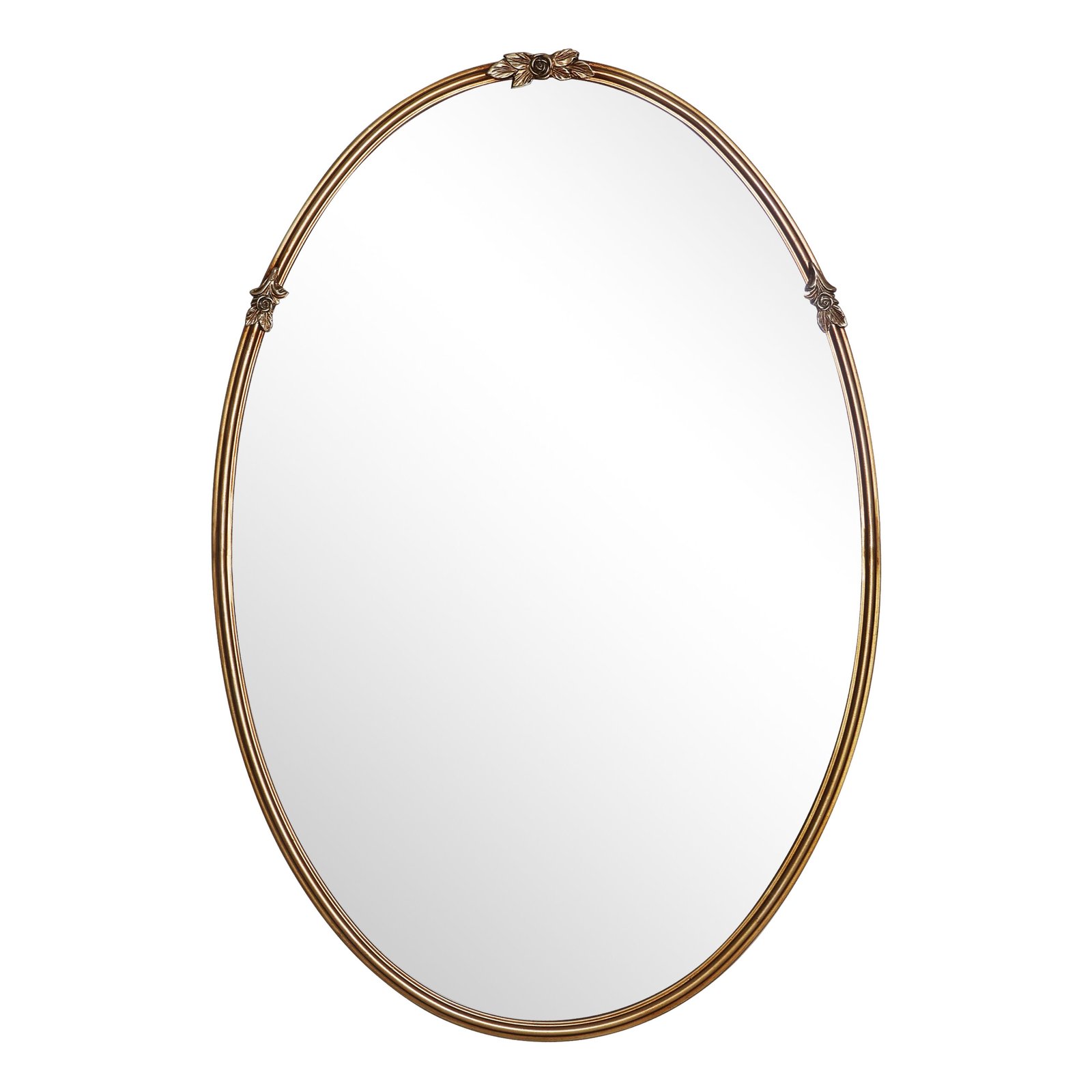
Mirrors are becoming the quiet hero SKU
In mirror trends 2026, the mirror is no longer just “the thing above the sink”.
It is lighting.
It is storage logic.
It is a room enlarger.
It is a finish statement.
Sometimes it is the only product in the bathroom doing any actual work while the marble tiles take all the credit.
For German buyers, home décor merchants, and interior designers, the mirror category is becoming more interesting because it sits between function and style. Bathroom design commentary for 2026 keeps pointing toward warmer lighting, spa-like spaces, metals, texture, and more considered mirror frames — which means the mirror is now part of the room concept, not an afterthought.
Very nice. Also slightly dangerous, because once a mirror becomes a hero product, the specs start to matter more.
What do we mean by mirror trends 2026?
Mirror trends 2026 refers to the product directions buyers should watch in mirror shape, lighting, finish, material, glass effect, and technical specification.
For German buyers, the useful directions are:
- backlit bathroom mirrors
- frontlit mirror alternatives
- dual-light bathroom mirrors
- brushed metal mirror frames
- chrome and silver-tone finishes
- travertine frame mirrors
- smoked mirrors
- organic and rounded shapes
- warmer CCT lighting
- better spec sheets for bathroom projects
The key is not to chase every dramatic mirror shape.
The key is to choose mirror trends that can be explained, produced, packed, installed, and reordered without giving the buying team a new headache with every shipment.
A mirror should reflect the customer.
Not the sourcing mistake.
Backlit bathroom mirror alternative frontlit mirror: which one should buyers choose?
Backlit mirrors create a soft halo effect behind the glass. They make the wall feel calmer and more architectural. They are good for mood, evening use, hotel-style bathrooms, and spa-like interiors.
Frontlit mirrors are more direct. They place light toward the face, which is better for shaving, make-up, grooming, and daily bathroom tasks.
So the question is not “backlit or frontlit?”
The better buyer question is: what job should this mirror do?
| Mirror Type | Best Use | Buyer Risk |
|---|---|---|
| Backlit bathroom mirror | ambient bathroom mood, soft spa effect, hotel-style room | may not give enough face lighting |
| Frontlit mirror | daily grooming, shaving, make-up, practical bathroom use | can feel too harsh if poorly designed |
| Dual-light mirror | ambience + task lighting | higher spec control needed |
| Non-LED framed mirror | broad retail, lower technical risk | less functional upgrade value |
A backlit bathroom mirror alternative frontlit mirror should be chosen according to room use, not just photo appeal. Industry commentary on 2026 LED mirror trends also highlights the shift toward combining ambience and utility, especially through front-and-back lighting concepts.
In buyer language: backlit is beautiful, frontlit is useful, dual-light is clever — if the supplier can actually document it properly.
Backlit bathroom mirror spec sheet: voltage, wattage, CCT
For German buyers, the backlit bathroom mirror spec sheet voltage wattage CCT is not optional.
It should clearly state:
- voltage
- wattage
- CCT / colour temperature
- LED type
- defogger function, if included
- IP rating
- switch type
- plug or wiring details
- mirror size
- glass thickness
- carton size
- gross weight
- installation notes
CCT matters because lighting changes the whole bathroom feeling. Some 2026 bathroom trend commentary points toward warm lighting around 2700K–3000K for a softer bathroom atmosphere.
A buyer should not accept “warm light” as a technical answer.
“Warm light” is a mood.
“3000K” is a specification.
Moods are nice. Specs are what prevent angry emails.
Brushed metal mirror frame: the safer finish direction
A brushed metal mirror frame is one of the most practical mirror directions for German buyers.
It feels cleaner than overly ornate frames, warmer than plain plastic, and more retail-friendly than very shiny gold. It also works across bathrooms, bedrooms, entryways, and small apartments.
Useful brushed metal options include:
- brushed brass
- brushed nickel
- brushed champagne
- brushed bronze
- brushed black metal
Chrome and silver tones are also receiving renewed attention in 2026 design commentary, especially as cleaner, cooler alternatives after years of heavy brass and matte black dominance.
German buyers should check:
- brush direction
- colour consistency
- surface scratches
- corner joints
- coating stability
- packaging protection
A brushed frame should look deliberate.
It should not look like someone cleaned it with regret.
Travertine frame mirror: natural, warm, but not easy
The travertine frame mirror fits the 2026 appetite for warmer materials, texture, stone effect, and quiet luxury.
It works well for:
- boutique bathrooms
- entryways
- soft neutral interiors
- project spaces
- designer-led mirror assortments
But German buyers should be careful.
Real stone can be heavy and expensive. Stone-look materials may be more practical, but they need good surface quality. The buyer should check:
- real travertine or travertine-effect material
- frame weight
- corner finishing
- surface texture
- colour variation
- carton protection
- hanging hardware strength
- whether the material is suitable for bathroom use
A travertine mirror should feel warm and architectural.
If poorly made, it just looks like a bathroom borrowed a floor tile and became overconfident.
Smoked mirror thickness tint level specification
A smoked mirror can add depth, mood, and a slightly more premium feeling.
It is especially useful for:
- bedrooms
- dressing corners
- boutique projects
- living rooms
- darker interiors
- decorative wall stories
But smoked mirror must be specified carefully.
German buyers should ask for a smoked mirror thickness tint level specification, including:
| Specification | Why It Matters |
|---|---|
| Glass thickness | affects stability and perceived quality |
| Tint colour | grey, bronze, brown, or smoke black |
| Tint level | too dark reduces usability |
| Reflection clarity | controls actual function |
| Edge treatment | affects visible quality |
| Frame compatibility | tint must match metal or stone finish |
| Batch consistency | smoked tone must repeat in reorder |
A smoked mirror should be moody.
It should not make the customer wonder whether the lights are broken.
Comparison: bathroom mirror trends by buyer risk
| Trend Direction | Commercial Appeal | Buyer Risk | Best Use |
|---|---|---|---|
| Backlit bathroom mirror | high, spa-like | technical specs, IP rating, CCT | bathroom and project channels |
| Frontlit mirror | practical | glare, harsh lighting | grooming-focused bathrooms |
| Brushed metal mirror frame | broad and safe | finish consistency | retail and design assortments |
| Travertine frame mirror | premium and textured | weight, surface, packaging | boutique and project interiors |
| Smoked mirror | design-led | tint level and usability | bedroom, living room, accent wall |
| Chrome mirror | modern and sharp | scratches and cold tone | urban bathrooms and hallways |
The smartest German buyers will not choose only one direction.
They will build a mirror range with one practical core, one finish-led upgrade, and one design-led accent.
That is usually better than ordering twelve “trend mirrors” and hoping the wall forgives you.
Teruier’s value translation: turning mirror trends into buyer-ready SKUs
For this article, Teruier’s value translation approach fits well.
A designer says:
“We need a warmer bathroom mirror.”
A buyer says:
“We need a product that can sell, ship, and reorder.”
A factory asks:
“What voltage, wattage, CCT, frame finish, carton size, and glass thickness?”
Teruier’s value translation means turning trend words into sourcing decisions:
- “spa-like mirror” becomes backlit lighting, warm CCT, and IP rating
- “modern frame” becomes brushed metal finish standard
- “natural luxury” becomes travertine frame material choice
- “moody mirror” becomes smoked mirror tint and thickness spec
- “project-ready” becomes a complete mirror spec sheet
This is how mirror trends become products buyers can actually use.
Not just pretty photos.
FAQ
What are mirror trends 2026?
Mirror trends 2026 include backlit and frontlit bathroom mirrors, dual-light designs, brushed metal mirror frames, chrome and silver tones, travertine frame mirrors, smoked mirrors, and better technical specification for bathroom projects.
What is the difference between a backlit bathroom mirror and a frontlit mirror?
A backlit mirror creates soft ambient light behind the mirror. A frontlit mirror directs light toward the face, making it more useful for grooming, shaving, and make-up.
What should be included in a backlit bathroom mirror spec sheet?
A good spec sheet should include voltage, wattage, CCT, LED type, IP rating, defogger details, switch type, mirror size, glass thickness, carton size, gross weight, and installation notes.
Why is a brushed metal mirror frame useful for German buyers?
It is retail-friendly, easy to place, and works across bathrooms, bedrooms, hallways, and modern interiors. Buyers still need to control brush direction, colour tone, scratches, and coating quality.
Is a travertine frame mirror suitable for wholesale buyers?
Yes, if the material, weight, finish, packaging, and hanging hardware are properly controlled. It works best for premium, natural, and texture-led mirror stories.
What should buyers check in smoked mirrors?
Buyers should check smoked mirror thickness, tint level, tint colour, reflection clarity, edge finish, frame compatibility, and batch consistency.
Are chrome mirrors part of mirror trends 2026?
Yes. Chrome and silver-tone finishes are receiving renewed attention as cleaner, cooler alternatives to warmer metals, but they need careful surface and scratch control.
Final thought: the mirror trend is not the shape — it is the specification
For German buyers, mirror trends 2026 are not only about what looks good.
They are about what can be specified, produced, packed, installed, and reordered.
A backlit mirror needs voltage, wattage, and CCT.
A frontlit mirror needs usable face lighting.
A brushed metal mirror frame needs finish consistency.
A travertine frame mirror needs material and weight control.
A smoked mirror needs thickness and tint-level standards.
The best mirror trend is not the loudest one.
It is the one that looks current, works properly, and does not collapse when the buyer asks for a second order.



