
Trend is nice. Reorder is nicer.
Every buyer enjoys finding a fresh product direction.
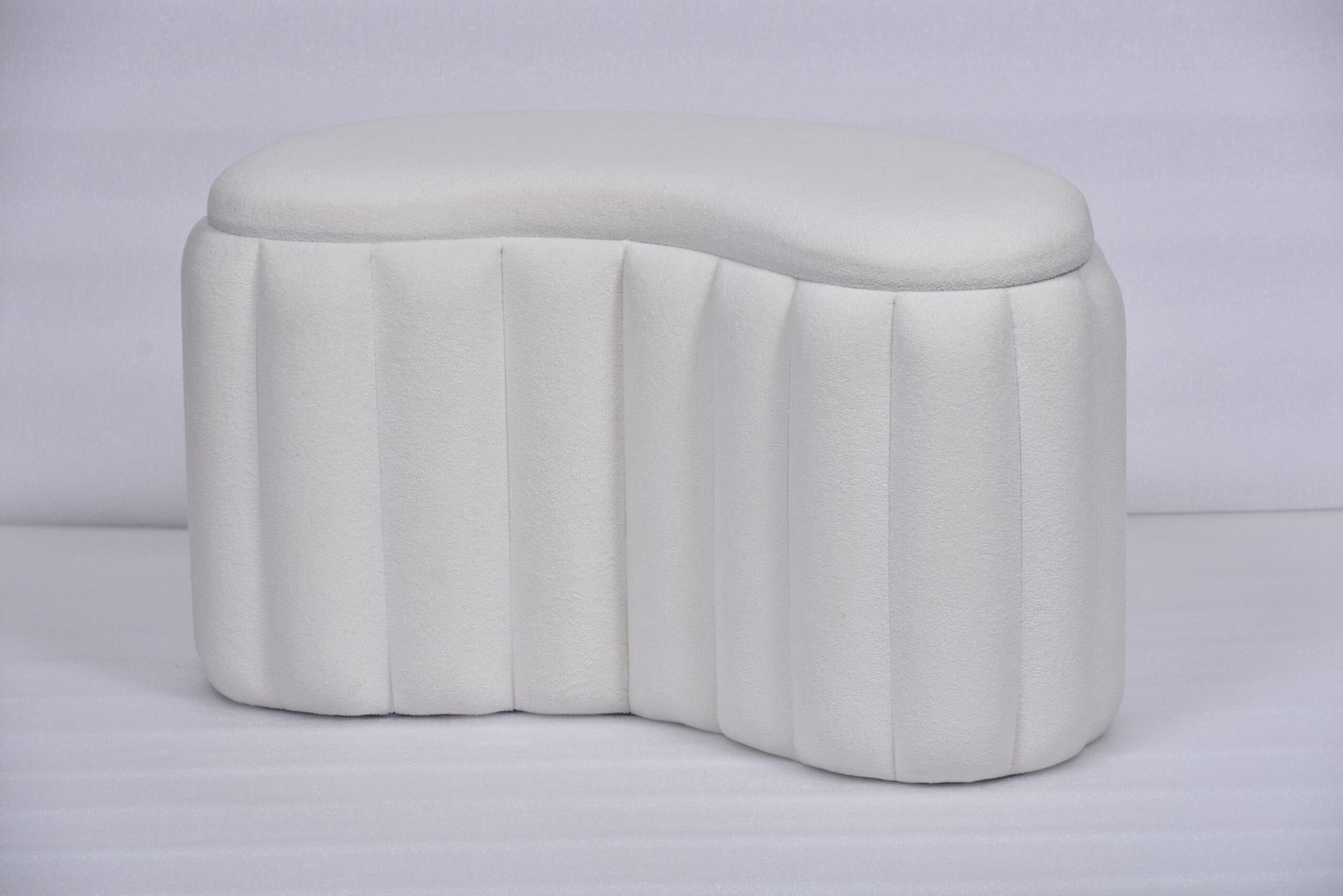
A new ottoman fabric.
A clever medicine cabinet mirror.
A ceramic piece with a hand-painted look.
A soft neutral glaze that finally does not look like office beige.
Wonderful.
But for German buyers, the real question is not: “Is this trend attractive?”
The real question is: “Can we reorder it without the second batch looking like a cousin of the first batch?”
That is the point of reorder friendly trends.
A trend only becomes useful when it can be produced again, packed again, shipped again, and sold again with controlled quality.
Otherwise it is not a business trend. It is a very charming one-time headache.
What are reorder friendly trends?
Reorder friendly trends are home décor directions that are current enough to sell, but stable enough to repeat.
They usually have:
- clear material standards
- controlled finishes
- repeatable shapes
- practical packaging
- reasonable MOQ logic
- stable supplier communication
- acceptable colour tolerance
- strong room-use logic
For example, a textured ottoman in a warm neutral fabric can be reorder friendly if the supplier can repeat the same fabric texture and colour. A majolica-inspired ceramic item can work if the glaze and pattern variation are controlled. A medicine cabinet mirror can become a strong product if the mirror, storage function, hardware, and packaging stay stable across orders.
The keyword here is not “perfect”.
The keyword is “controlled”.
German buyers do not need every product to look like it came from a robot. But they do need the second order to look like it belongs to the same product family.
Ottoman fabric texture: soft trend, hard control
Ottomans are good reorder products because they are flexible.
They work in bedrooms, living rooms, hallways, dressing corners, and small apartments. They can be seating, footrest, storage, or simply the piece that makes a room look less unfinished.
But ottoman fabric texture is where many reorders go wrong.
German buyers should check:
- fabric handfeel
- pile height
- weave density
- colour under warm and cool light
- stitching quality
- corner wrapping
- foam support
- repeat fabric availability
A textured neutral ottoman is often safer than a loud printed one. It is easier to place, easier to pair with mirrors and ceramics, and easier to repeat.
But “neutral” does not mean “whatever beige the factory has this week”.
That is not a finish strategy. That is textile roulette.
Medicine cabinet mirror: practical, but not simple
The medicine cabinet mirror is a good reorder-friendly direction because it solves a real problem: storage plus mirror function.
For German buyers, it can fit:
- bathroom assortments
- compact apartment solutions
- rental-friendly storage stories
- project supply
- functional small home ranges
But it needs proper QC.
A medicine cabinet mirror should be checked for:
- mirror clarity
- door alignment
- hinge quality
- storage depth
- wall-mounting hardware
- back panel strength
- moisture-related suitability
- carton protection
- installation notes
- reorder hardware consistency
This product looks simple from the front.
That is the trick.
Behind the mirror, there is structure, hardware, storage, weight, packaging, and installation logic. In other words, plenty of places for a supplier to become creative in the wrong way.
Majolica ceramic decor: beautiful, but needs boundaries
Majolica ceramic decor can add colour, craft feeling, and Mediterranean charm to a home décor range.
It is attractive because it feels less flat than standard plain ceramics. It can work in bowls, vases, trays, decorative plates, small boxes, and tabletop accents.
But German buyers should be careful.
Majolica-inspired products often include hand-painted effects, strong colour, glossy glaze, and pattern variation. That is the appeal. It is also the risk.
Before placing a wholesale order, buyers should define:
- approved colour range
- acceptable pattern variation
- glaze brightness
- surface smoothness
- shape tolerance
- packaging protection
- whether the item is decorative or functional
- whether food-contact requirements apply
A majolica piece should look lively.
It should not look like five different artists had an argument on the same bowl.
Tonal ceramic finishes: quieter, safer, more reorder-friendly
Compared with strong majolica decoration, tonal ceramic finishes are usually easier to reorder.
Tonal finishes include:
- warm white
- soft beige
- taupe
- muted green
- terracotta
- stone grey
- cream reactive glaze
- matte neutral glaze
They are useful because they work across more rooms and more seasons.
| Ceramic Direction | Best Use | Reorder Risk |
|---|---|---|
| Majolica ceramic decor | statement pieces, seasonal stories, decorative accents | pattern and colour variation |
| Tonal ceramic finishes | core range, neutral interiors, shelf-friendly décor | glaze tone shift |
| Terracotta finish | warm natural stories | colour moving too orange or too red |
| Matte beige glaze | broad retail use | surface too flat or chalky |
| Reactive glaze | crafted look | too much batch variation |
For German buyers, tonal ceramics are often better as reorder base products. Majolica can be used as a trend accent.
One builds the shelf.
The other gives it personality.
A good range needs both — but not in equal quantities, unless the buyer wants the shelf to look like it had too much espresso.
Wholesale home decor materials: buy the material system, not only the item
Good reorder planning starts with wholesale home decor materials.
Buyers should ask:
- Can this fabric be repeated?
- Can this ceramic glaze be controlled?
- Can this mirror hardware be sourced again?
- Can this finish match future SKUs?
- Can the supplier keep the same packaging method?
This matters because home décor products are often displayed together.
An ottoman, mirror, ceramic bowl, tray, and storage box may all sit in one room story. If every material changes slightly in the reorder, the collection starts to look accidental.
And “accidental” is rarely the brand strategy.
Before placing a wholesale order: the practical checklist
Before placing a wholesale order, German buyers should confirm:
| Checkpoint | Question |
|---|---|
| Product role | Is this a core reorder SKU or a trend test? |
| Material | Is the fabric, ceramic, mirror glass, or hardware repeatable? |
| Finish | Is there an approved colour or glaze standard? |
| MOQ | Does MOQ make sense for testing or reorder? |
| Lead time | Can the supplier repeat delivery timing? |
| Packaging | Is the carton suitable for export handling? |
| QC | Are the inspection points clear? |
| Documentation | Are specs, care notes, and product details available? |
| Reorder plan | Can successful SKUs be repeated or extended? |
A product is not ready for wholesale just because the sample looks good.
The sample is the beginning of the question, not the answer.
Teruier’s value translation: turning trends into reorder-ready products
For this article, Teruier’s value translation approach fits well.
Trend language is often vague:
“Soft texture.”
“Handmade glaze.”
“Vintage ceramic mood.”
“Bathroom storage solution.”
“Neutral home story.”
Nice words. Dangerous production instructions.
Teruier’s value translation means turning those words into buyer-ready product decisions:
- ottoman fabric texture becomes fabric reference, colour range, and batch control
- medicine cabinet mirror becomes mirror clarity, cabinet depth, hinge quality, and packaging spec
- majolica ceramic decor becomes pattern tolerance and glaze standard
- tonal ceramic finishes become approved colour families
- wholesale home decor materials become a repeatable material system
That is how a trend becomes reorder-friendly.
Not by making it sound more stylish.
By making it easier to buy again.
FAQ
What are reorder friendly trends?
Reorder friendly trends are product directions that are attractive, commercially useful, and stable enough to repeat across future orders.
Why does ottoman fabric texture matter for reorder quality?
Fabric texture affects handfeel, colour, durability, and perceived value. If the fabric changes between orders, the product may no longer match the approved sample.
Is a medicine cabinet mirror a good reorder product?
Yes, if the mirror clarity, cabinet structure, hinges, storage depth, wall-mounting hardware, packaging, and installation notes are controlled.
Is majolica ceramic decor easy to reorder?
It can be, but buyers must control colour, pattern variation, glaze finish, shape, and packaging. Strong decorative ceramics need clear approval standards.
Why are tonal ceramic finishes useful for German buyers?
Tonal ceramic finishes are easy to place, easy to combine with other products, and often safer for repeat orders than highly decorative ceramics.
What should buyers check before placing a wholesale order?
They should check material repeatability, finish standards, MOQ, lead time, packaging, QC checkpoints, documentation, and reorder potential.
Final thought: the best trend survives the second order
A trend is not useful just because it looks good once.
For German buyers, the real value is in products that can be repeated with control.
A textured ottoman must keep its fabric feel.
A medicine cabinet mirror must keep its function and hardware.
Majolica ceramic decor must keep its charm without becoming chaotic.
Tonal ceramic finishes must stay within the approved colour family.
That is what makes a trend reorder friendly.
Not louder design.
Better control.



